On our second day in the Sacred Valley, we headed to Ollantaytambo from our hotel in Urubamba to tour the town and nearby archaeological sites. Given the crucial role the town plays in accessing Machu Picchu, we were surprised at the poor quality of the road leading into town. It’s officially a two-lane road, but depending on the size of the vehicle, traffic might be held up to let a large vehicle pass. (This happened to us on the way out of town.)
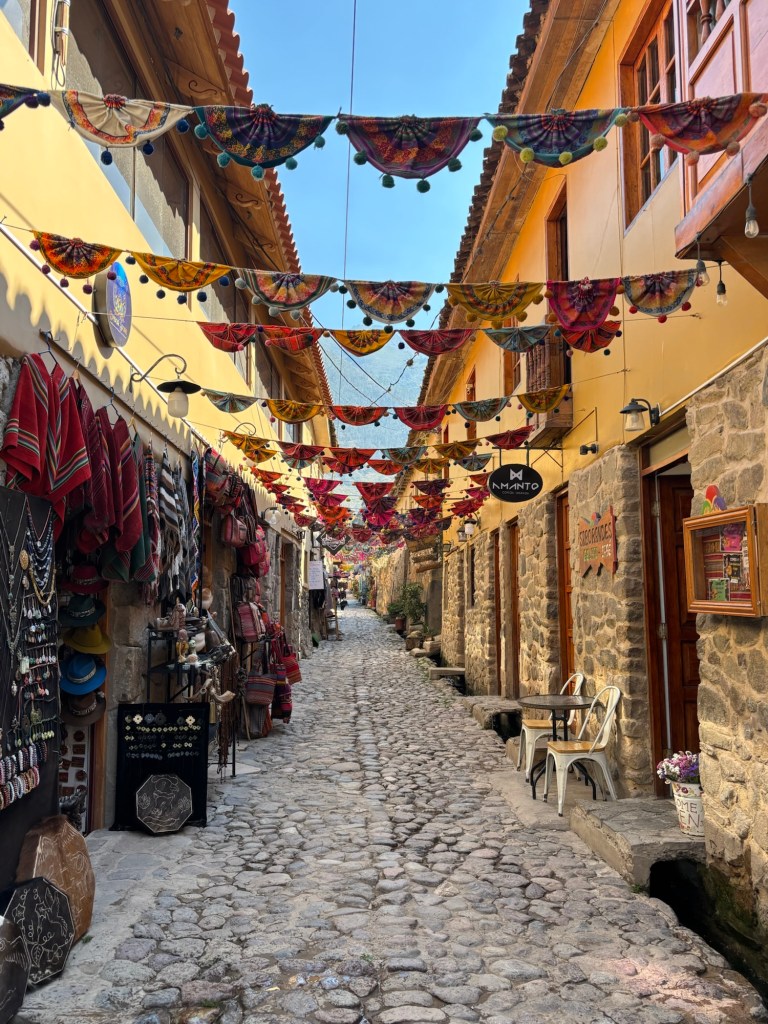
So if you’re headed to Ollantaytambo to catch the train to Aguas Calientes en route to Machu Picchu, you could miss your train because of traffic. A week or two before we left for our trip, Peru Rail stopped running trains due to flooding. (I remained remarkably calm when I read this.) In the past there have been rail and bus strikes because the workers know the best way to get attention from the government is to affect tourism.
The road to Ollantaytambo made me realize how fragile the Machu Picchu tourism ecosystem is, and how lucky we were to have everything go smoothly.
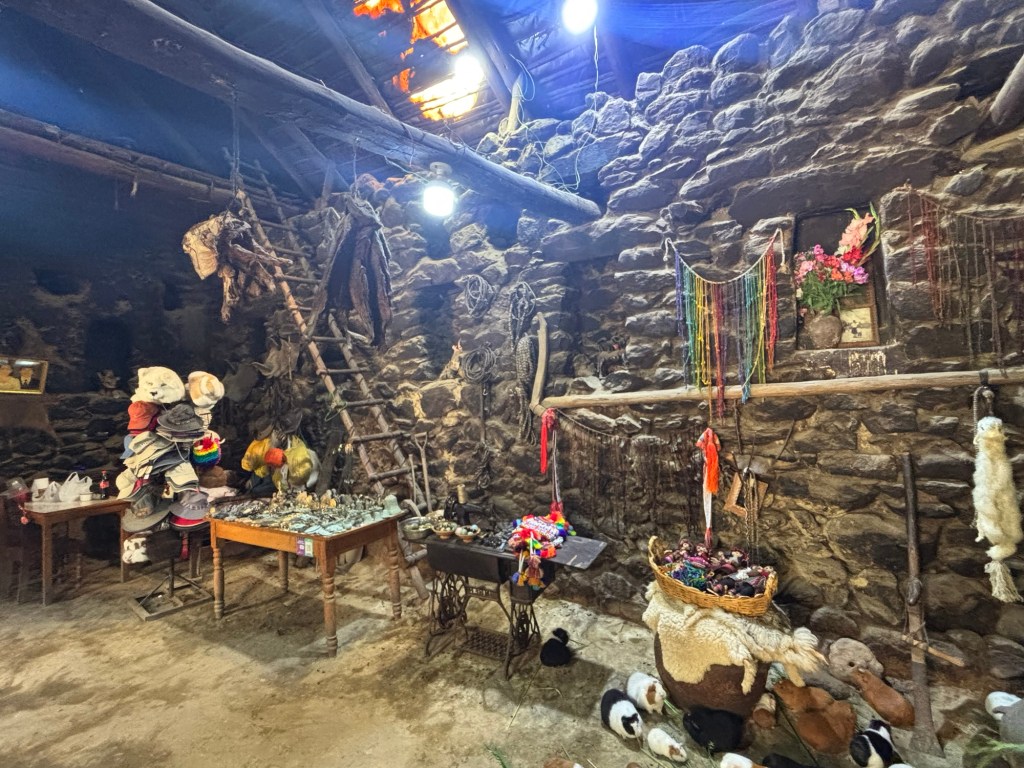
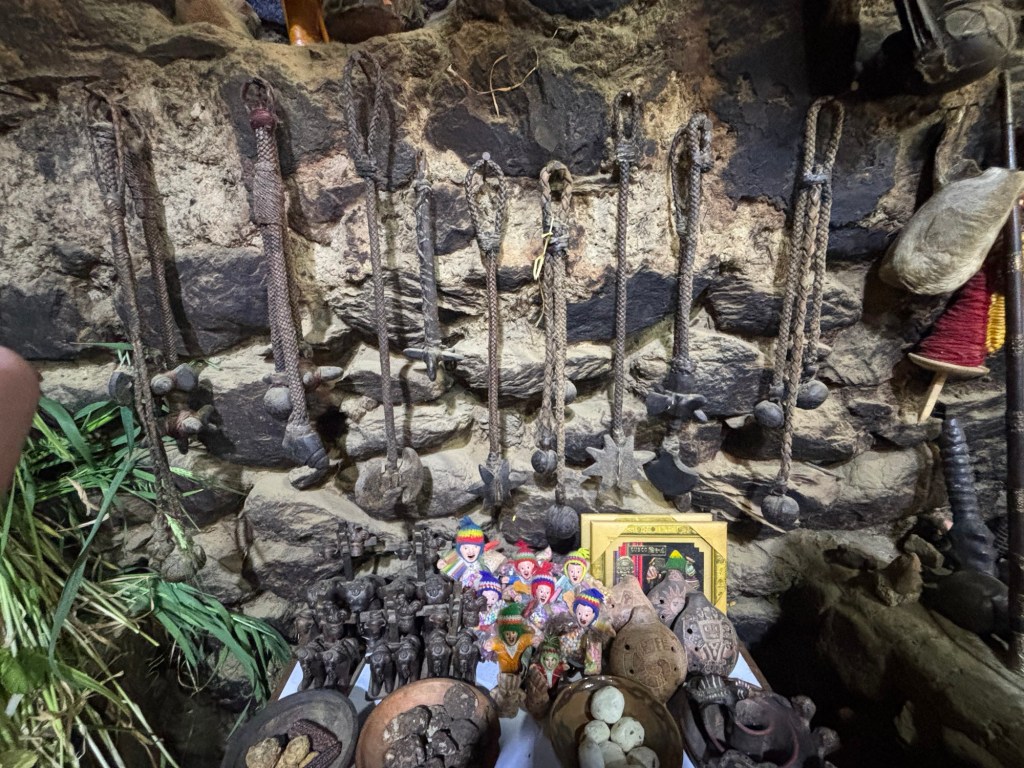
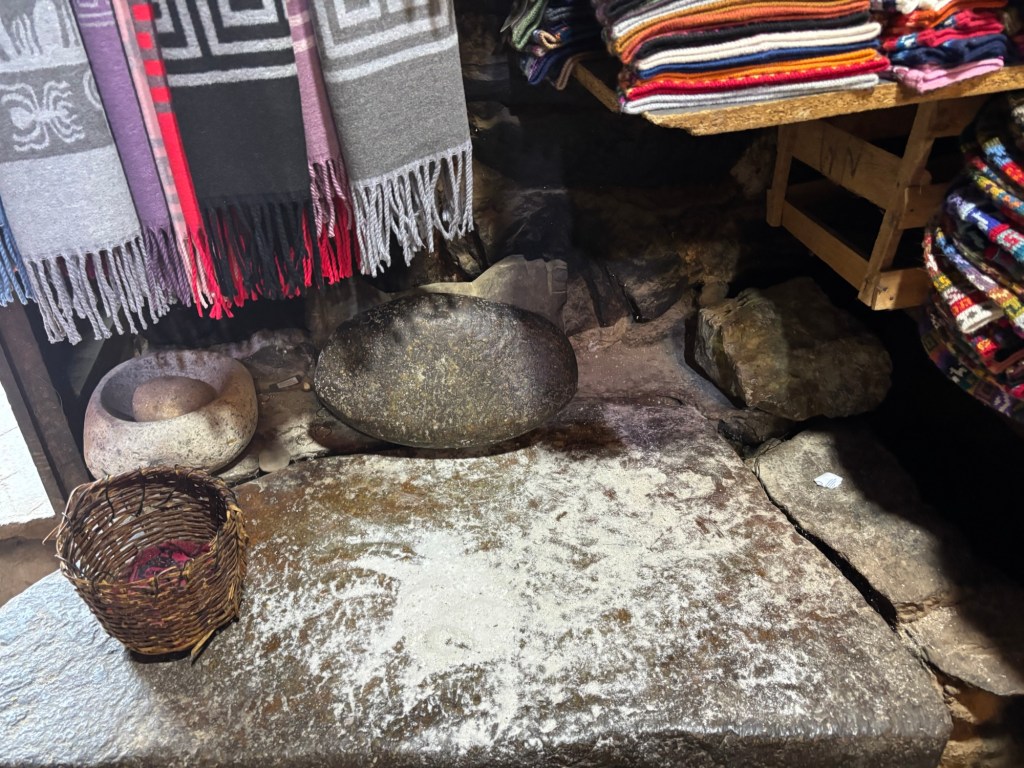
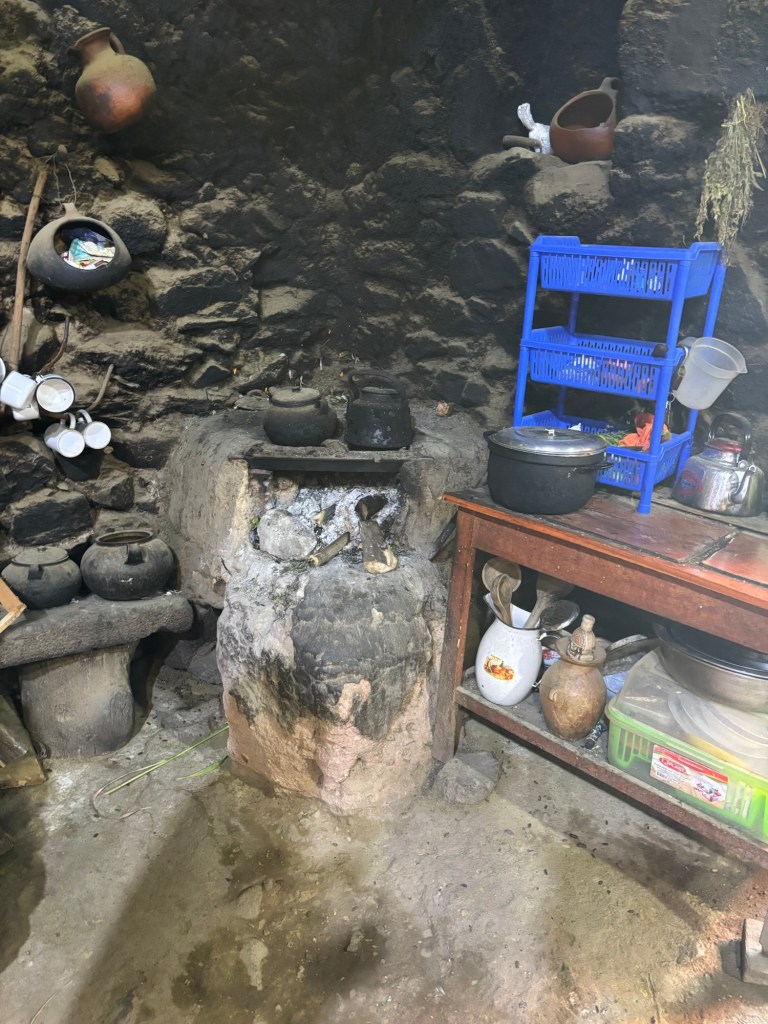
Ollantaytambo is billed as a “living Inca town” because much of the town preserves the original Inca layout, and people still live in homes that are pretty much intact from the Inca times. We visited one such home, and although the people live very simply they were able to take a credit card for our souvenir purchase.
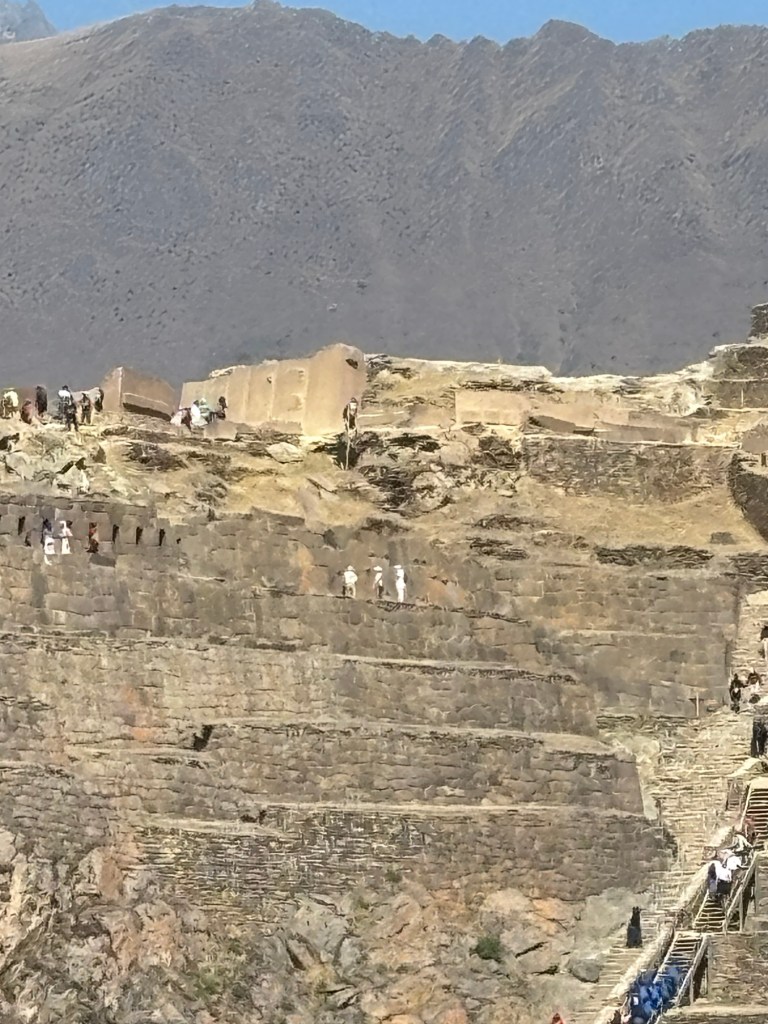
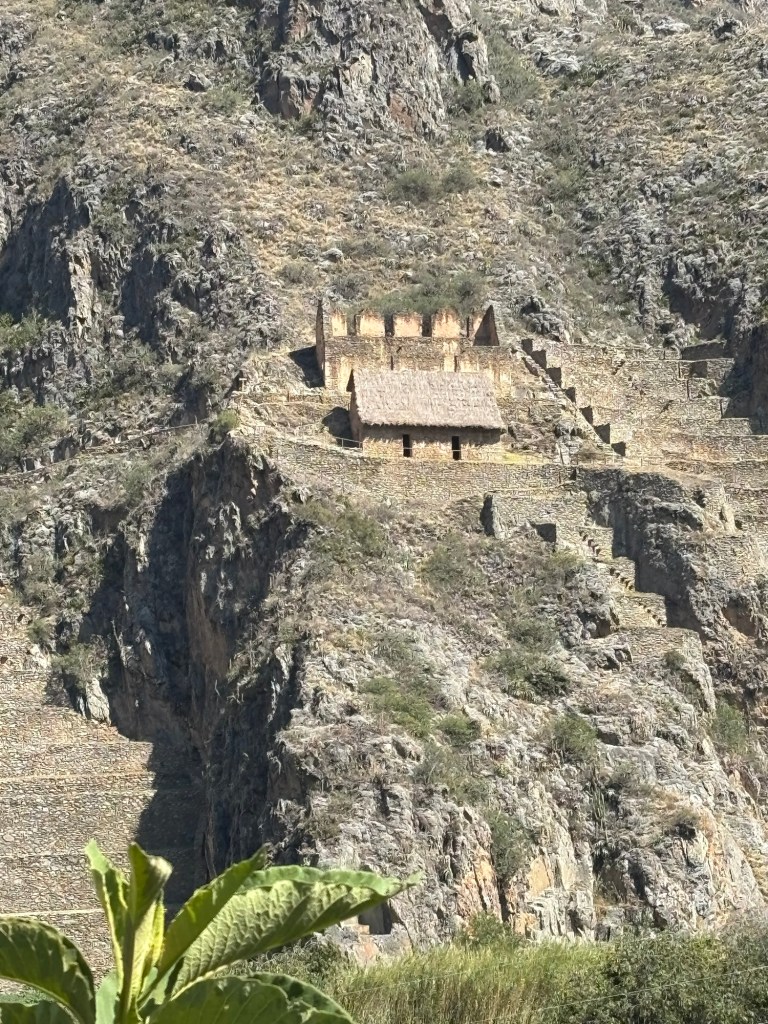
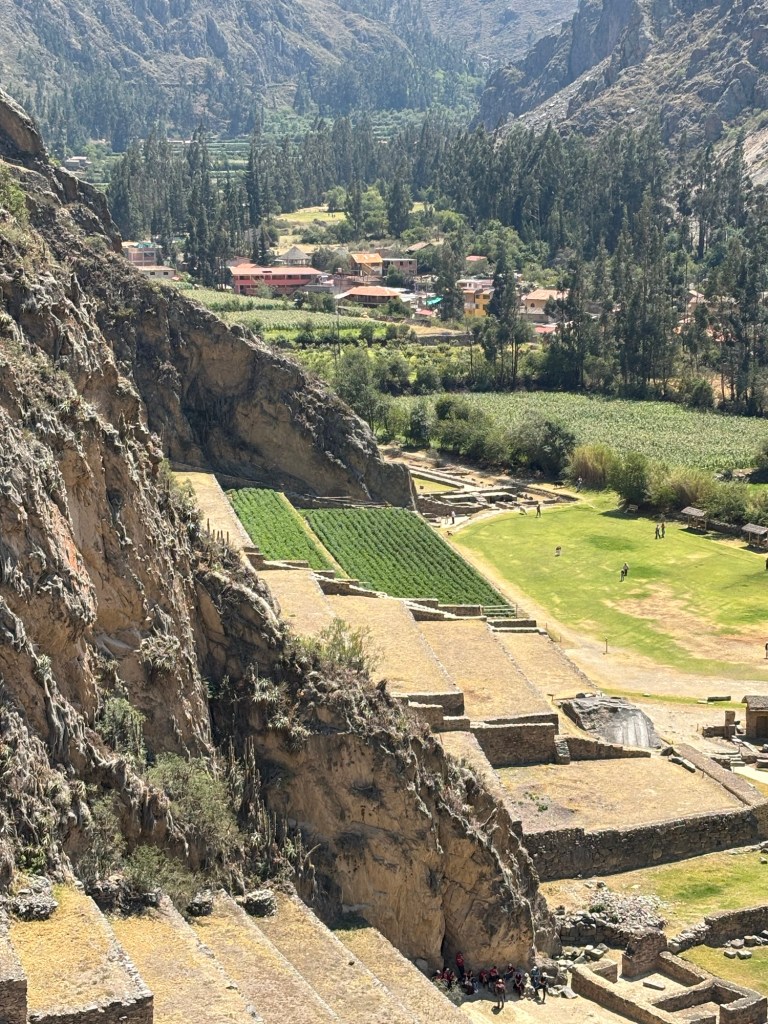
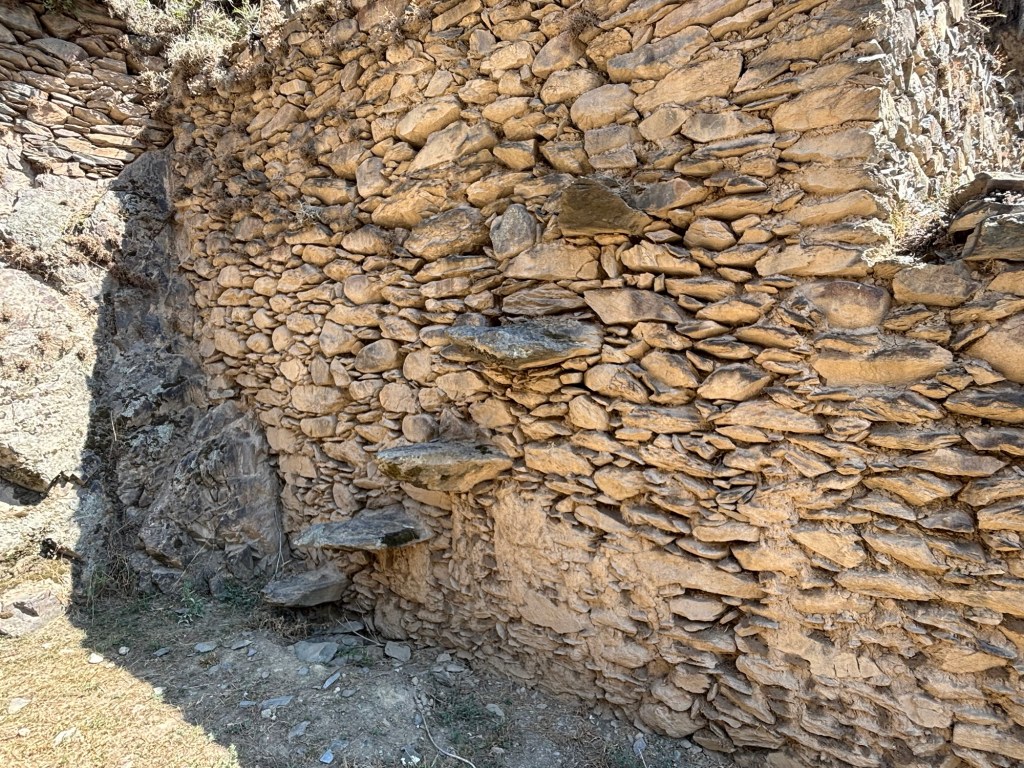
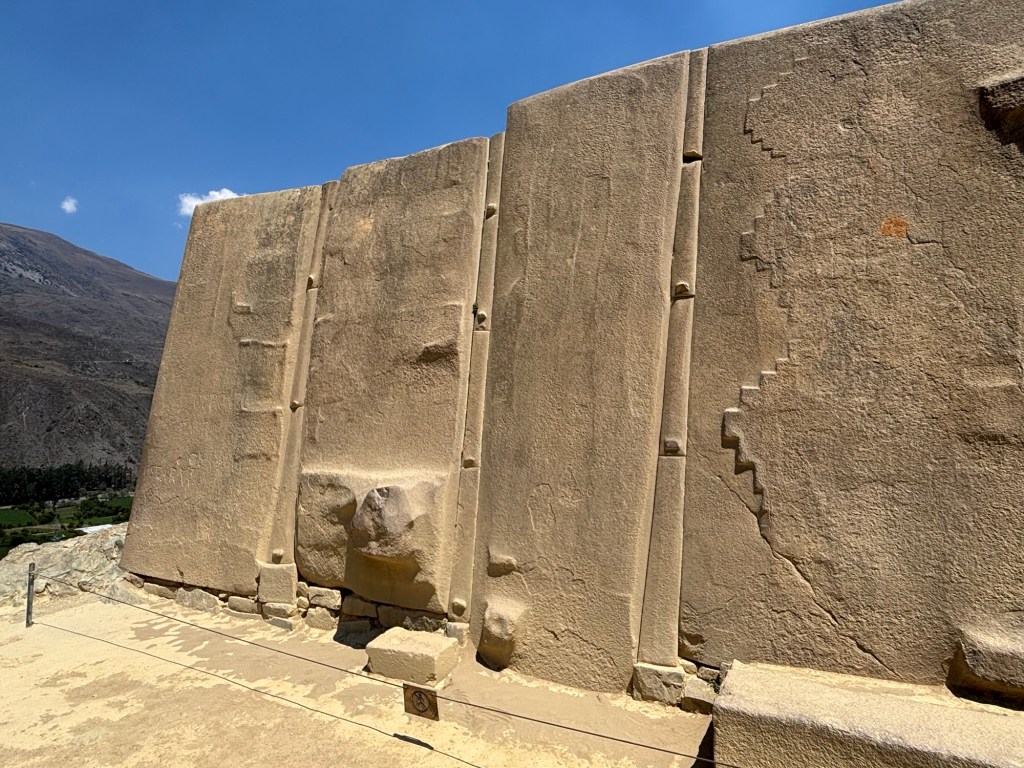
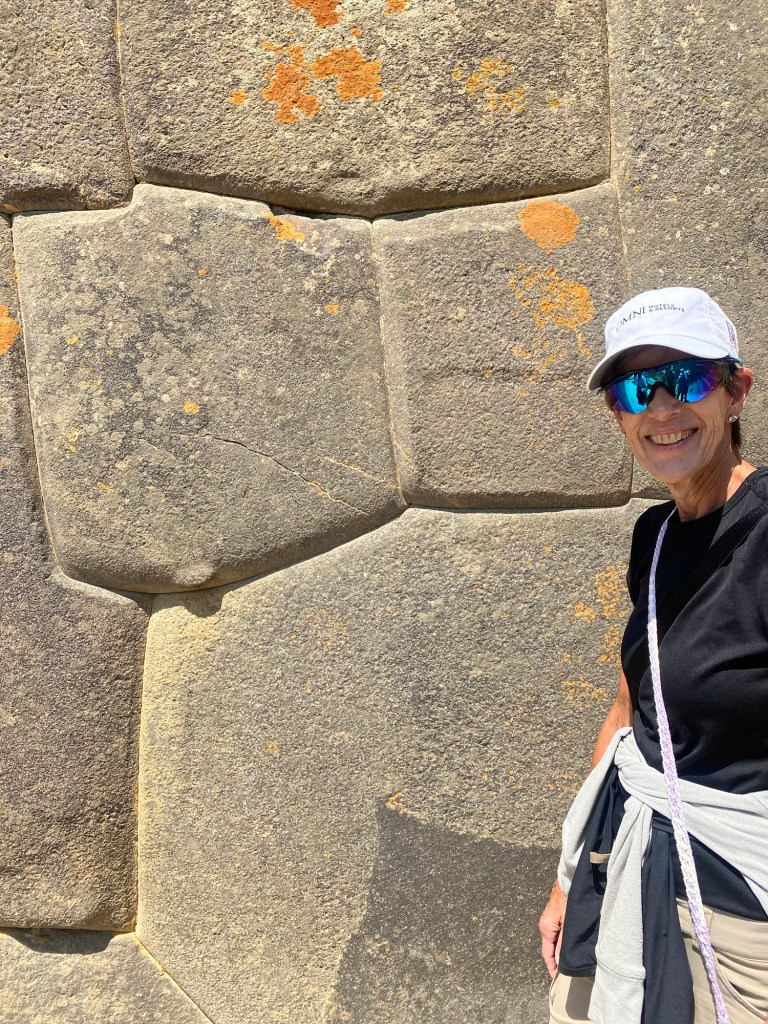
Just a few steps from the town with its homes, shops and restaurants is one of the most complete sites of the Inca empire, integrating military, agricultural, religious and royal sites. This site is particularly interesting because it’s the only known instance of the Incas bringing stone from another place to build. Were they testing something new? Archeologists don’t have an answer to this question. Also unknown is how these massive stones, weighing over 50 tons each, were quarried, transported and precisely fitted.
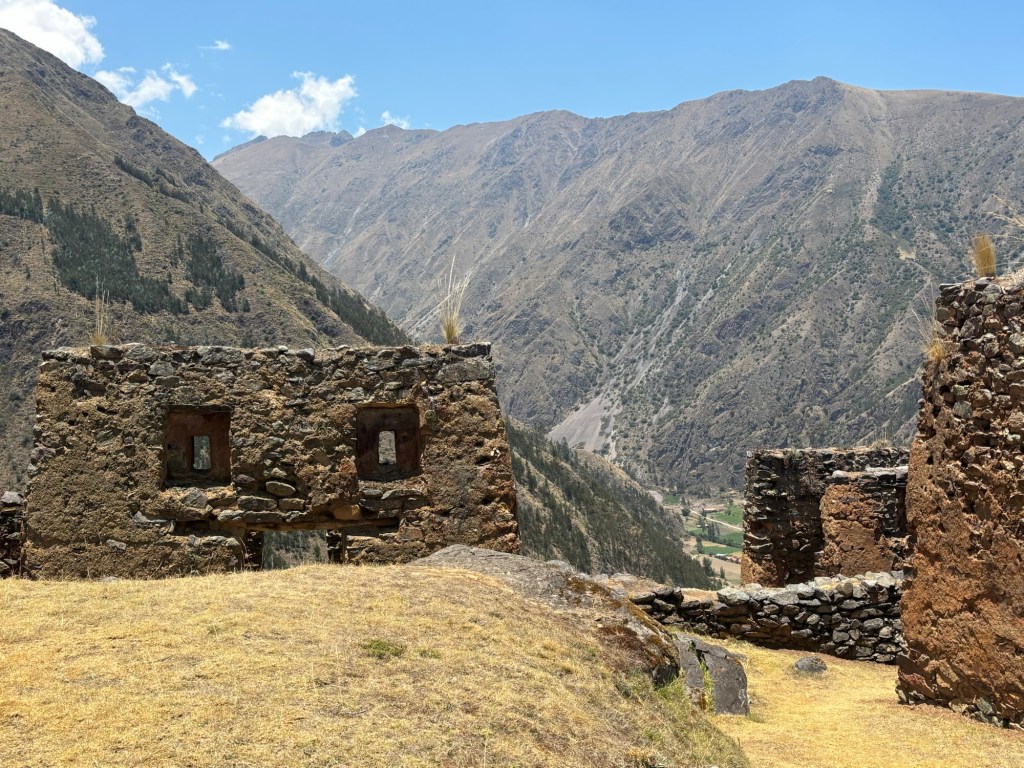
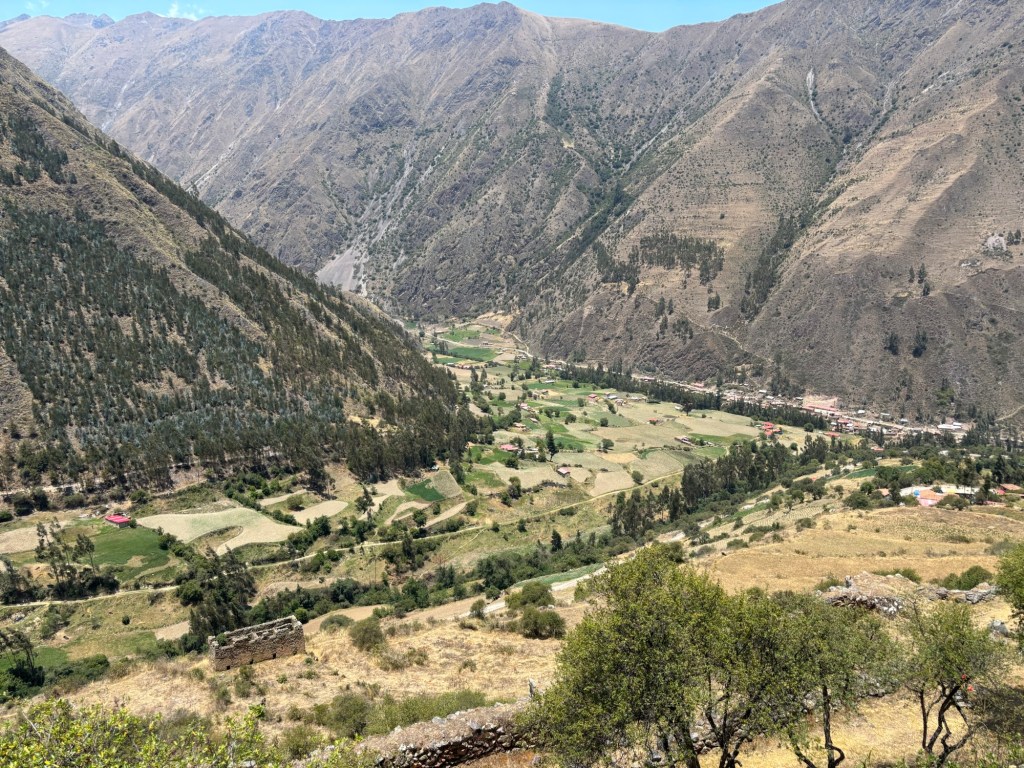
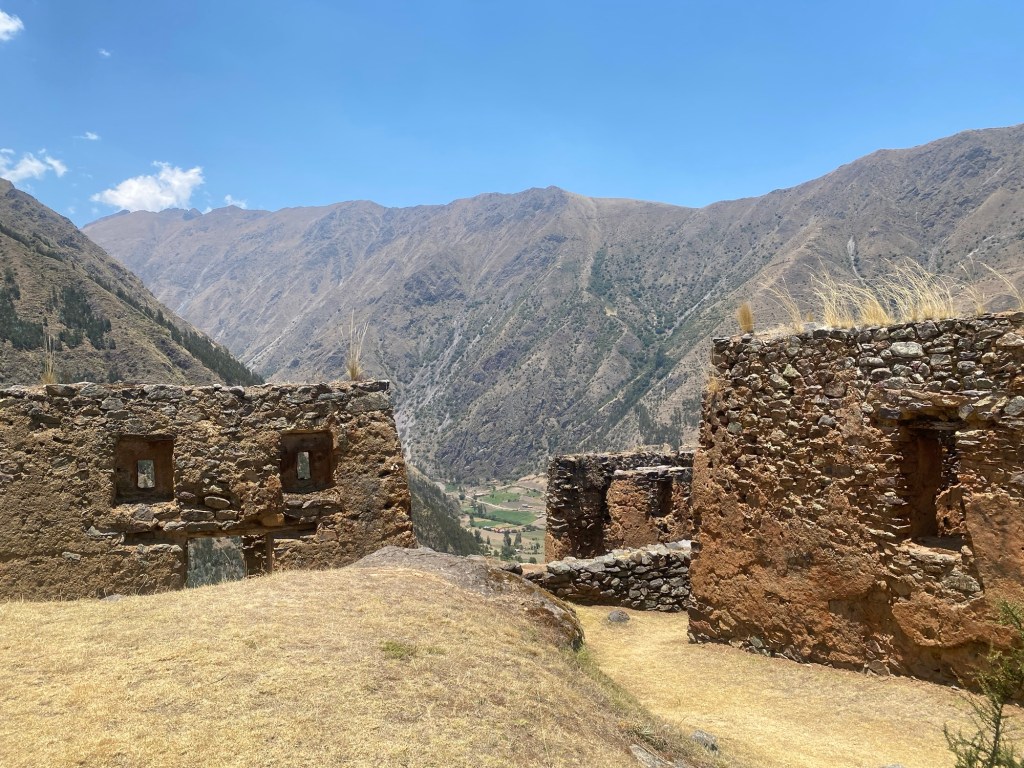
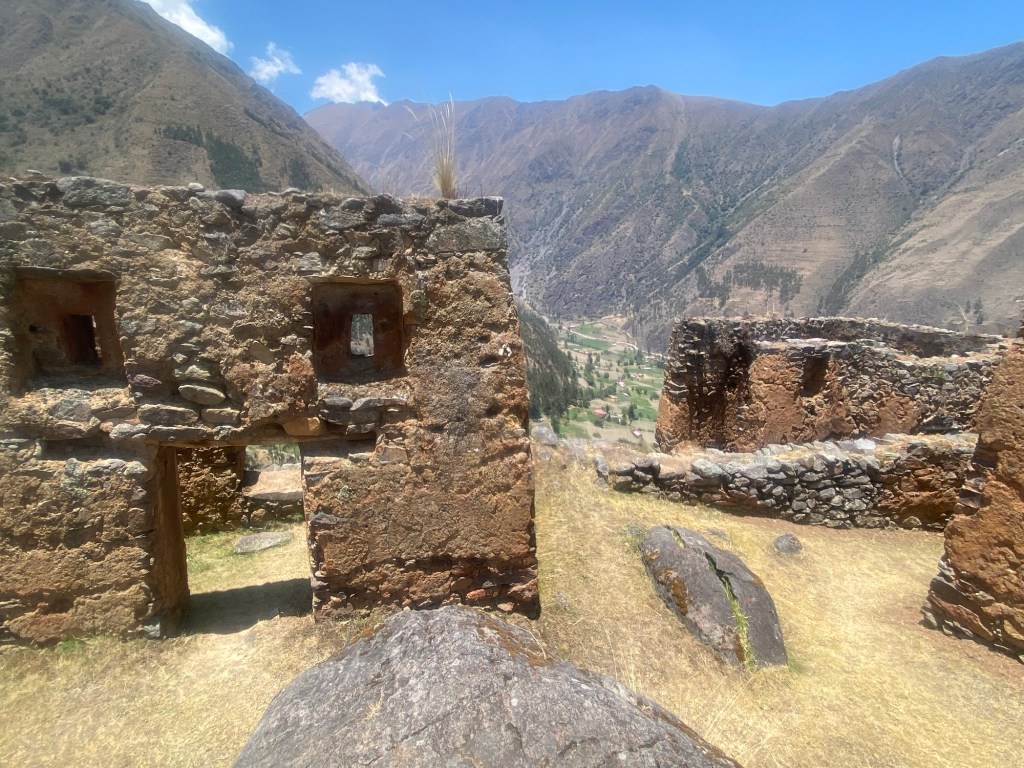
After Ollantaytambo, we set off for Pumamarca, another archeological site about four miles sway. But four miles in the mountains of Peru can mean anything. In this case, we were stopped for road construction on a winding, gravel road that definitely needed work. After waiting a while, our guide asked if we wanted to walk the rest of the way to the site, since the delay could be long. As we started walking, the construction crew lead told us it was okay to pass by car. I guess he took one look at me and Jim and decided he didn’t want to do paperwork on the death of two tourists. Or, he could have just decided it was time for lunch.
Pumamarca is very much a work in progress, and most of the time it was just the three of us exploring the ruins. The site was begun before the Incas arrived, then the Incas expanded it, with the terraces we had seen in so many places already, as well as a military presence to protect the site. With the road work and ongoing excavation, it looks like the Peruvian government is planning to add the site to the list of “must see” Inca sites. For now, it was a lovely, peaceful experience.
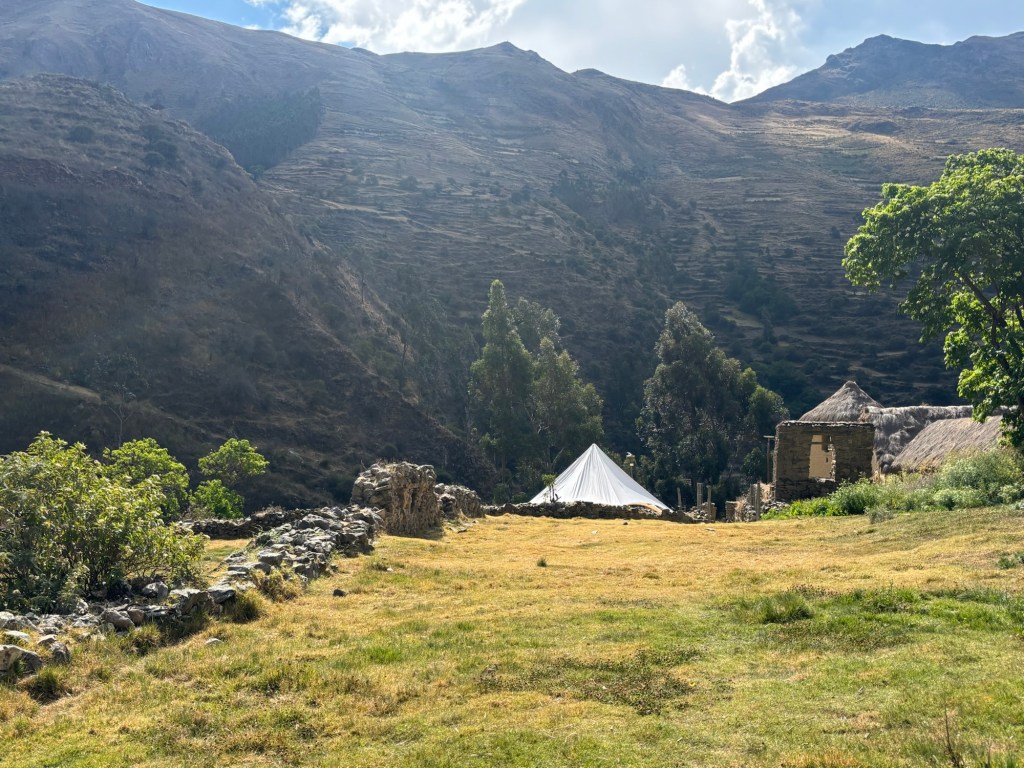
Then it was off to another lunch. Although this was more casual than the other two, I think it was my favorite setting – under a tent high in the Andes. As usual, food was delicious and too plentiful.
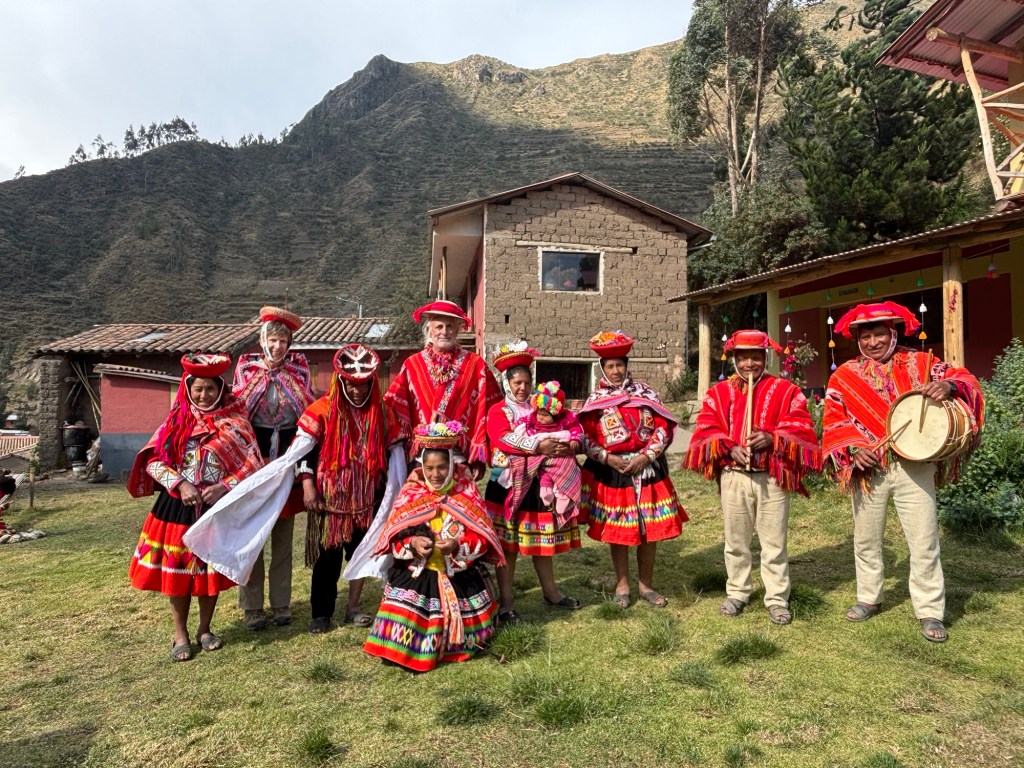
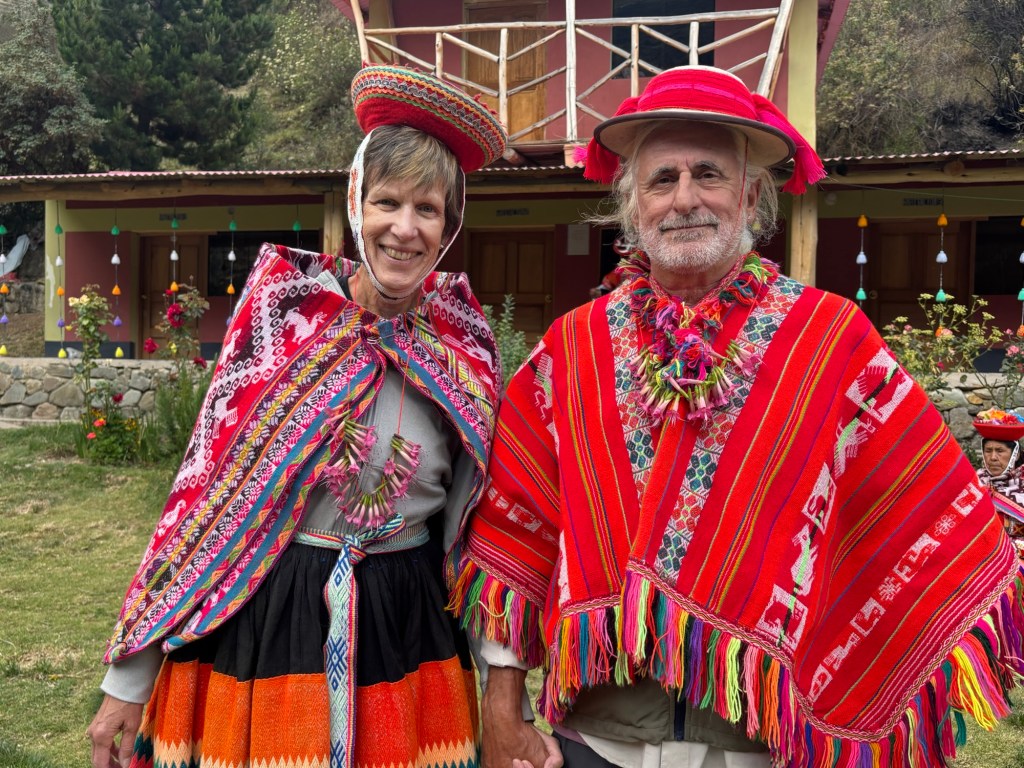
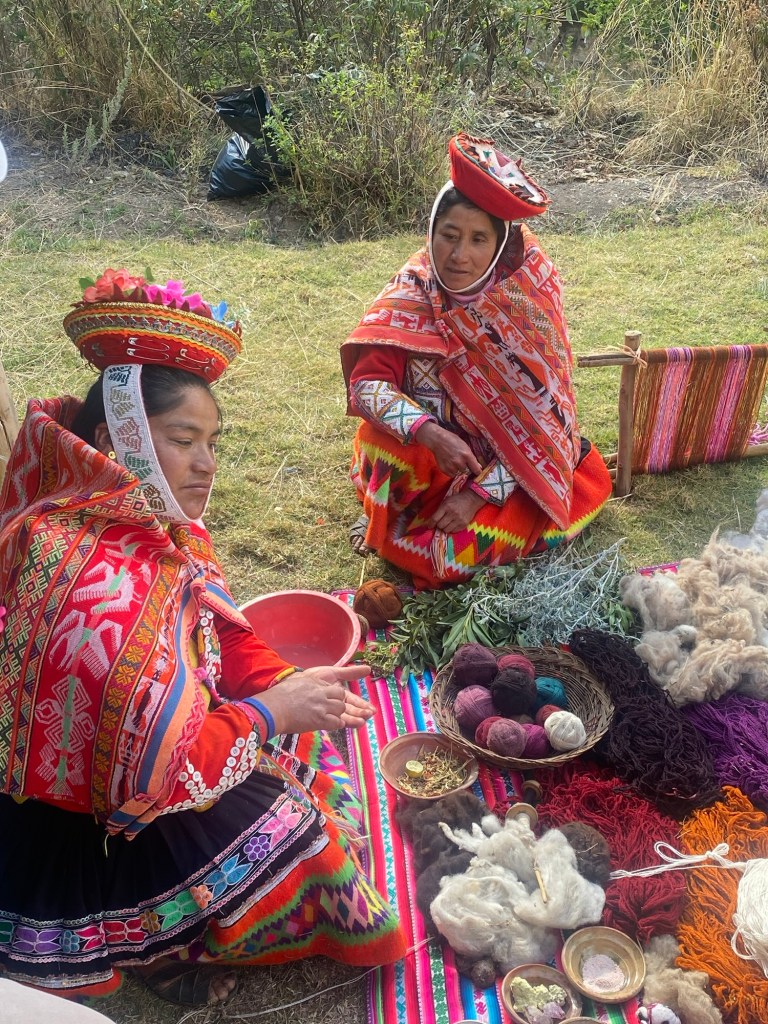
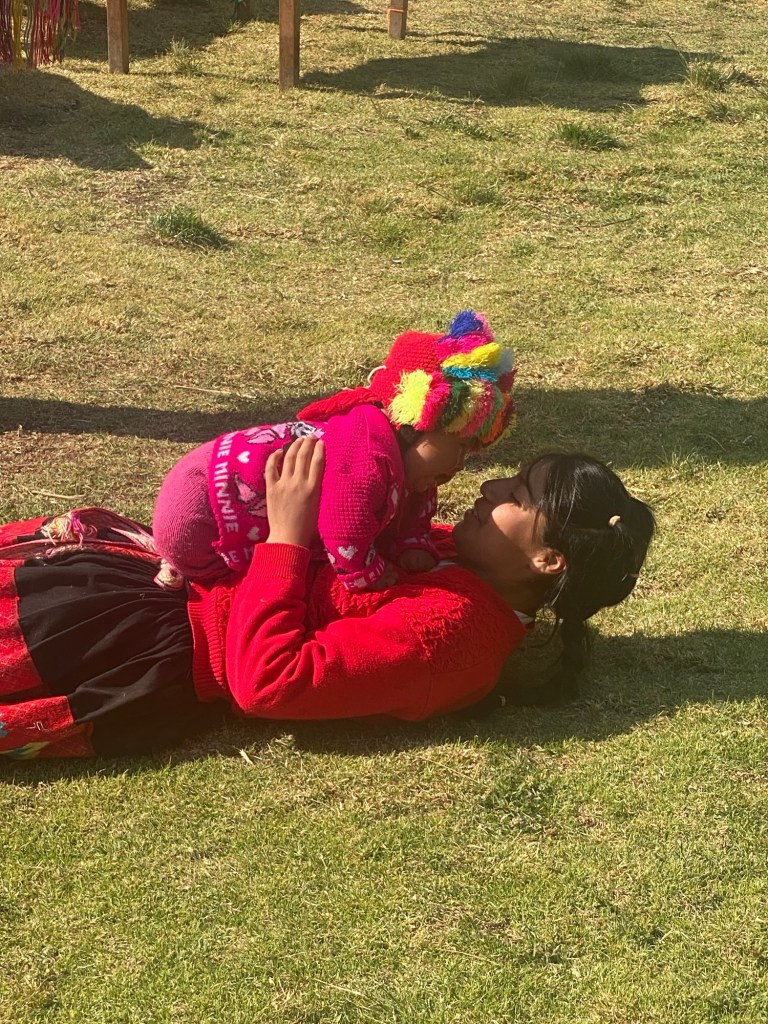
The final stop was a visit to a Huilloc community. Although we could have done without another yarn dyeing demonstration, we did have fun dressing in their local garb and dancing with another couple. It’s touristy, but they make some money, I’m sure, and we had fun.
Then it was the long ride back to Urubamba before returning the next day to start the main adventure – Machu Picchu.


I’m totally amazed at their engineering skills. Did Jim just wear his new outfit or did he purchase it for a new golf clothes?
LikeLike