We spent two-plus days touring Cusco to wrap up our trip to Peru. It’s a very charming city with a rich history. Cusco was the heart of the Inca Empire. The Spanish conquistador Francisco Pizzaro succeeded in subduing the Incas in the early 1500s, after which the Spaniards went about transforming Cusco into a colonial layout that features a number of plazas that are common in Spanish towns.
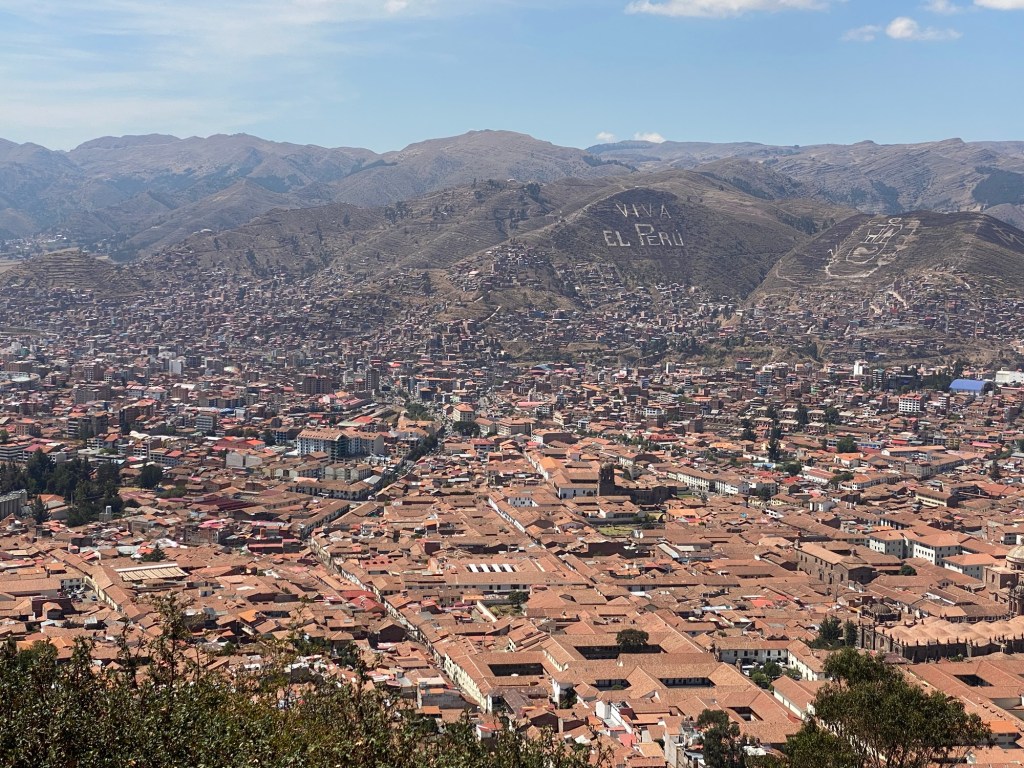
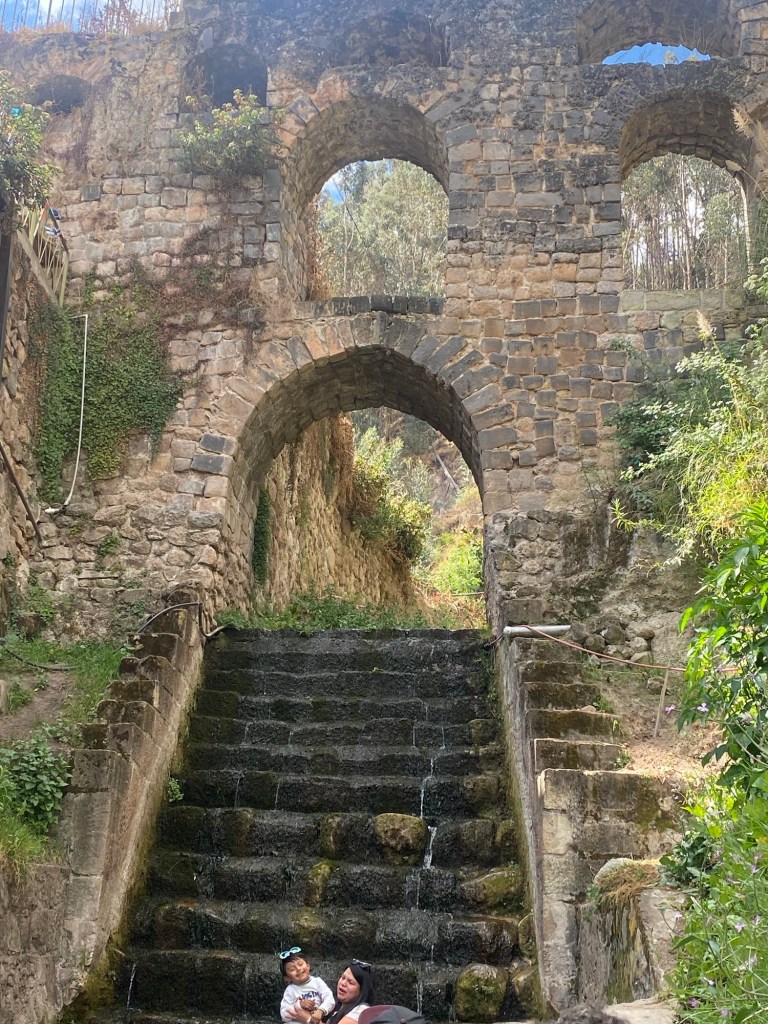
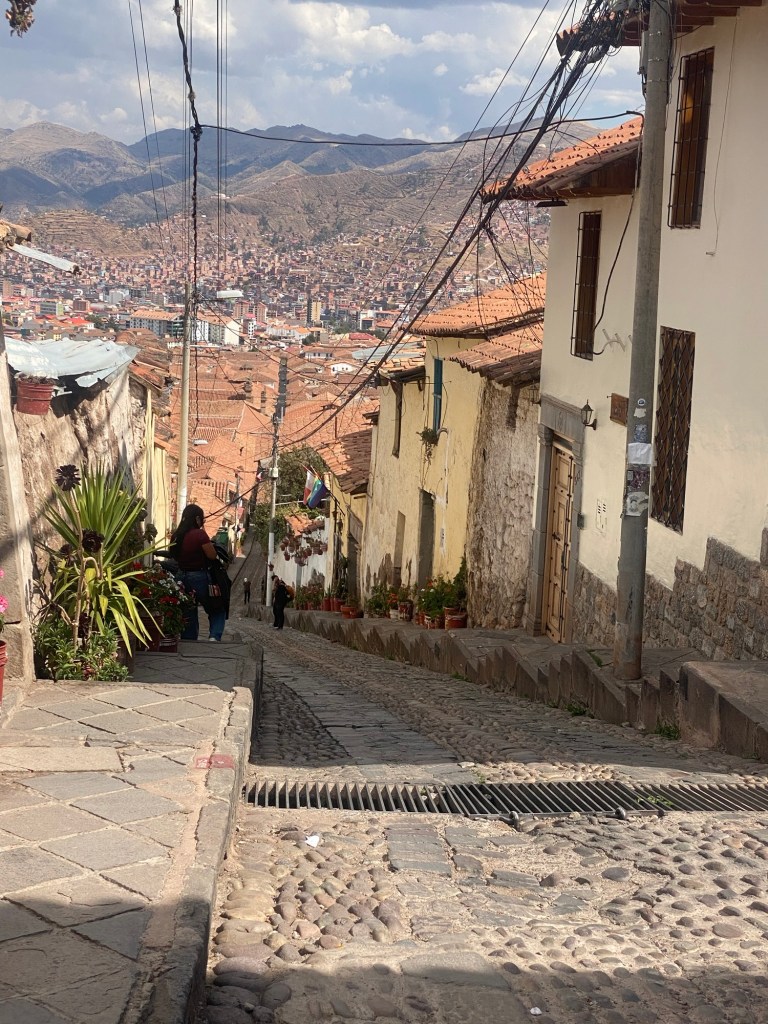
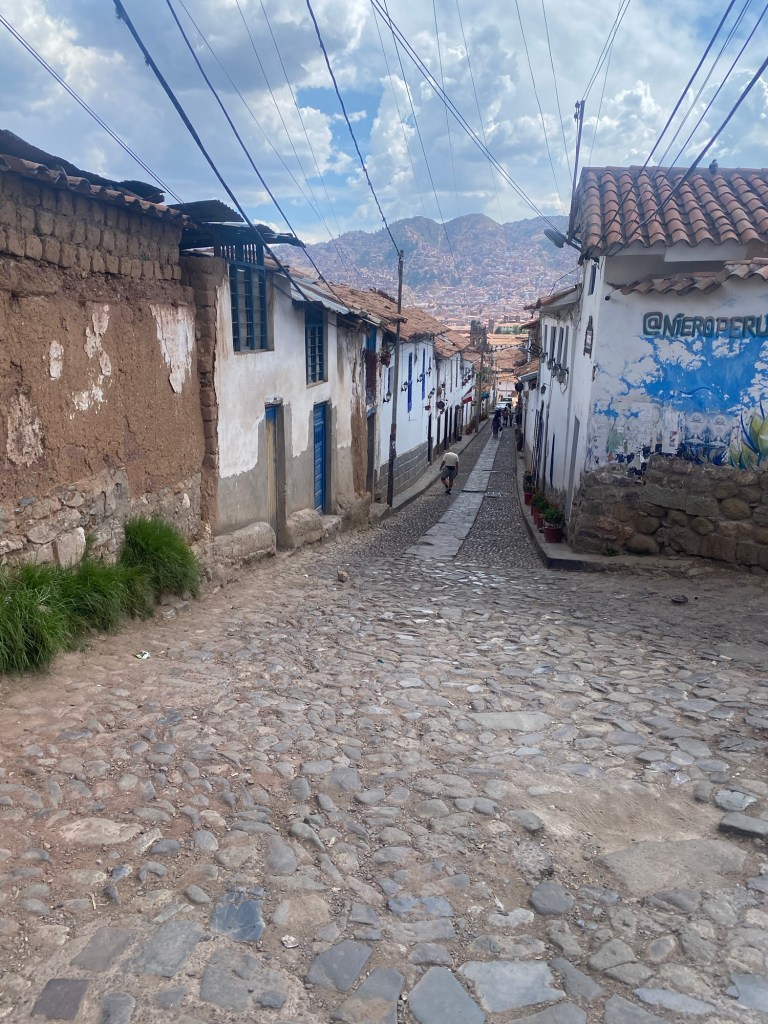
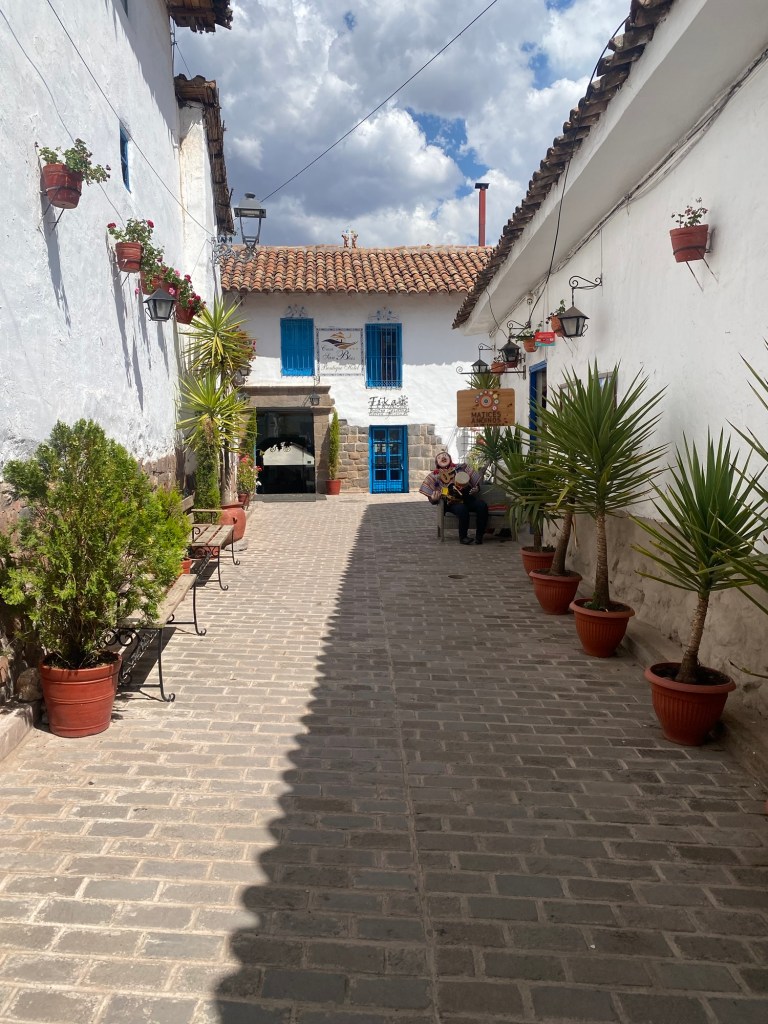
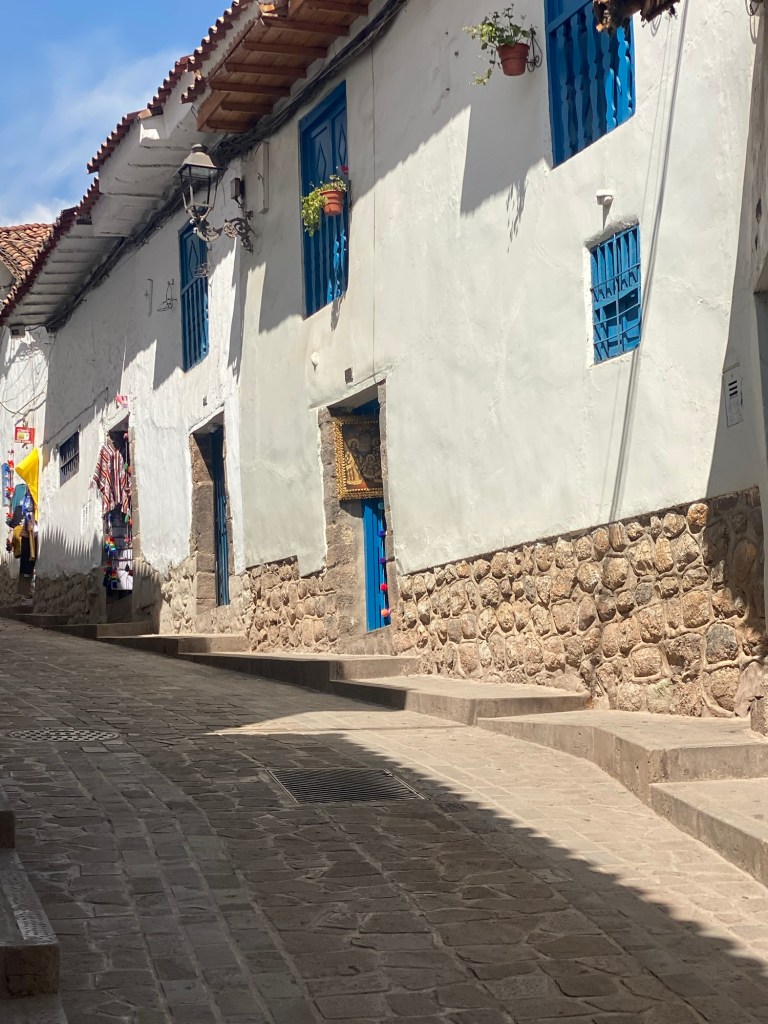
But the bones of the Inca city remain. They can be seen in the narrow streets of the old town center, and the Incan stone foundations that support the colonial buildings that the Spanish put in their place.
The Spaniards largely destroyed the palace of the Incan king and other structures and reused the stones to build Catholic churches. (As an aside, one of the main reasons Machu Picchu is so fascinating is that it is still largely as the Inca left it save for the long-missing thatched roofs. The Spanish never entered that complex and it became overgrown and lost for centuries to all but the locals living nearby.)
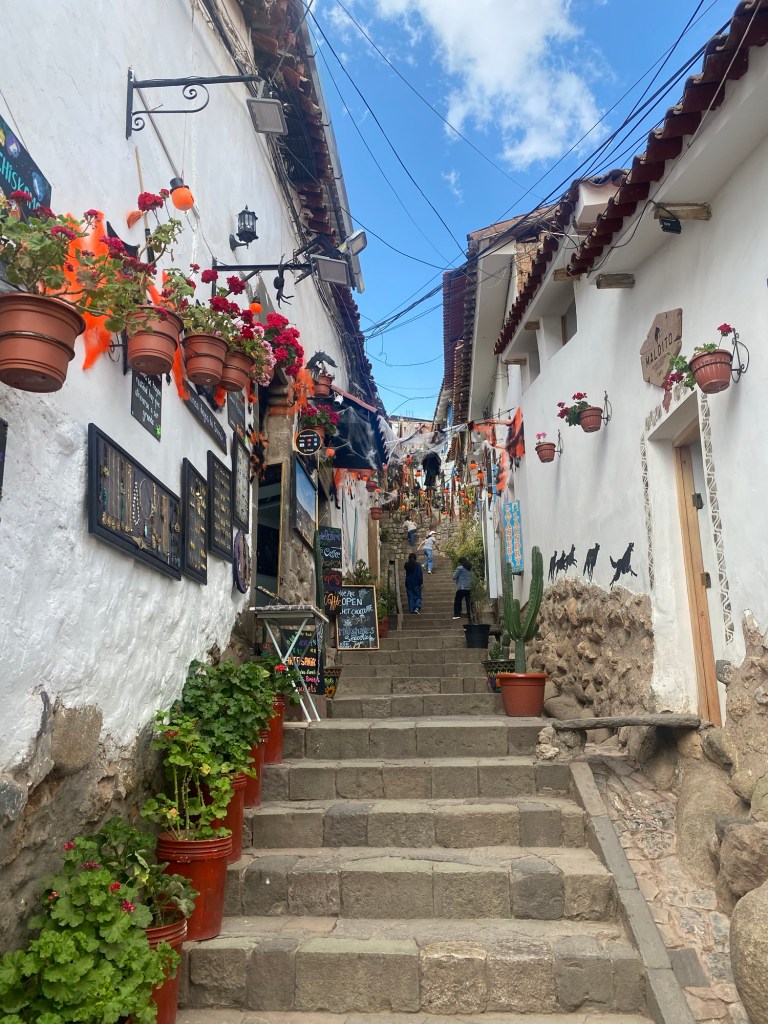
Cusco’s old town center is fairly compact and walkable, once you get used to the elevation. We were generally acclimated after having spent most of this trip in the Andes, but it can still be a bit of an effort to climb some of the steep streets.
We had two half-day tours with our guide from the Sacred Valley, Yvette. Cusco is her hometown. The first tour began with a visit to the fortress of Sacsayhuaman and a nearby statue of Jesus known as Christo Blanco. (The name Sacsayhuaman kind of sounds like “sexy woman” to us, our guide noted.) The huge complex sits on a high point at around 12,000 feet, providing a commanding view of the city and valley below.
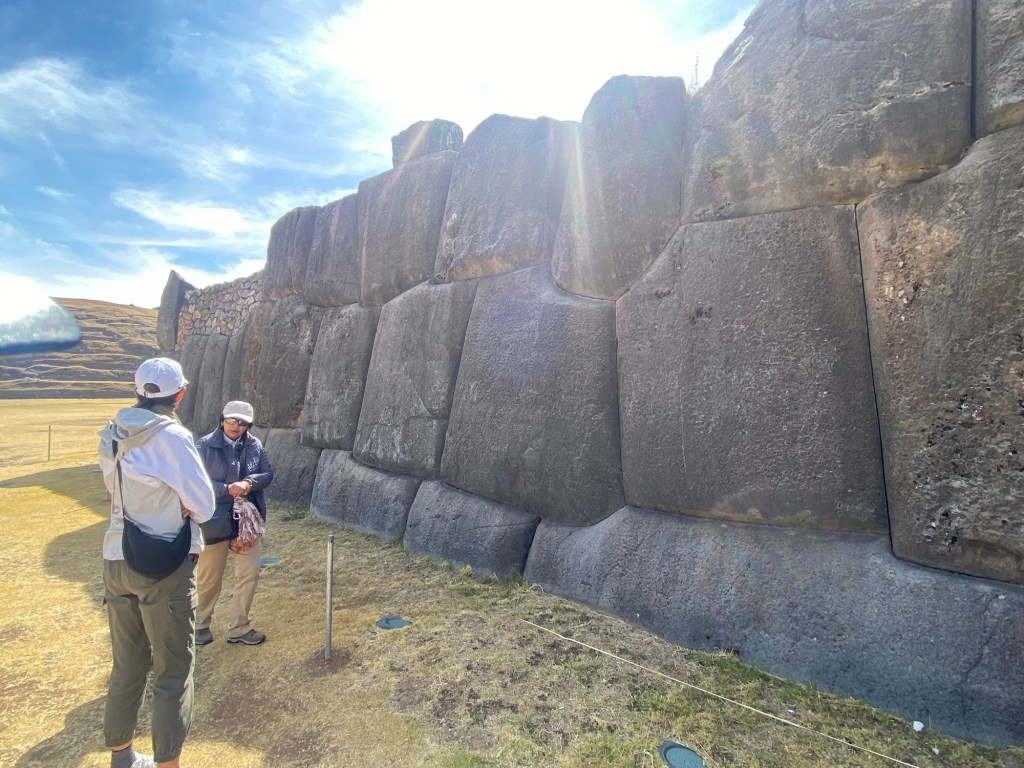
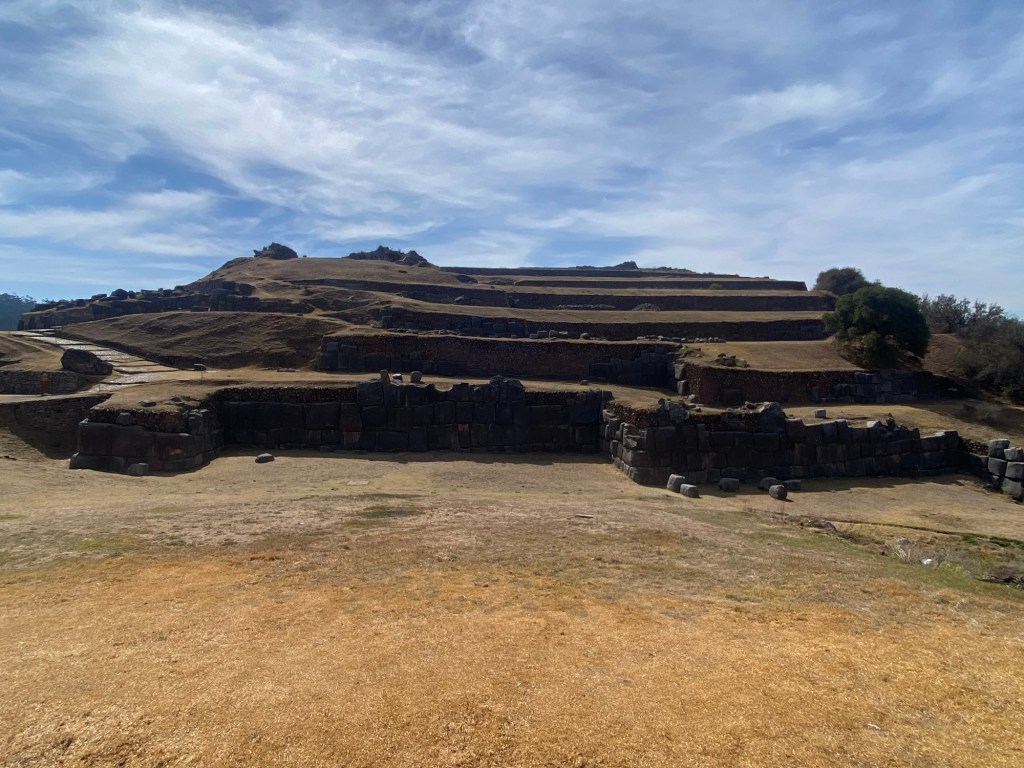
Like other Inca sites we visited, Sacsayhuaman is considered a masterwork of pre-Columbian architecture. The massive stones are so precisely cut and joined together that a single sheet of paper cannot fit between them. It’s another Incan site that the Spanish tore apart to reuse the smaller stones to build their colonial city. Only the largest blocks that formed the foundation of the citadel remain because they were too big to move.
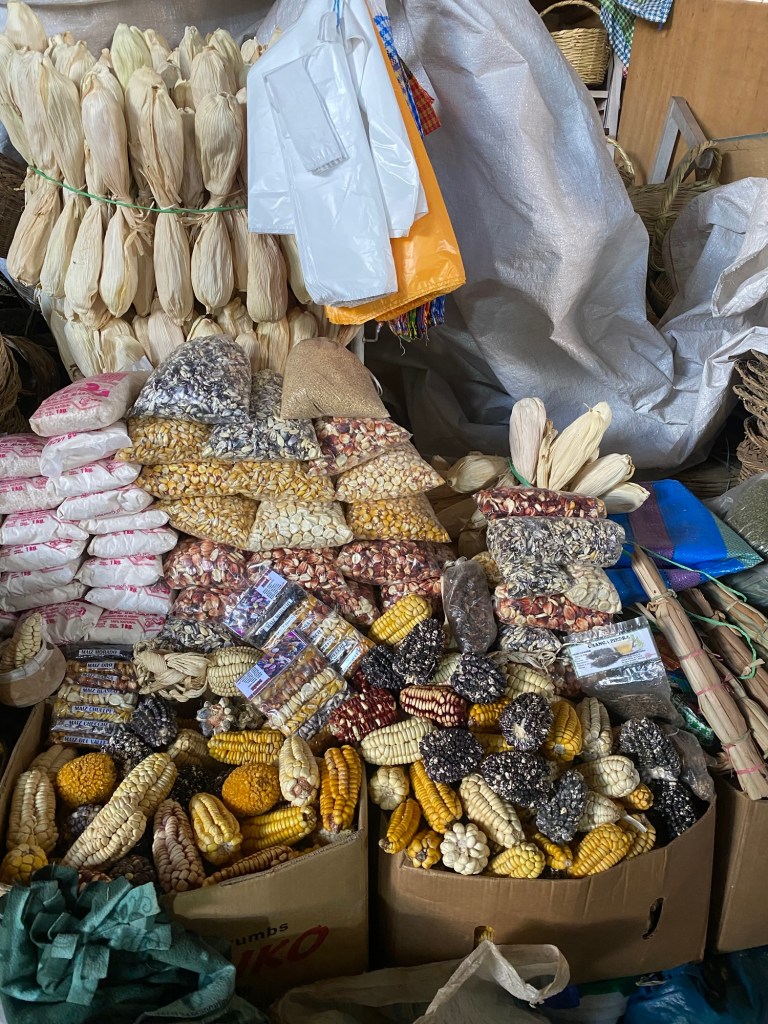
We then returned to the city and took a walk through the San Pedro market. Honestly, we have seen plenty of similar markets elsewhere, so this one didn’t particularly stand out. But market visits seem to be de rigueur for tour operators.
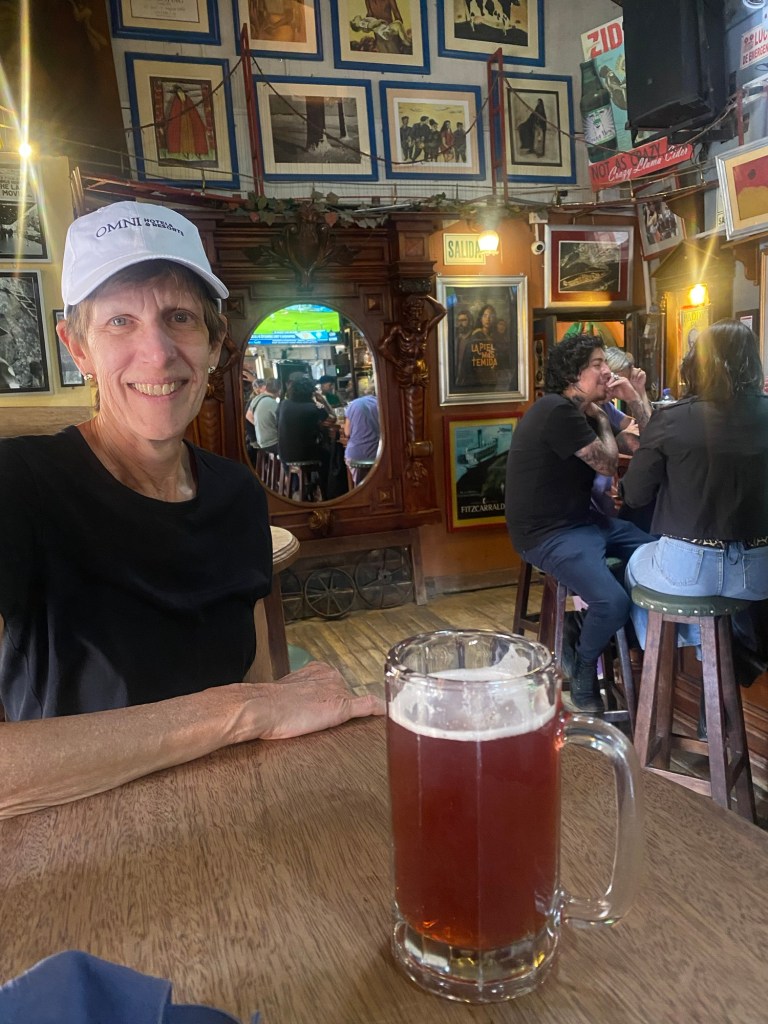
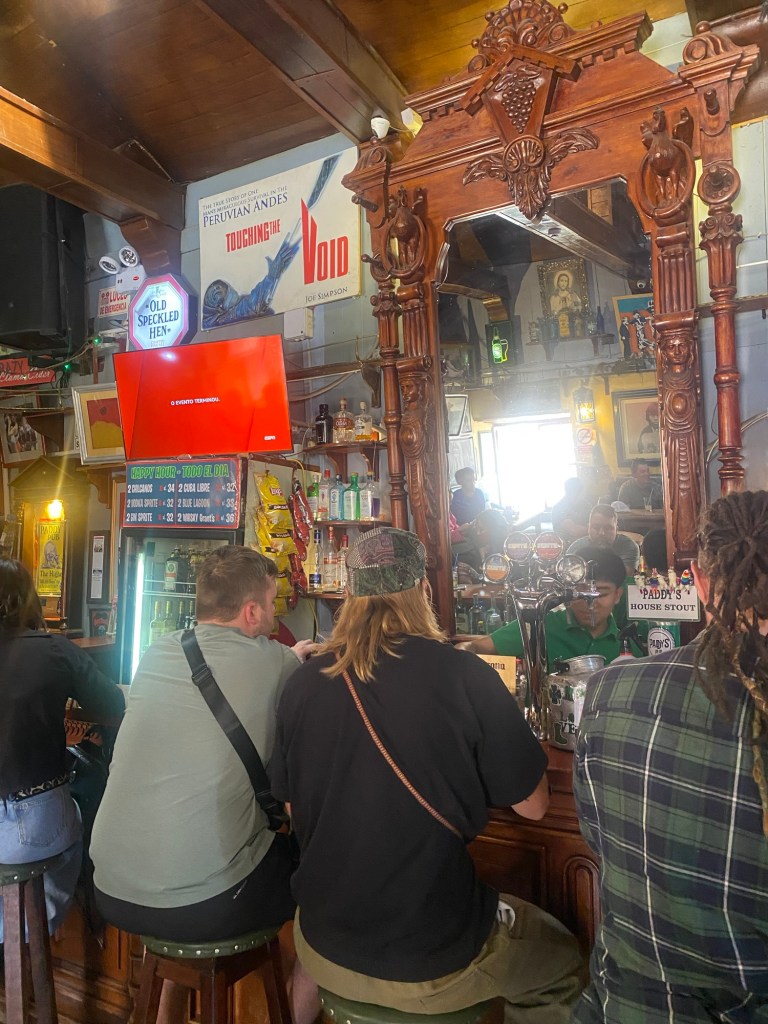
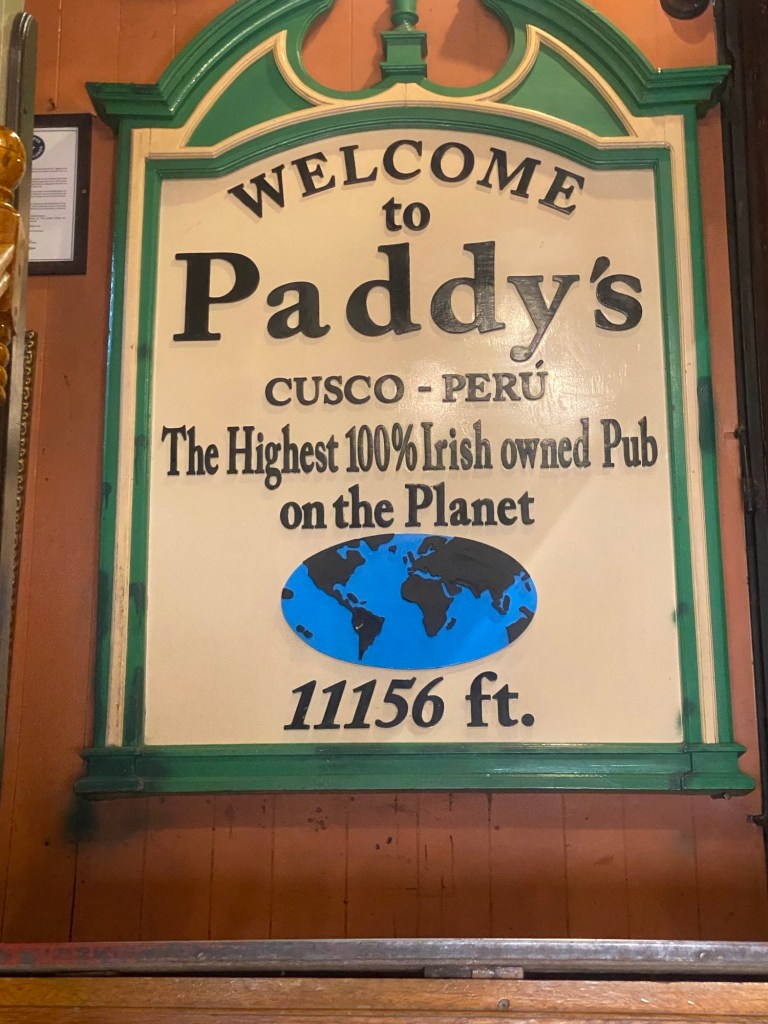
After the tour we popped into Paddy’s Irish Pub for a well-earned beer after the previous efforts in the Sacred Valley. There is an Irish pub just about anywhere it seems. This one claims to be the highest “Irish-owned” pub in the world. The place has been around since 1996 and occupies a corner spot that overlooks the main square. It’s definitely worth a visit.
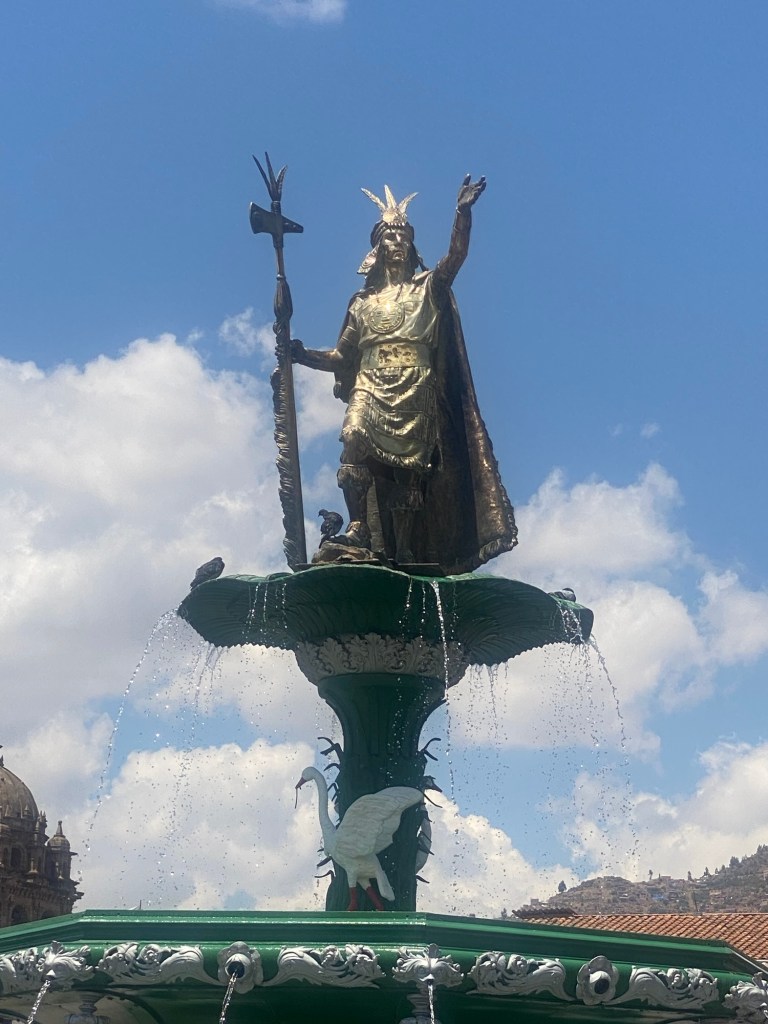
Our second tour the following day was an afternoon walk in the hills above the center city; we walked a complete circuit of the town. The heart of Cusco really isn’t that big. But there are a lot of nice shops, restaurants, hostels and hotels situated above the city. The San Blas neighborhood was particularly interesting.
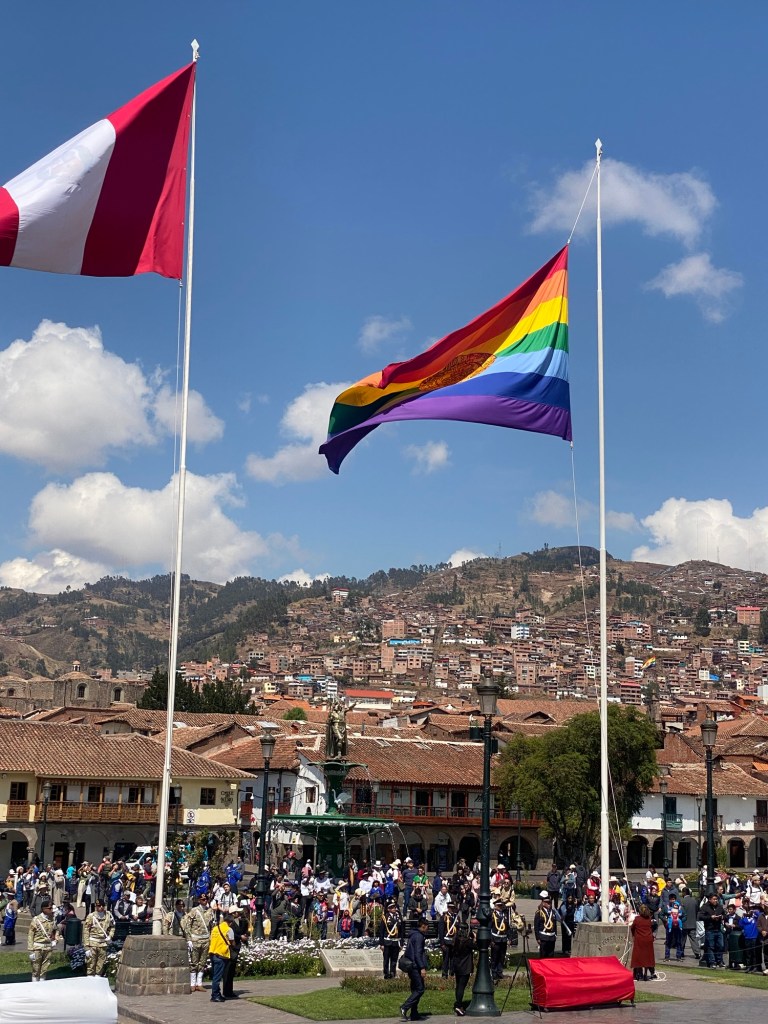
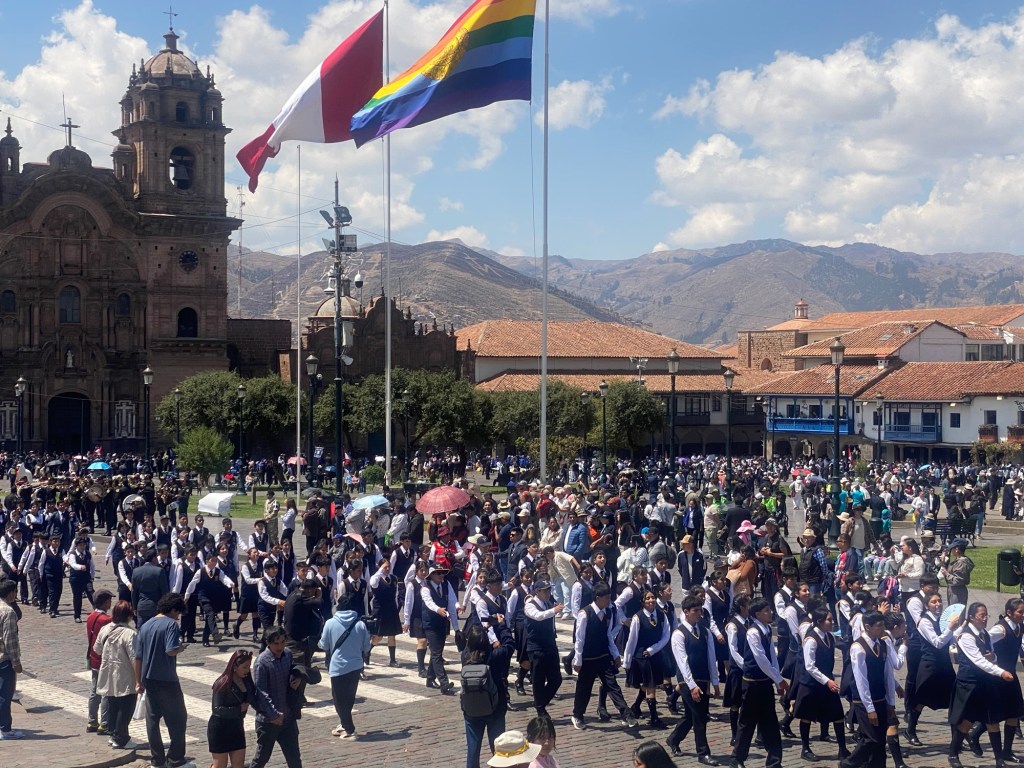
Our second day in Cusco was a Sunday and preceding our walk we wandered to the town square where there was a parade that featured various local dignitaries, school groups, and the military. Something similar evidently happens most weekends, especially in October when there are number of religious ceremonies.
Finally, a few comments about food. It might be surprising to some to learn that Lima has the reputation as one of the world’s top restaurant cities, but Cusco is no slouch. We had two very good dinners in the city. The first was a place called Pachapapa that features traditional Peruvian fare. (It’s very meat-centric.) The name is actually a play on the word pachamama, which is a Quechua word meaning Mother Earth. Quechua is the Inca language still spoken widely in the mountain regions of Peru. For many people it is their first and sometimes only language.
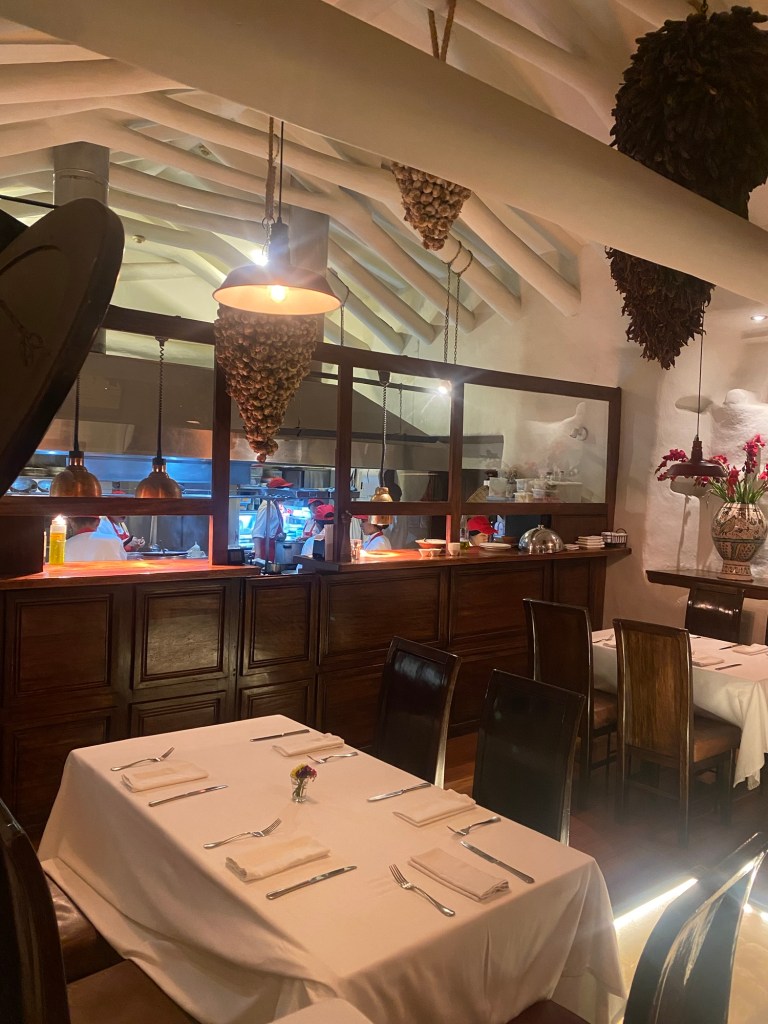
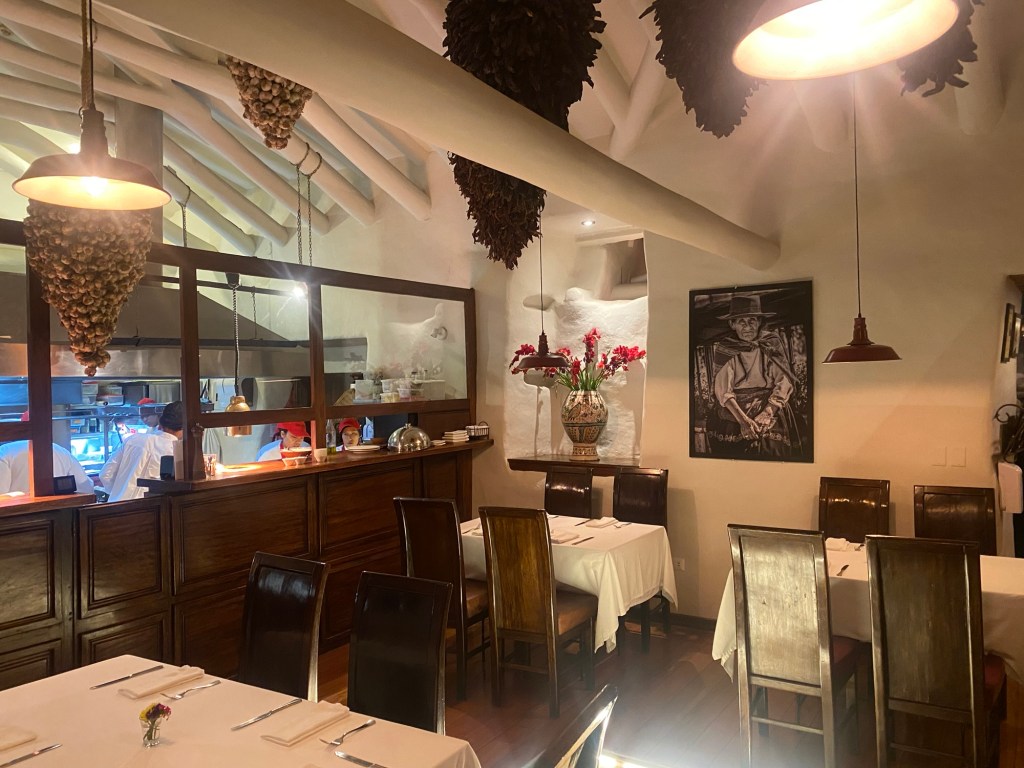
Our second visit was to a restaurant called Cicciolina. It was Italian-oriented, though not a straightforward Italian joint like we are used to. But the food was excellent, and best of all it was just steps from our hotel. Overall, we thoroughly enjoyed Cusco and really our entire visit. Peru truly overdelivered.


The two of you make a fantastic story about the places you visit. I enjoy visiting the sites with you as my guide. Safe travels back home.
LikeLiked by 1 person