When we first decided to make this trip, I casually threw out to Pat that we would be near Verdun and that I thought it would be an interesting place to visit. Interesting is too soft a word to describe the experience. Sobering is more accurate. Mind-boggling is another when you learn about the level of violence that happened in the First World War.
As the consummate planner that she is, Pat quickly found and booked time with a local tour guide, Vincent Jacquot. (Reachable at Mirabelle Tours.) It was then I realized that all I really knew about Verdun was that it was a huge battle in WWI. So we found an old book about the battle at our local library so I could bone up on the topic. (I read The Price of Glory by British historian Alistair Horne. Published in 1962.)
What I didn’t consider beforehand, and was reminded of as part of Vincent’s excellent tour, is that we were also near the launching point for the Meuse-Argonne offensive, which was the final push by the allied armies to defeat Germany in the fall of 1918. It involved the combined forces of the American Expeditionary Force led by General John J. Pershing and the French Army. More than one million Americans participated in the battle, of which 26,000 died in combat. There were another 120,000 casualties.
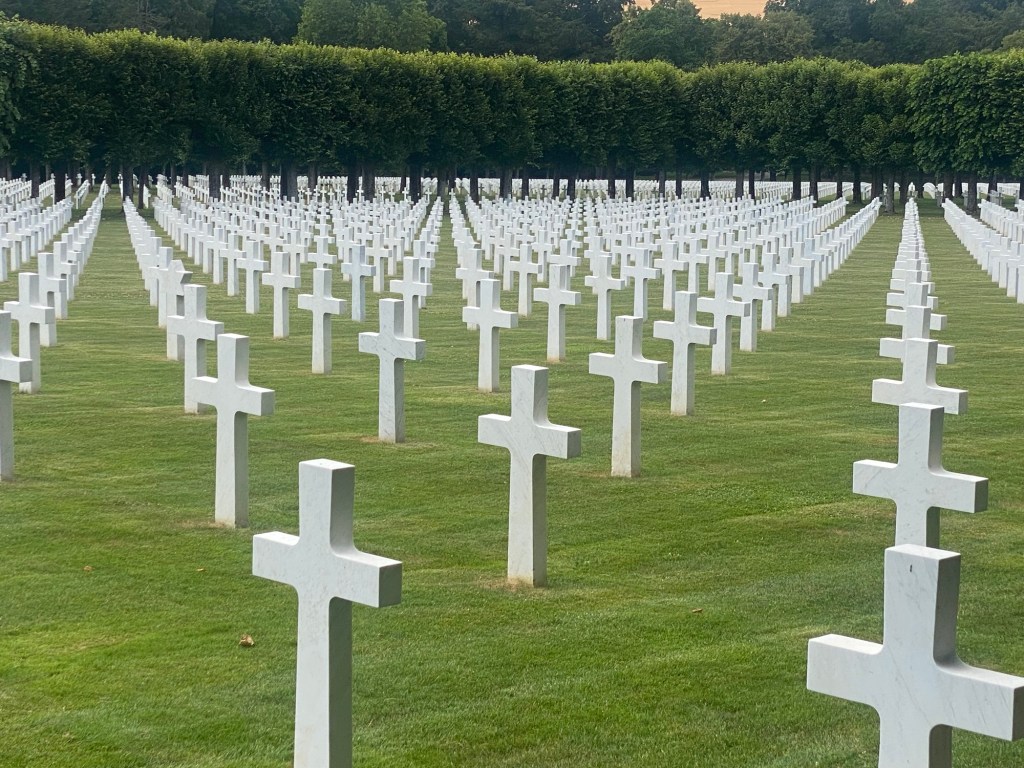
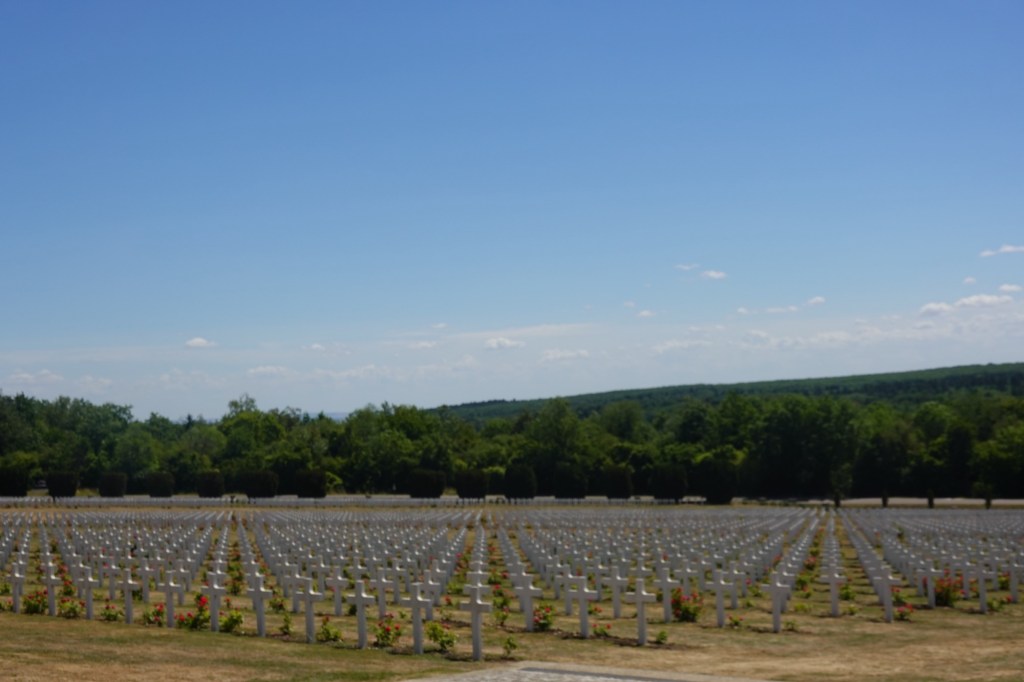
Of those killed, 14,246 are at rest at the Meuse-Argonne American Cemetery and Memorial, located next to the village of Romagne-sous-Montfaucon, about 26 miles from Verdun. It is the largest number of American military at rest in Europe. Yes, larger than the American cemetery in Normandy, which we visited in March 2018. I’ll have more to say about visiting Meuse-Argonne later, but the opening image gives you some idea of the scale of the cemetery.
We traveled to the region via train from what was our home base for five days, the city of Nancy (pronounced “non cee”), getting off at Meuse. It’s a small train stop that is basically in the middle of nowhere. Much of northeastern France, known as the Grand Est, has long been a rural area and remains so today.
Upon arrival Vincent told us that he had been contacted by another American the night before about a tour and asked if we would mind if he joined. We said no problem and Nick, the young guy that joined, was a good addition. From a practical standpoint his presence cut the cost as Vincent just divided up his day rate appropriately. (I can’t help but think that if we were in the U.S. the operator would have simply padded the bill.) More interesting, however, is that Nick’s great grandfather had served in the Argonne-Meuse campaign and his questions added greatly to the tour.
Vincent is a military historian who was born and raised in Verdun, so WWI, as he related, is in his DNA. He was able to confirm for Nick that his great grandfather had definitely taken part in the Muese-Argonne campaign, pointing out later in our day-long tour the spot where his unit likely began its offensive. He also helped confirm Nick’s family lore that his ancestor stayed employed during the Great Depression because he knew Harry Truman. In fact, the future president was a captain in the same division. Stuff like that is hard to dream up, and it’s one of the things that makes travel so rewarding.
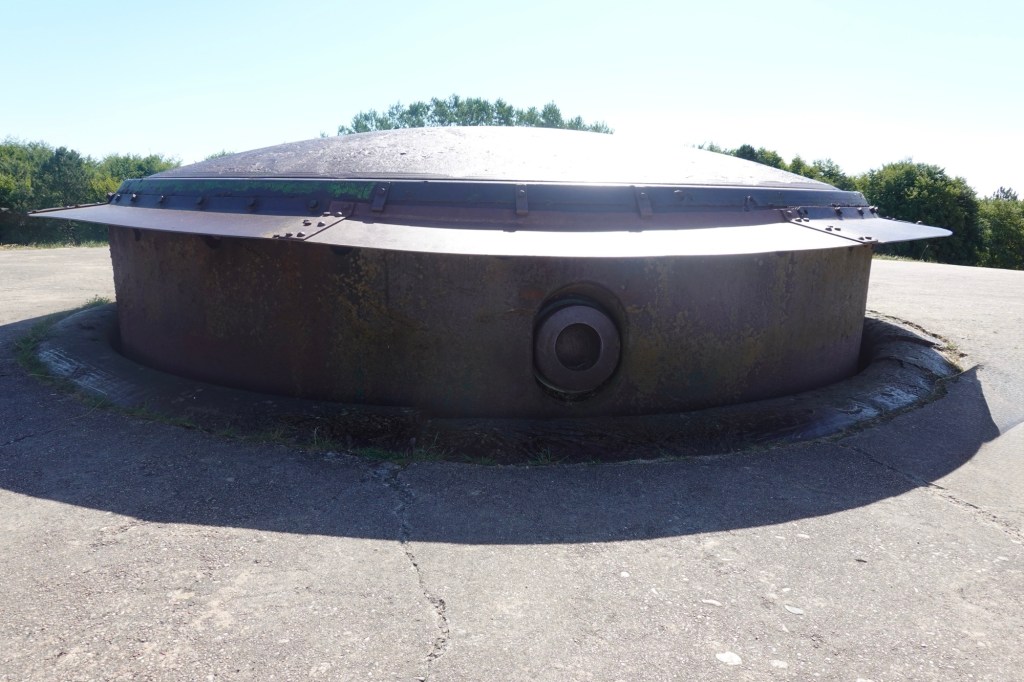
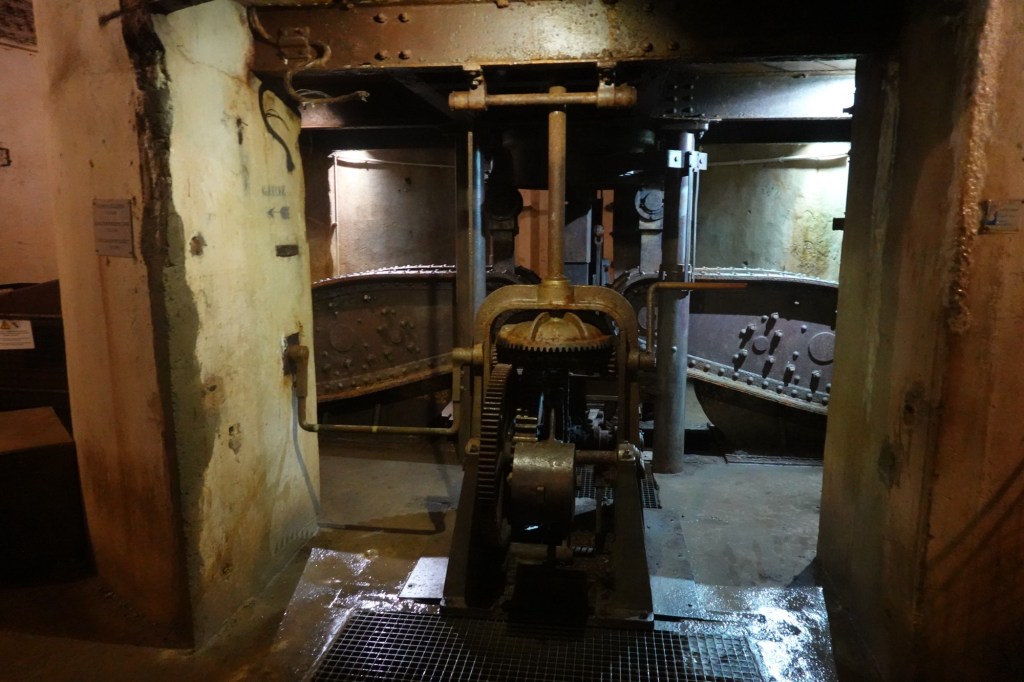
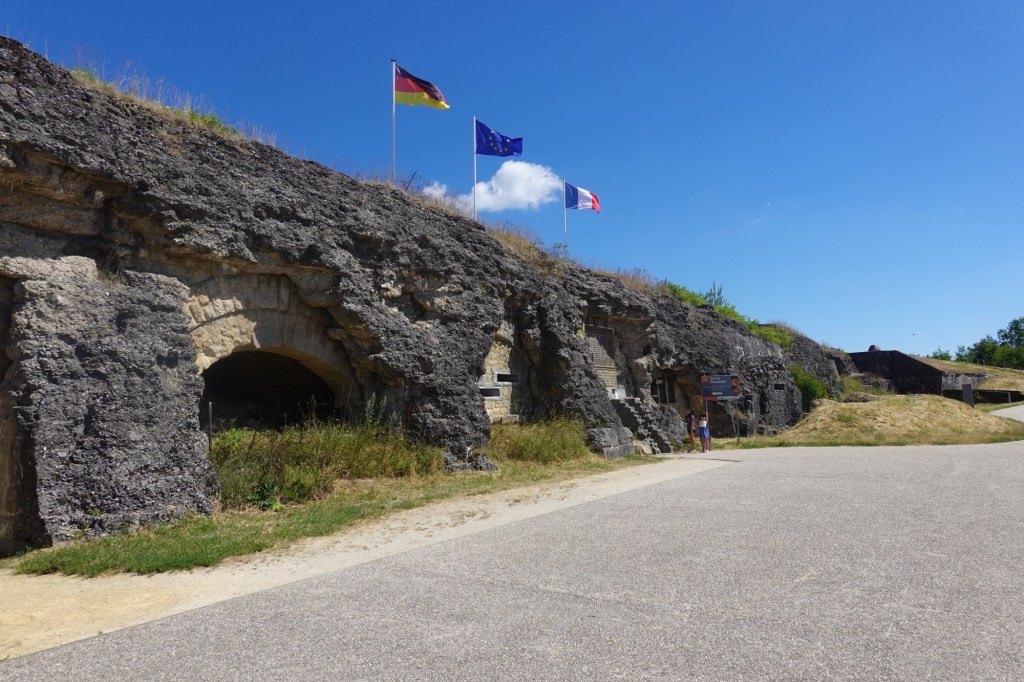
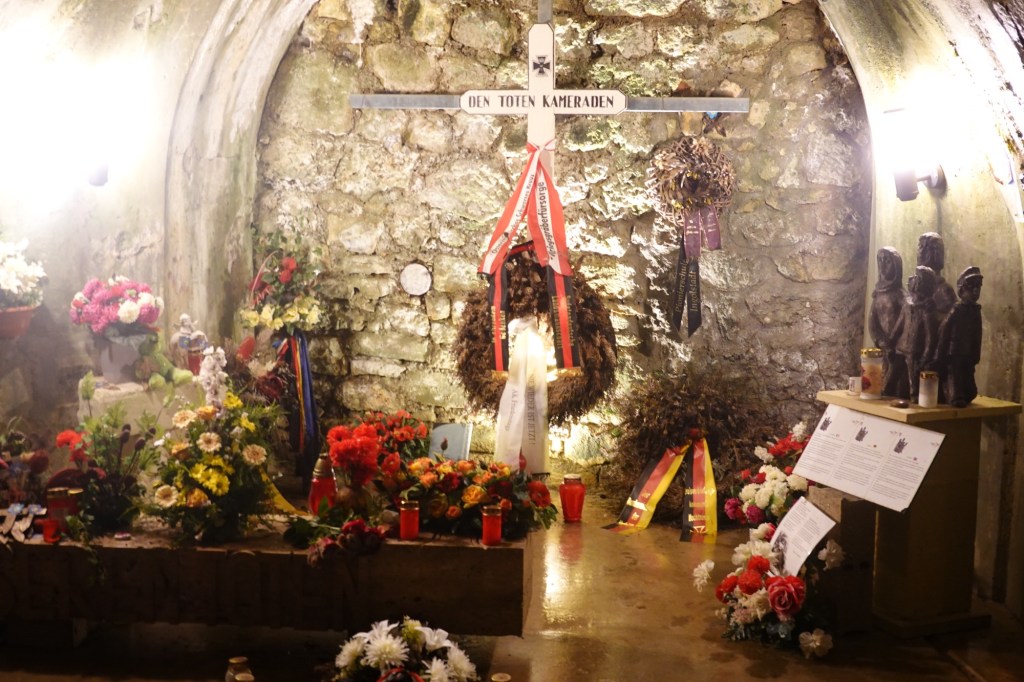
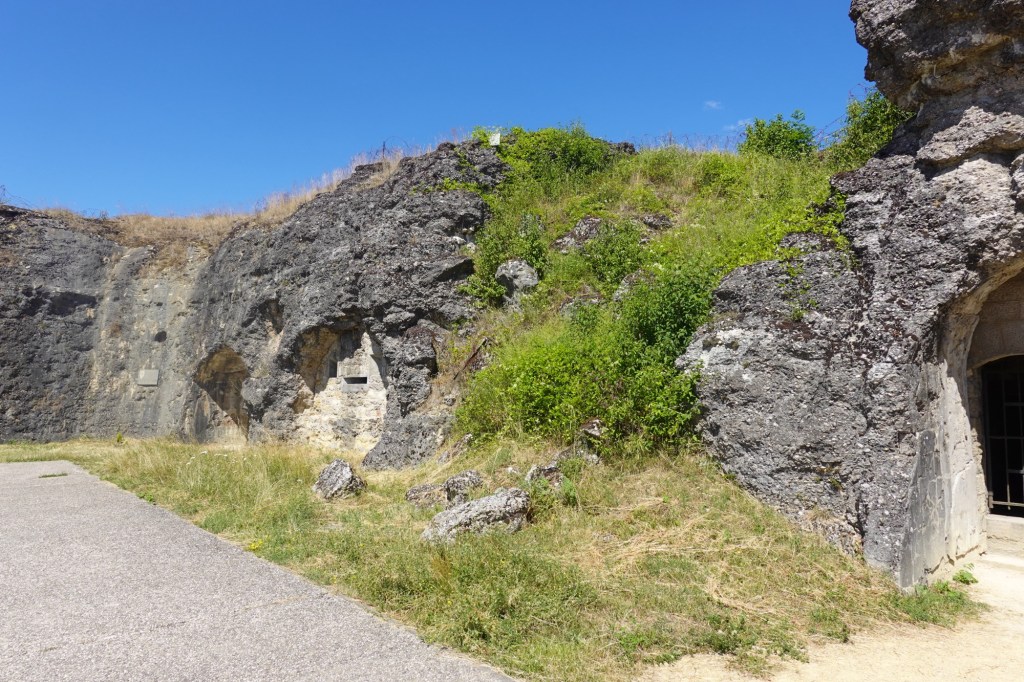
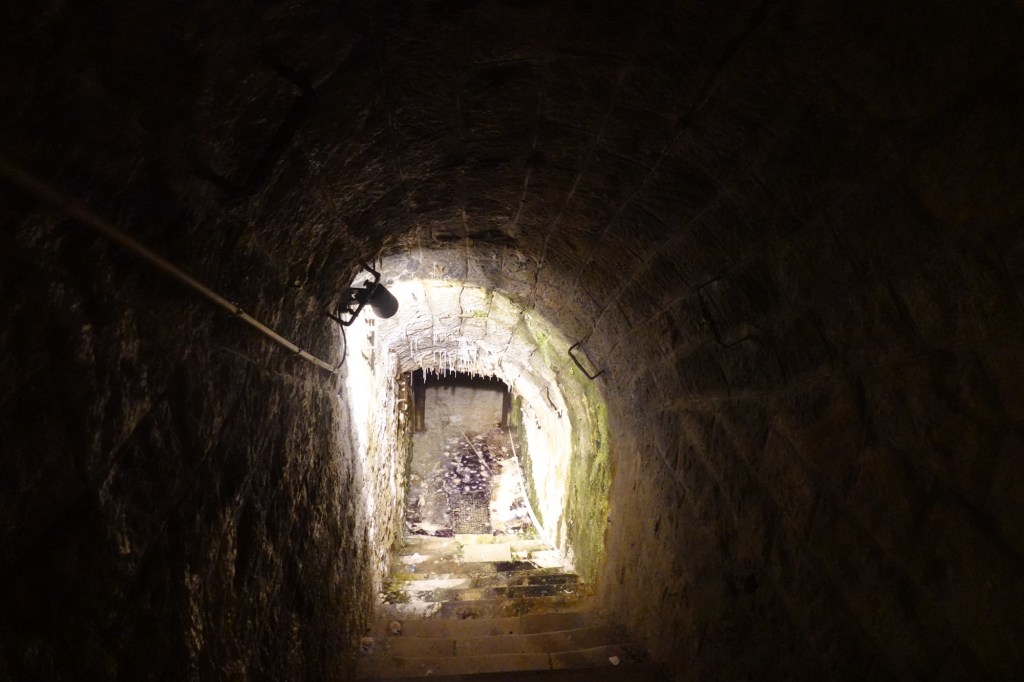
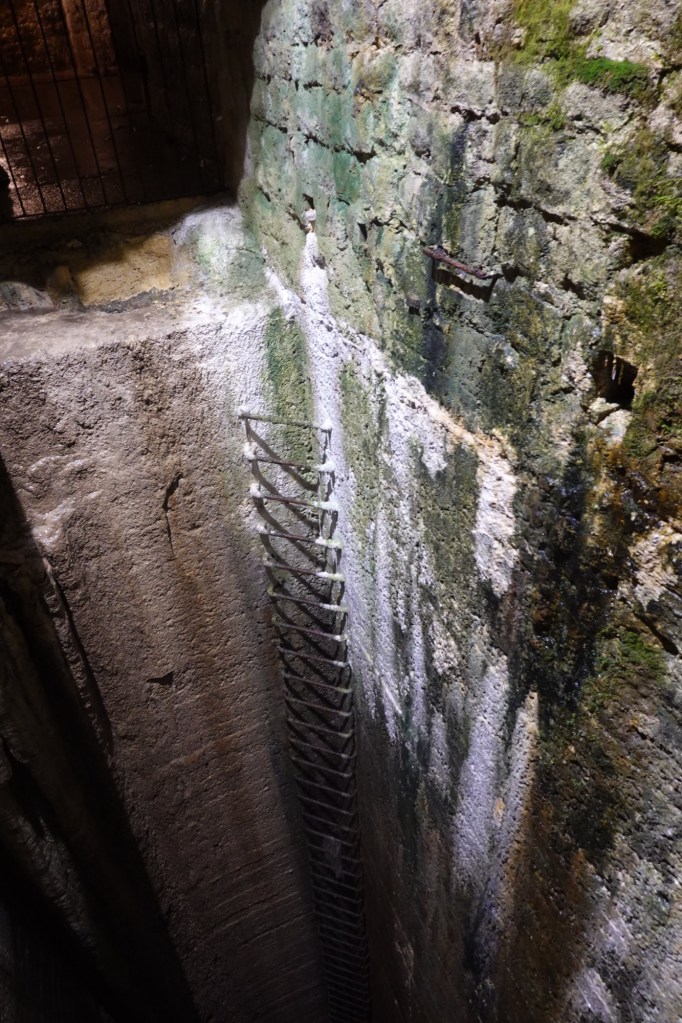
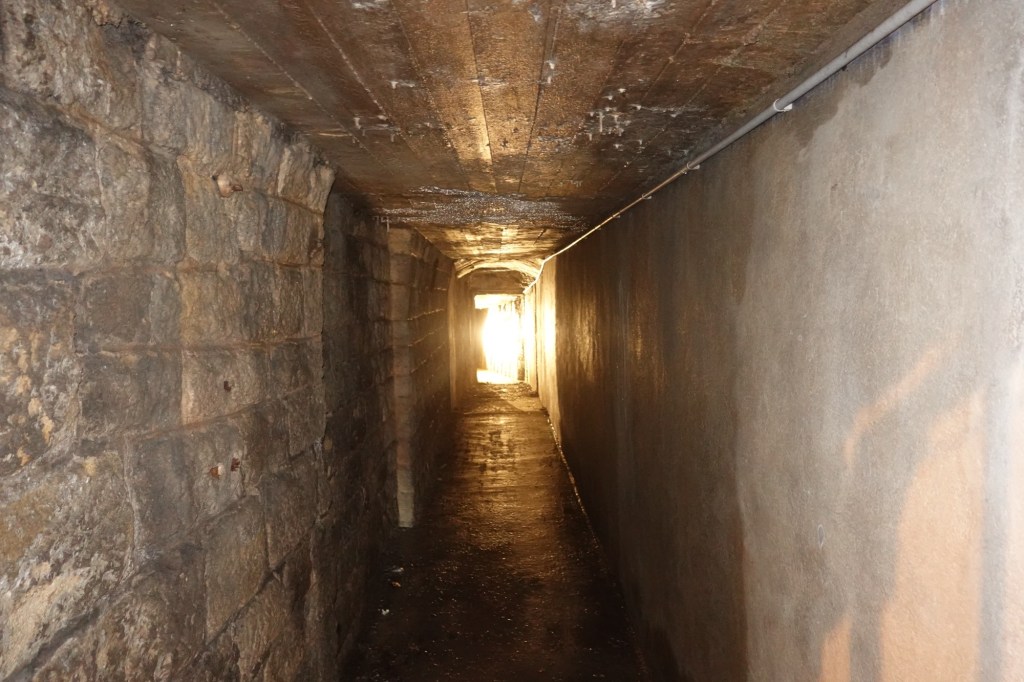
We started our day at the Verdun battlefield, visiting the remains of the Douaumont fortress. The battle around Verdun was waged by German and French soldiers and lasted 10 months in 2016. It was the longest single battle of the war and at the end, after casualties of roughly 350,000 to 400,000 soldiers on each side, little was accomplished. The German offensive failed to capture Verdun. The battle holds a place in French history that is akin to Gettysburg for Americans.
But Verdun didn’t involve the trench warfare that we normally associate with WWI. Rather, it was largely an artillery battle. Those soldiers that weren’t blown to pieces (literally) by shelling or mowed down by machine gun fire often were engaged in close-quarter, almost hand-to-hand combat, crawling through the mud from shell hole to shell hole in an attempt to capture or recapture territory.
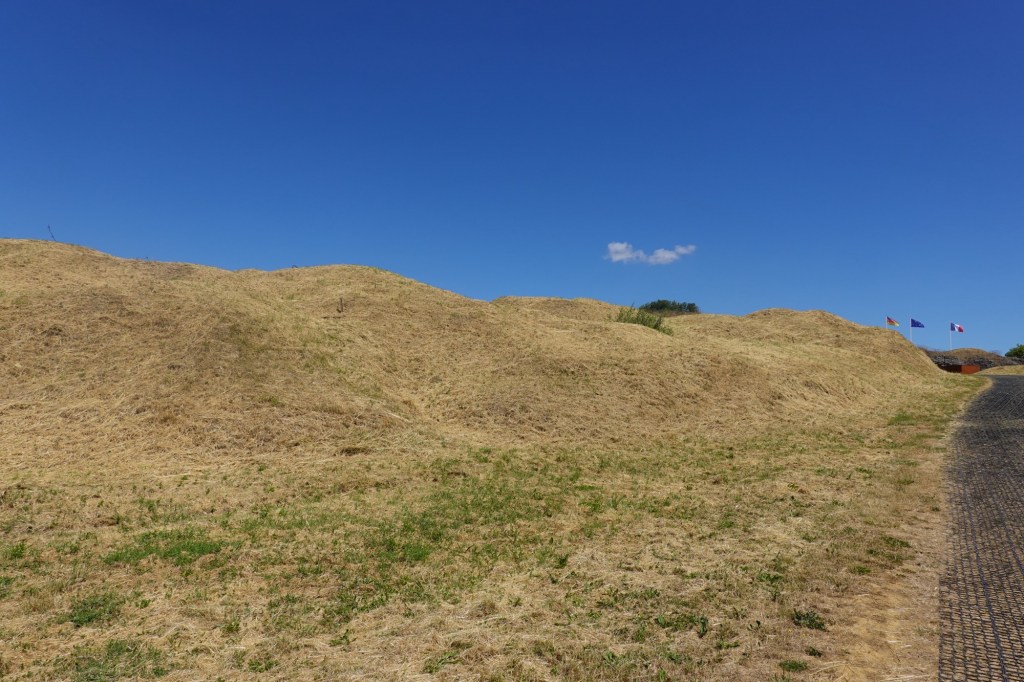
You can still see the impact of the constant shelling in the contours of the ground. There are a lot of trees around Douaumont now, but it was largely treeless when WWI started. The current trees keep people from wandering into areas where they might still find unexploded ordinance, or human bones, to this day. There are places where entire villages were destroyed and never rebuilt. It’s pretty astounding.
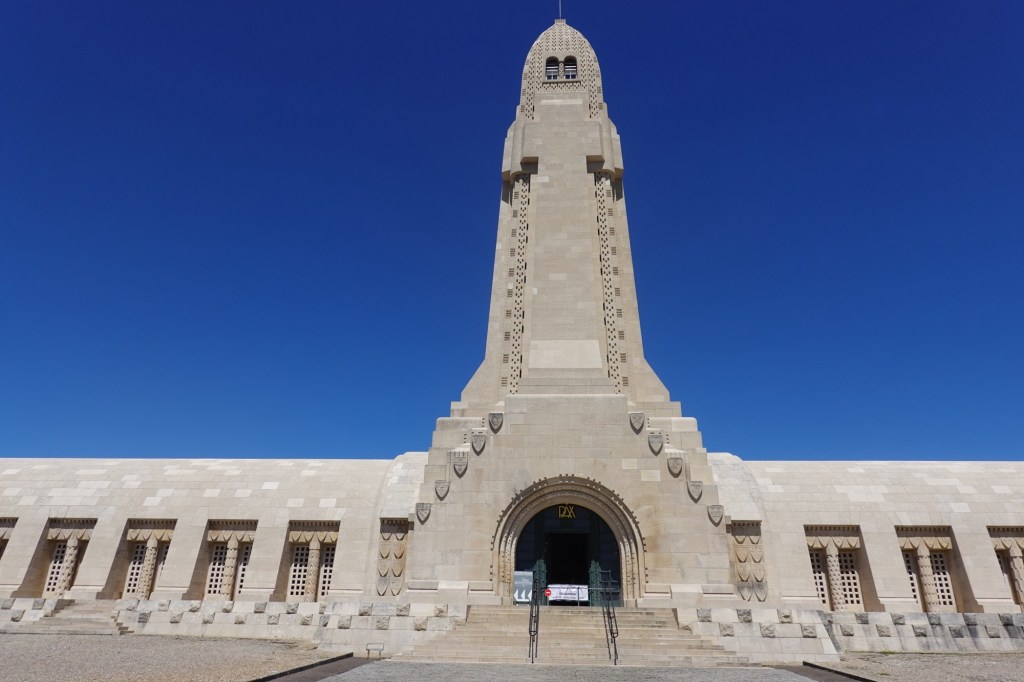
Next we visited the Douaumont Ossuary, a memorial to French soldiers who died at Verdun. Ossuary by definition is something that holds bones, and that is the case here. There are countless skeletal remains housed at the Ossuary (you can look through windows and see them) that were collected after the war ended. Those bones are certainly a mix of both German and French dead.
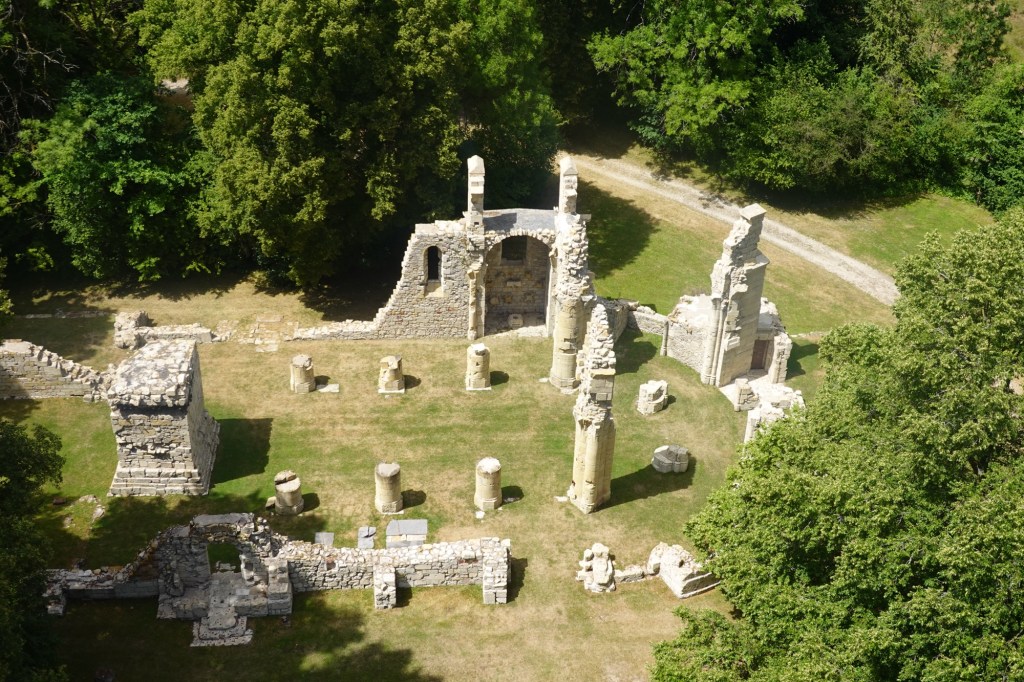
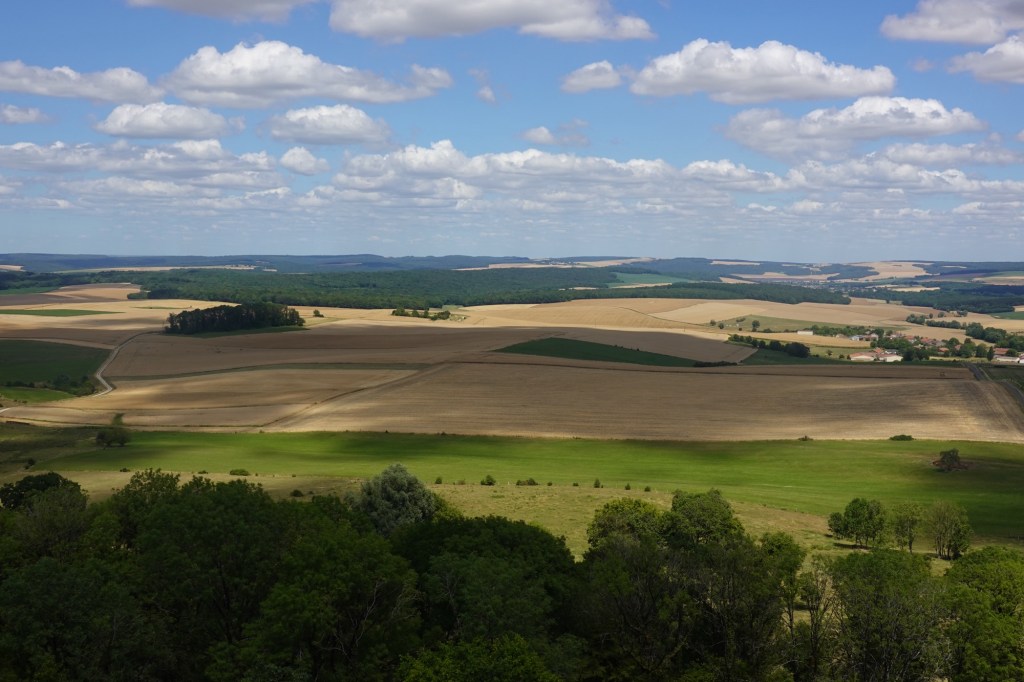
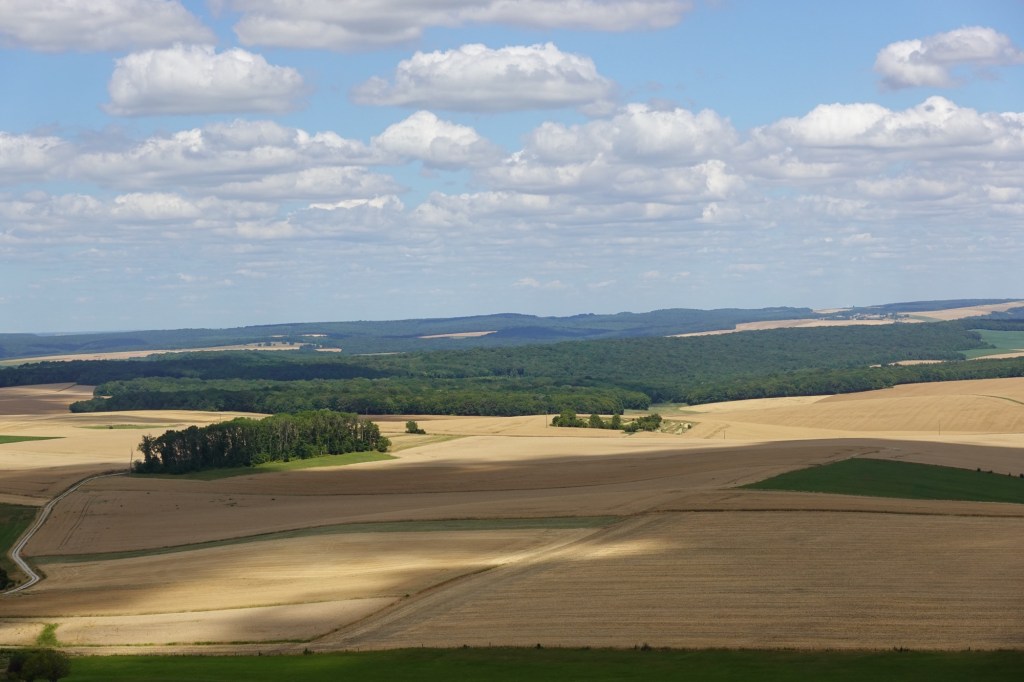
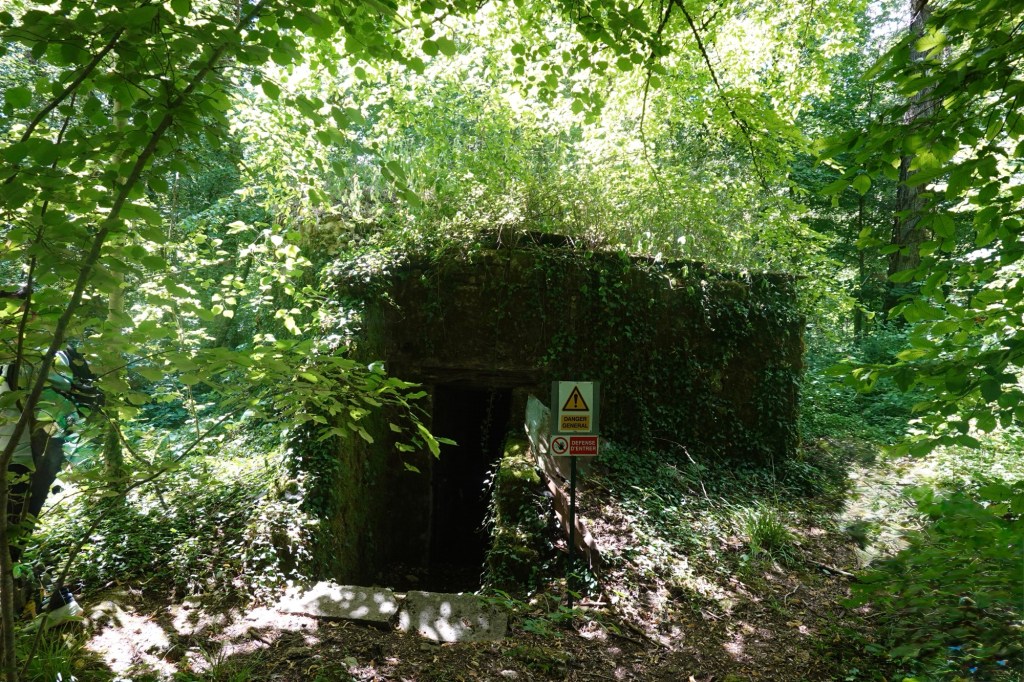
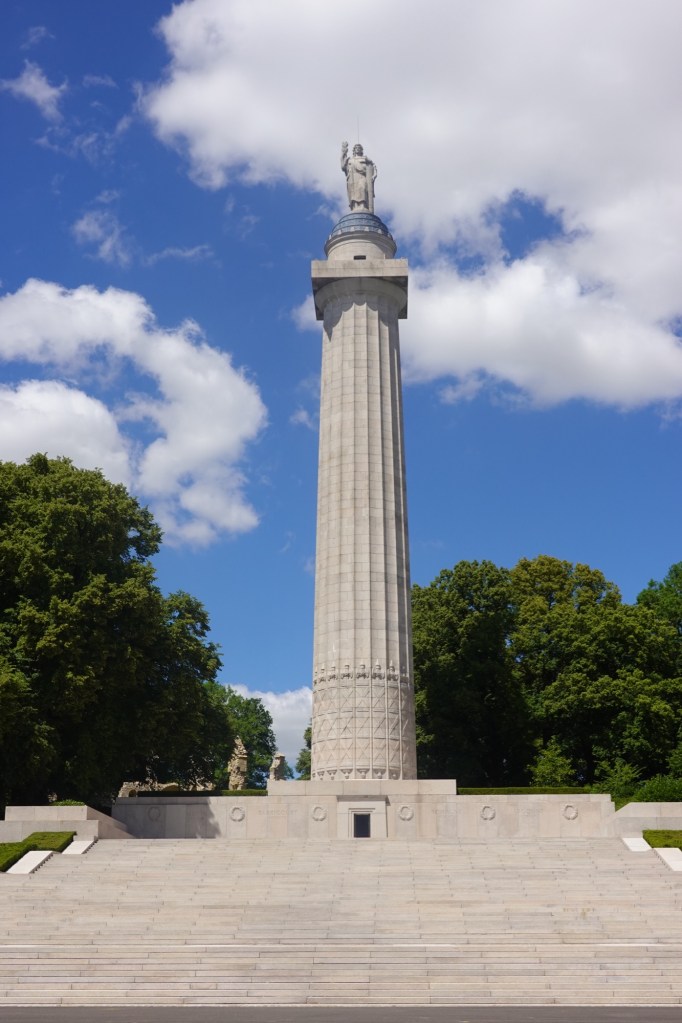
After lunch it was off to the sites that involved the American military in WWI. Our first stop was a monument at Montfaucon d’Argonne (Meuse) about 20 miles west of Verdun. I climbed to the top for views of what was a battlefield during the war, but is now largely bucolic farmland save for the remains of a destroyed church next to the monument.
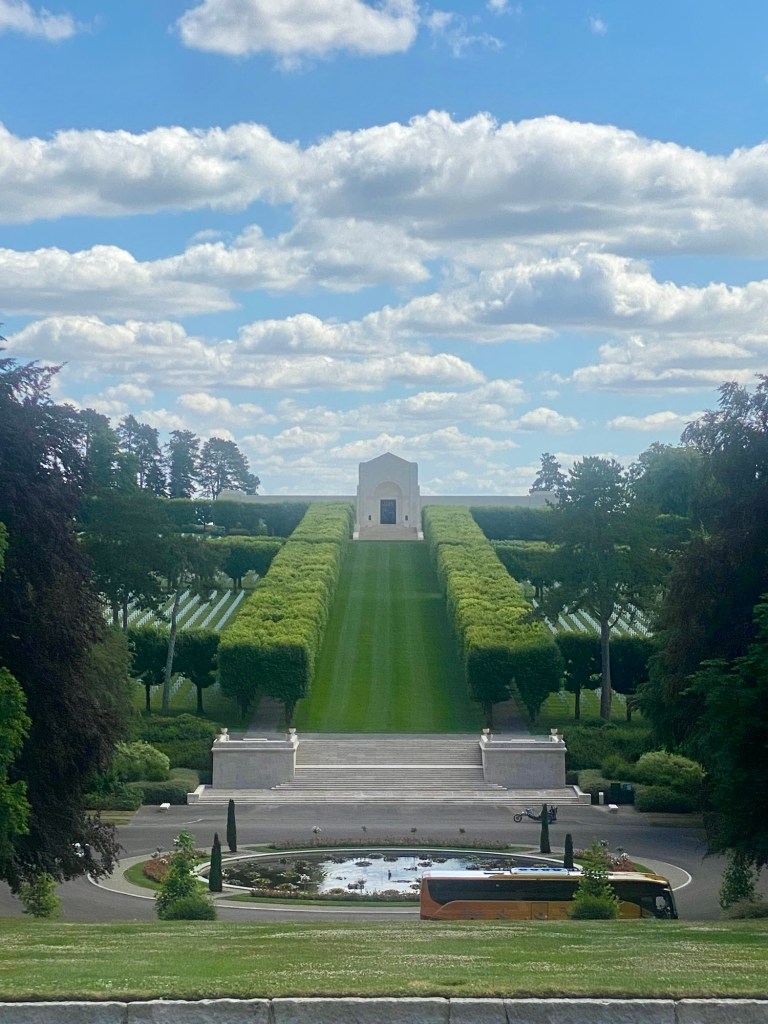
Next we were off to the Meuse-Argonne cemetery mentioned above. It’s interesting that the cemetery in Normandy attracts some 2 million visitors per year, whereas Argonne-Meuse only gets about 10,000 annually, many of them schoolchildren from Belgium or Luxembourg on field trips. One such group was there when we visited and participated in the flag-lowering ceremony that takes place everyday at 4:30.
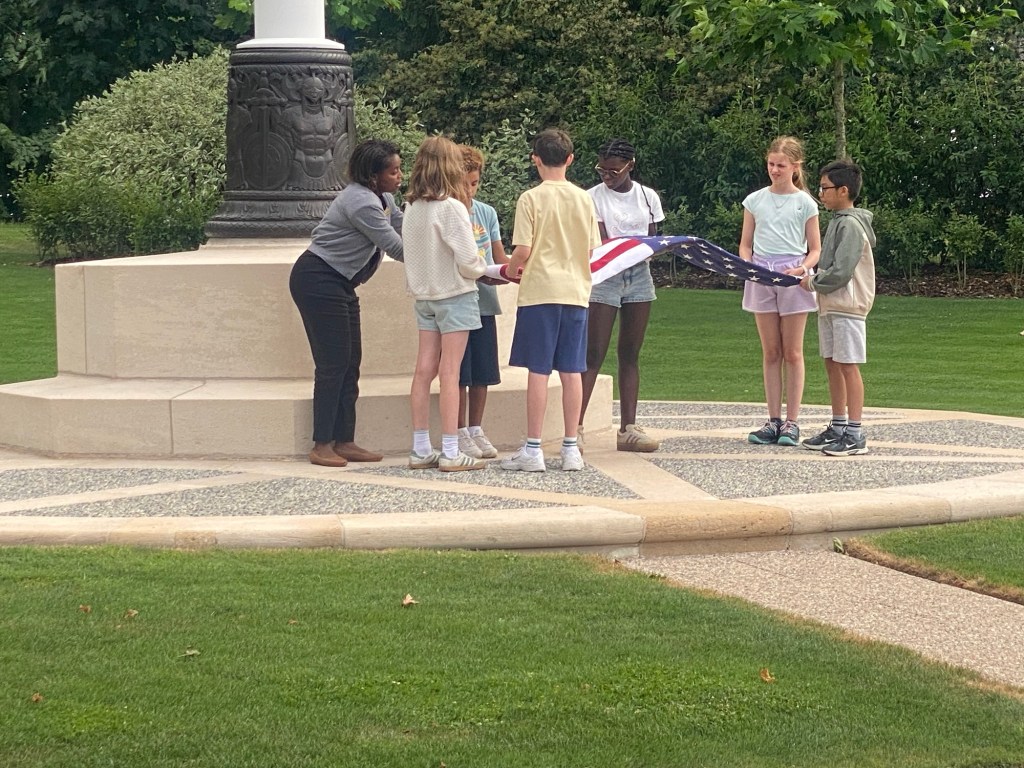
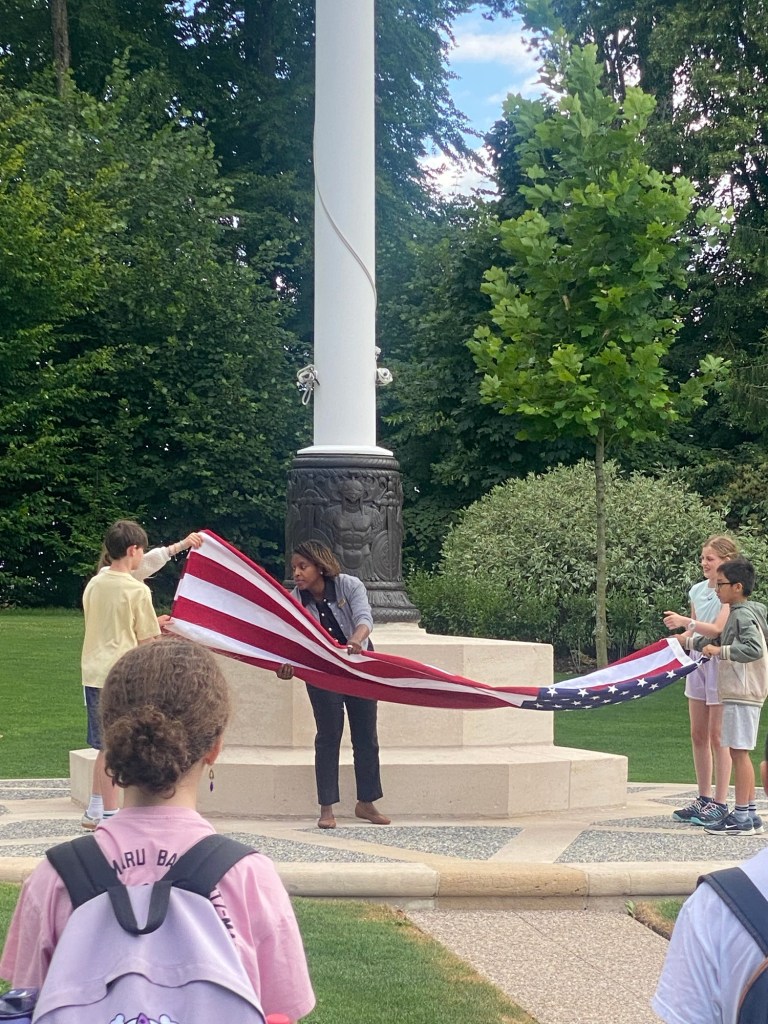
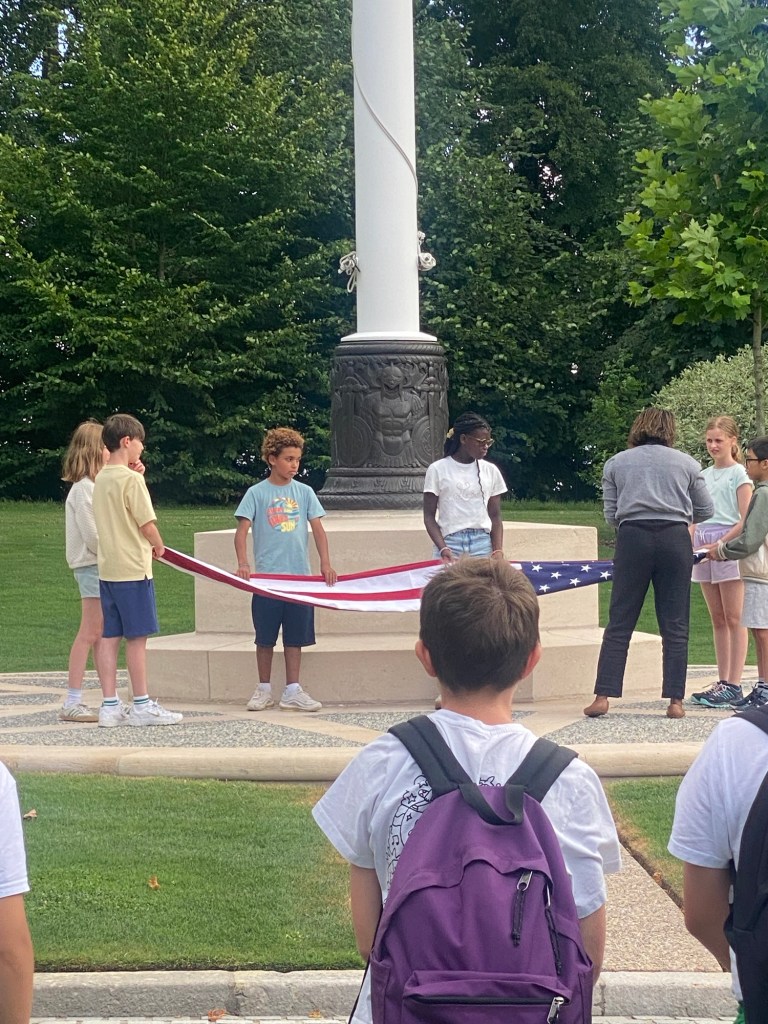
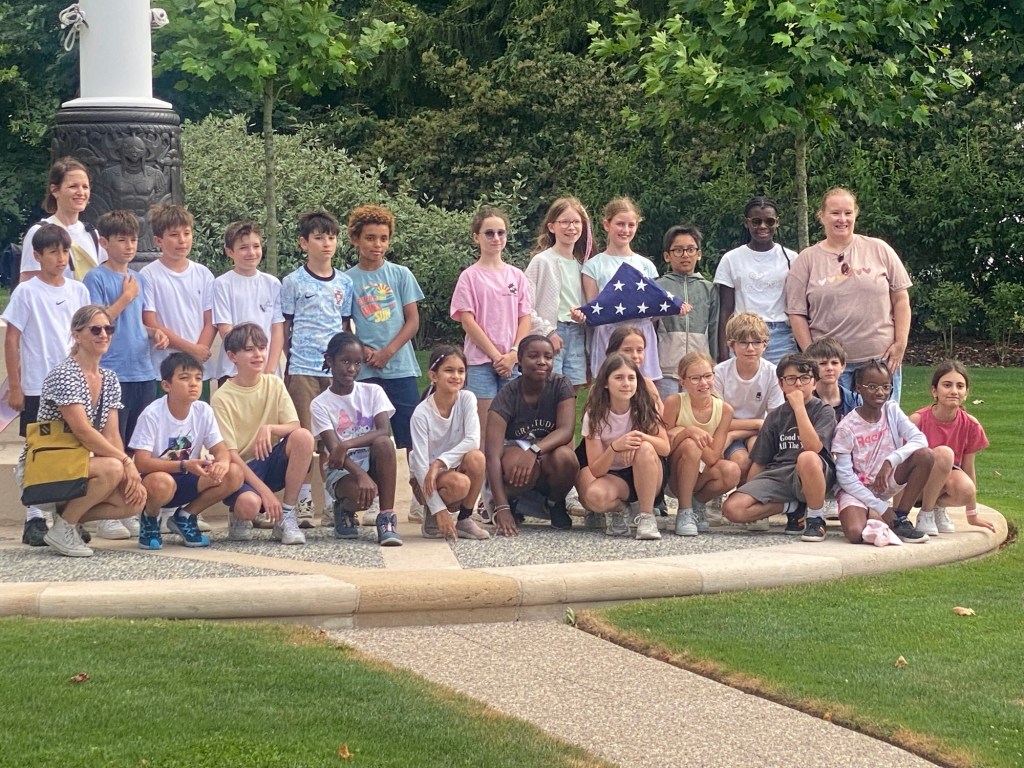
It was a very touching scene. The respect these children showed was heartwarming. They were invited by the American administrator of the cemetery (all of the other workers at the site are French) to help fold the American flag, and there were a number of eager participants. They all posed with the folded flag and their teachers at the end.
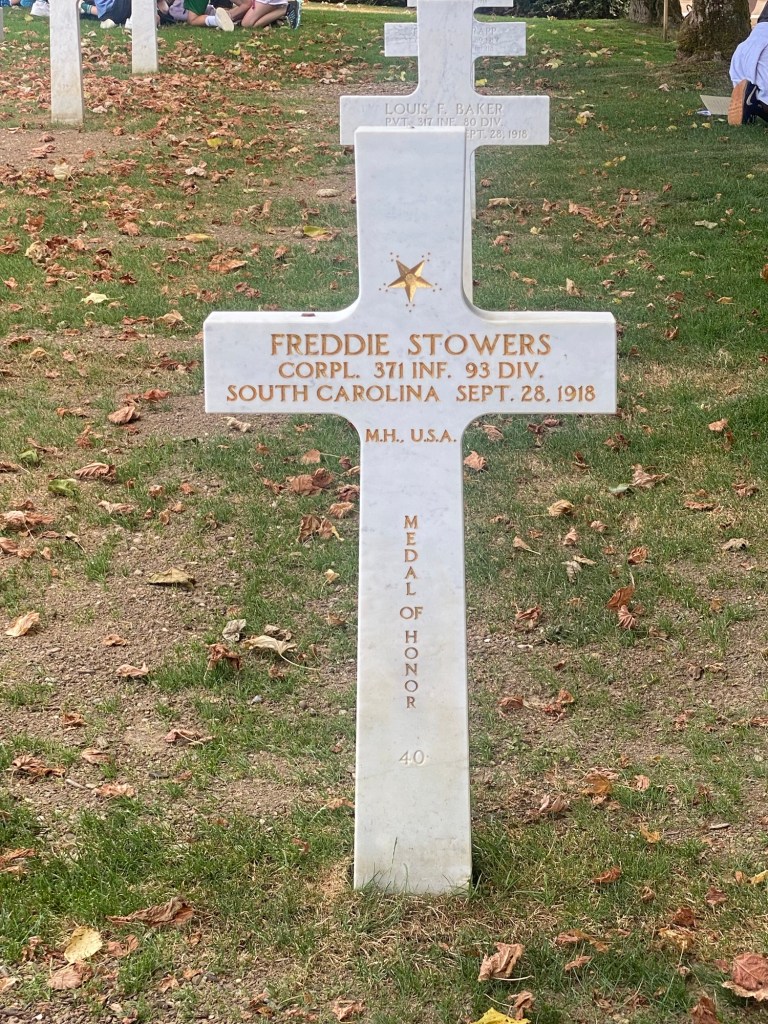
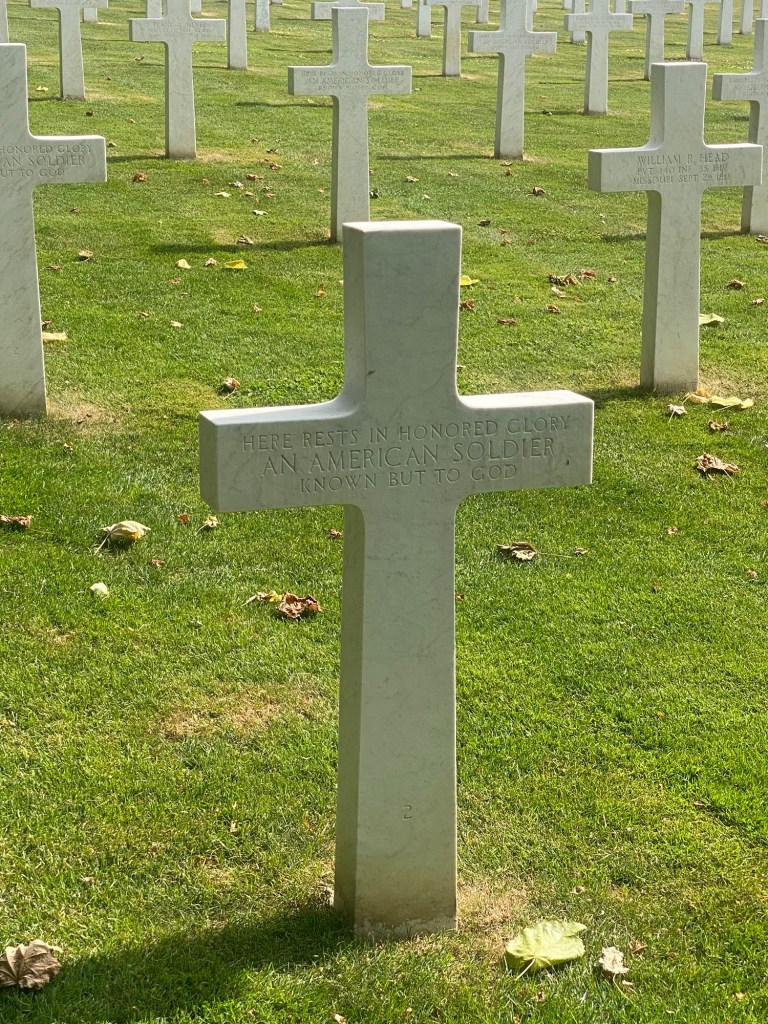
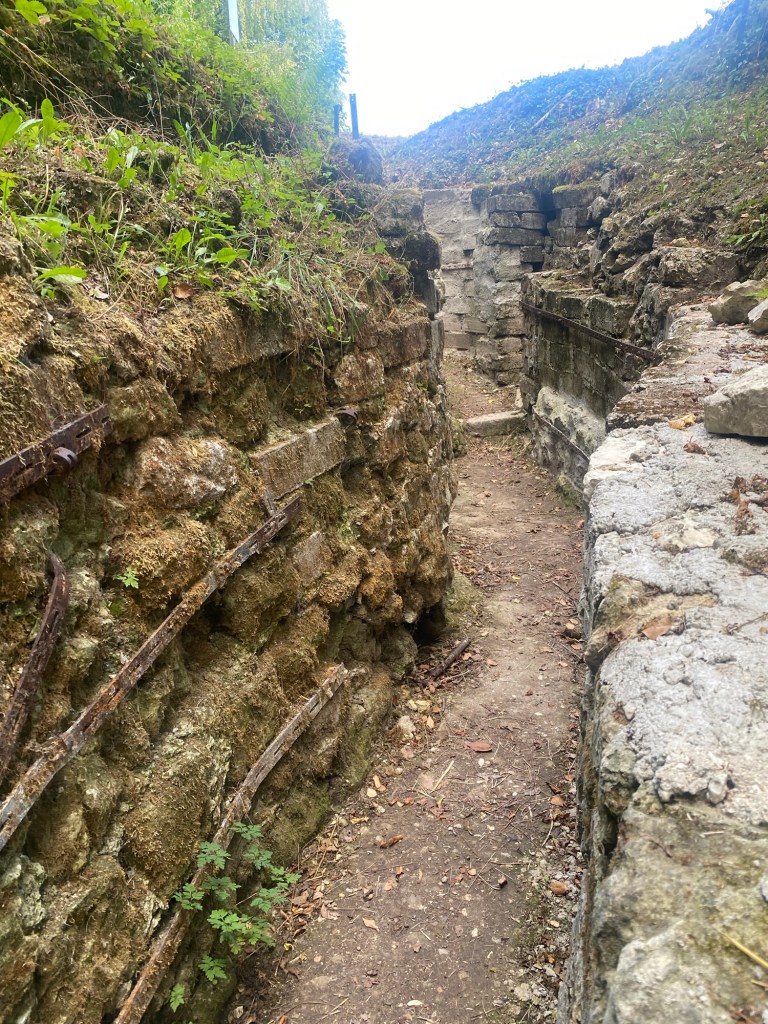
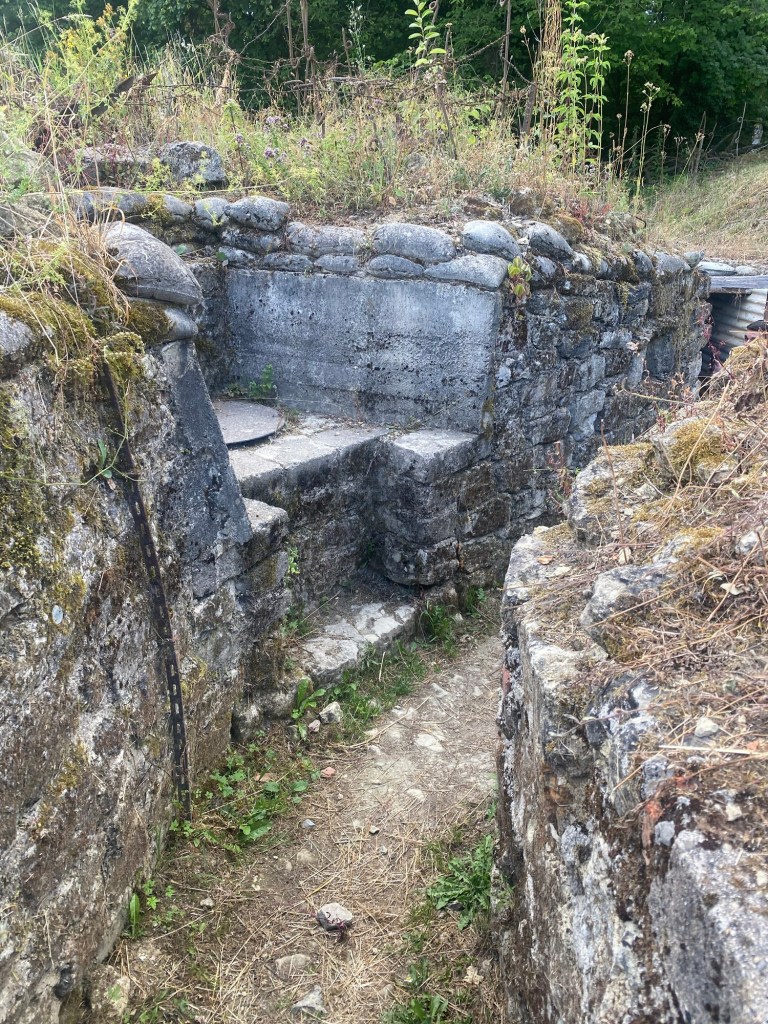
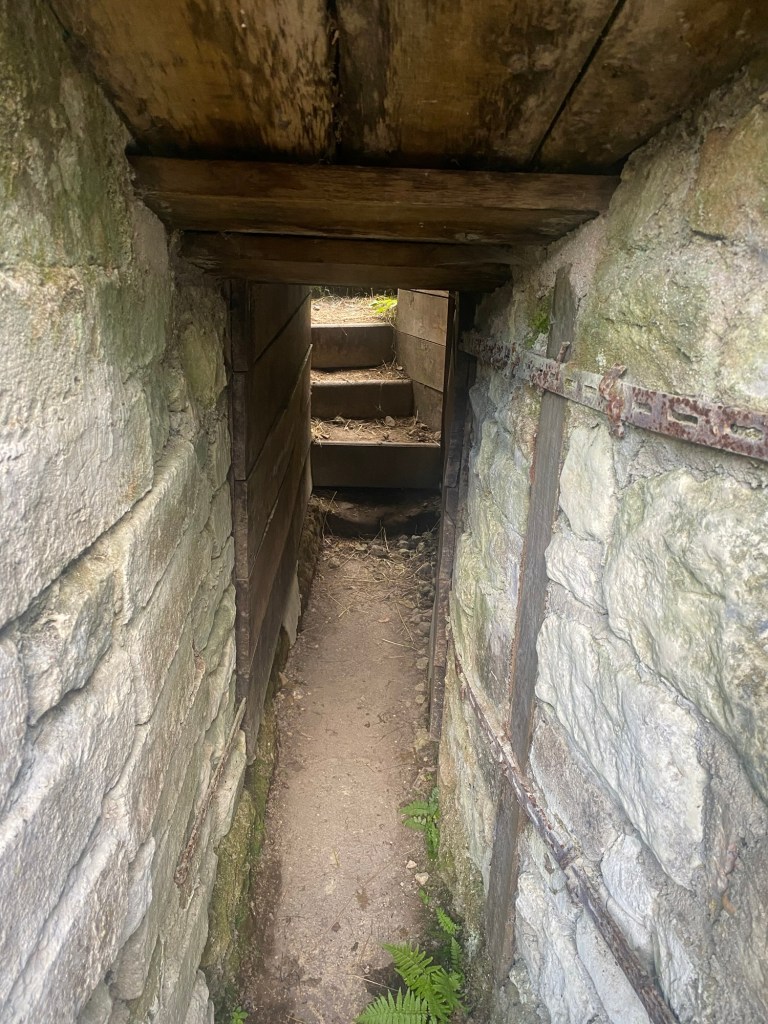
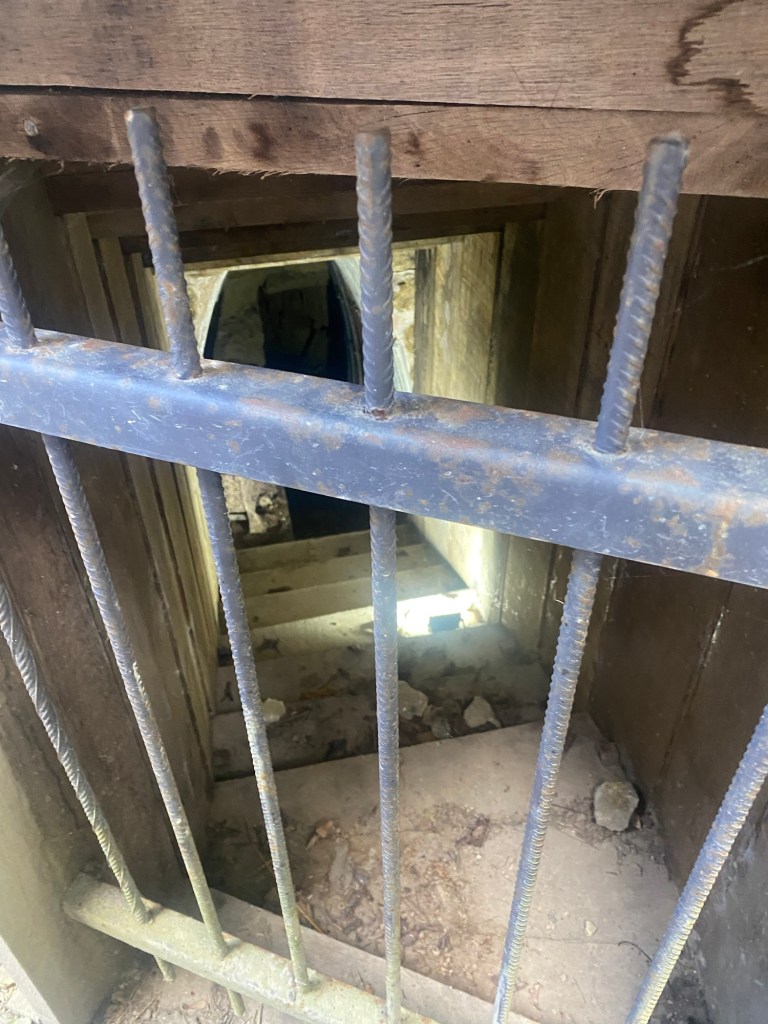
If that wasn’t enough for one day there was one more stop on our tour, a visit to the Vauquois ridge, one of the jumping off points for the American-led final assault. It was here that Nick was able to follow in the footsteps of his great grandfather as Vincent assured him his division was at this site. It was also here that we were able to walk in the remnants of a former German trench and view land scarred by massive TNT blasts each side set off in an effort to kill as many people as possible.
I recognize this is pretty heavy stuff for a travel blog, but for anyone interested in history, especially the history of the Great War, this was a long but awesome day. We will be back to food, fun, art and architecture soon.
 It's What We Do
this was remarkable and such detailed writing and outstanding photos
LikeLike