After recovering from our jet lag we set off to discover more of the city, starting with one of those “free” guided tours. Unless you are a complete jerk or the guide is totally inept, you tip the guide. €10 to €15 per person is fair for a two hour walking tour. Our guide was good.
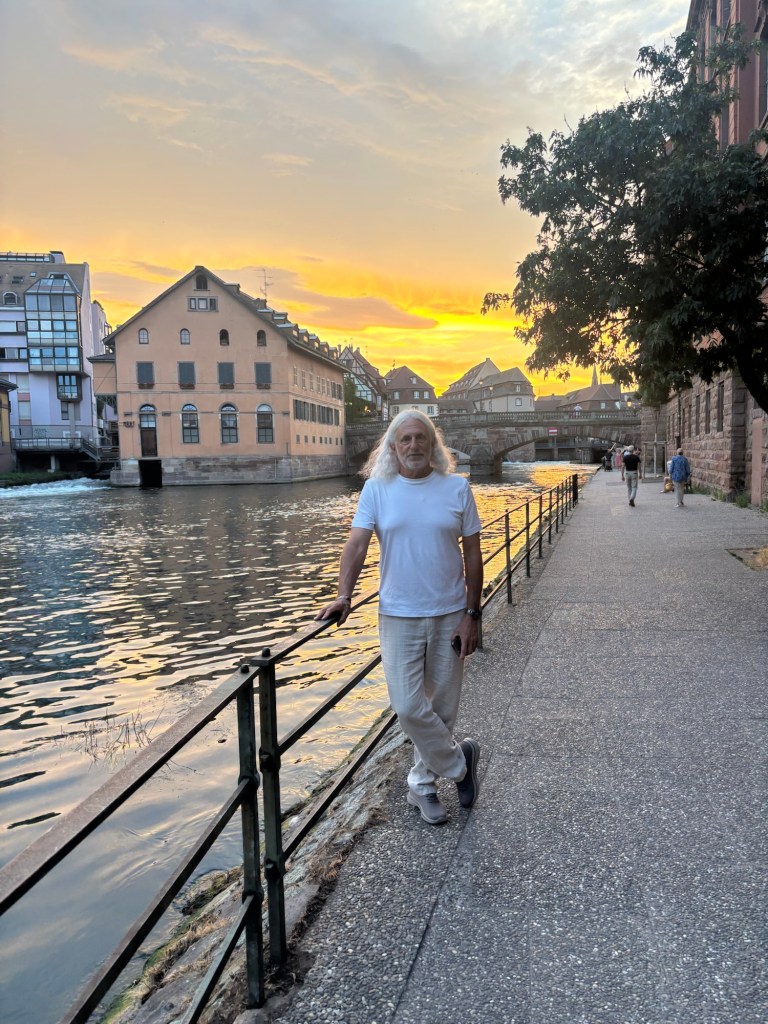
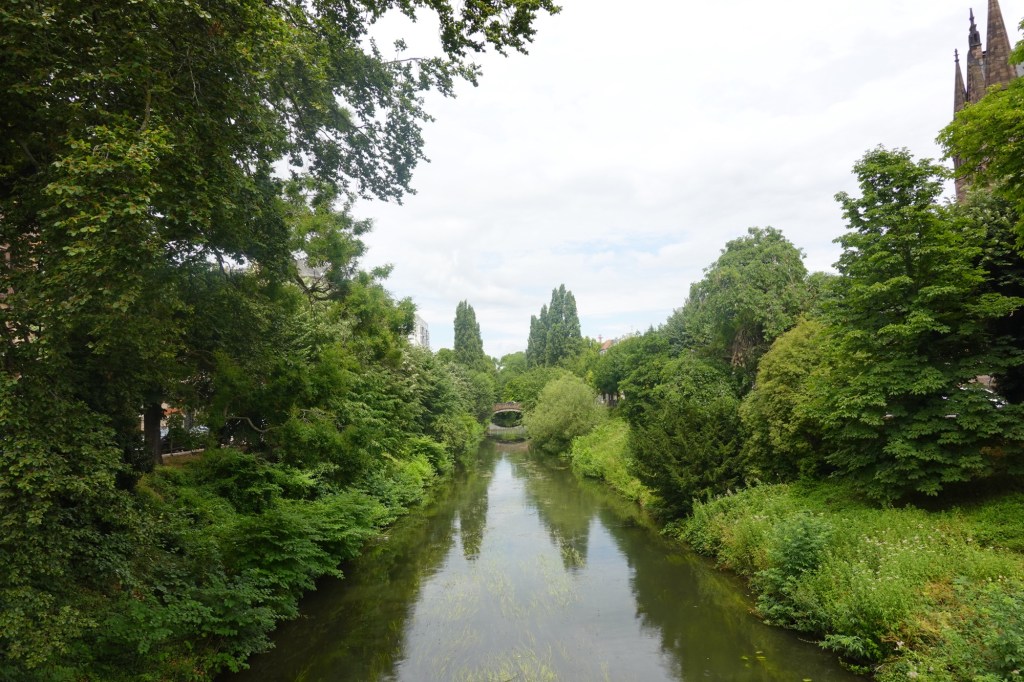
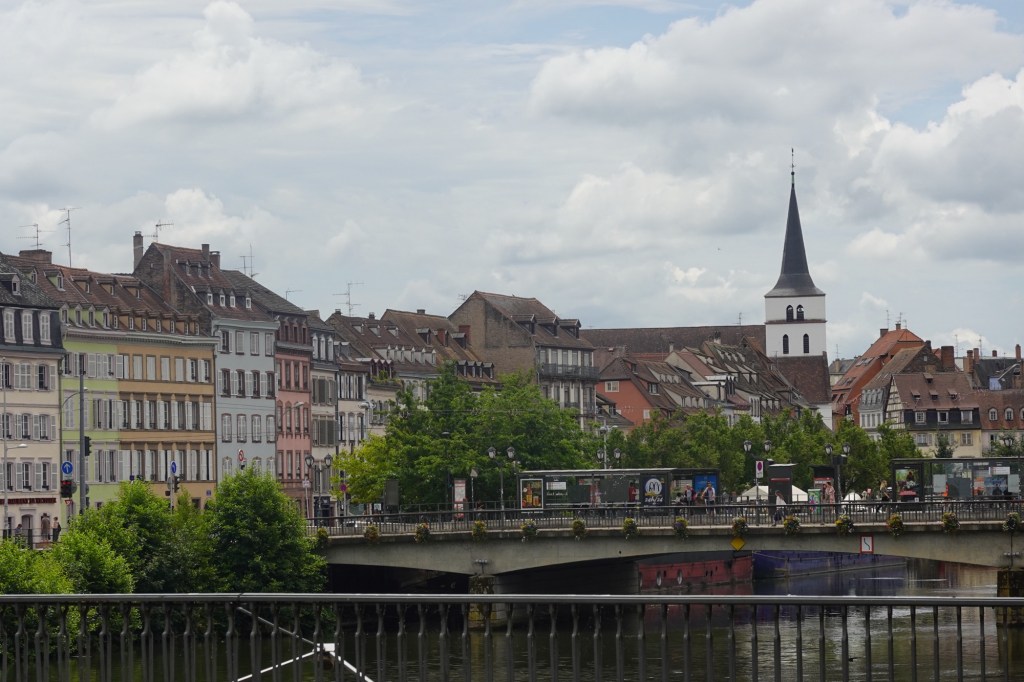
Strasbourg is a very walkable city. It’s the largest city in the Grand Est region of northeastern France, and the historical core is on an island in the middle of the River L’ill. You can walk from one side to the other in about 15 to 20 minutes. The greater city, as we mentioned in our first post, stretches to the Rhine, so there is plenty more to Strasbourg than most of us visitors see.
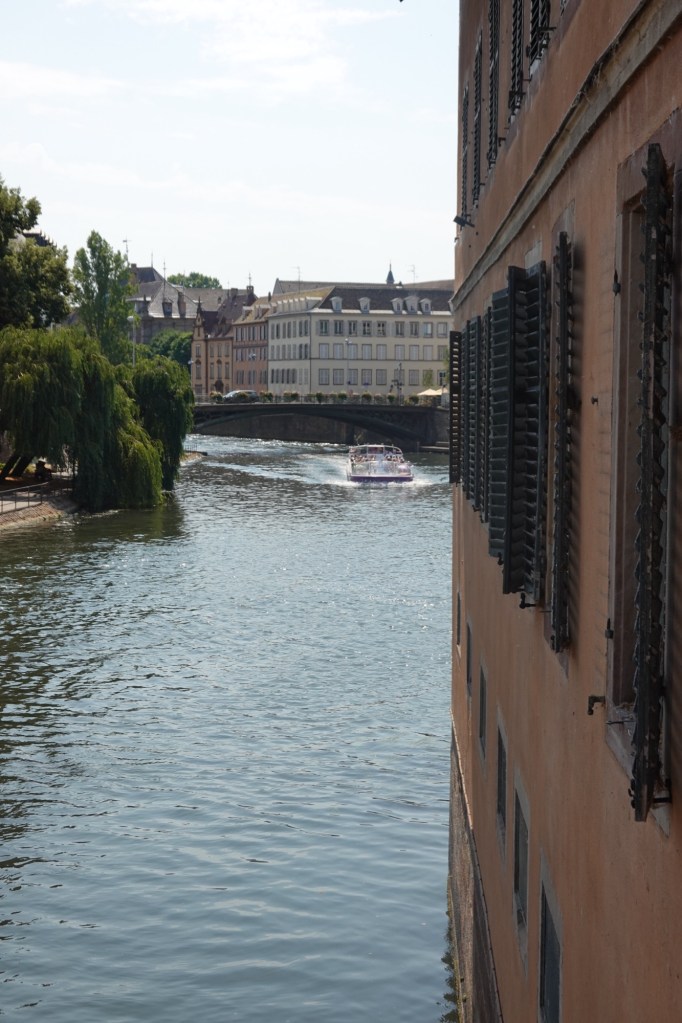
For example, Strasbourg is home to the European Parliament. The building is open for visitors and we thought of going there, but other ideas intervened. Another way to view the Parliament building, and the old city as a whole, is via Batarama boat tours that depart from near the Notre Dame cathedral.
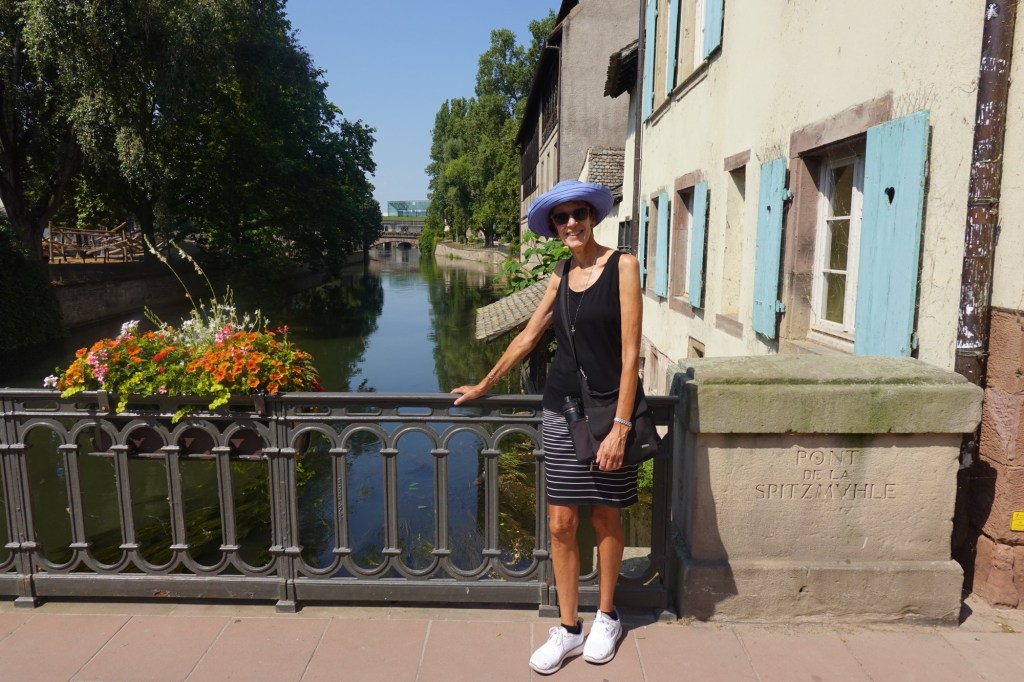
We opted not to do that because, as noted above, the old city can easily be covered on foot. But if boat tours are your thing, there are multiple trips throughout the day lasting from 45 minutes to an hour. Some boats are covered, some aren’t, and one version is air conditioned. You can pick your favorite at the ticketing office by the dock.
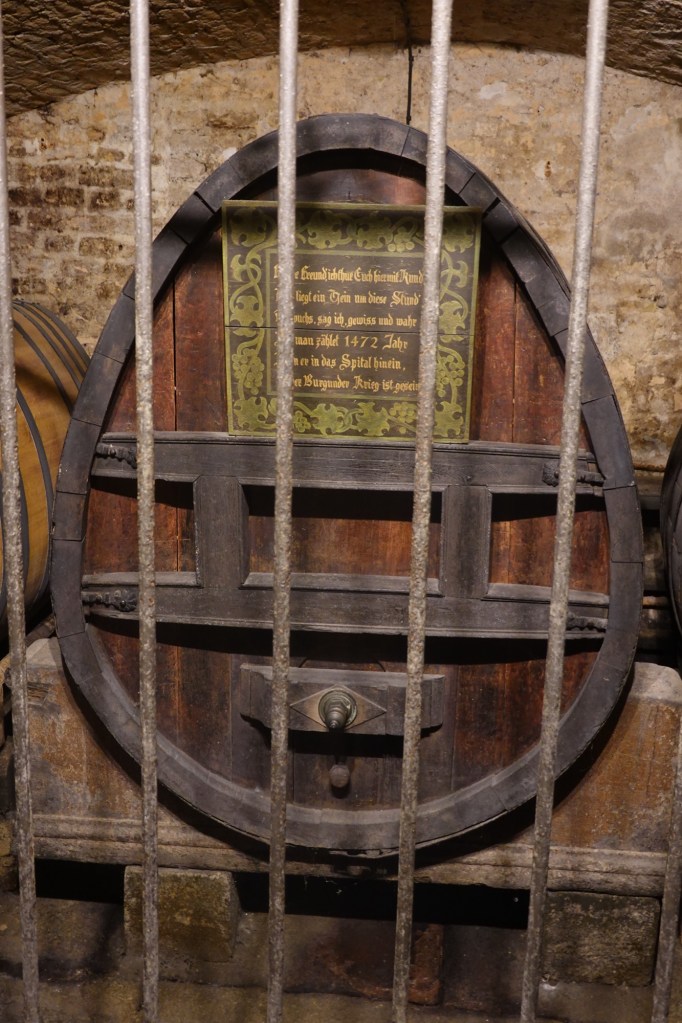
Among the fun things you can do is visit the historic wine cave at Hospices Strasbourg. It’s a winery and wine cellar underneath a former hospital. The winery came first; the hospital was built above it in 1716. People at the time viewed wine as having medicinal qualities so it’s not as weird as it sounds.
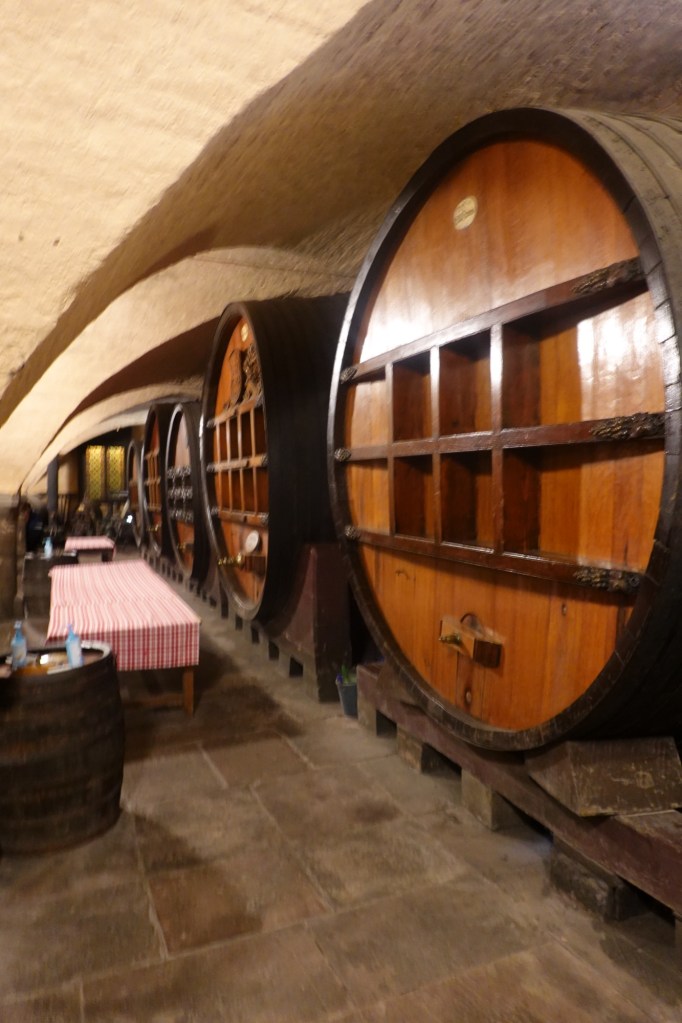
But the winery is much older. They have a barrel containing wine that was produced in 1472! Yes, before the New World was known to exist. The winery was bottling outside on the street using a temporary setup. There is also an extensive shop featuring the wines of Alsace. Pinot Gris, Riesling, Gewurtztraminer and Pinot Noir are the typical varietals.
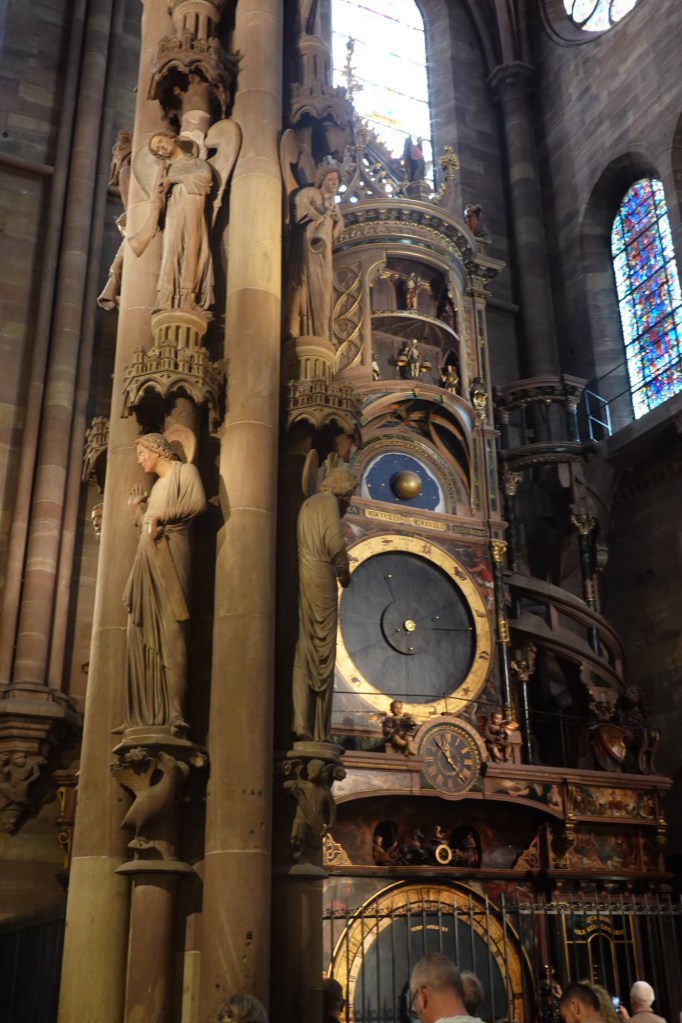
Another featured activity in most tour books is viewing the astronomical clock in the Notre Dame Cathedral. The clock is viewable for free but if you want to see the gadgetry and figures (there are the apostles and Christ, of course, but also a skeleton and other things that symbolize the passage of time), that only happens once a day at 12:30. The “show’ lasts about five minutes, but it is preceded by a 30 minute video about the clock’s history. That was interesting, but it costs 8 euros to enter. Trust us, go look at the clock but skip the show, you can look up the history online and the show itself is short. There’s a video below. The first version of the clock was built in the 14th century. This version dates to the 1840s. The activity is at the top of the clock.
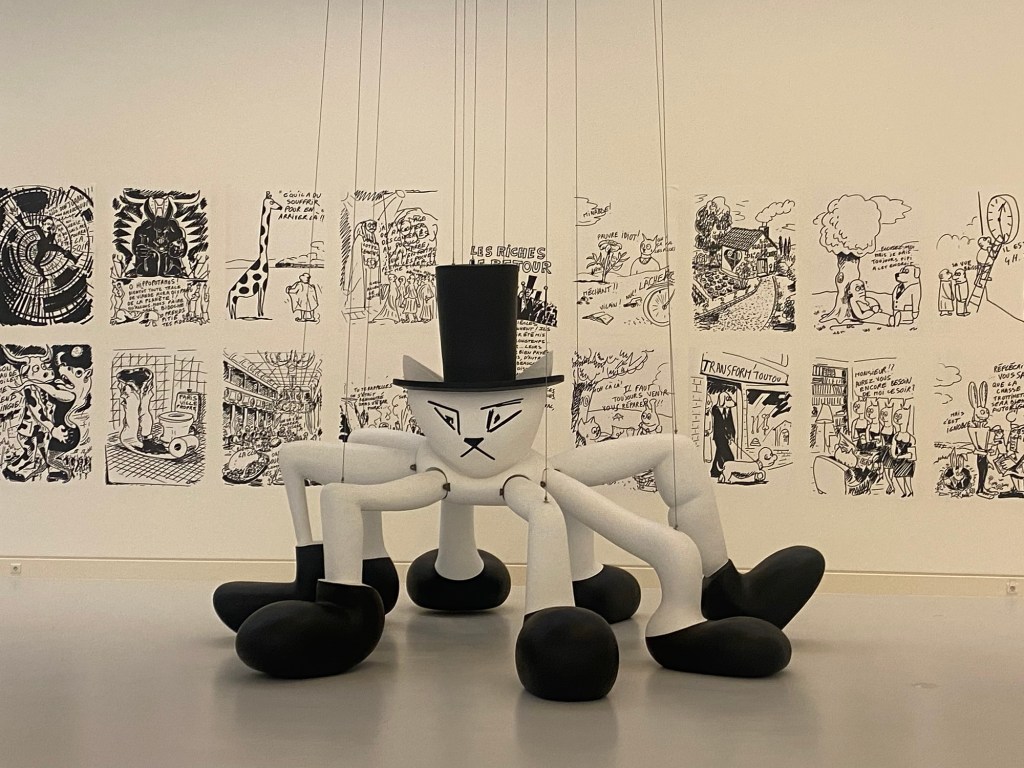
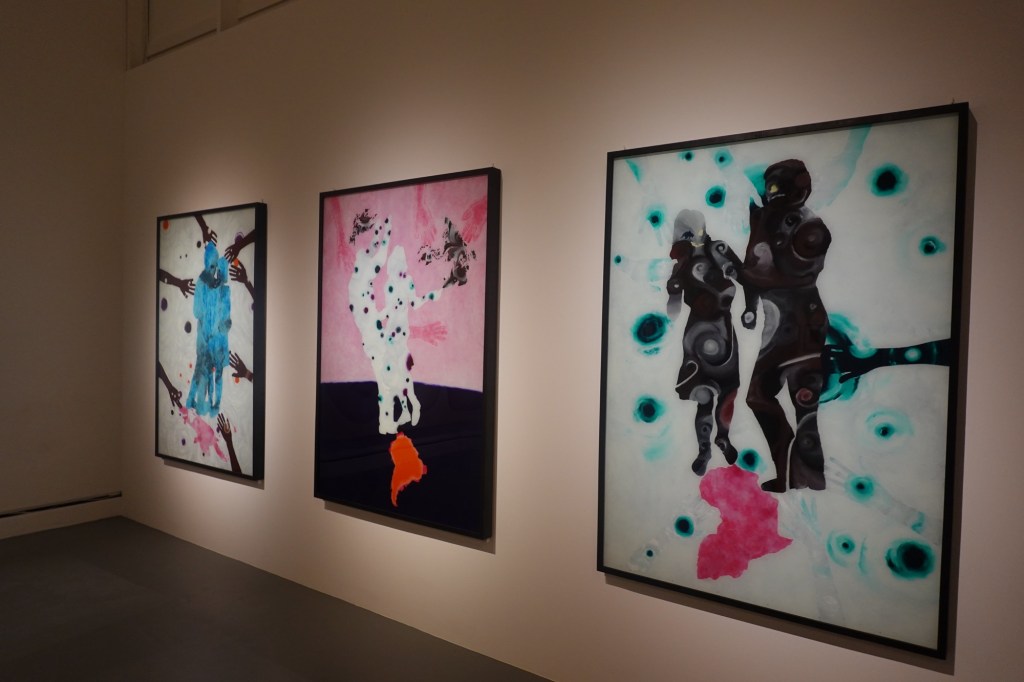
There are several museums in the city but many are in old buildings that lack air conditioning. The heat wave that gripped Europe as we arrived led to their closure for the safety of the staff and guests. One that was open and climatized is the city’s modern art museum, which we enjoyed as a respite from the heat and for the collection. It’s a well-done museum. One note on the other museums: regular hours typically include closures from around noon to 2 p.m. for lunch. You don’t get in the way of the French and their lunch, which honestly is civilized. We Americans eat far too many lunches at our desks.
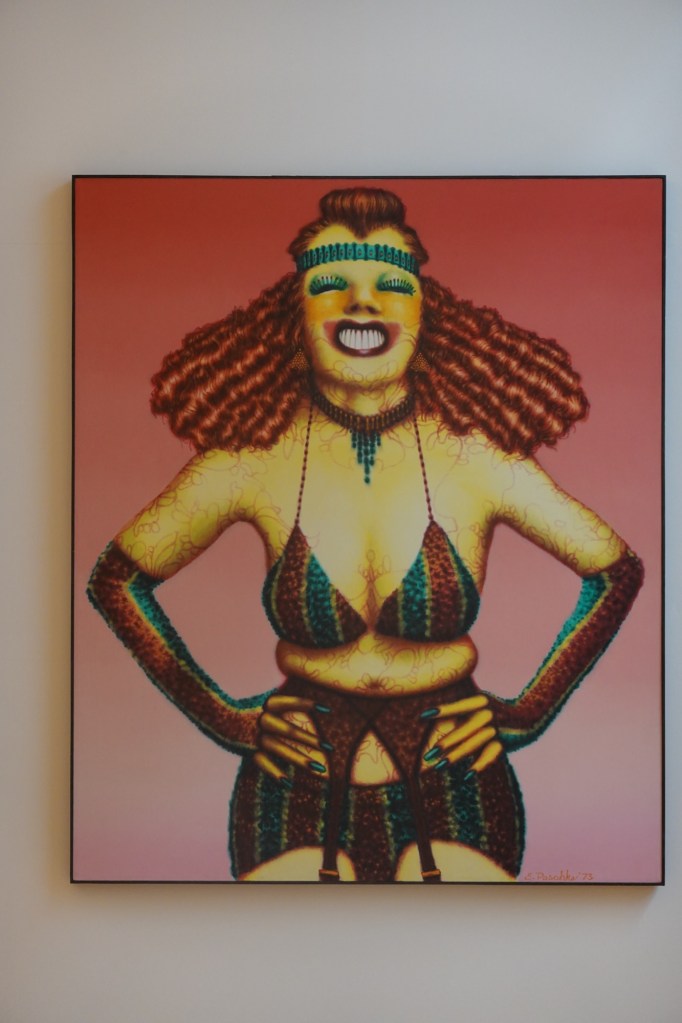
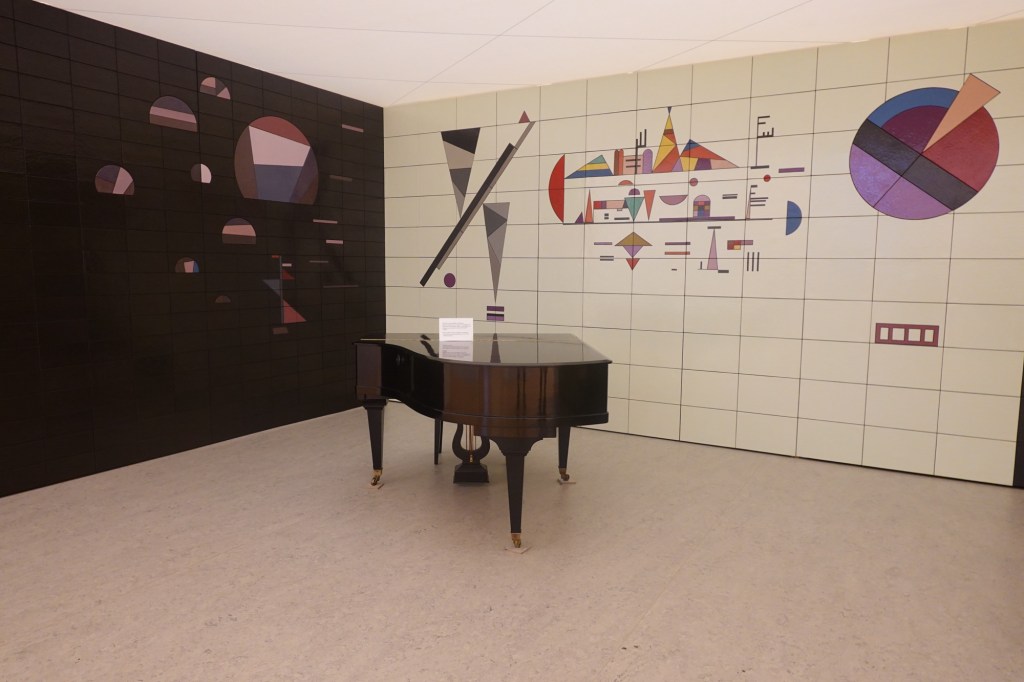
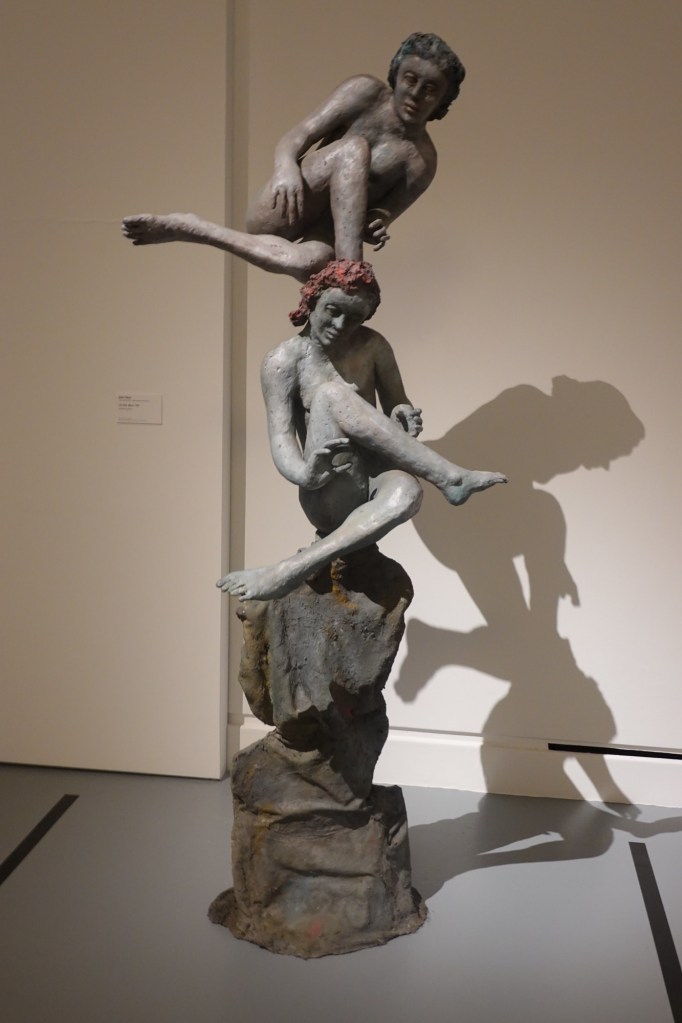
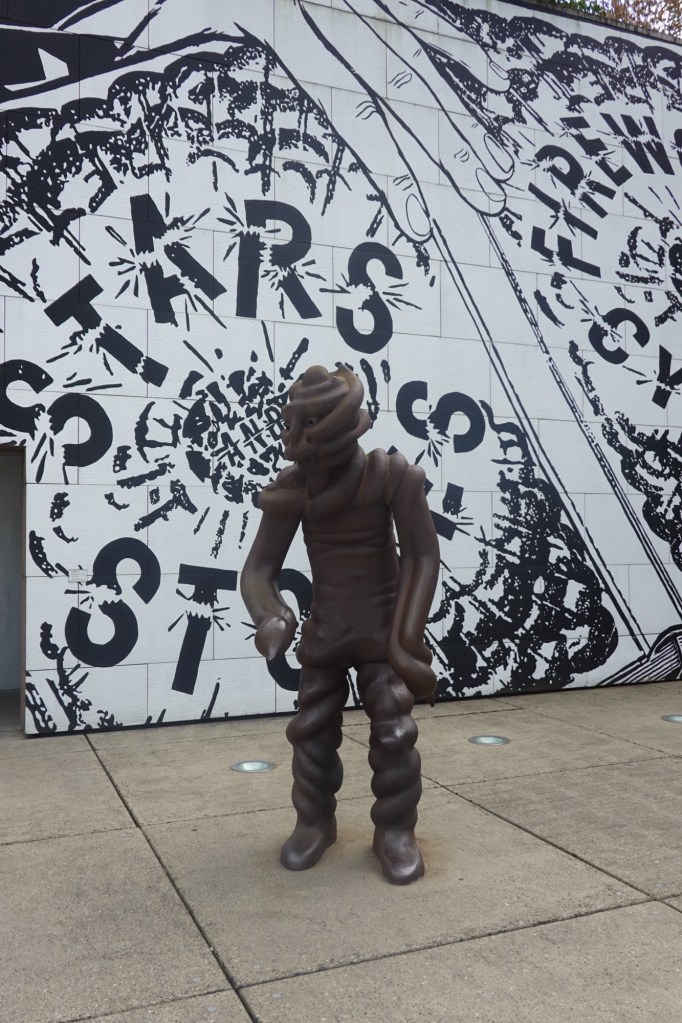
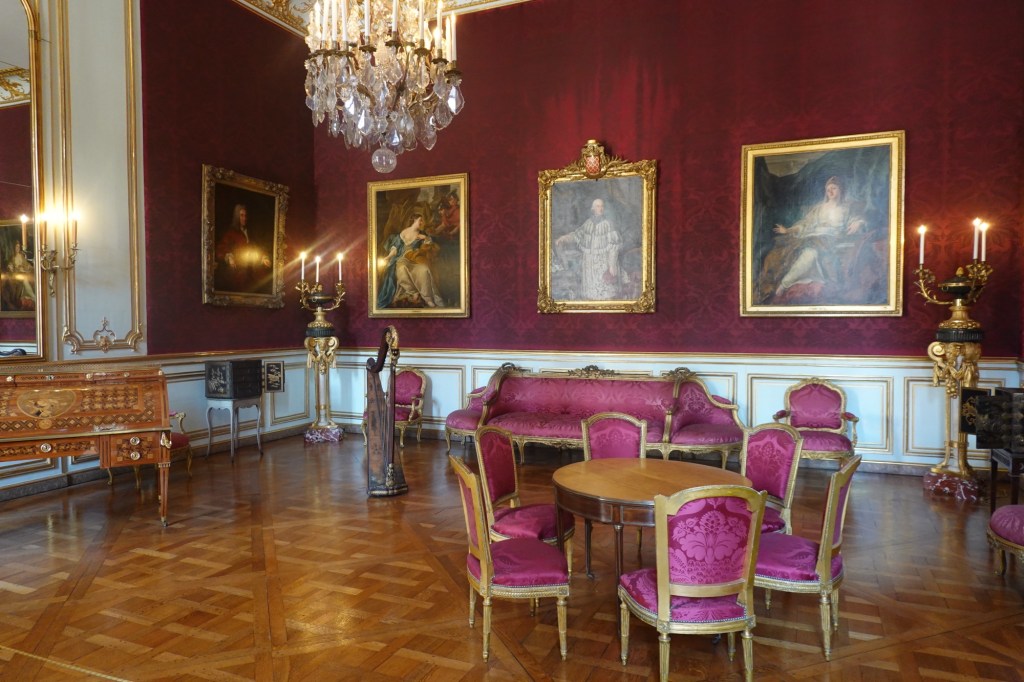
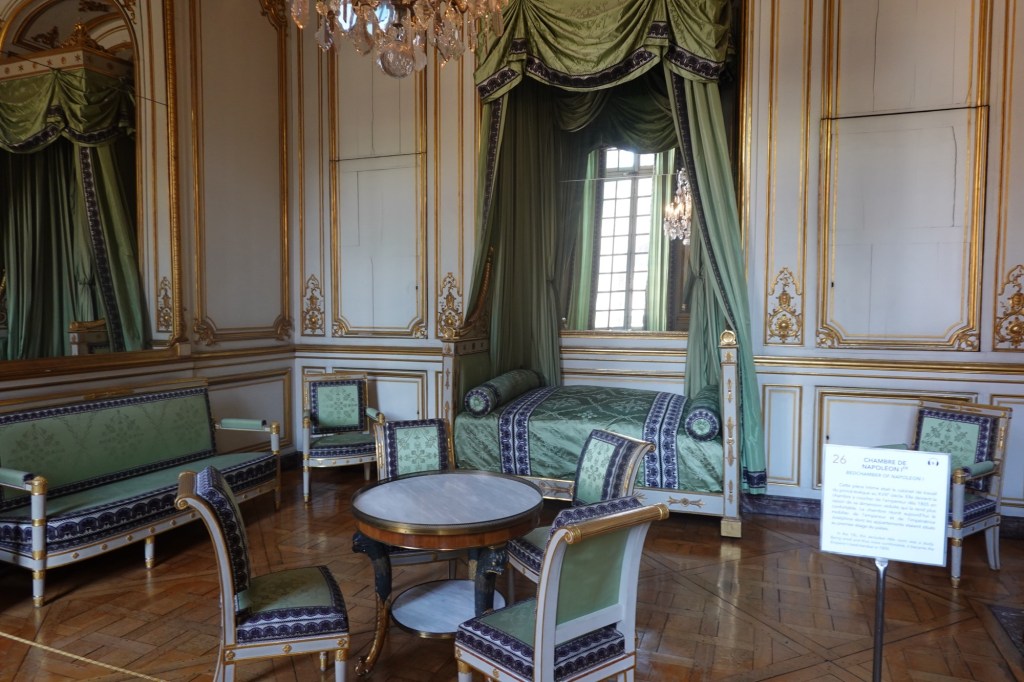
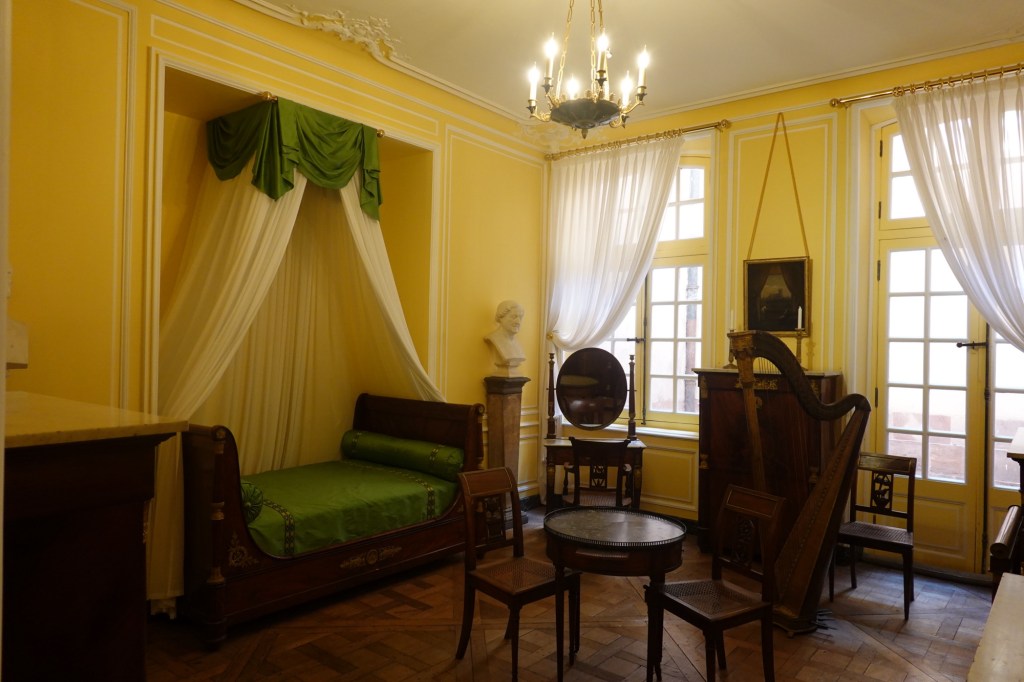
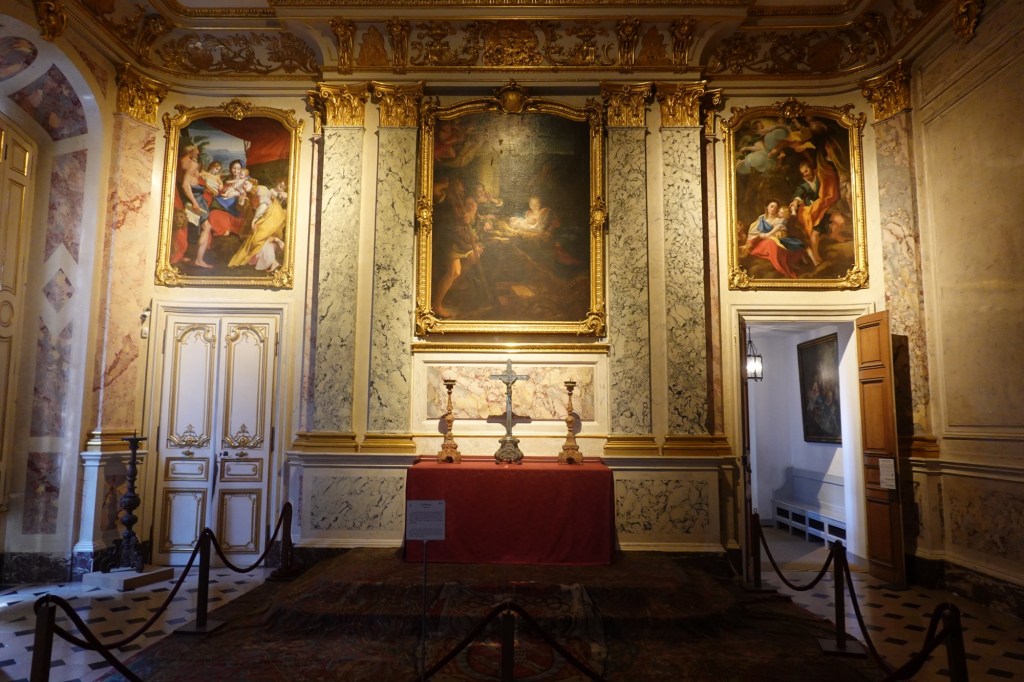
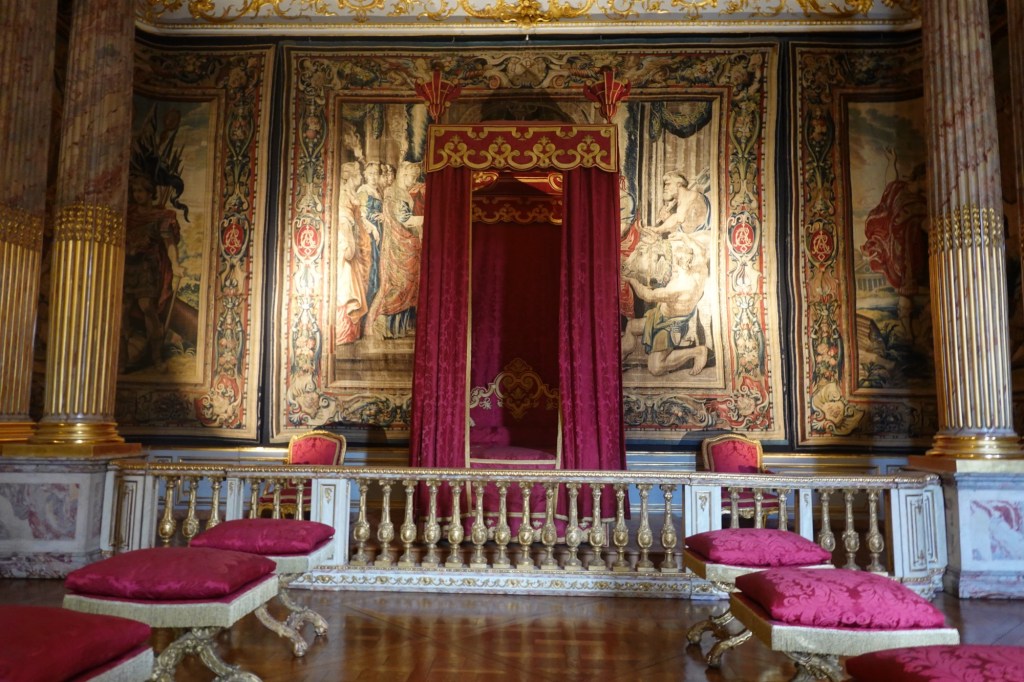
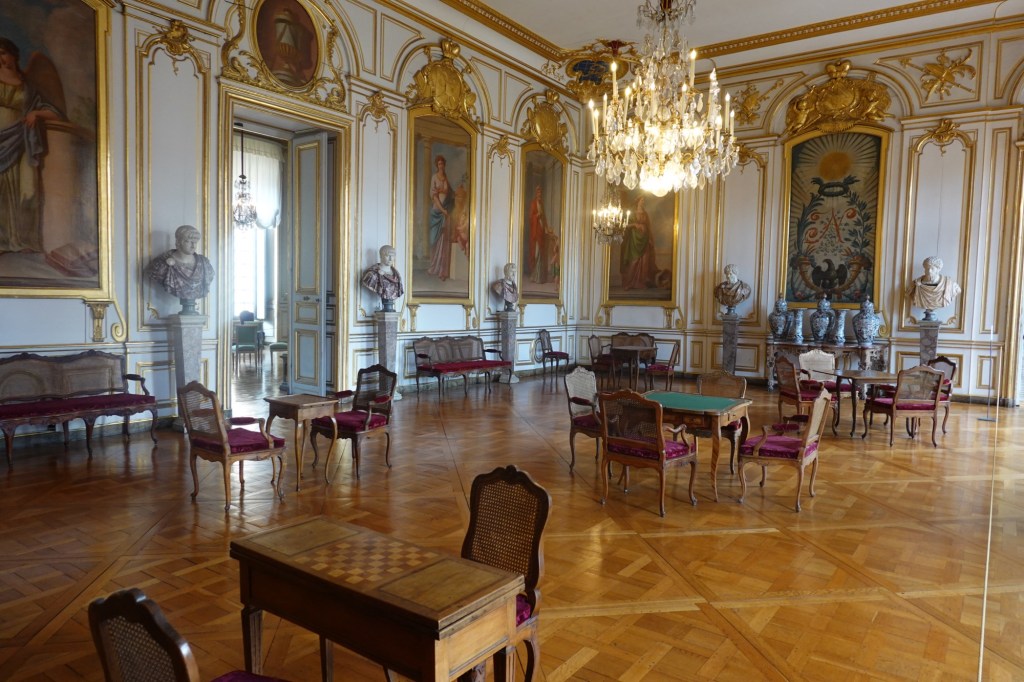
The heat wave began to break on our second full day in the city so we also got to enter the Palais Rohan, which is opposite the cathedral. We viewed the Decorative Arts exhibit, which contains the apartments used by the cardinals of Rohan and royalty. Napoleon designed and furnished a bedroom in the palace, but never used it.
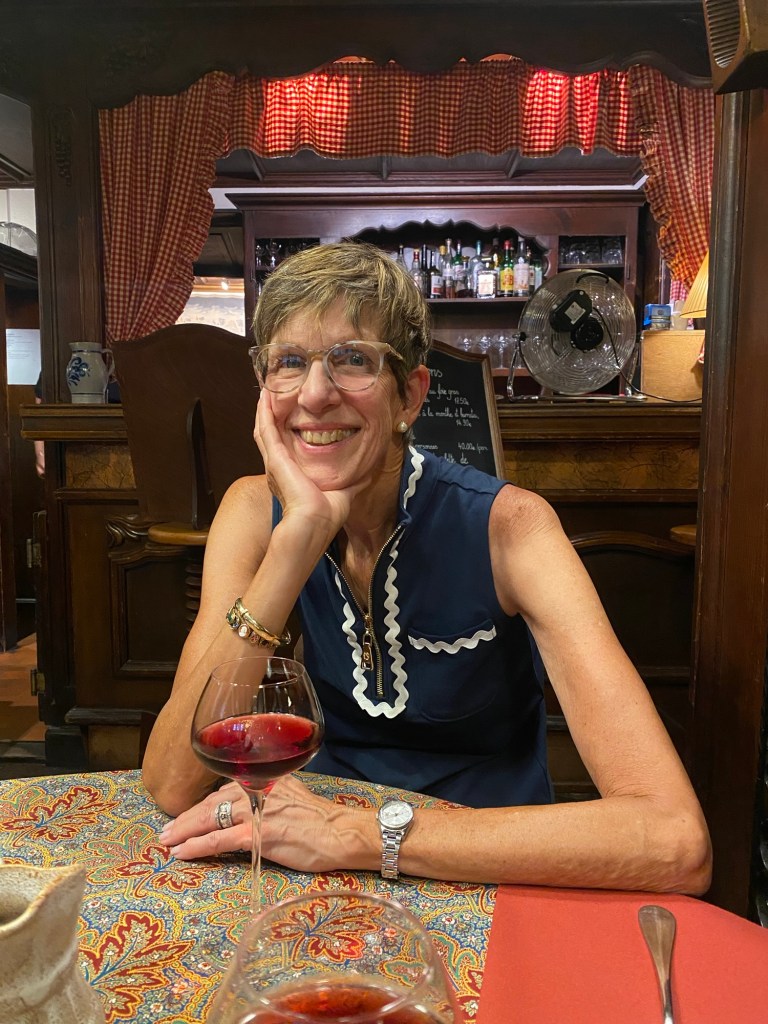
After a day of touring, we were finally able to enjoy the patio attached to our hotel room. It had been too hot the previous two days, so it was nice to be able to relax and enjoy our wine from the “hospital.” We dined nearby again that evening and tried another local specialty – flammekueche, also known as tarte flambee. It looks similar to a pizza, but the crust is lighter and the typical toppings are crème fraiche, bacon lardons and onions. We added Muenster cheese to ours since that’s another local specialty. That was a bit of a mistake – wow was it heavy. But at least we can say we tried most of the local specialties before heading off to our next destination.


glad the heat wave broke for you.
LikeLike