We had an early wake-up call leaving Lima for a flight to Cuzco, meeting a driver for a ride to the airport at 5 a.m. The overnight desk manager, upon hearing of our destination, advised us that we should rest when we arrived due to the altitude as Cuzco sits at more than 11,000 feet in the Andes. When I told him we would immediately head to the Sacred Valley, he responded “that’s good; it’s lower.” Well, it is in places, and it isn’t in others, as we quickly found out. We also definitely did not rest upon arrival.
The Sacred Valley stretches along the Urubamba River in a valley north of Cusco. It is comprised of several towns and villages near Machu Picchu that date back to or even pre-date the time of the Incas. The largest town in the valley is also called Urubamba and served as our base of operations. It sits at 9,400 feet, so yes it is lower than Cusco. Alas, the hotel was not our first destination upon leaving the Cusco airport with our guide, Yvette.
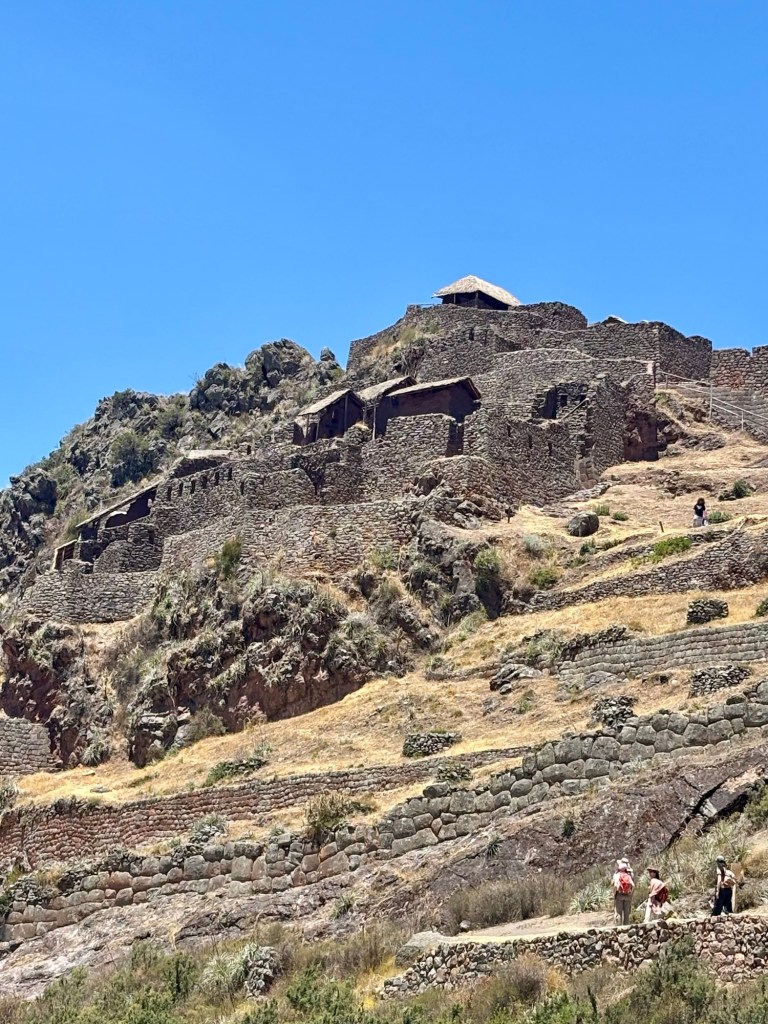
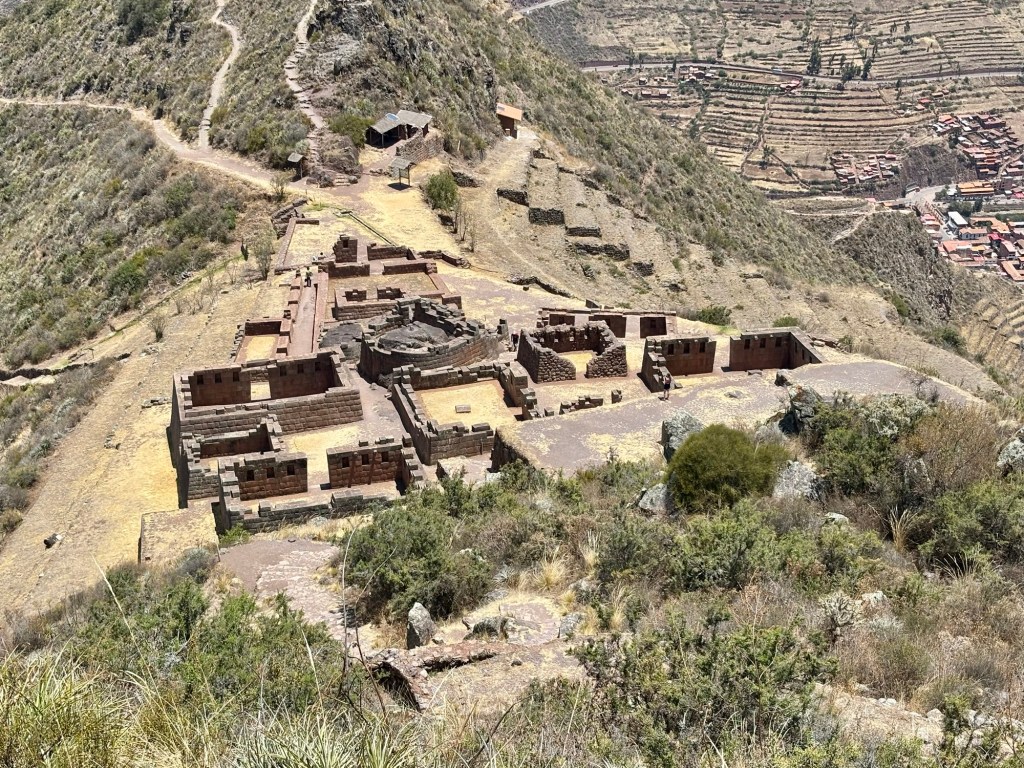
Our first stop was to visit an ancient complex built by the Incas that sits above the modern city of Pisac. The top of the site is at an elevation higher than Cuzco. There were several large tour buses when we arrived, but the vast majority of those visitors gazed at the complex from the point at which the above picture was taken. We huffed and puffed our way to the top and beyond. Resting it was not, and not what we expected. But in the end it was worth it as we were able to enjoy some amazing views with few other tourists in sight.
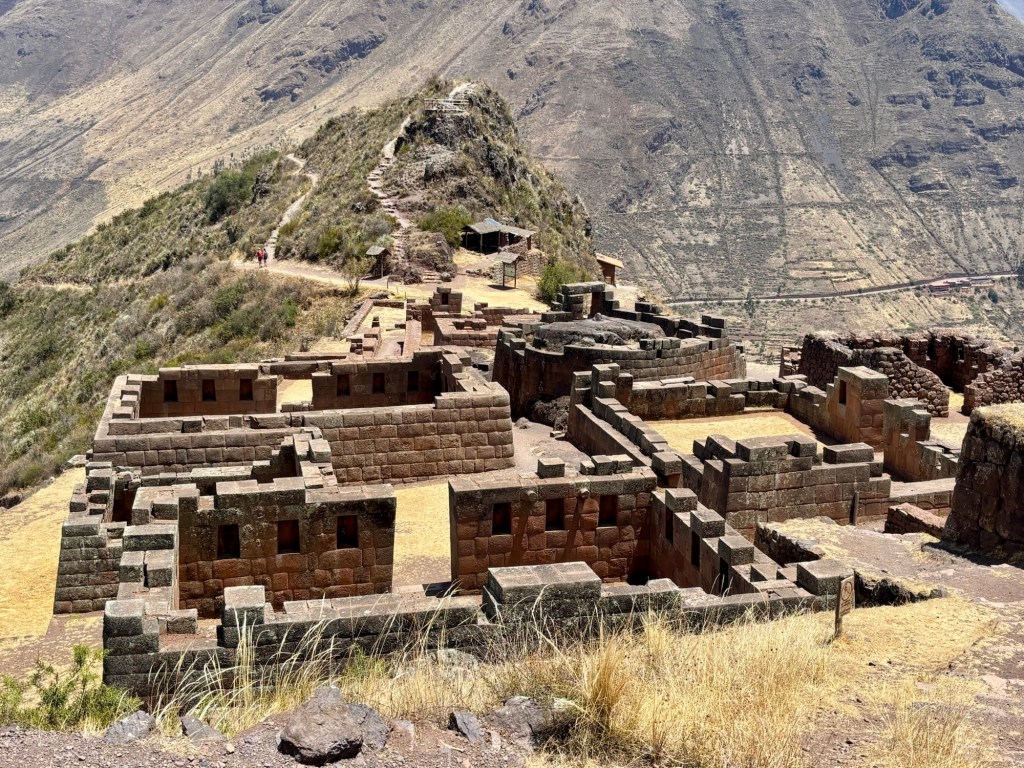
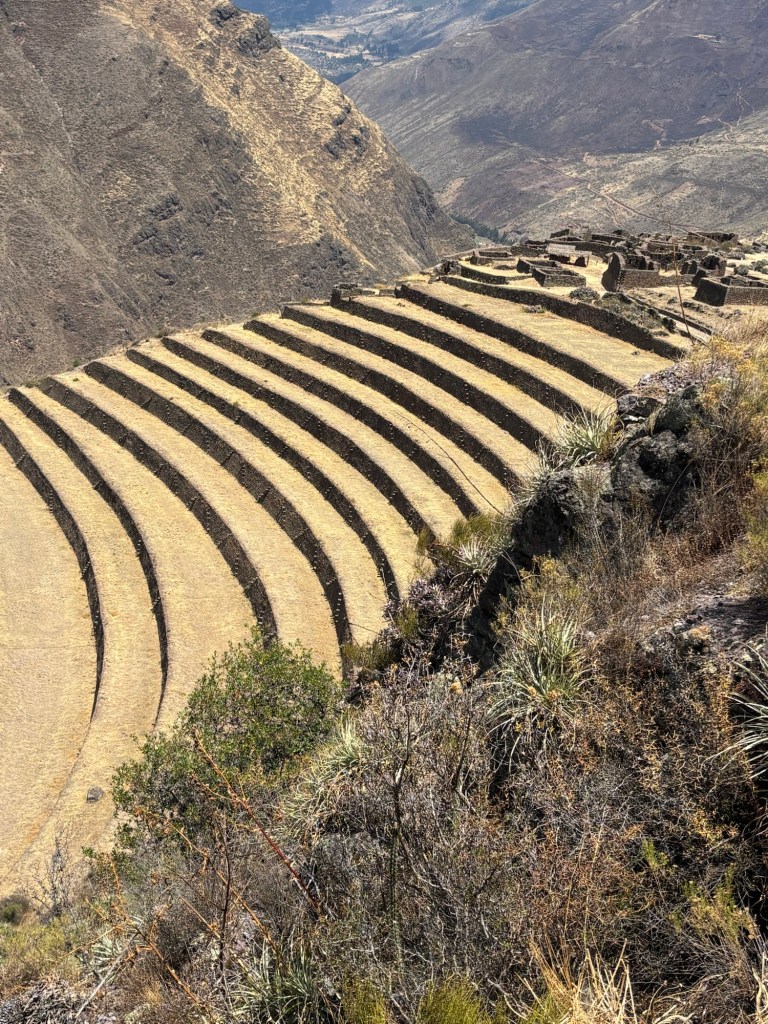
Most notable were the terraces seen in the image that opens this post, which was taken after our ascent to the top and as we began our descent on the opposite side. Another was a complex at the top of the site which it is believed had a religious context and/or was a place for the Inca king to relax.
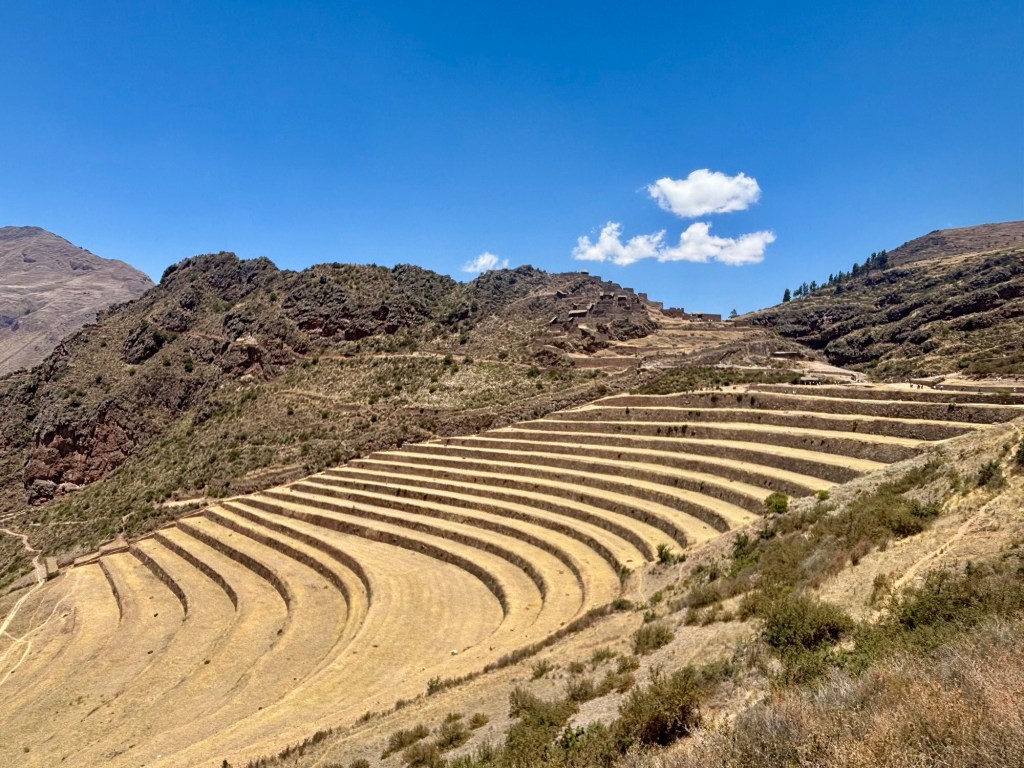
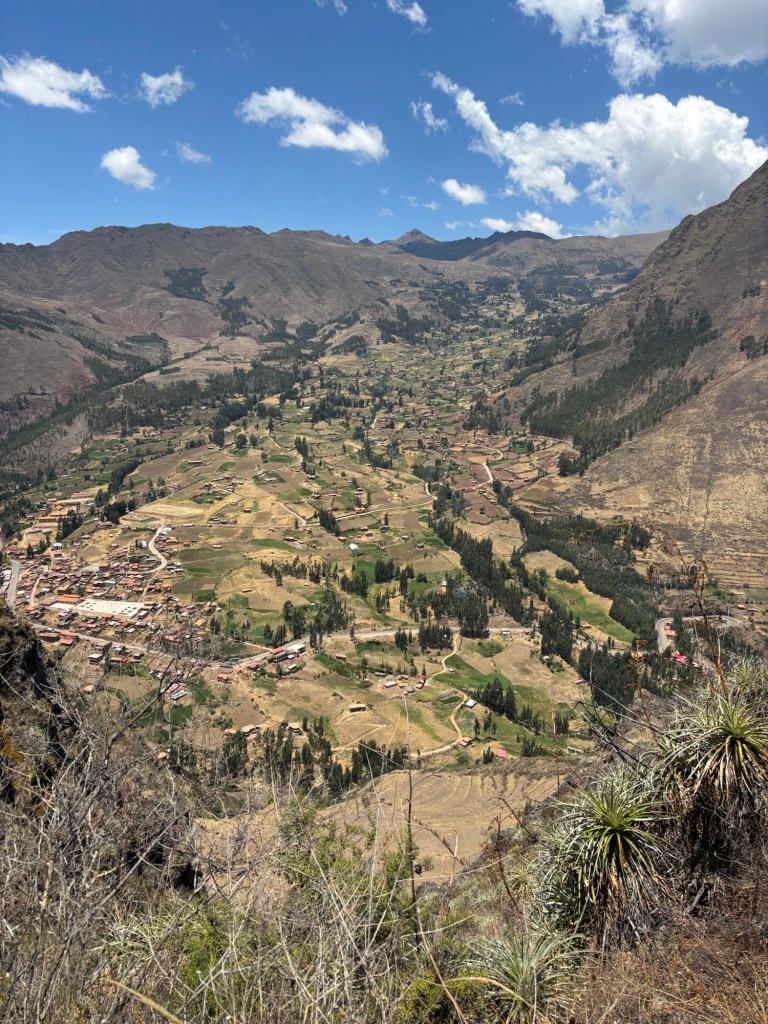
Terraces like these can be seen throughout the Sacred Valley as the Inca valued land more than gold or silver, which they had plenty of. They simply didn’t view them as precious metals and didn’t use money. But they had incredible engineering and agricultural skills. The terraced land was used to grow crops, and their buildings were earthquake proof using precisely cut stone blocks. Inca construction still forms the foundations of thousands of buildings throughout the region. The Spanish also repurposed many of the stones to build Catholic churches.
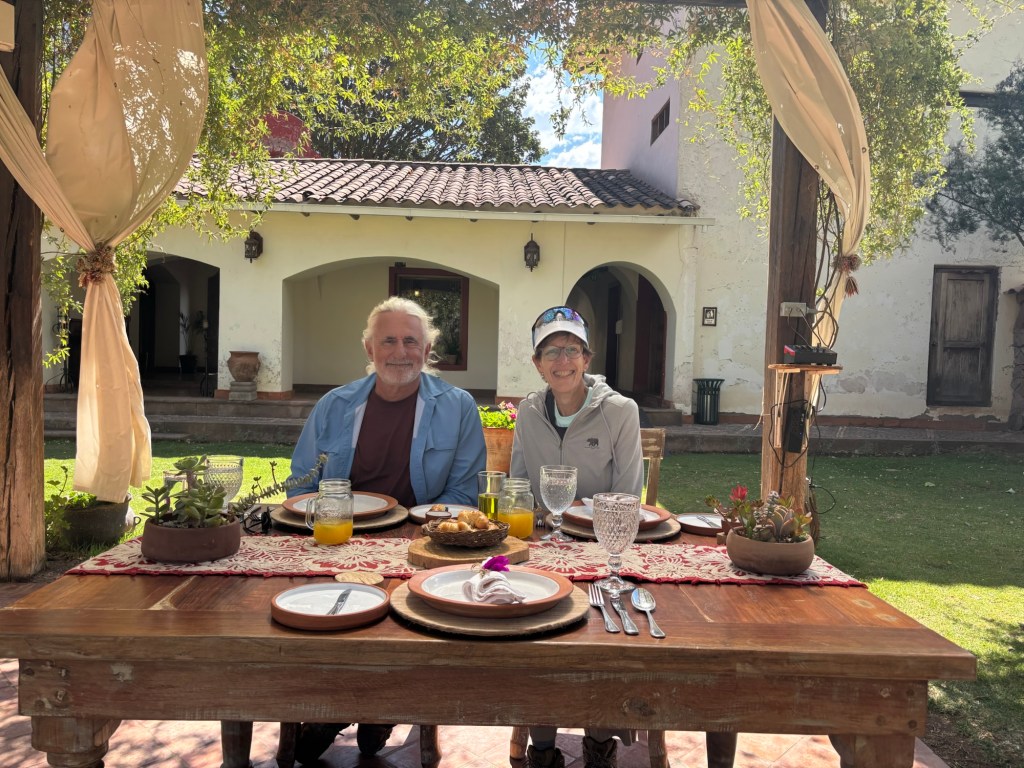
After our hike we went down to the modern village of Pisac, which has become popular with people from Cuzco for its variety of shops, but to be honest, we were too tired to be in any kind of shopping mood after our first high-altitude hike on short rest. Luckily we did prepare ourselves in advance by asking our doctor for meds that help mitigate altitude sickness, which definitely helped in adjusting to the thinner air. So after a brief stroll through the town we headed off for a lunch at a hacienda named Sarapampa.
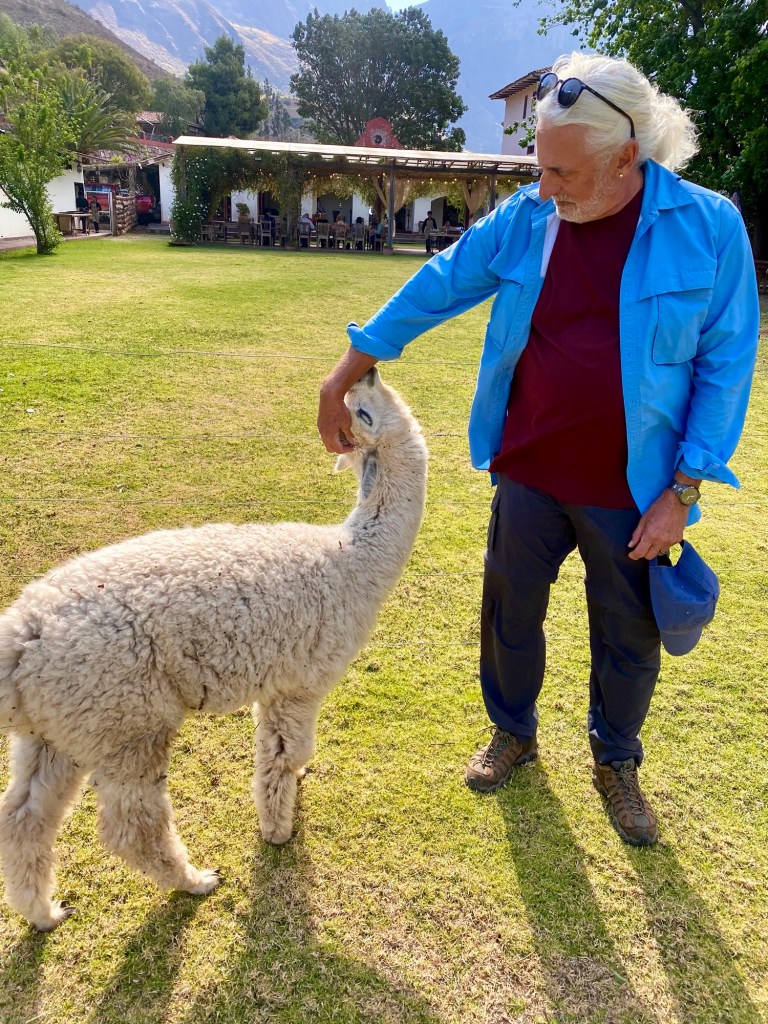
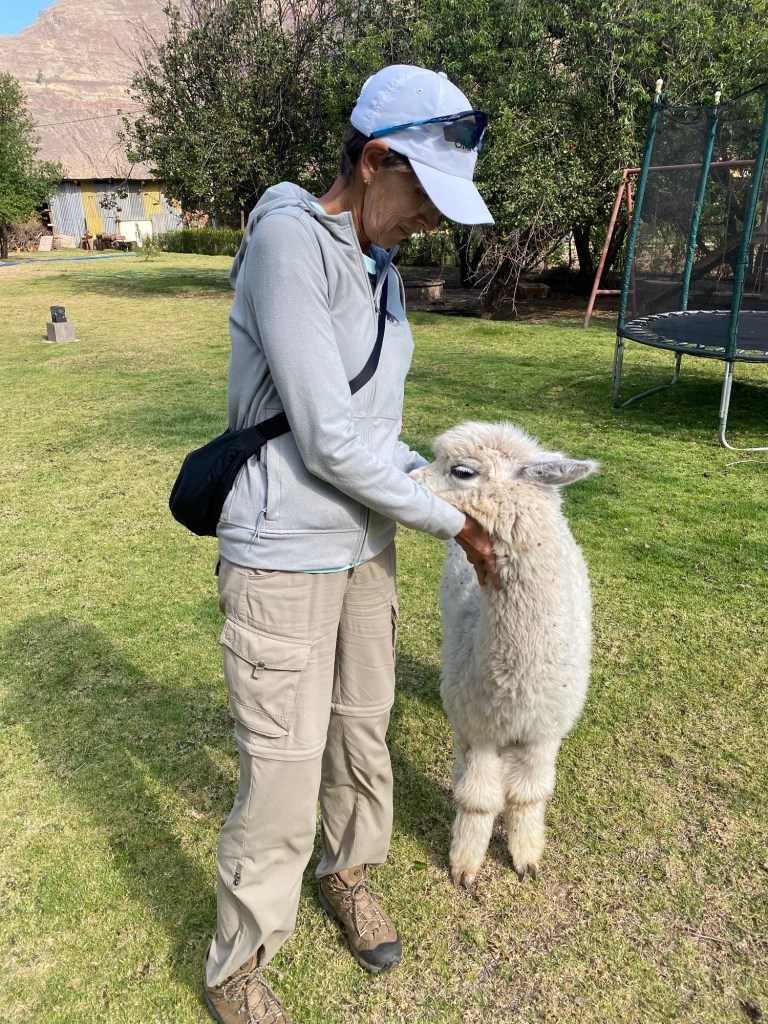
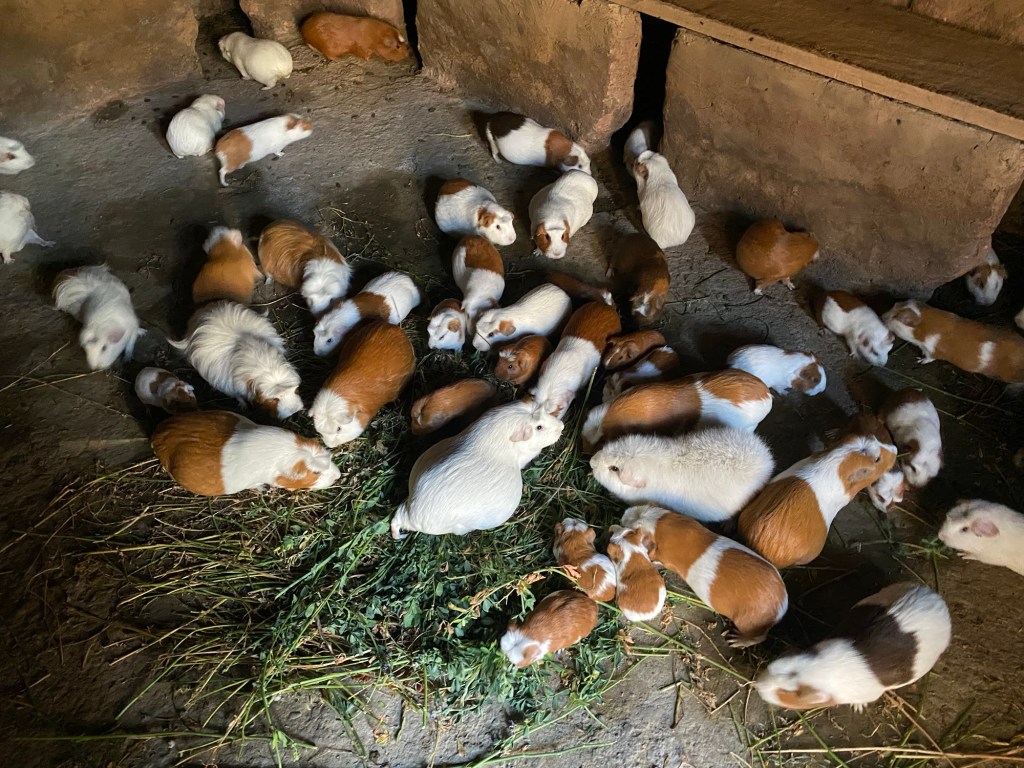
We sat outside despite the wind whipping through the canyon where it is located. It was a good meal, but we definitely were ready to call it a day and head to the hotel. We did take a brief tour of the property, saying hello to the resident llamas and guinea pigs. The latter are still used for food in the region by the locals, but don’t worry, any would-be visitors, there is plenty of beef, chicken, lamb and pork produced by Peru’s very productive farmers.

