Since we’d been to Paris in the past, I thought we should see more of the surrounding areas, and since we had been near the Champagne region earlier in our trip, that was first on the agenda.

It was an easy 45-minute train ride to Reims, where we met our tour group, Sparkling Tours. Lucky for us, there were only two other women in our group so it was a very intimate experience.
We started with a visit to Dom Perignon’s grave in the church of Hautvillers. Dom Perignon was the first to discover bubbles in wine, and because he was respected by Louis XIV he was encouraged to explore its production. Moët Chandon adopted (co-opted?) his name for one of their champagne brands – et voila! – the most widely known champagne in the world is named after this monk.

There are over 3,000 champagne houses in Champagne, and we visited three of them, all very small, all very good. Small is on the order of 100,000 to 200,000 cases per year. The big guys like Moët & Chandon churn out over 2 million cases annually. As with other tours of wineries and coffee plantations we’ve done, we come away wondering why the products aren’t even more expensive, given the work that goes into them. For example, all of the grapes are picked by hand, and each bottle is examined as it comes off the rack and before it’s corked to ensure it hasn’t lost too much liquid during the disgorging process. We actually got to see this in production, and it’s remarkably hands-on.
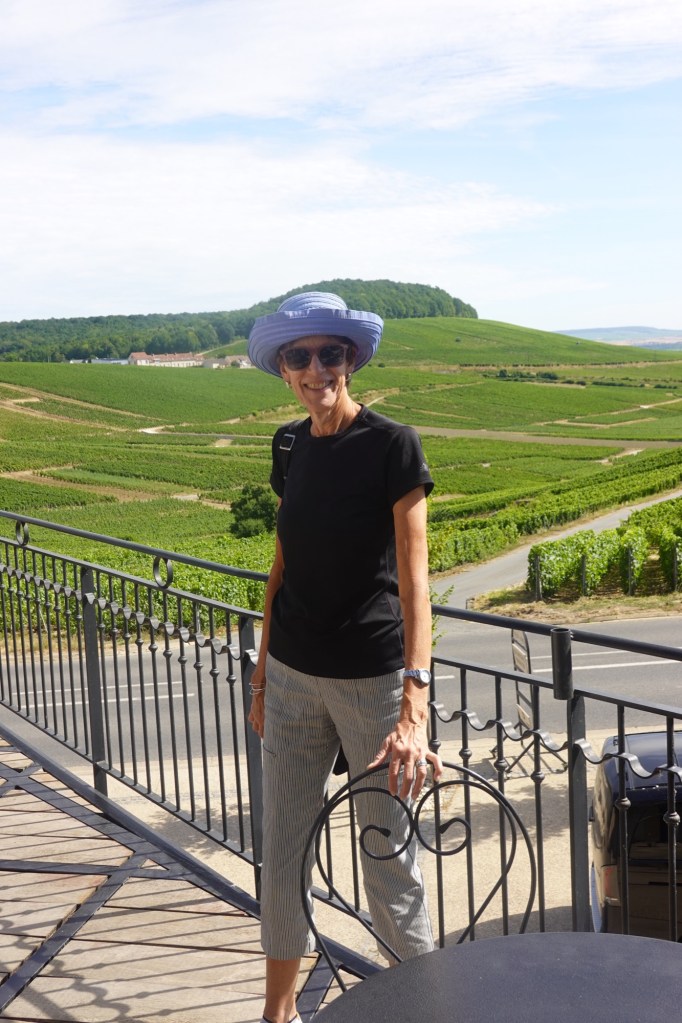
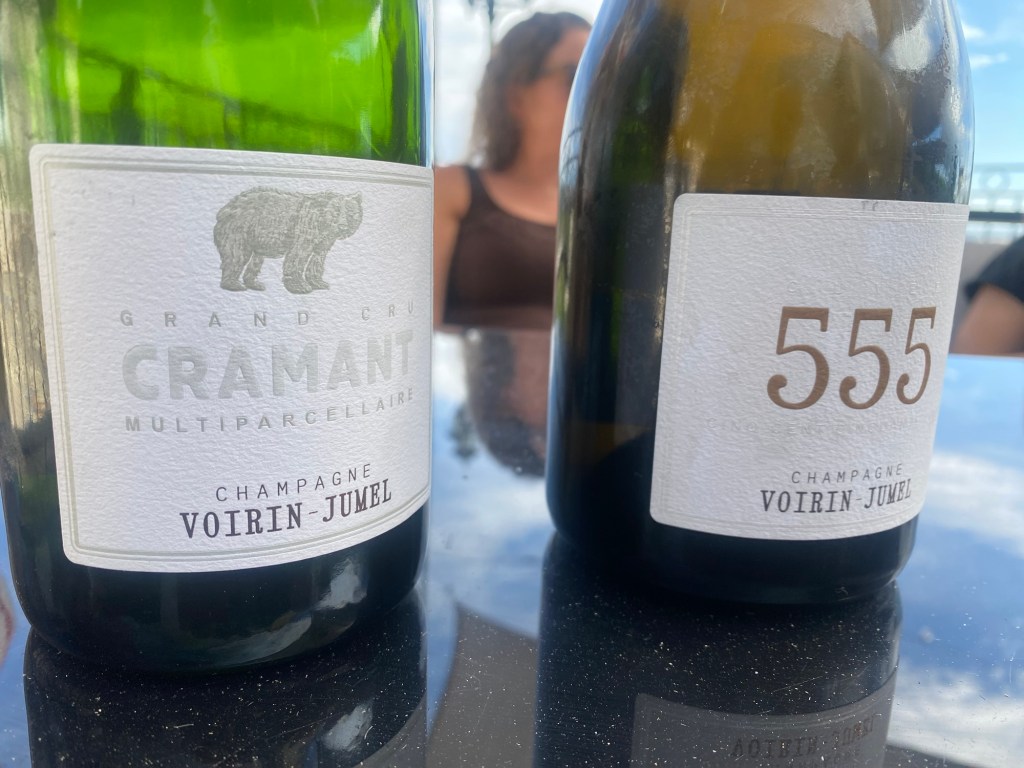
We started our tasting journey at Voirin-Jamel, a house run by two sisters. We were the only guests there, and it was a very informal tasting, sitting outside, with our tour guide Valentin pouring the champagne herself. Other than not chatting with the winemaker, it reminded me of our earliest visits to Napa Valley, when we were often the only visitors. The champagne was delicious, with tiny bubbles and high minerality.

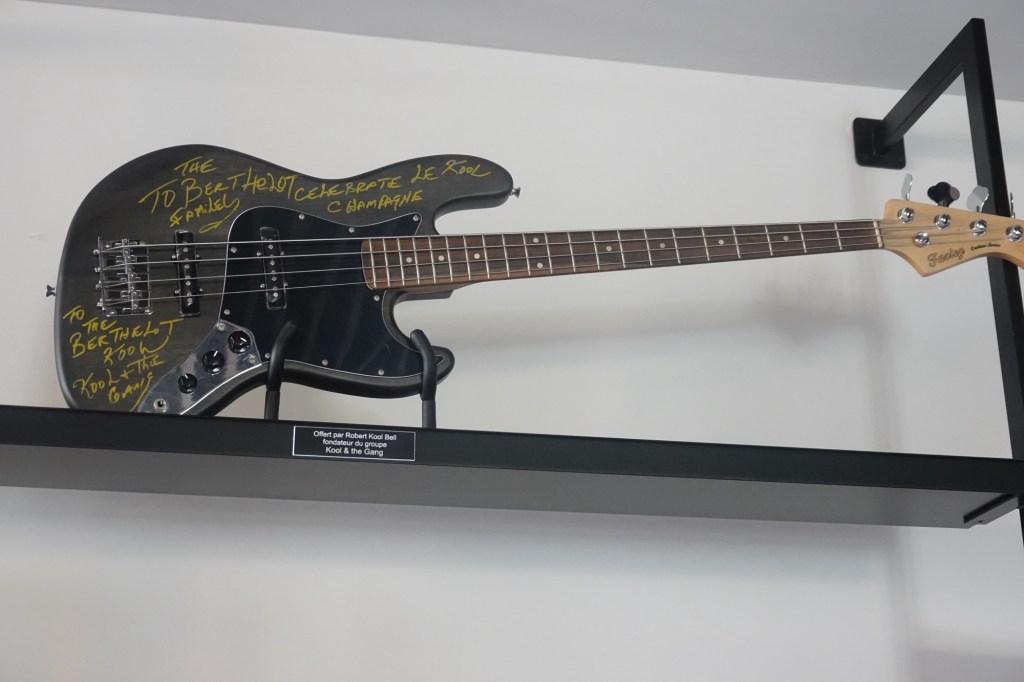
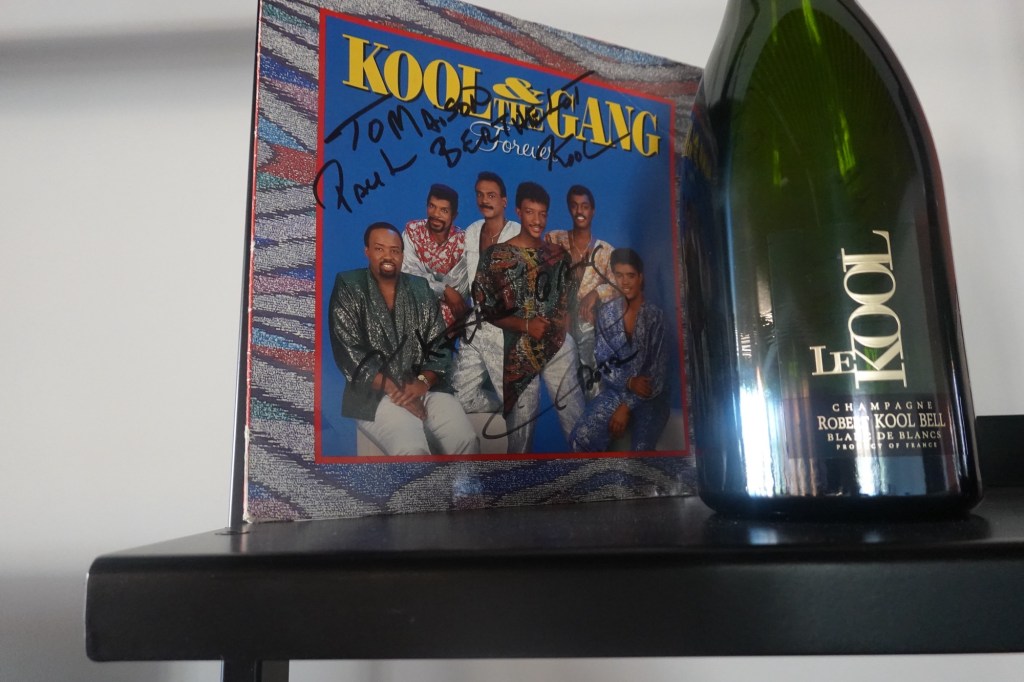
Next up was Paul Berthelot. As we entered the tasting room, the first thing we noticed was an autographed guitar and a bottle labeled “Kool and the Gang.” Turns out the house makes a champagne for the band. We got a tour of the facilities from a staff member, but we did see the young owner moving cases around in the production room, so another small operation. This tasting was more formal, but it was still just us, and the wines again were delicious. We bought one bottle to enjoy back in Paris, but I would have loved to buy more.

After a delicious lunch (with champagne), we were off to the grande finale, Louis Brochet, a brother and sister operation. Here is where we watched the bottling process, and after Valentin chatted with the brother for a bit, the sister set us up for a tasting on the patio. One of the wines we tasted really reminded me of Dom Perignon. I assume it was less expensive, but I never found out because we didn’t even talk about purchasing a bottle. As I said, the visits were all very mellow.
We finished our tasting ahead of schedule, so Valentin dropped us off at the Notre Dame cathedral in Reims for some independent touring. The Reims cathedral is quite famous because it was the traditional location for the coronation of the kings of France. It’s also where Joan of Arc led the campaign against England so Charles could be crowned king in 1429. There was hardly anyone in the cathedral, as has been the case in most cathedrals except the Notre Dame in Paris.

Our second trip from Paris was to Rouen with our friends. There were a wealth of day trips to consider, but I selected Rouen because Notre Dame de Rouen is the church Monet painted over and over as he watched the sun change its appearance from his bedroom window. Since this year is the 100th anniversary of Monet’s death, which will be accompanied by numerous celebrations, it seemed a fitting place to visit.
But when we approached the church I was quite disappointed. It was on a fairly busy road and covered in scaffolding – of course. But I got a photo with the sun streaming on it, and I could start to see the inspiration Monet might have had. But much to my surprise, when we walked to the other side of the church, our guide pointed out the house where Monet was living and the facade he painted over and over. I’ll have to do some more studying, but I’m going to assume he painted both facades.


Once inside, Jim and I succumbed to church fatigue. Plus, many of the stained glass windows hadn’t been replaced after they were damaged following bombings in WWI, so it didn’t call to me like Metz or Reims cathedrals. But it does have the highest spire in France.
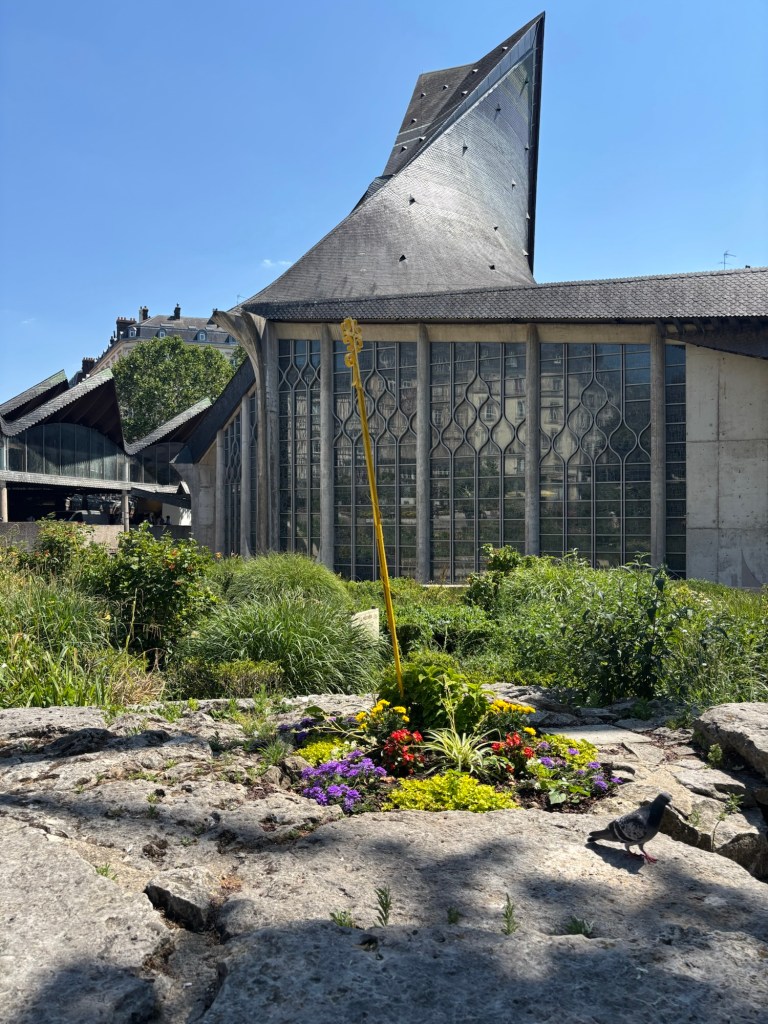
So we toured the cathedral, had lunch, walked some more streets with 16th and 17th century history, took pictures of the oldest inn in France, and then, finally – “here is where Joan of Arc was burned at the stake.” The actual site is low key, to say the least, though at least the church and cross they erected later in her memory is impressive. It looks like a dragon from the outside and is open and Scandinavian-looking inside.
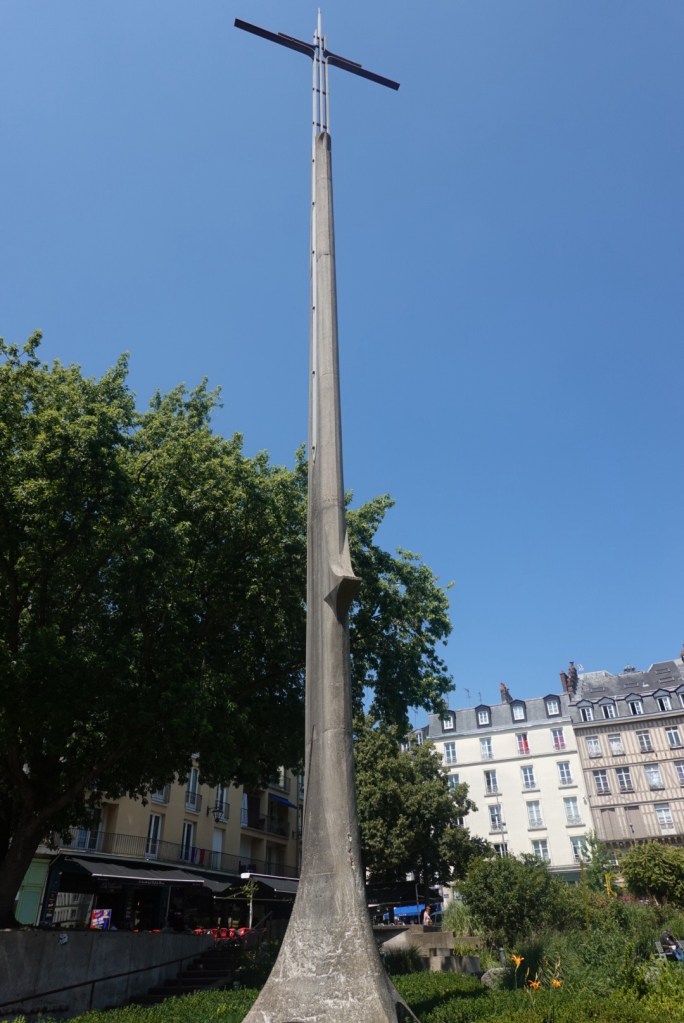
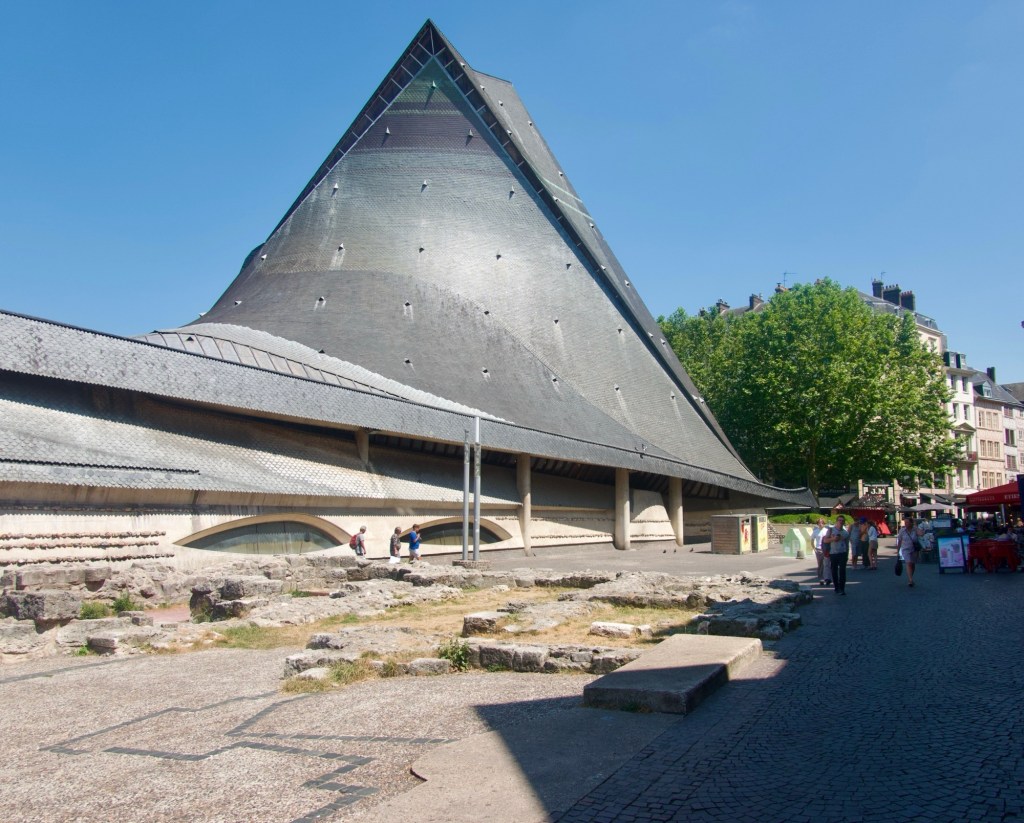
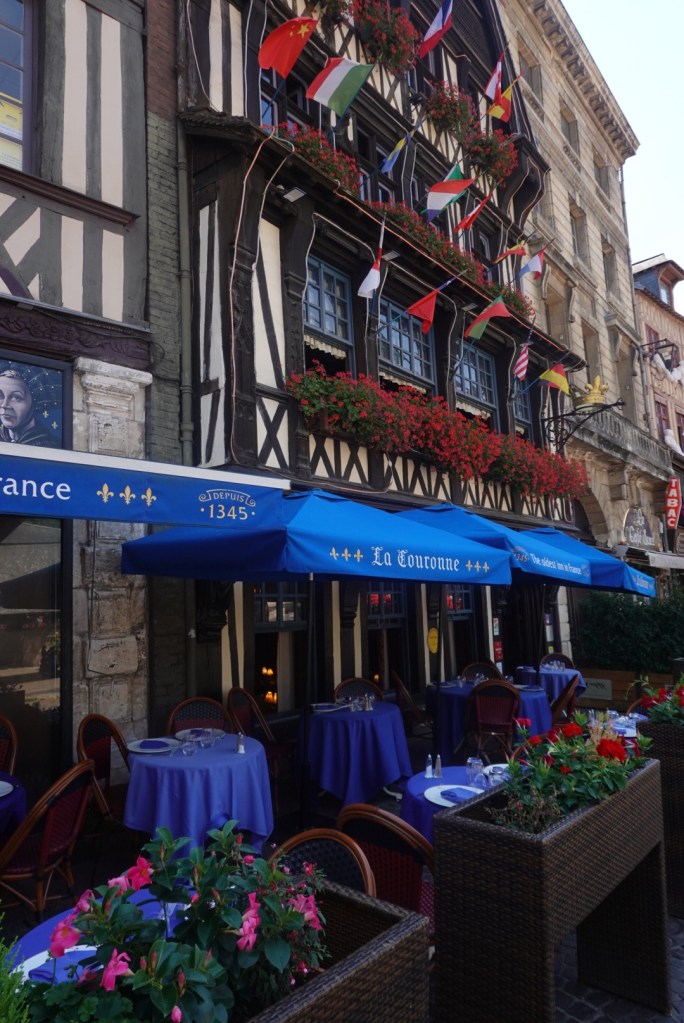
Since I’m not writing for the tourist board, I can be honest and say Rouen was a bit of a letdown, but you don’t know until you go. It also might be more enjoyable if taken in over a couple of days instead of a day trip. But I now have more to research in Monet’s paintings!


I’m still amazed at the amount and intricacies of your’s and Jim’s research in writing these blogs.
totally impressed and enjoy your hard work.
LikeLike
I’m still amazed at the amount and intricacies of your’s and Jim’s research in writing these blogs.
totally impressed and enjoy your hard work.
LikeLike
I’m still amazed at the amount and intricacies of your’s and Jim’s research in writing these blogs.
totally impressed and enjoy your hard work.
LikeLike
I don’t have the words to describe my thoughts on this trip
Monet painted on more than canvas!!!
LikeLike