For the first week or so of our visit to Panama the weather was sunny, hot and humid. Afternoon highs averaged in the upper 80s Fahrenheit (30ish on the Celsius scale), with pleasant temps in the mid 70s in the evenings and overnight. It’s the dry season in Panama, which lasts from roughly December through mid-March, so the only rain we saw was one afternoon shower earlier in our journey.
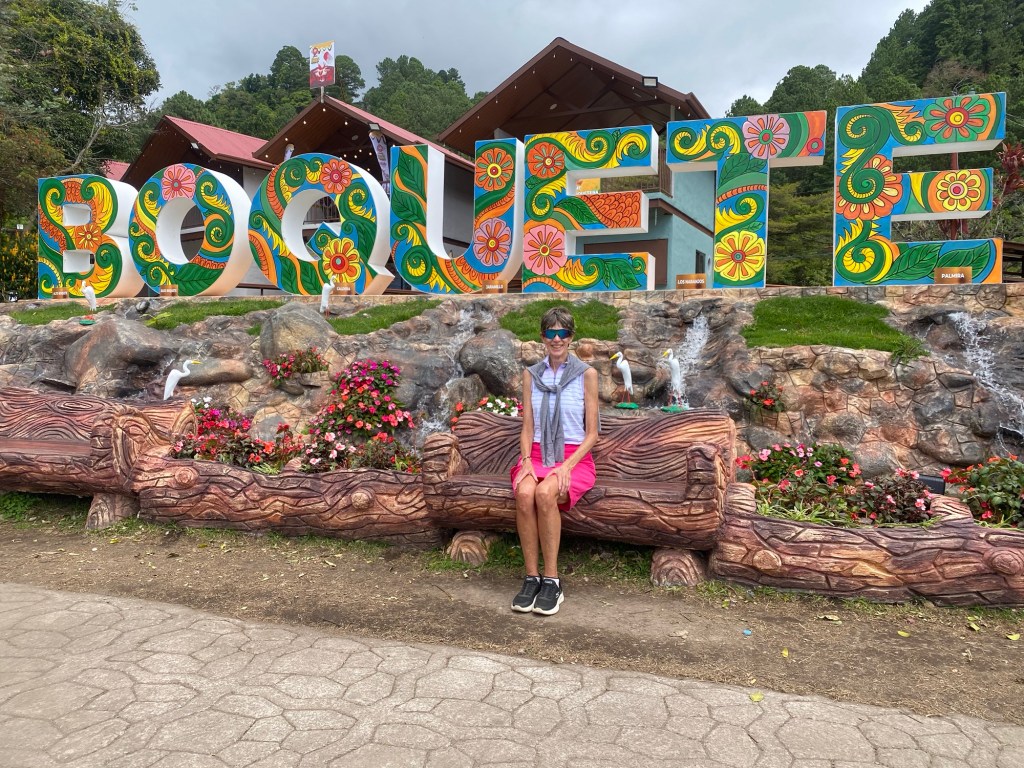
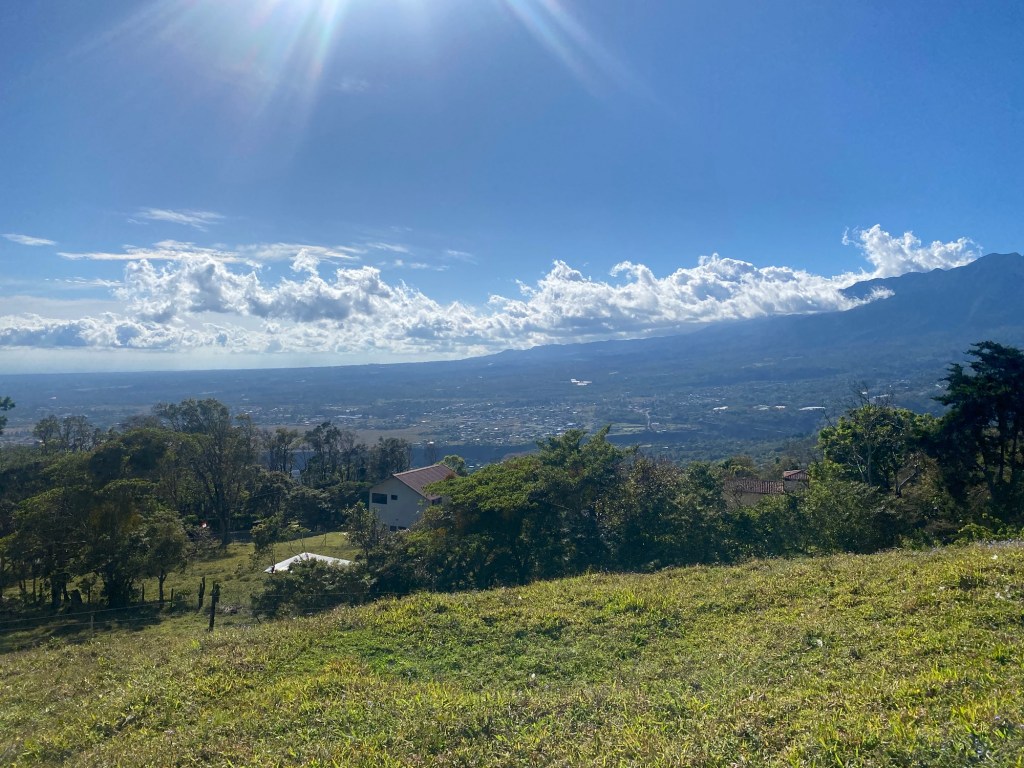
But we are now in the mountain town of Boquete, and wow has the script been flipped. The highs reach only into the low to mid 70s, but breezy conditions can make it feel chilly at times.
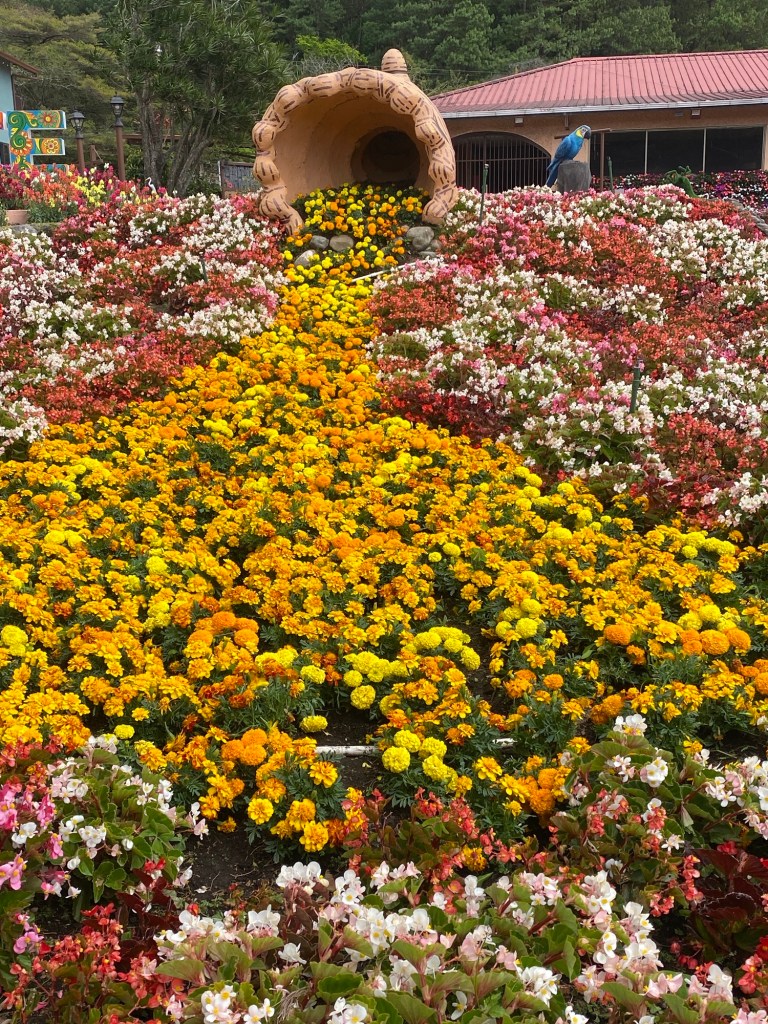
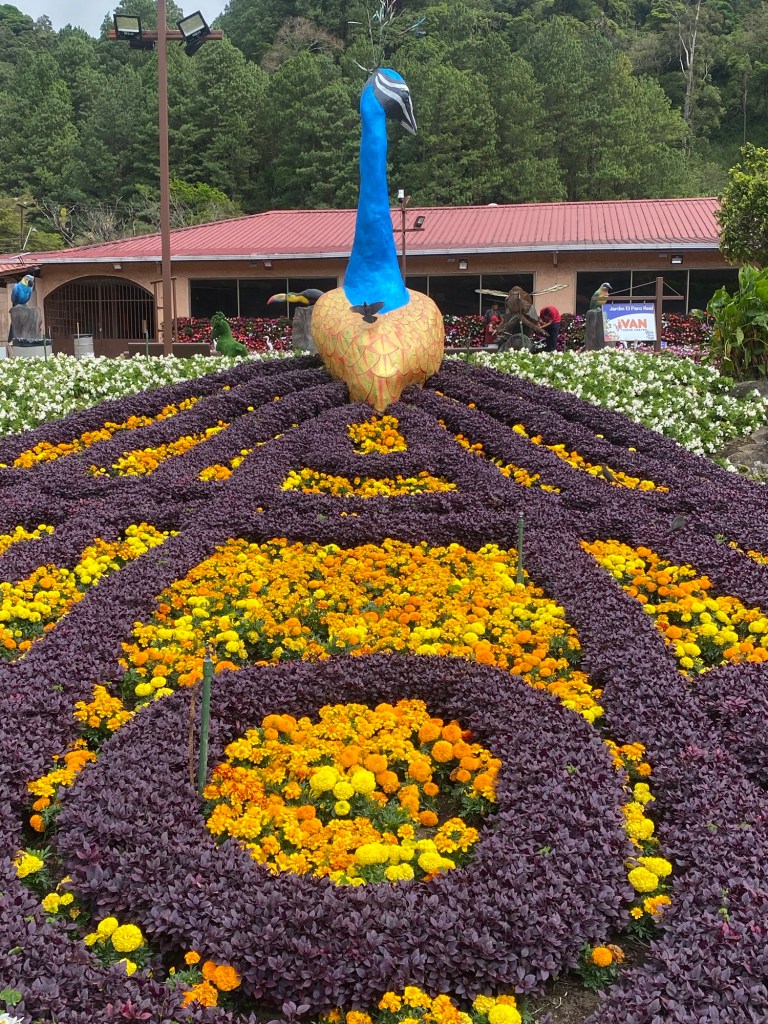
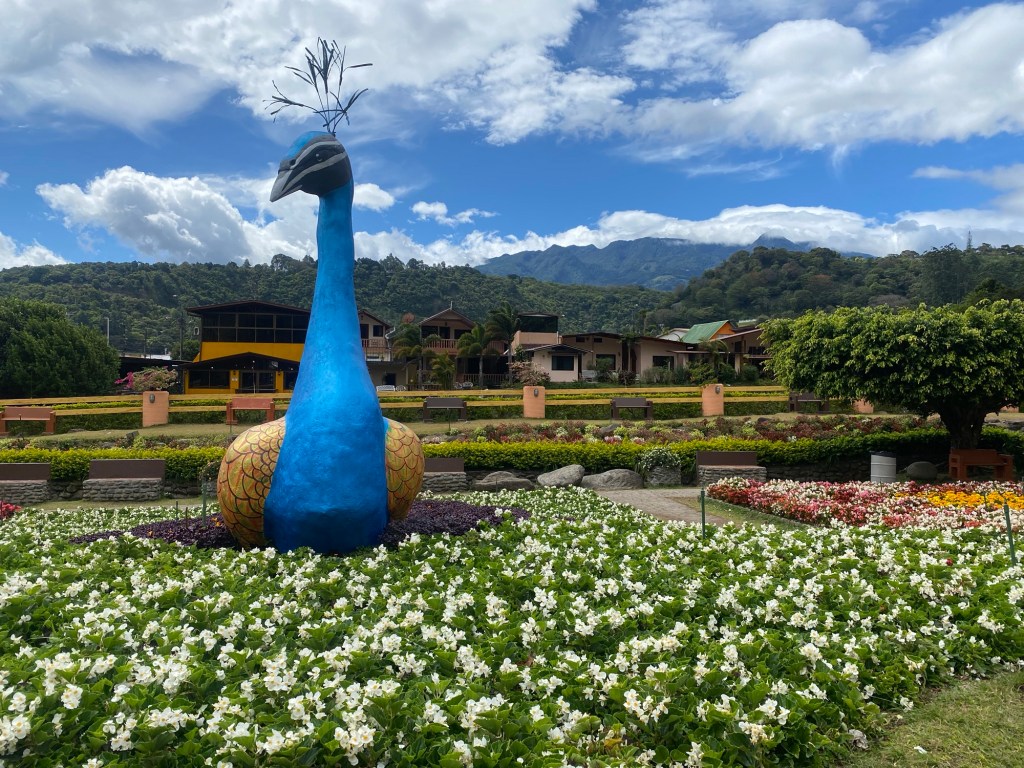
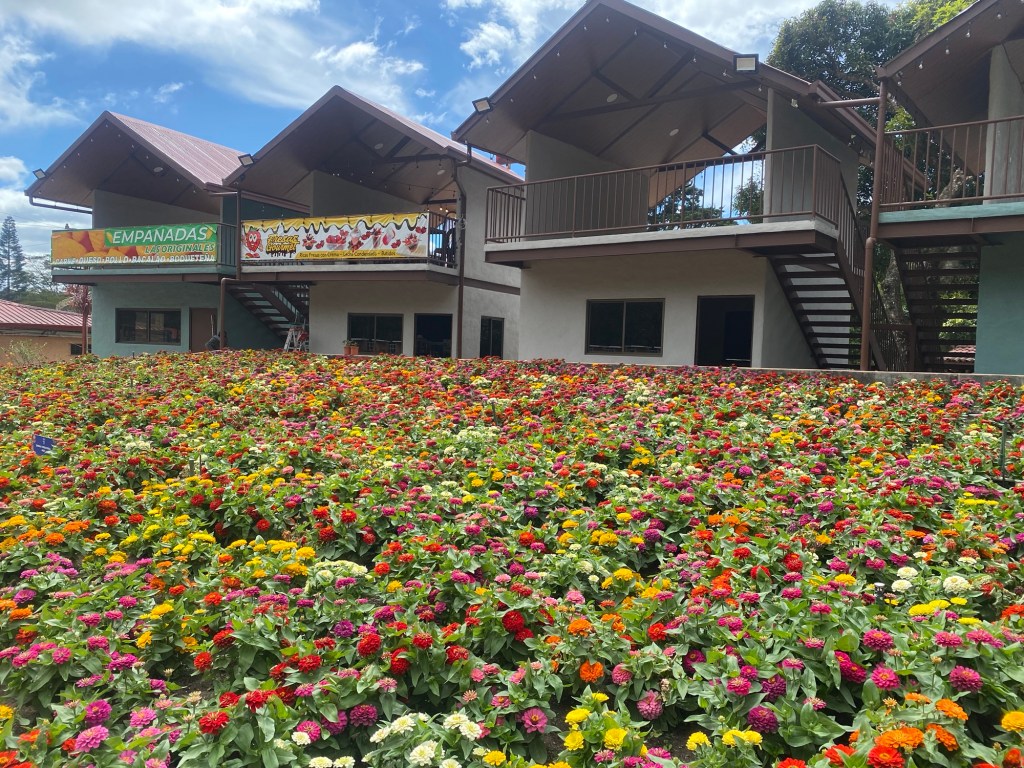
Boquete has long been a popular spot for expatriates so we wanted to check it out. We aren’t contemplating a permanent move, but maybe a longer stay in the future. It has a lot of appeal. With about 35,000 year-round residents there are a lot of options for things to do and a decent number of restaurants. And it’s gorgeous territory.
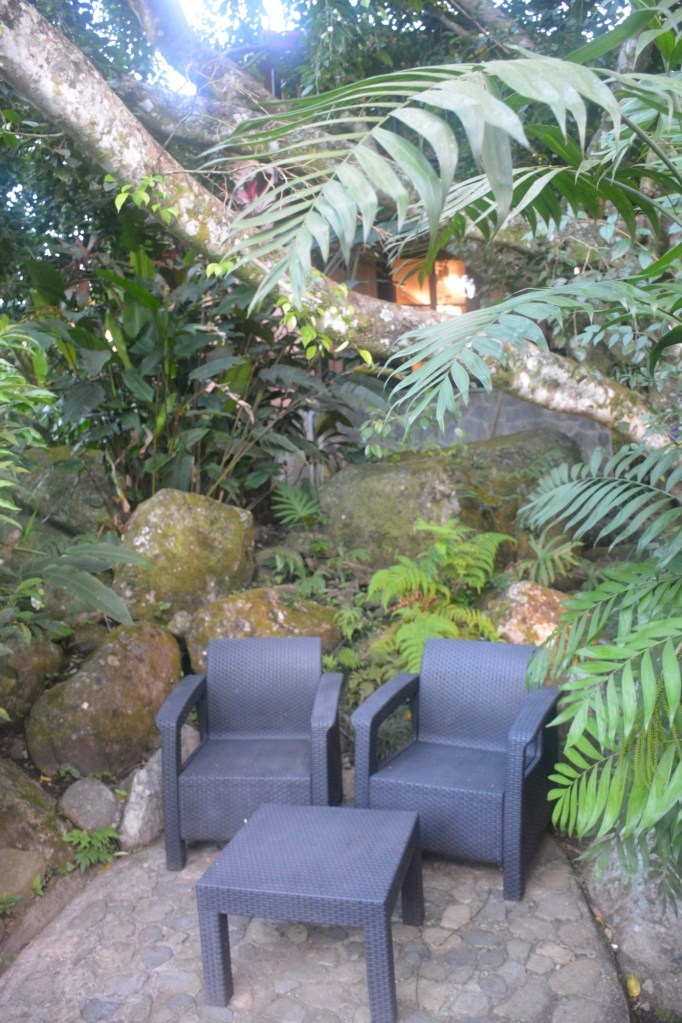
The town is located in a mountain valley, so the wind whips through, not unlike the canyons in Southern California. It’s more lush here because it’s a rainier climate, but the wind is strong. It’s also been unusually cloudy and rainy for this time of year, according to our innkeeper. But we’ve had mostly sunny skies with only an occasional light spritz.

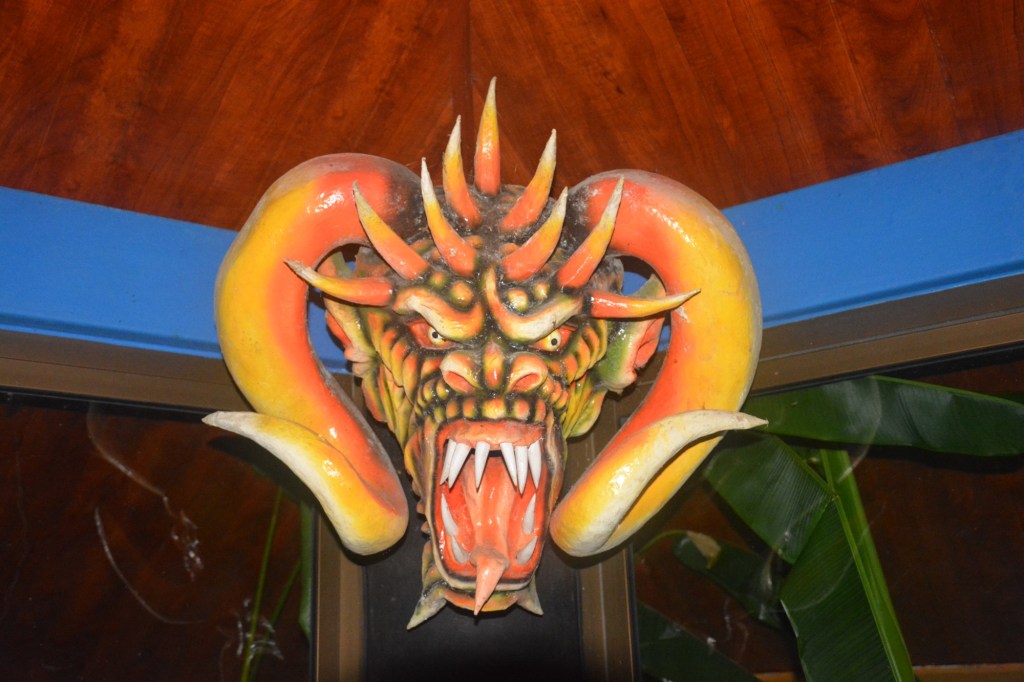
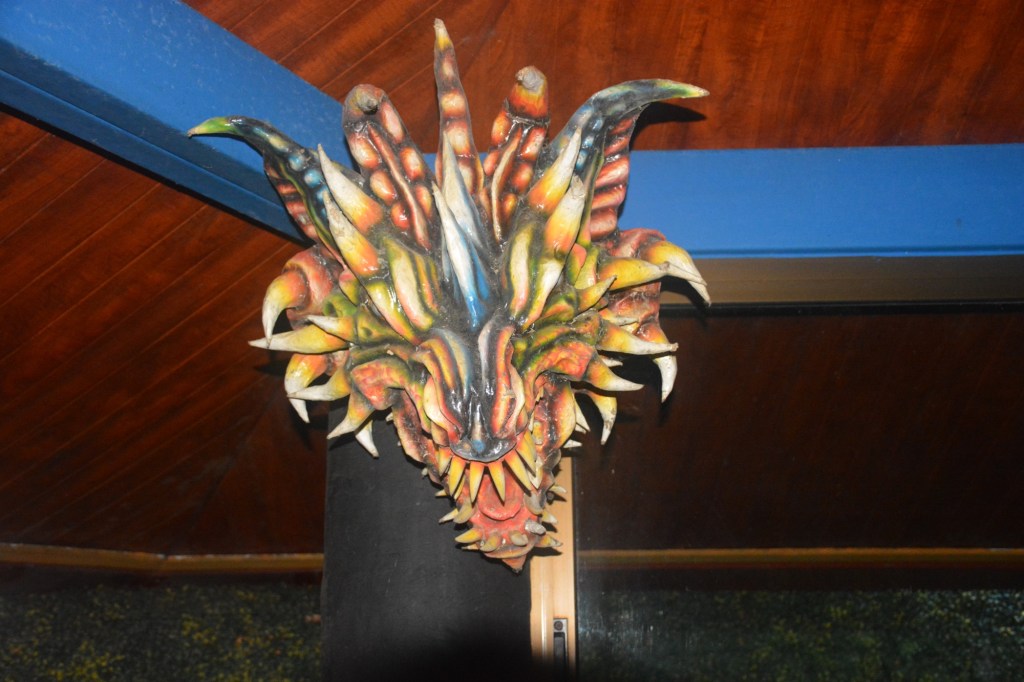

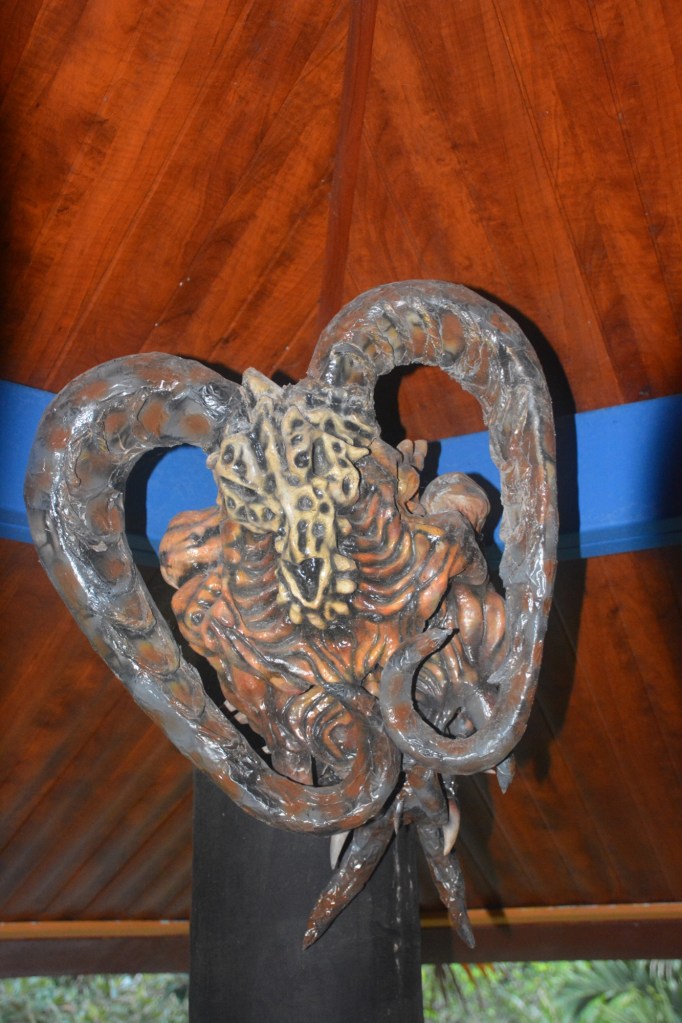
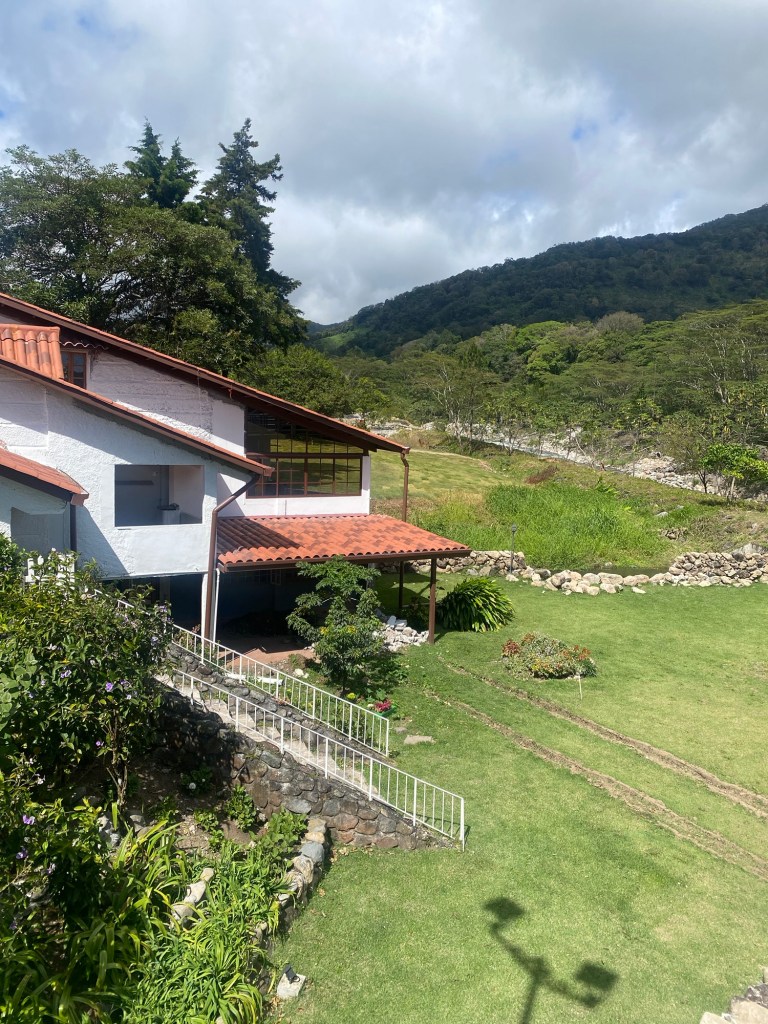
We stayed at a property called the Boquete Garden Inn, which has just 13 rooms in seven casitas surrounded by lush gardens and an abundance of bird life. The staff will set out fresh fruit in the morning that attracts a number of those birds. Yeah, it’s a cheat, but it makes for an entertaining show.
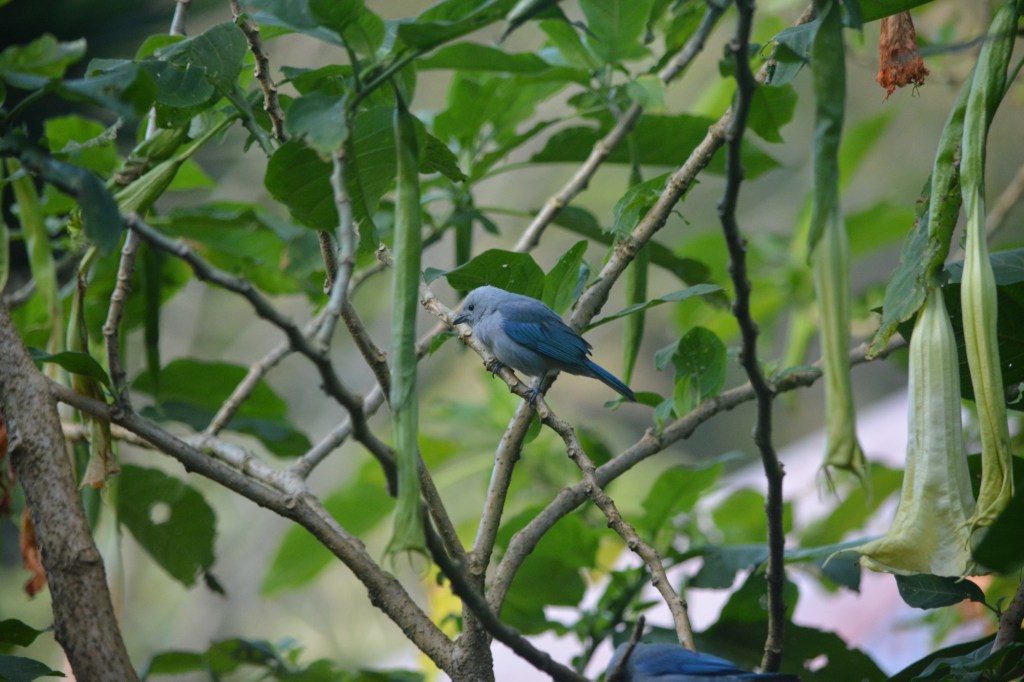

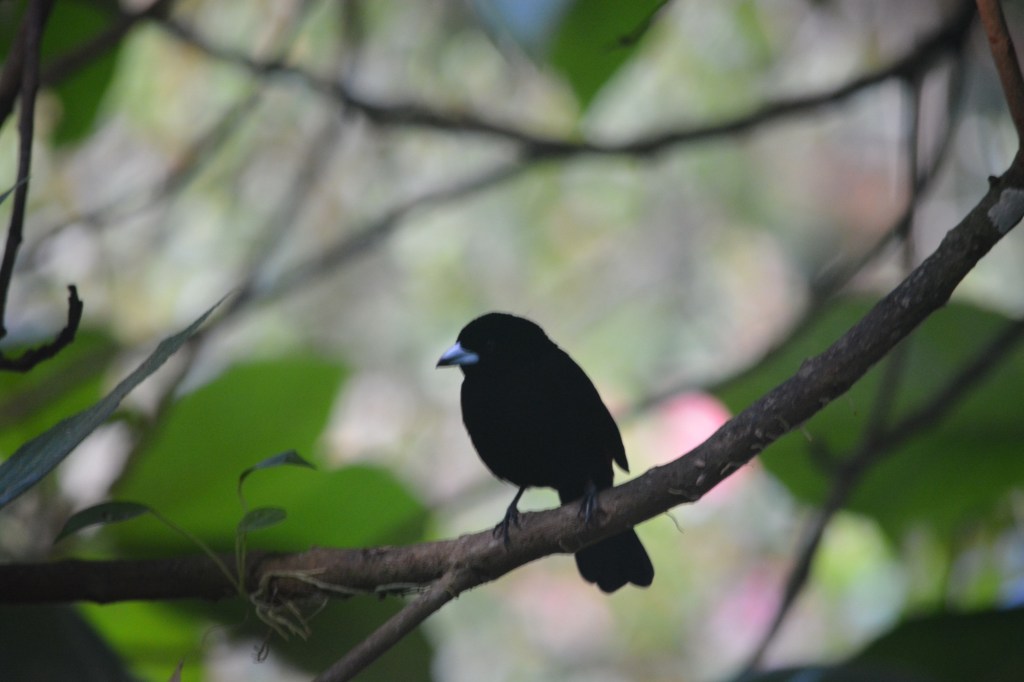

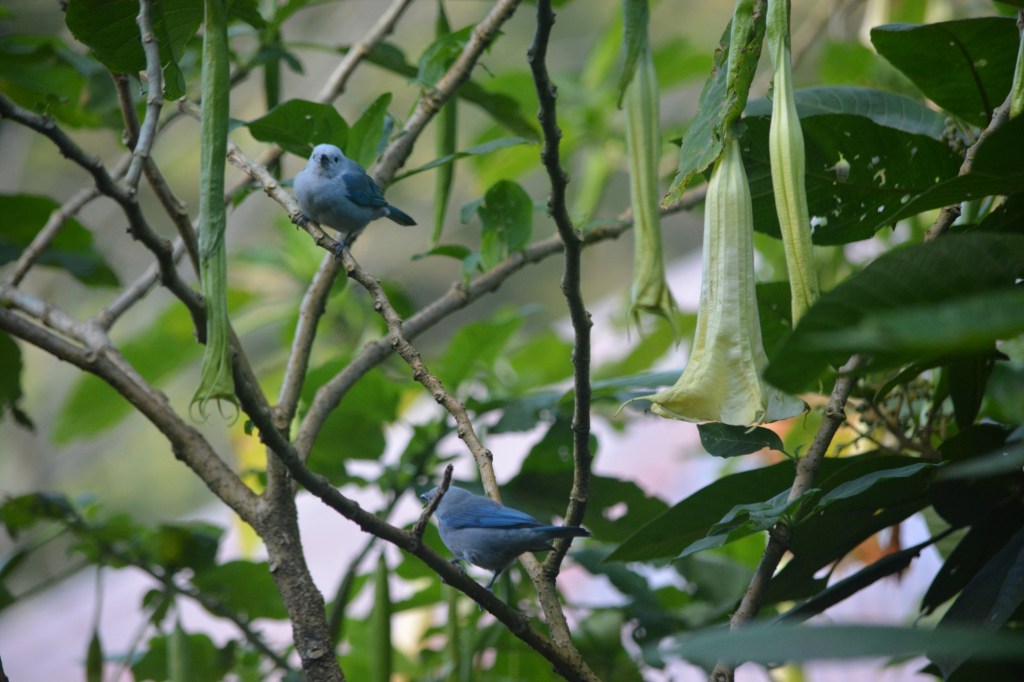

But the Boquete area does attract a lot of birders. We aren’t in that class. I can enjoy them, but I’m not about to spend six hours hanging around to catch a glimpse of a single obscure avian species as those folks do. Whatever floats your boat as they say.


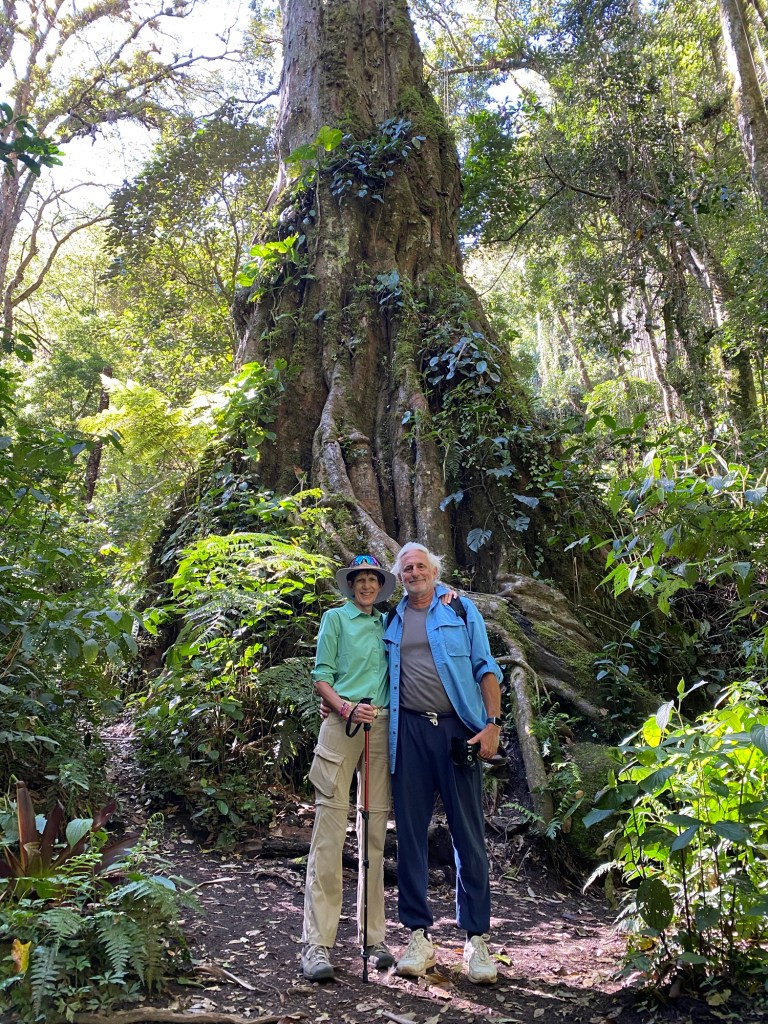
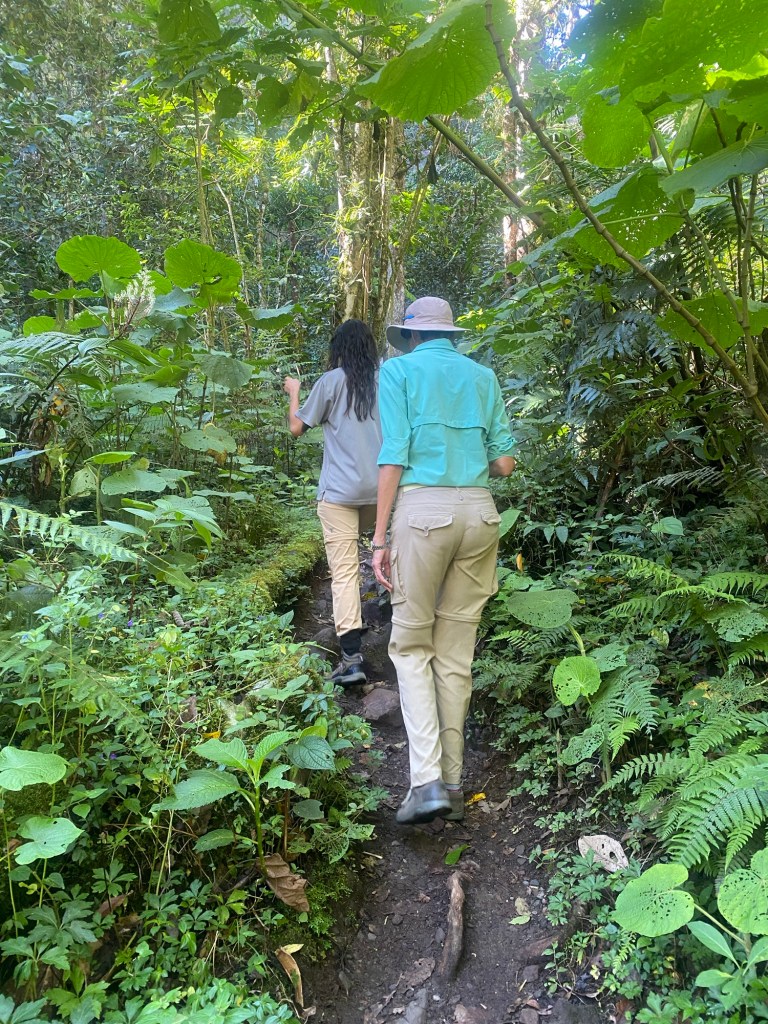
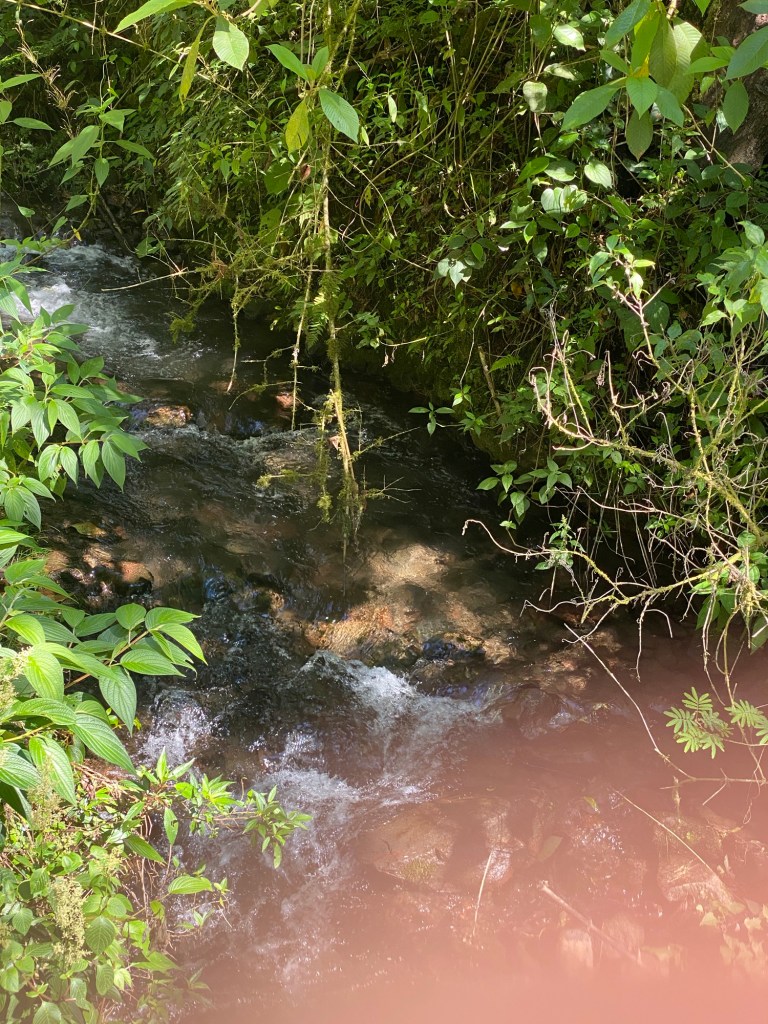
We did do one hike in the area, the Pipeline trail, which ends at a waterfall. The pipeline in question brings water from mountain streams to supply drinking water to the town. It also can be good for bird watching but probably best early in the day when the critters are most active. We didn’t see many birds, but truth be told our focus was on the ground in front of us. Looking up while traversing rocky terrain is generally a recipe for falls or other bad events.
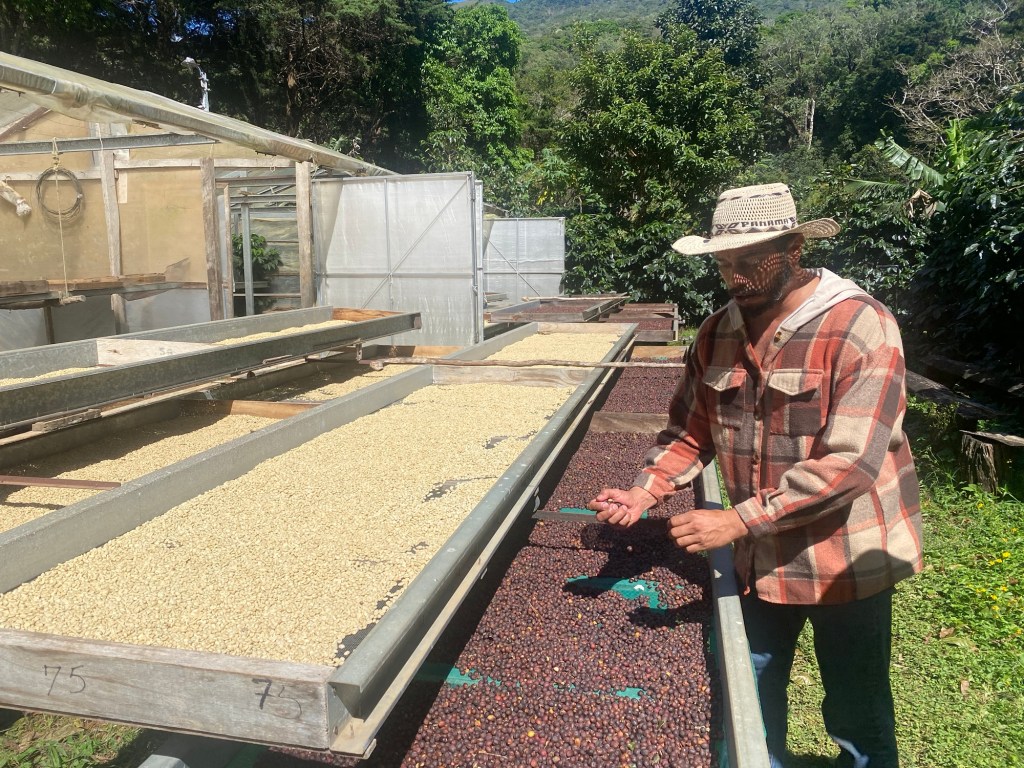
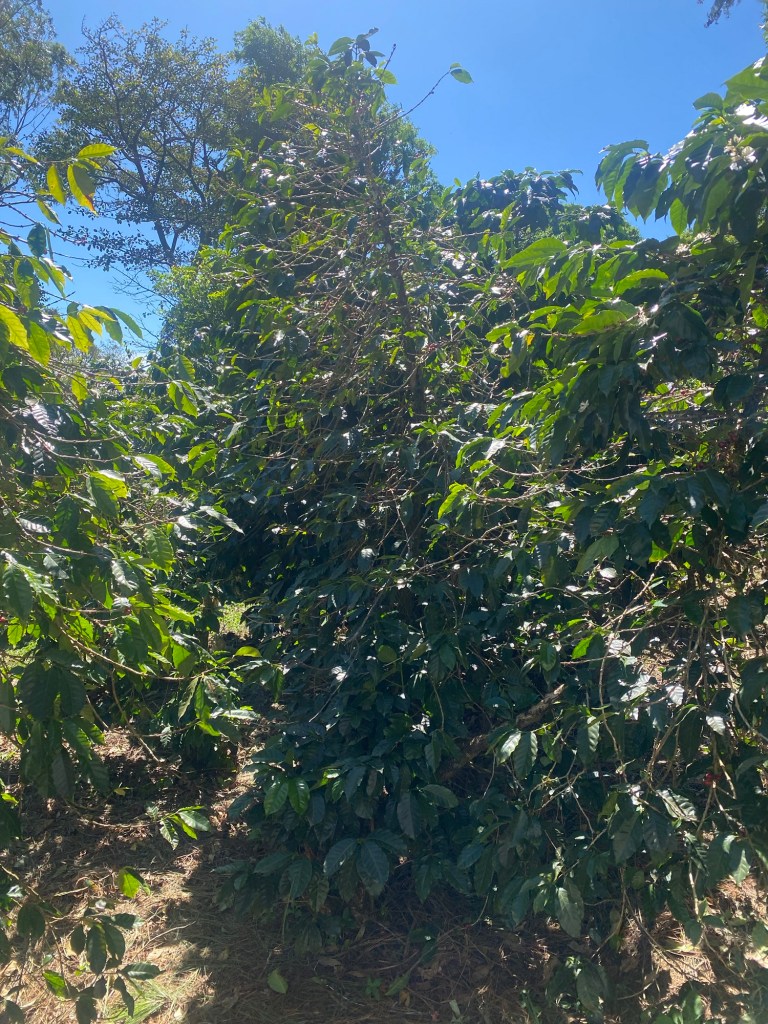
Our second tour was a visit to a Panamanian coffee producer. We wanted to compare it to what we saw in Colombia. Colombia is a much larger producer than Panama — the third largest in the world— but we visited a specialty grower there, not a mass producer.
However, the approach of the Panamanian grower we visited was different. The farm grew multiple varieties of coffee, and the plants were taller. A big difference was that in Panama the small producers generally don’t roast their own beans. They sell green beans to roasters around the world. Panama grows one variety called Geisha that is the most expensive coffee in the world at auction. It has an almost tea-like taste.
Our farm did have a couple of small, essentially homemade roasters that they use for demonstrations for visitors like us. So we were able to get wired up tasting various coffees. We learned that contrary to what you might think, lightly roasted coffee contains the most caffeine; dark roasts the least because the roasting process cooks out the caffeine. Between the type of bean preparation (natural, washed and honey), the roasting type (light, medium light, medium, dark) and the various bean types (this farm grew five), the variations in flavor are wide.
Another fun fact. Coffee beans (actually it’s a fruit) will absorb other flavors prior to roasting if not shipped and stored properly. In the old days prior to modern packaging, coffee that originated in Africa and became popular in Europe was loaded on boats with all kinds of cargo. Live animals, other farm products, you name it.
Well, that could result in some pretty shitty tasting coffee. Which is why the Italians started roasting it to the point of being nearly burnt — to hide those yucky flavors. So there you go, that’s how espresso was born, our guide said.
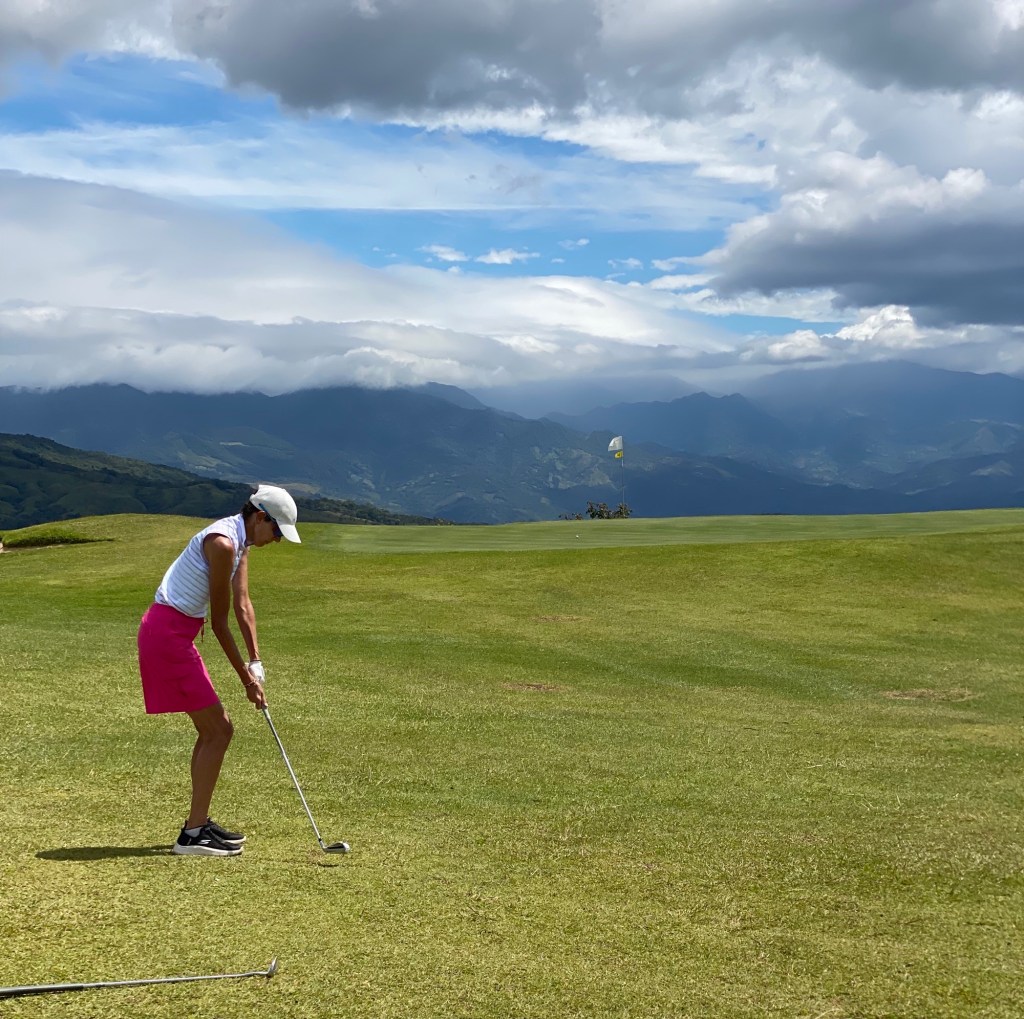
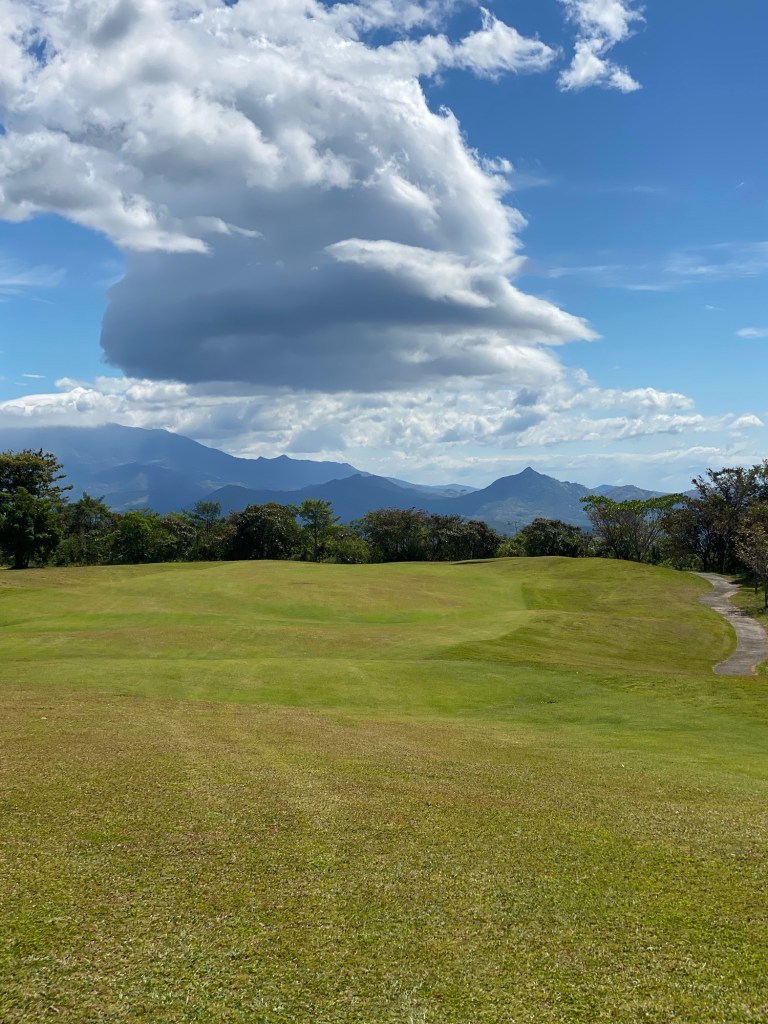
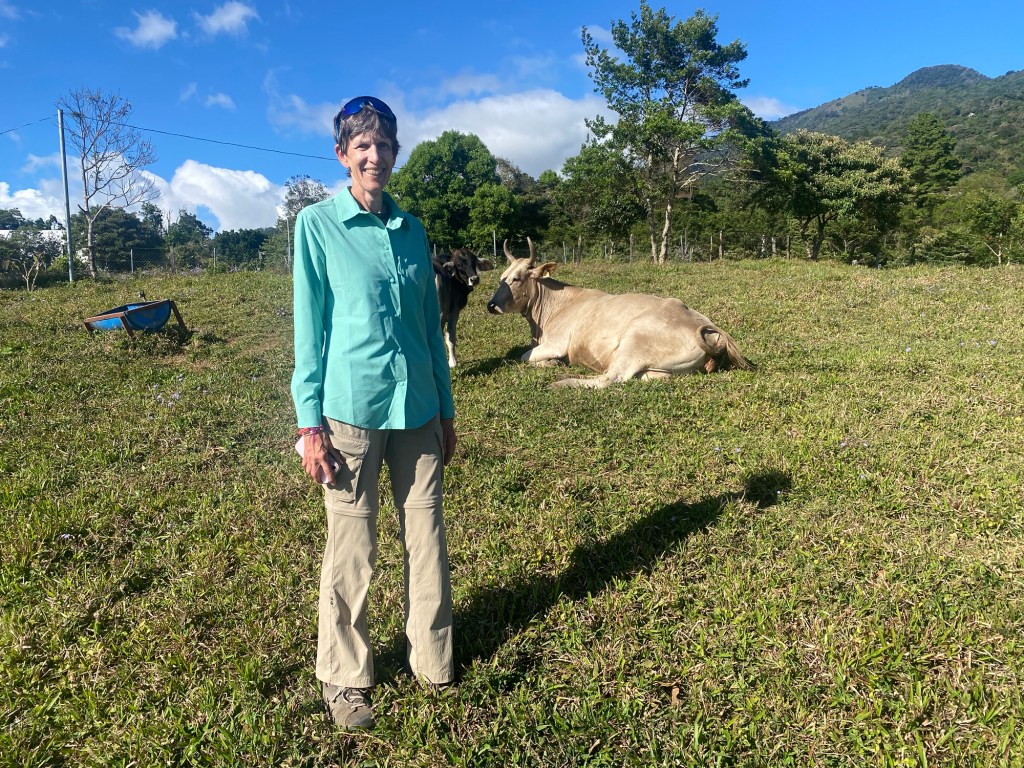
More Lucero scenes. The temperature was significantly warm we just 30 minutes out of Boquete. That made Pat happy.
 It's What We Do
Please bring back some of this color –everything looks magical
>
LikeLike