When we first considered adding Colombia to a planned trip to Panama Pat mapped out an itinerary that didn’t include Cartagena. We feared it would be cruise-ship hell, being one of those charming cities with a compact old town surrounded by walls, just the sort of place that can be overwhelmed by thousands of cruise passengers disembarking for the day.
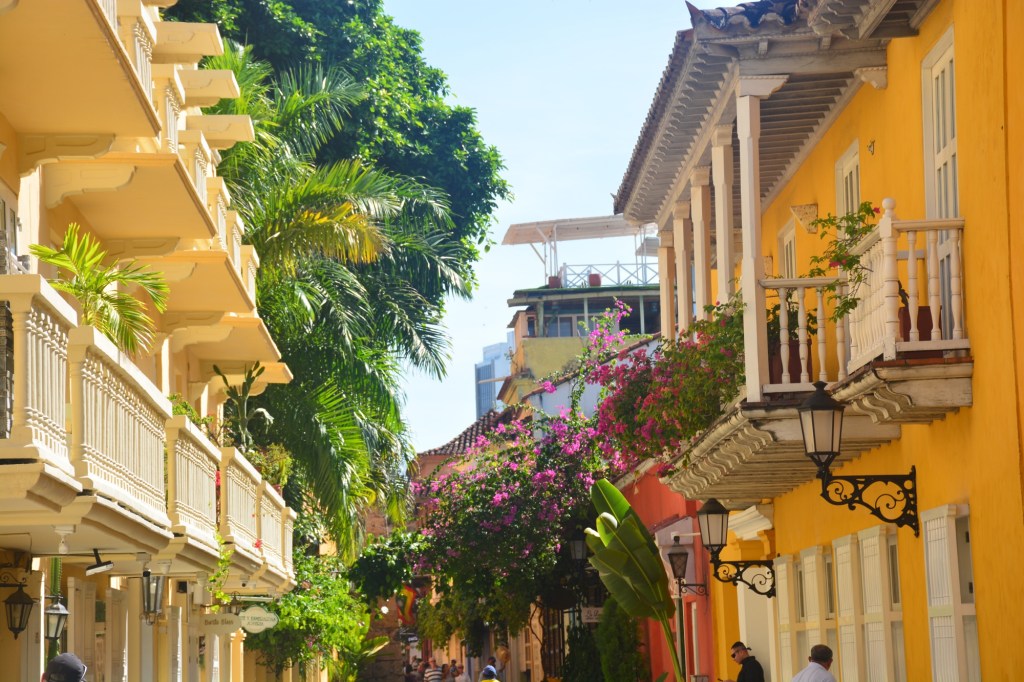
This fear was reinforced when Diego, our guide, instructed us to say “no gracias” to the many vendors and street performers who would approach us. That was a big change from sharing a “Buenos Dias” with just about everyone we came across in the other places we visited. That said, the vendors were less aggressive than in other countries we have visited.
The city was indeed teeming with cruisers, but thanks to Diego keeping us one step ahead of the tour groups during the day, we enjoyed a more relaxed experience in town. After a raucous ride on a “chicken bus” to a fishing village on the second day of our two-day visit, we succumbed to the city’s charm.

Even without cruise ships Cartagena felt totally different than our other stops since it sits squarely on the Caribbean coast. It’s hot and humid and there is more of an African influence. Elsewhere in Colombia the weather was more springlike and the vibe more relaxed.
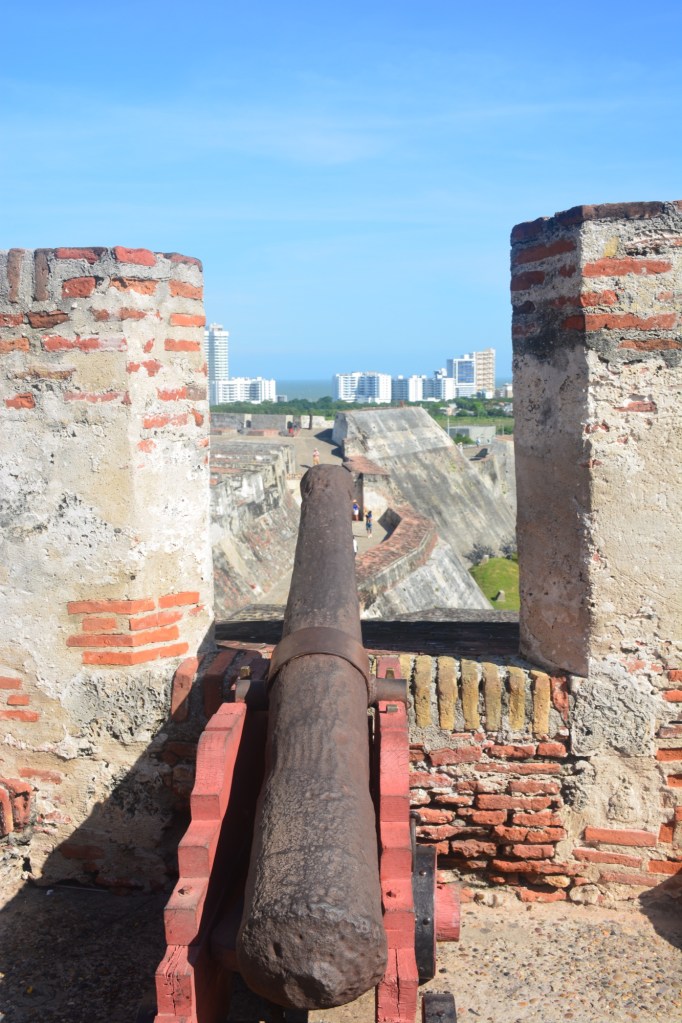
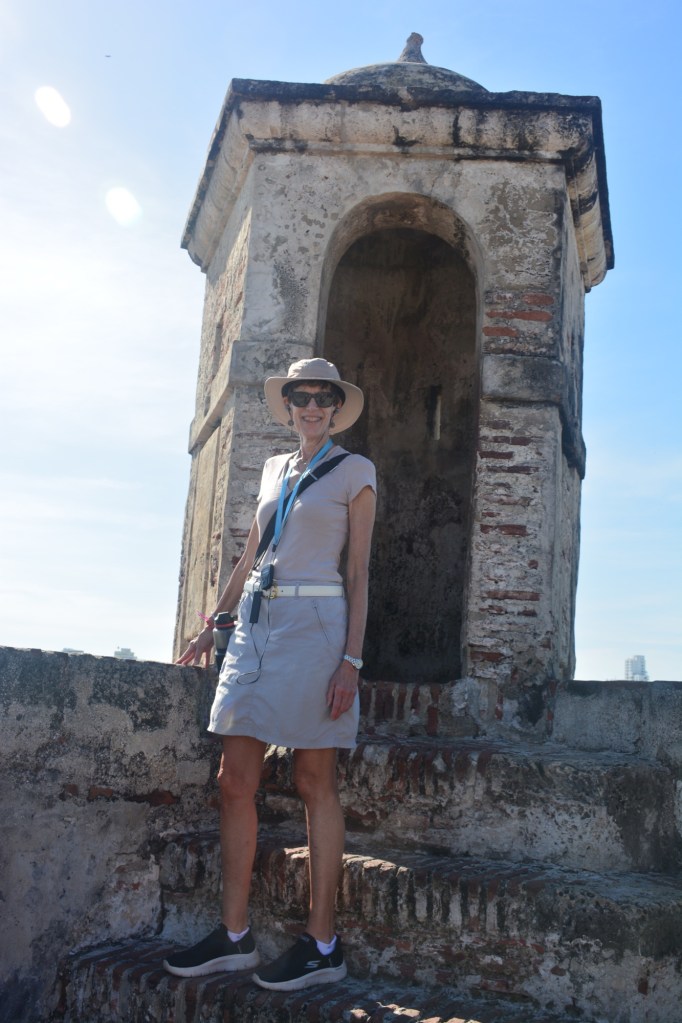
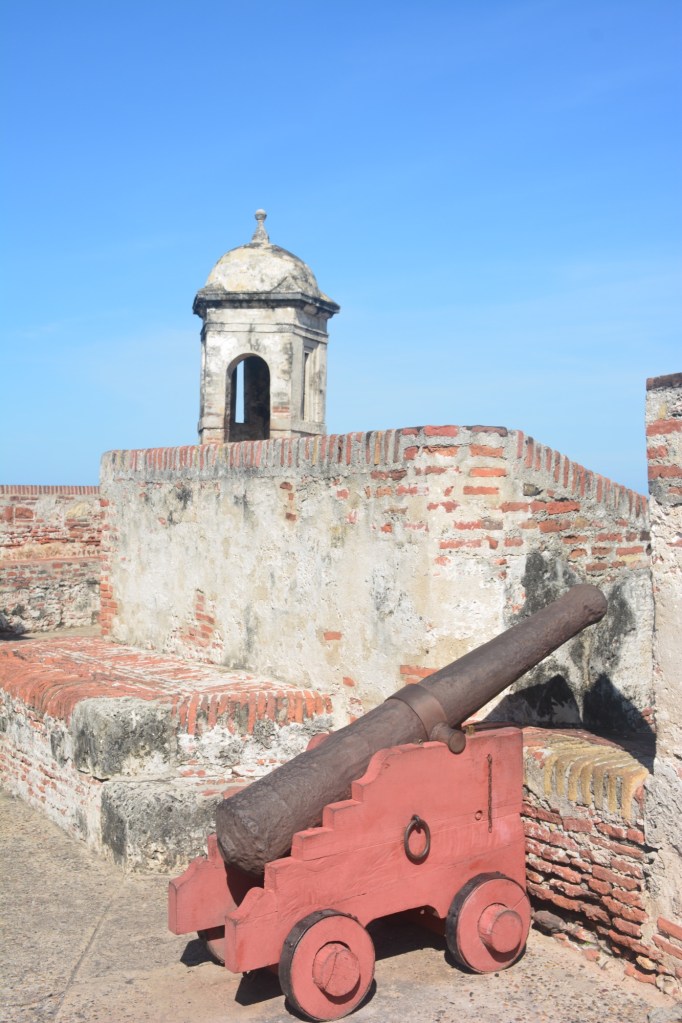
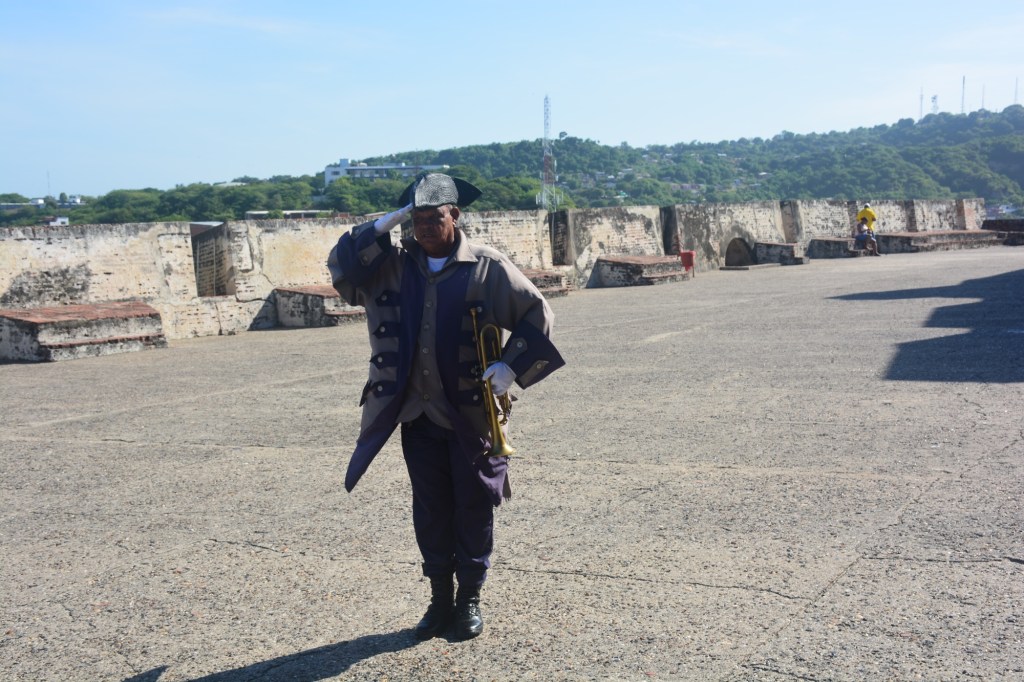
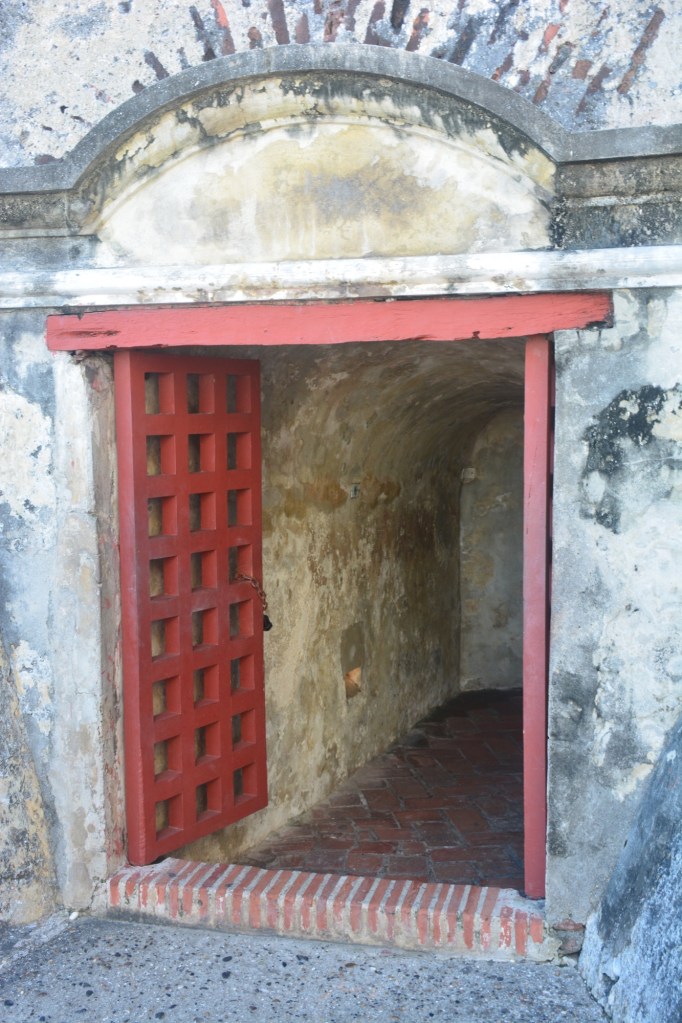
Our first official tour was of the San Lazaro fortress, which was built by the Spanish conquistadors to defend the city. Cartagena was where the Spaniards brought all of the booty they looted from the region — gold, emeralds and other valuables — for shipment back to Spain. They also brought in slaves from Africa.
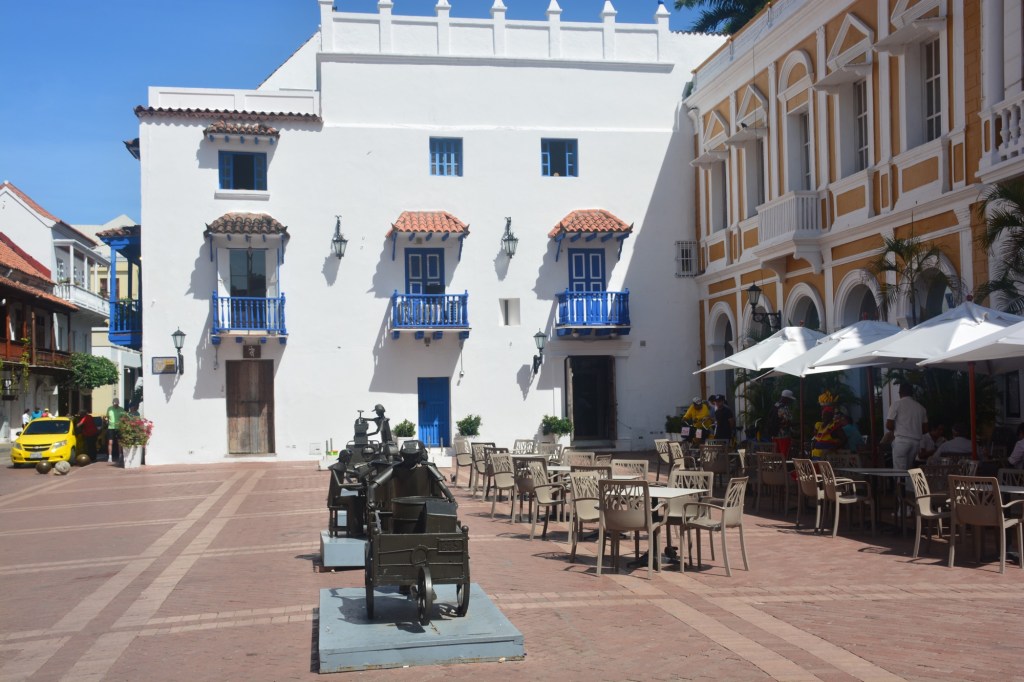
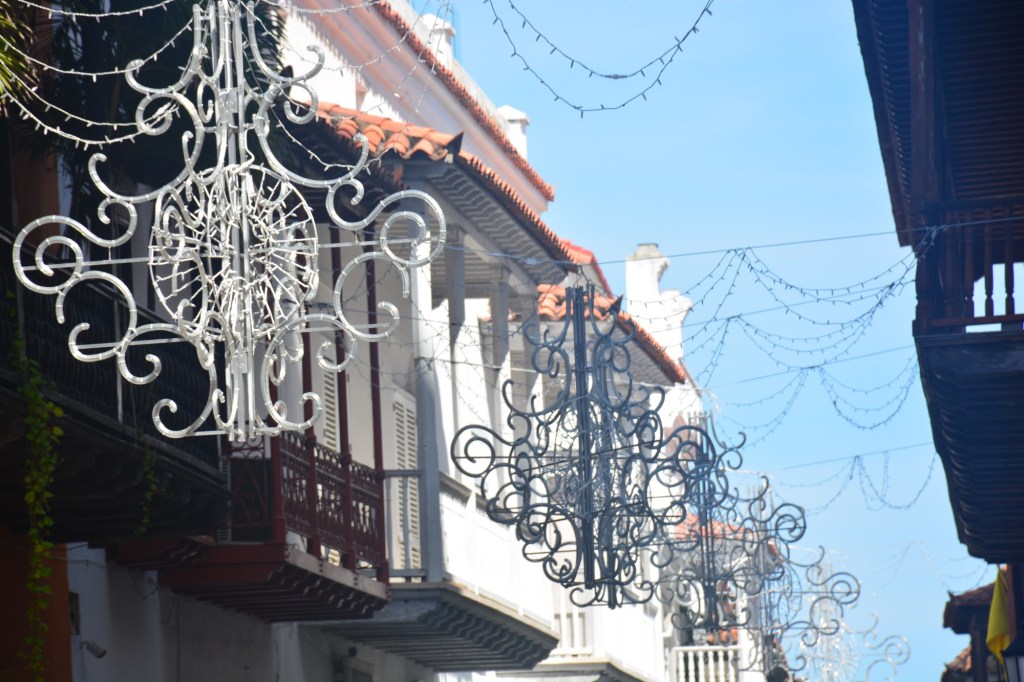
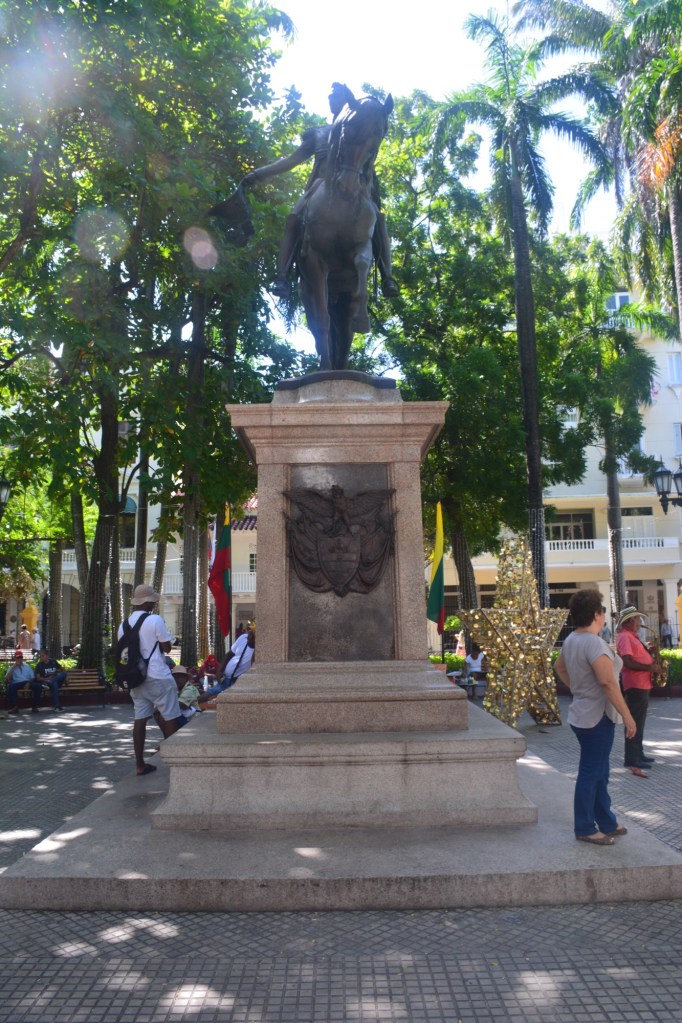

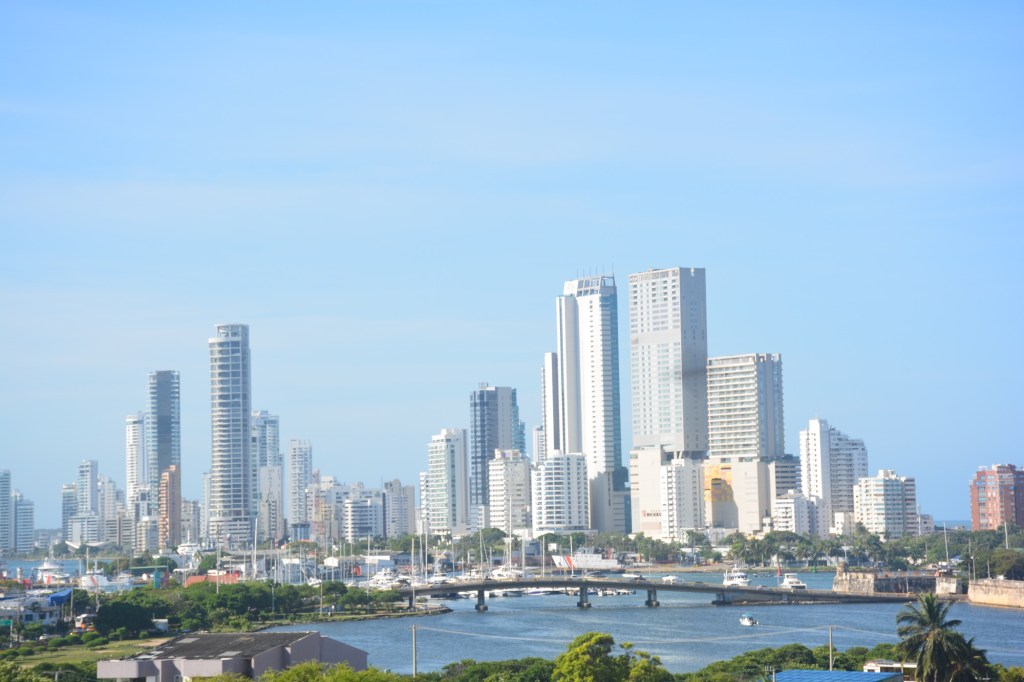
Suffice it to say Cartagena was an attractive target for pirates and rival colonial powers like the British in those days. Now the fortress is a popular tour stop that offers good views of the city.
Next we hopped on our bus for a visit to another part of the old walled city where a highlight was meeting some of the women of African descent that can be seen walking around in colorful garb with fruit baskets on their heads. It’s faux fruit, but the stuff weighs about five or six pounds, so it’s a lot to tote around.
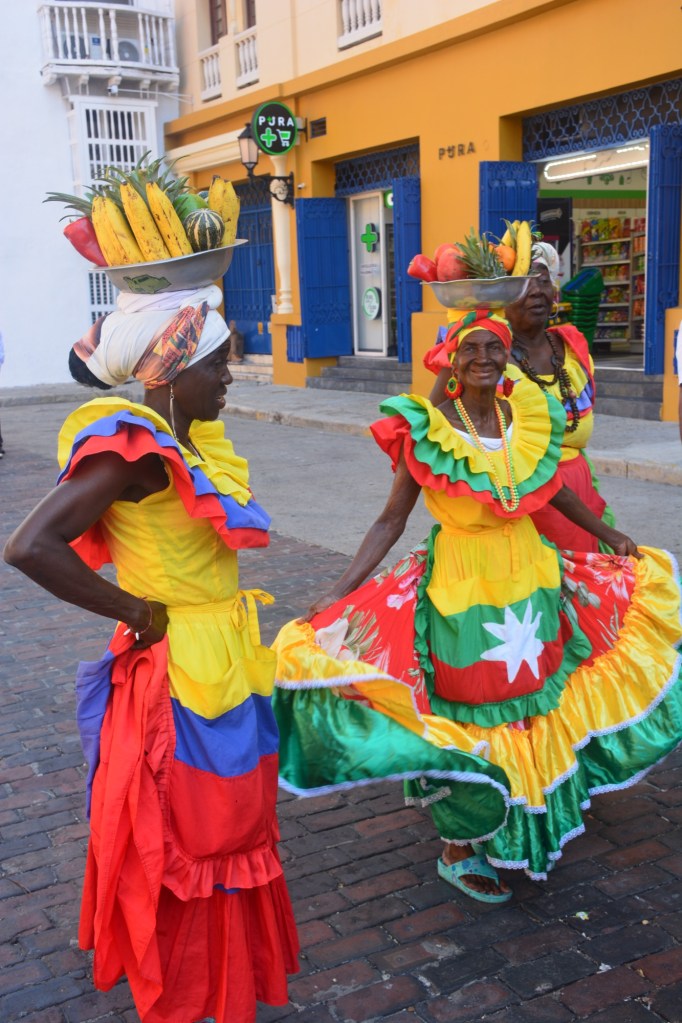
The women in question make their money by engaging tourists to pose with them for pictures, for a tip of course. Diego warned us they will confront you if they spot you sneaking a photo from afar, so be aware. They are all about the old city.
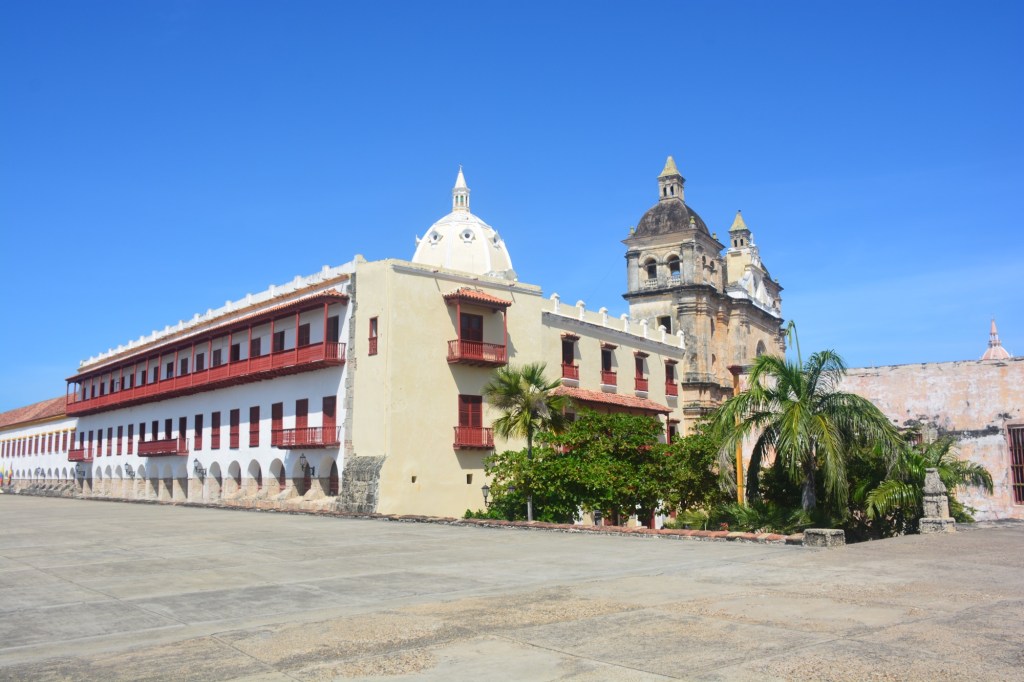
The old city in the evening remained lively but was much less crowded once the boat people returned to their cruise ships. We enjoyed a cocktail in Plaza San Pedro Claver, where various street performers took turns entertaining people, again for tips.

Our final day in Cartagena began with a visit to the Getsemani section of the old walled city. Like elsewhere in Cartagena, the neighborhood is choc-a-bloc with colorfully painted homes and busy streets. It had been exclusively an enclave for local people, many of them poor, but they are gradually getting pushed out by gentrification.
Wealthy outsiders, many of them Russian or Chinese, are buying up the properties and renovating them, making the neighborhood increasingly unaffordable. A Four Seasons hotel is about to open nearby, which likely will put further pressure on the remaining locals. The same phenomenon is happening in many cities around the world.

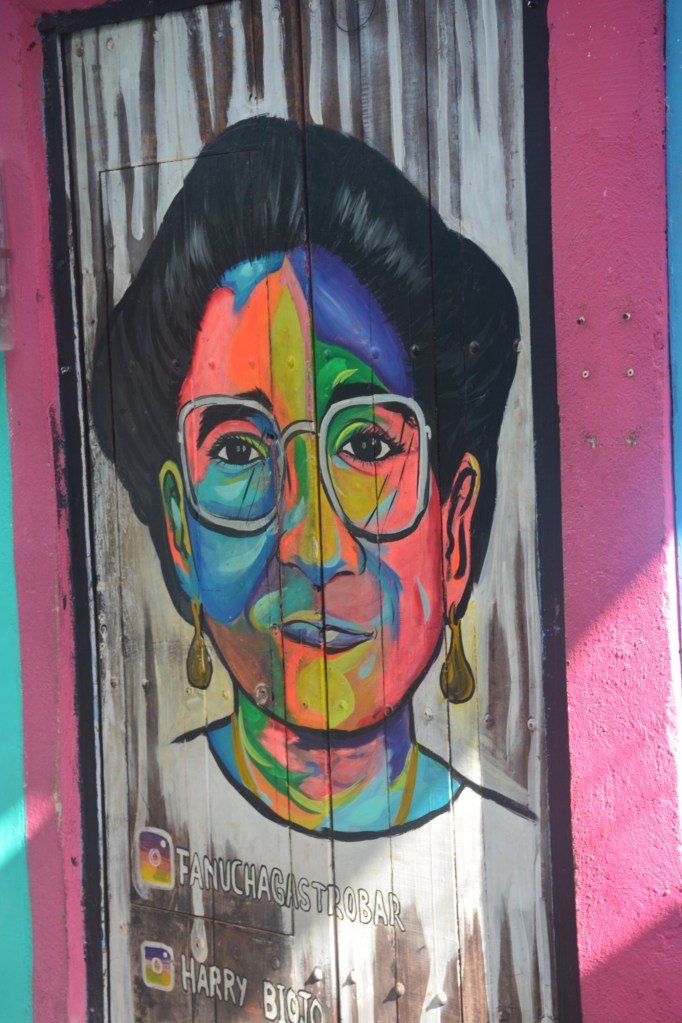
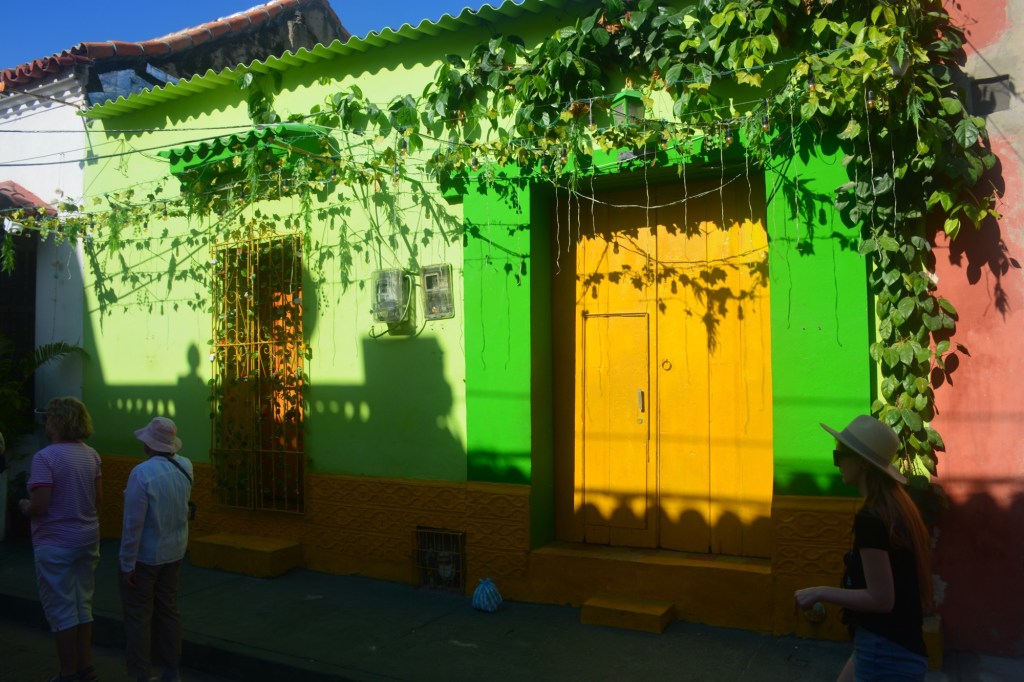
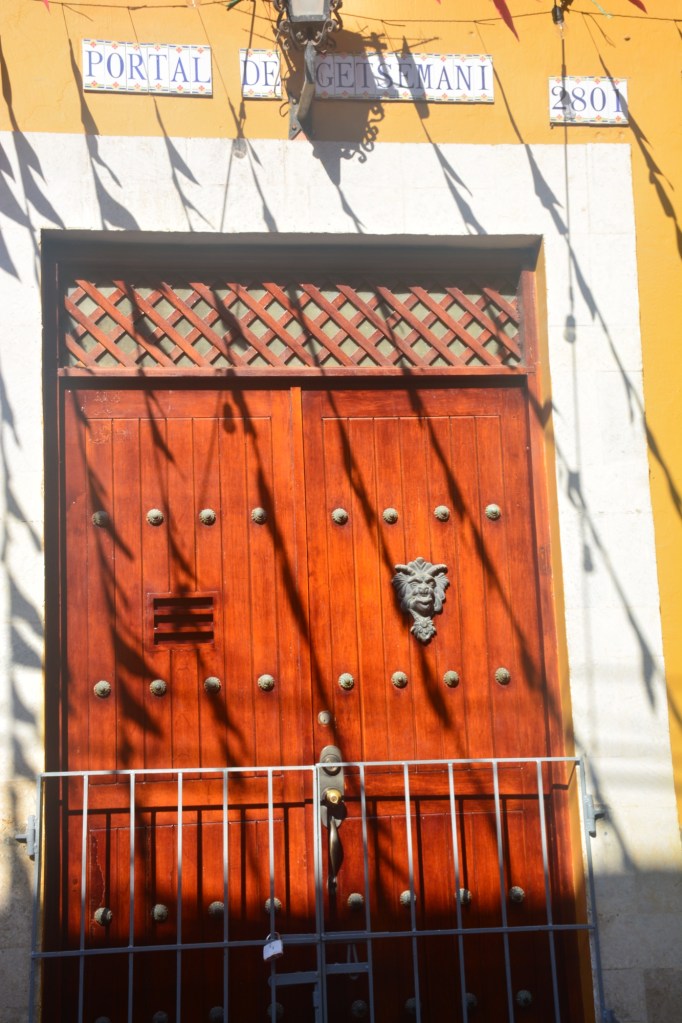
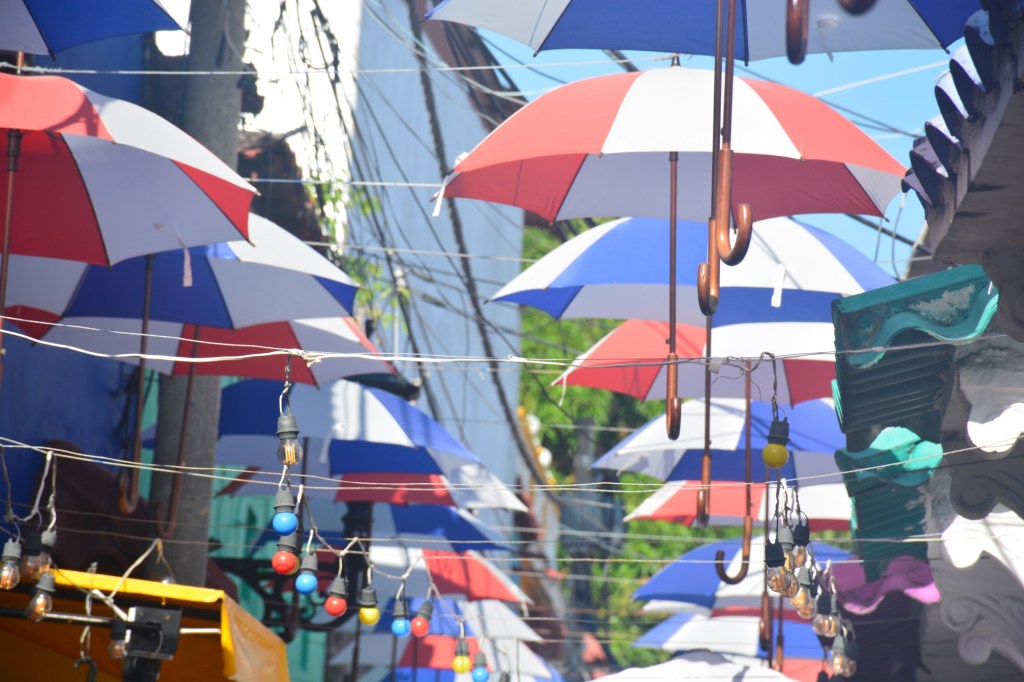
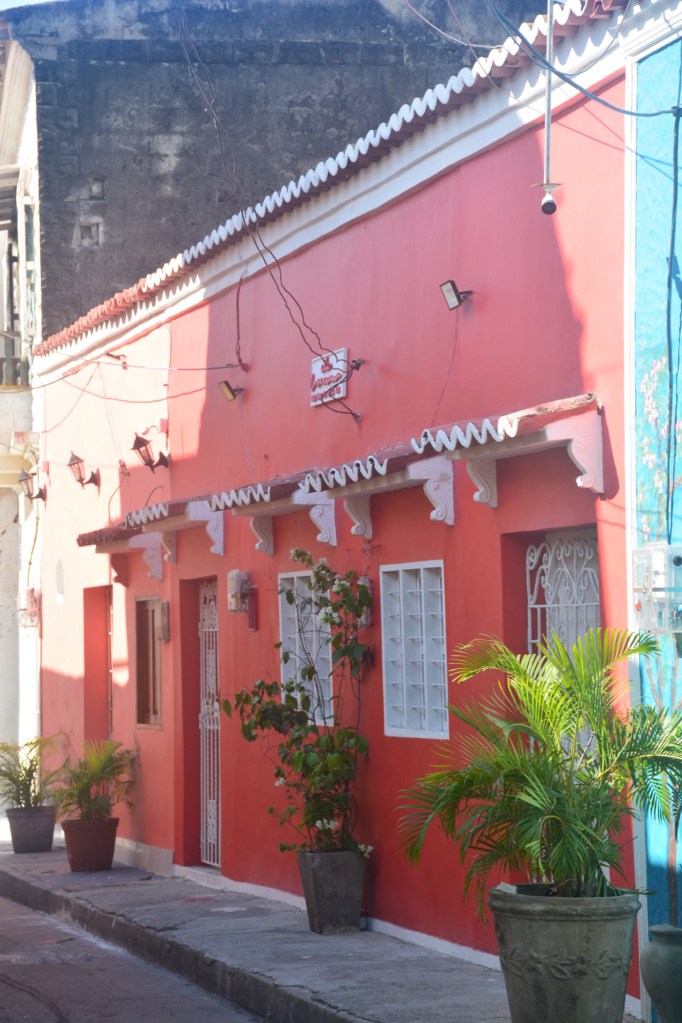
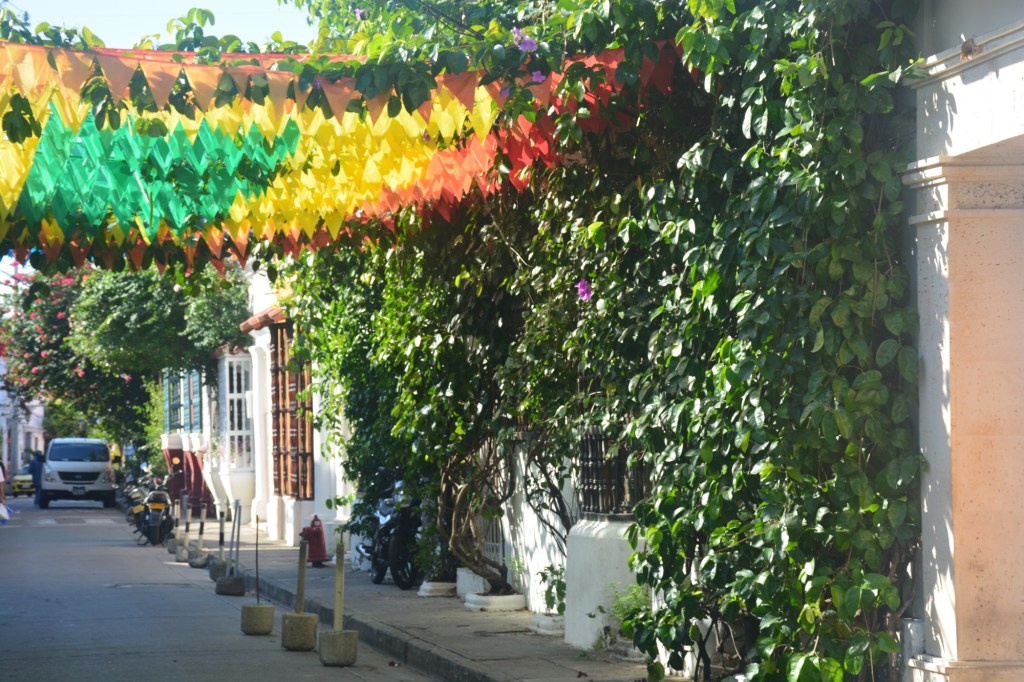
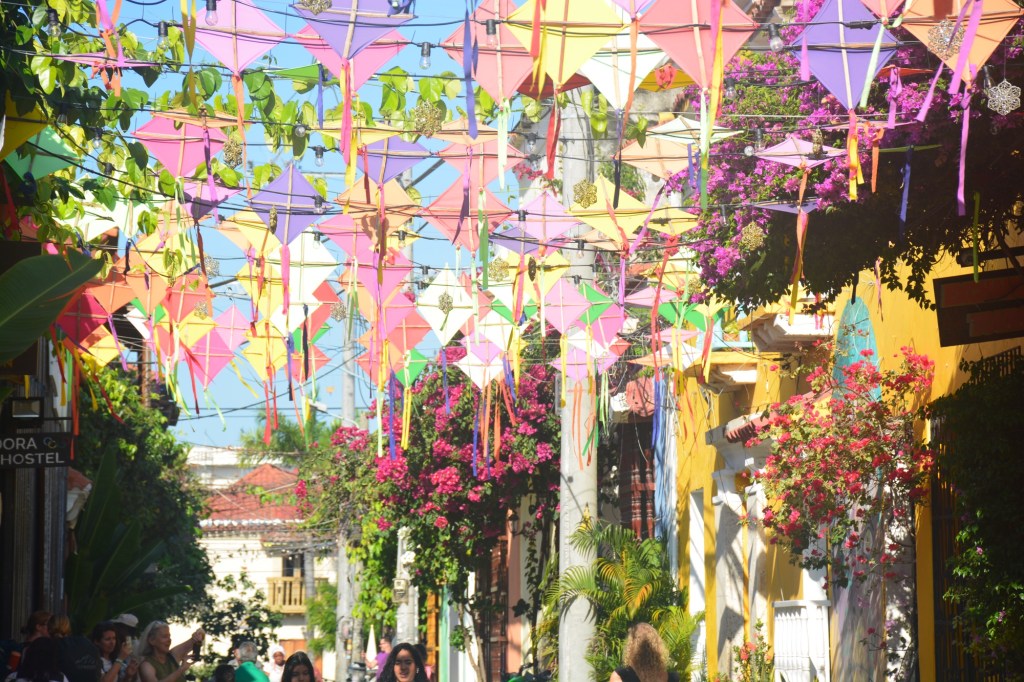
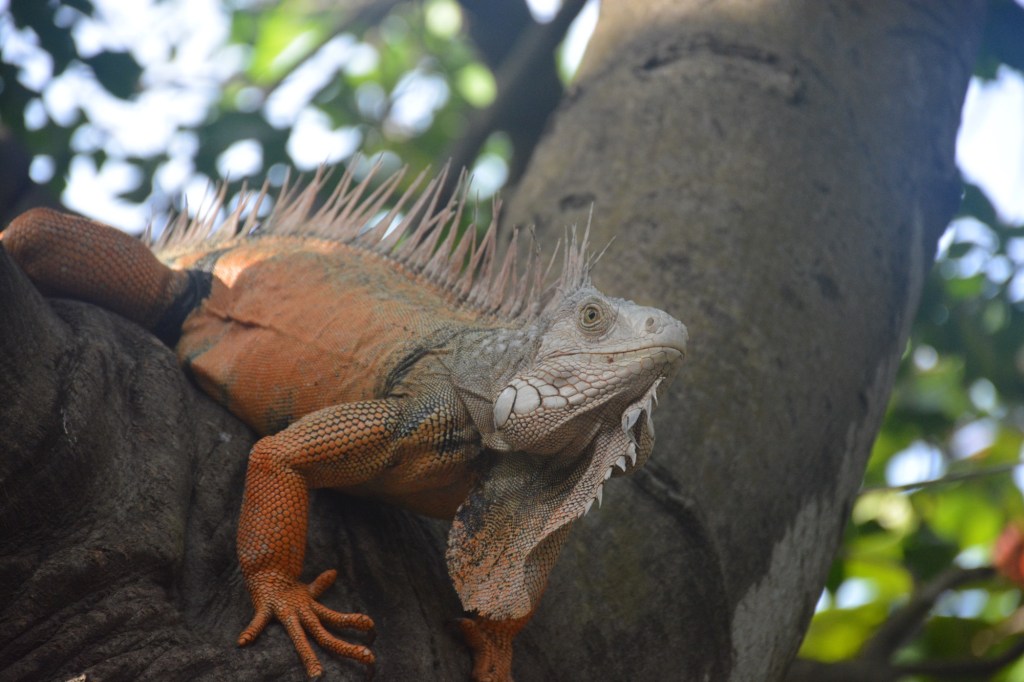
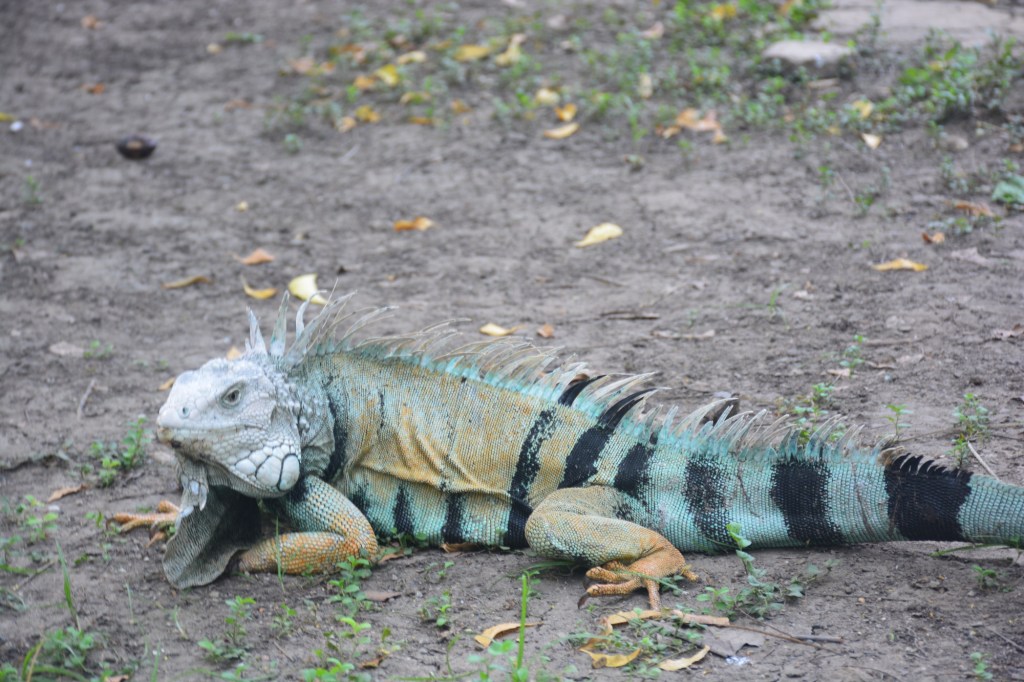
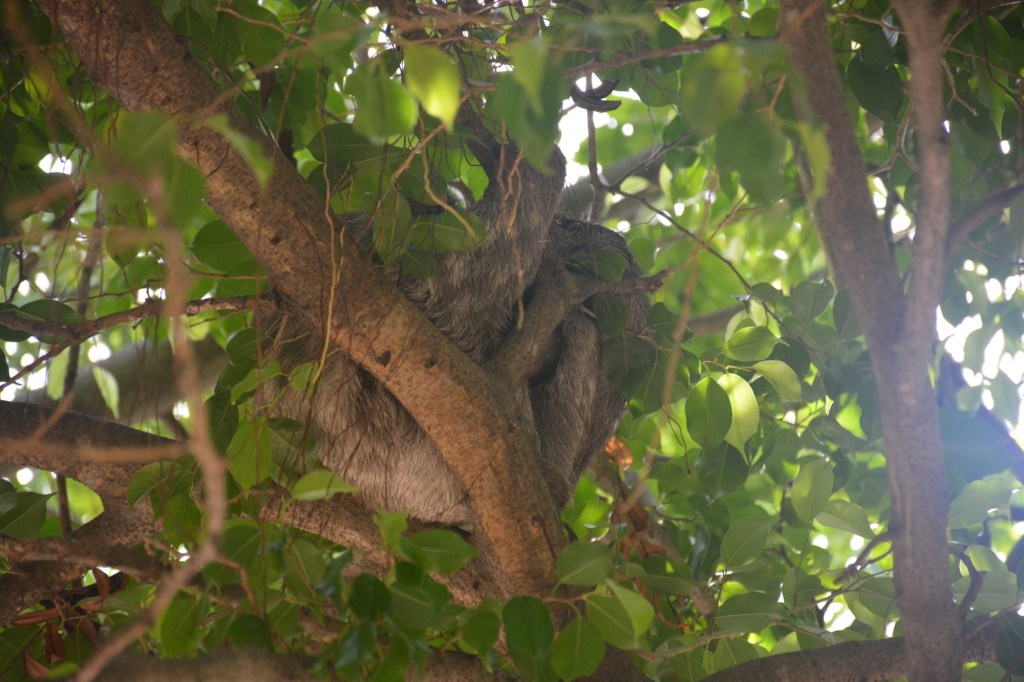
It’s kind of sad, which makes us happy to see the area while it still has some local flavor. Such as Centennial Park, which sits between the Getsemani and Centro sections. It’s home to some moneys, tree sloths and iguanas, none of which are native to the area. They were former exotic pets abandoned in the park by their owners when Colombia outlawed them. They are hemmed in by the concrete of the city, but the monkeys in particular seem to be living quite well off the handouts from tourists.

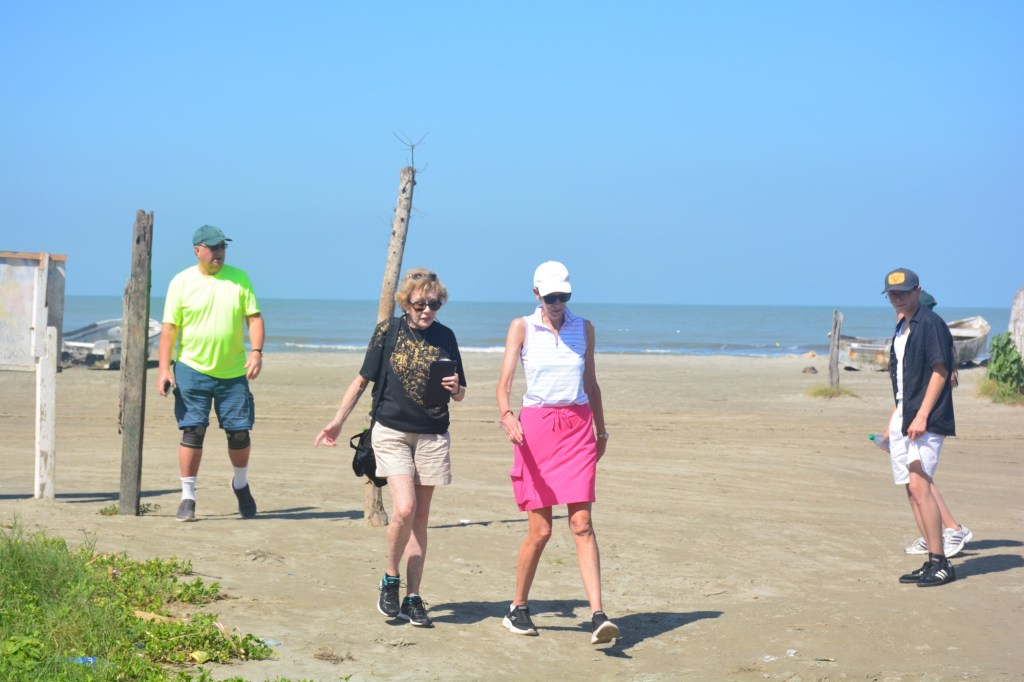
Our final stop was a trip to an old fishing village outside of the city known as La Boquilla. There we visited a school where local people learn the art of traditional drumming and dancing. We got to try our hand at both. Let’s just say we will leave it to the experts.
Sadly this is another area where the lovely beach frequented by locals, not tourists, is under pressure from a growing number of high-rise, beach-front condos. Once again, we were happy to experience it before it is lost. Hopefully that won’t happen. The group we visited is working to educate locals and encourages them to retain their homes rather than sell to developers.
We have thoroughly enjoyed our time in Colombia and wish we could see more. The people are friendly and the country is beautiful and is waiting to be discovered by more travelers.
 It's What We Do
absolutely beautiful street art, and scenery.
LikeLike
I would put up with the vendors to see this beautifyl city so far I;m loving this trip
>
LikeLike