As coffee lovers we of course had to visit the Colombian coffee region, the third largest coffee producer in the world. We love visiting wineries, so we thought it would be a similar experience- learning how the product is grown on the farm, how the fruit is selected, how it’s processed and then tasting it.
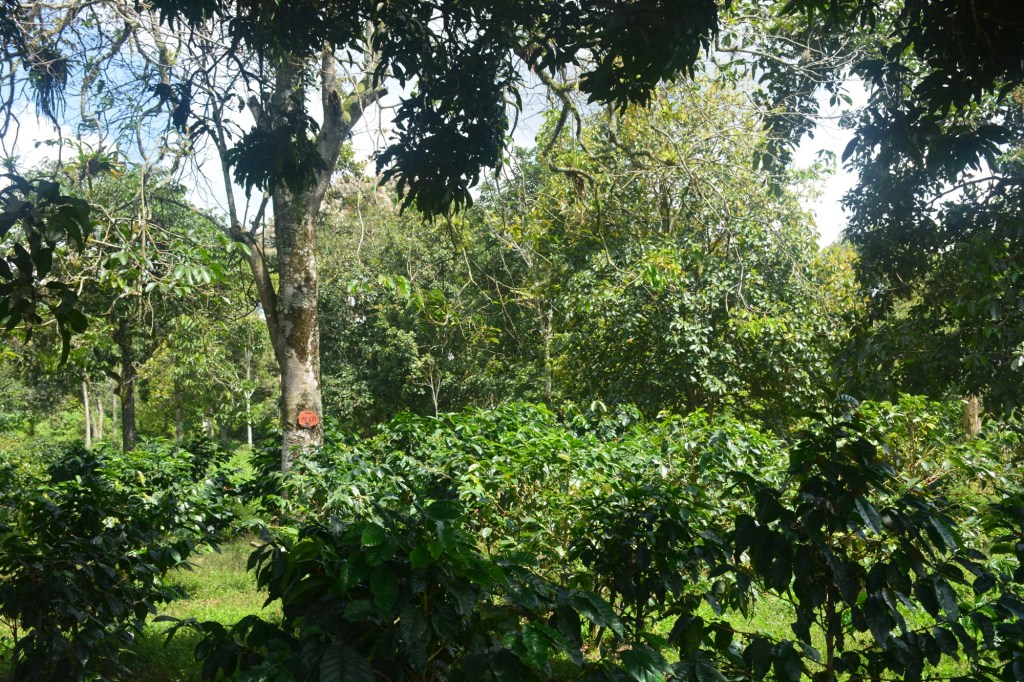
It took a short flight of about thirty minutes from Medellin to the town of Periera followed by a roughly one hour drive to get to our very rural hacienda in the coffee triangle. It’s called a triangle because the area is made up of three departments (I.e. states) – Pereira, Manizales and Armenia.
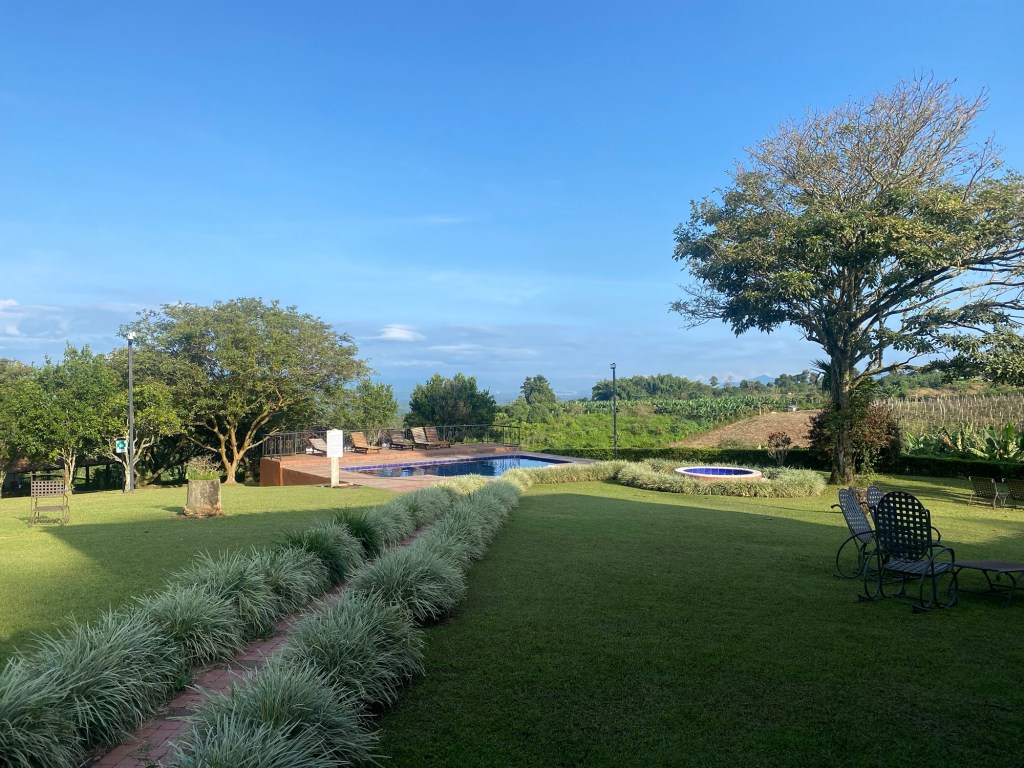
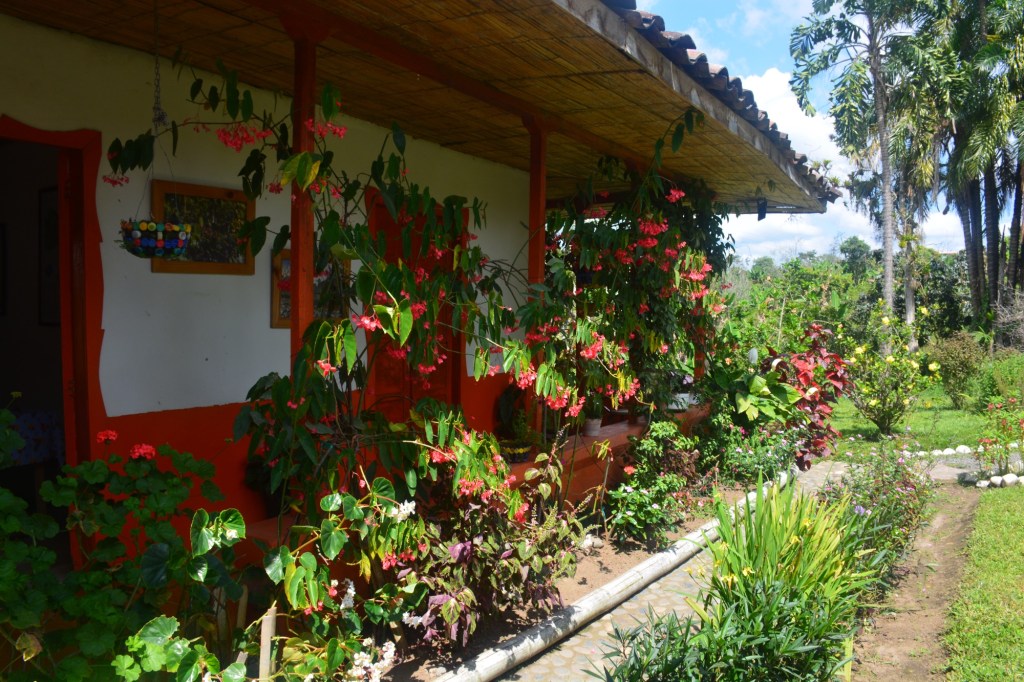
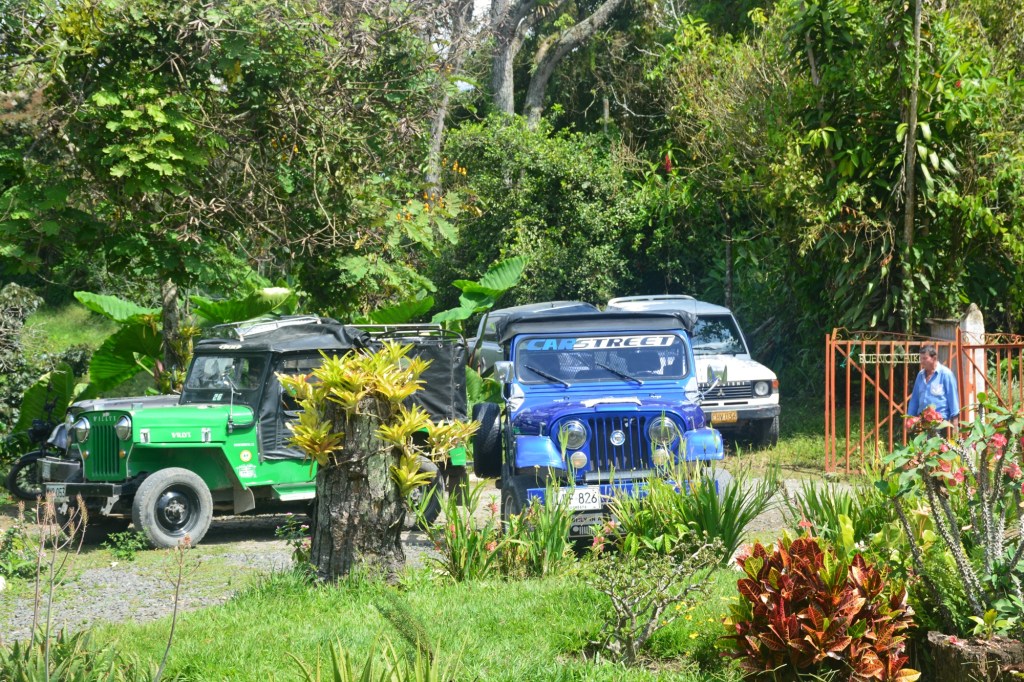
The next day it took us about an hour and a half to get from our rural hacienda to the Buenos Aires finca (farm) outside the town of Montenegro. Distances are long in the coffee region, but luckily the scenery is varied and beautiful.
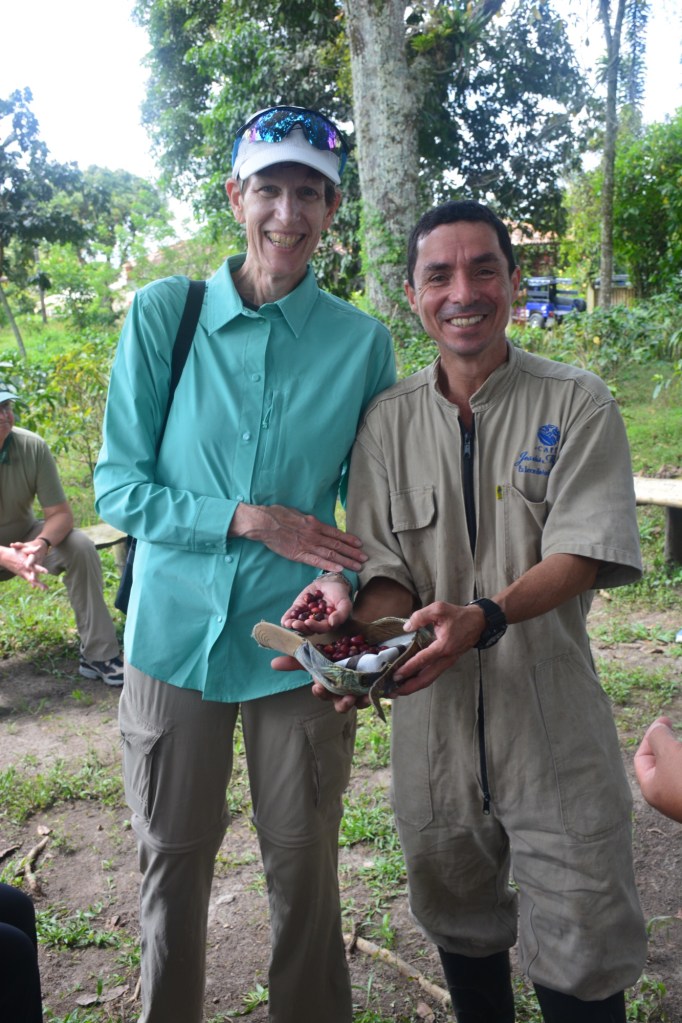
The finca manager took us through the process of picking and selecting the beans that would go into their signature product. Inferior beans would be sold to other producers and used to make inferior coffee. (Snarky references were made to a certain coffee chain that begins and ends in S.)
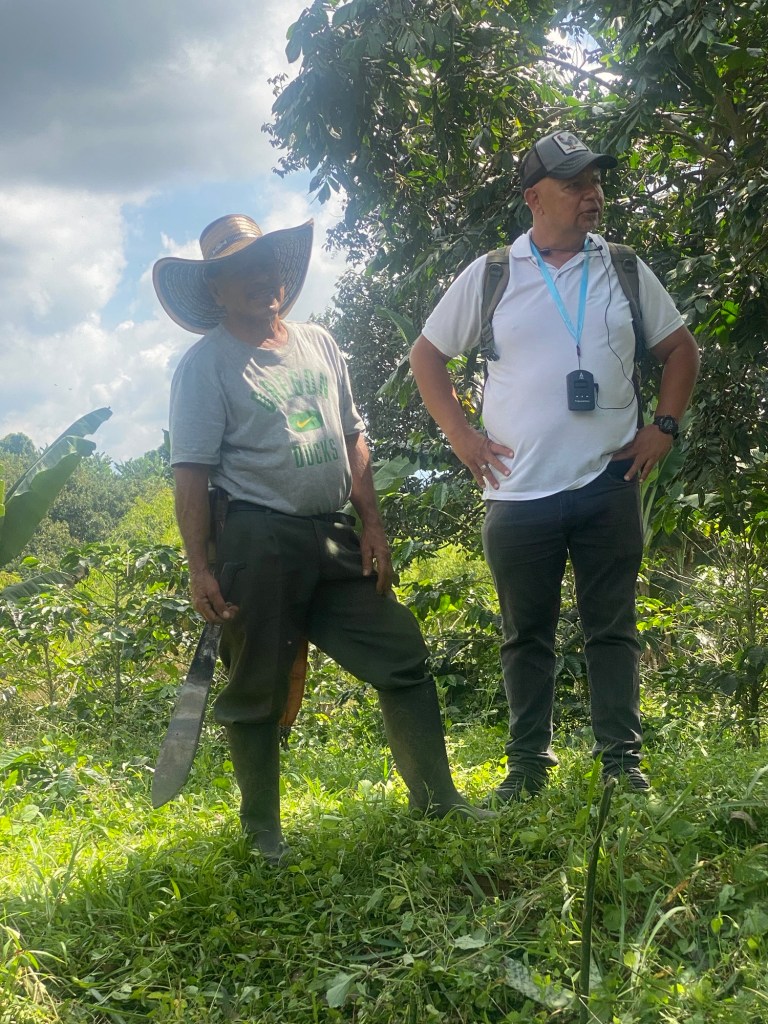
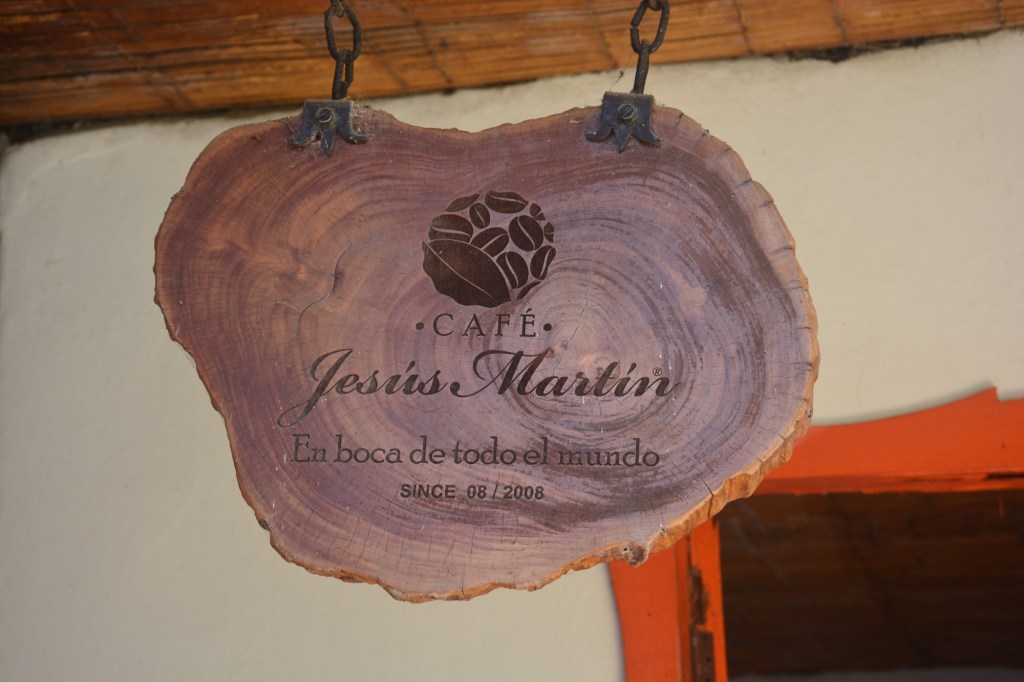
The manual labor is extensive, from picking the beans by hand to selecting the highest quality through numerous rounds of testing. Jesus Martin, the coffee brand of the farm, produces three bean varieties- washed, natural and honey, all at varying degrees of strength.
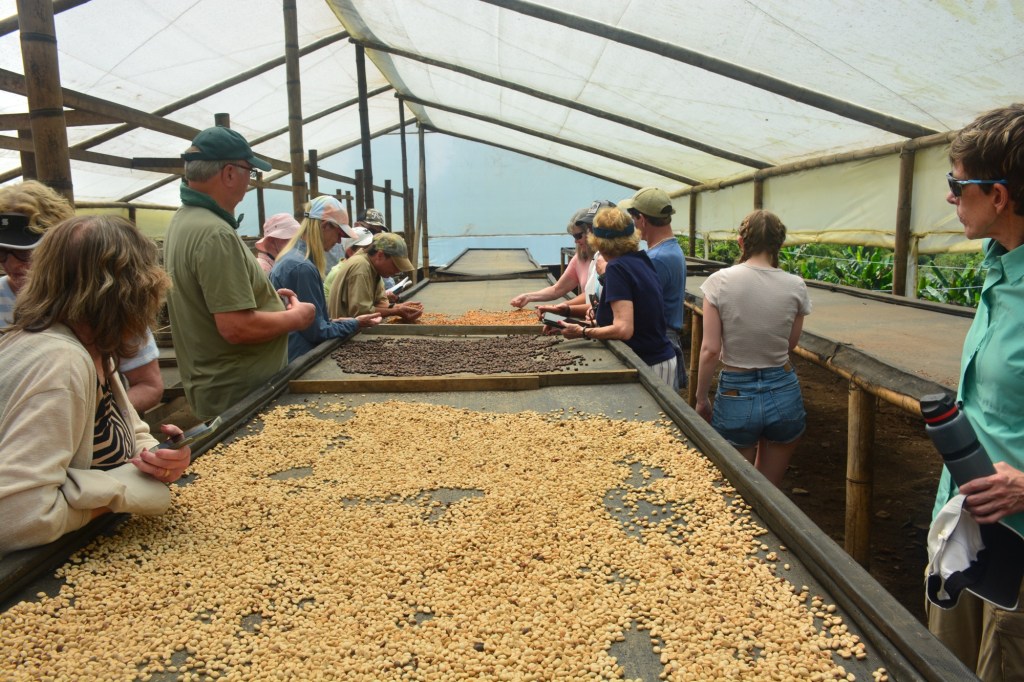
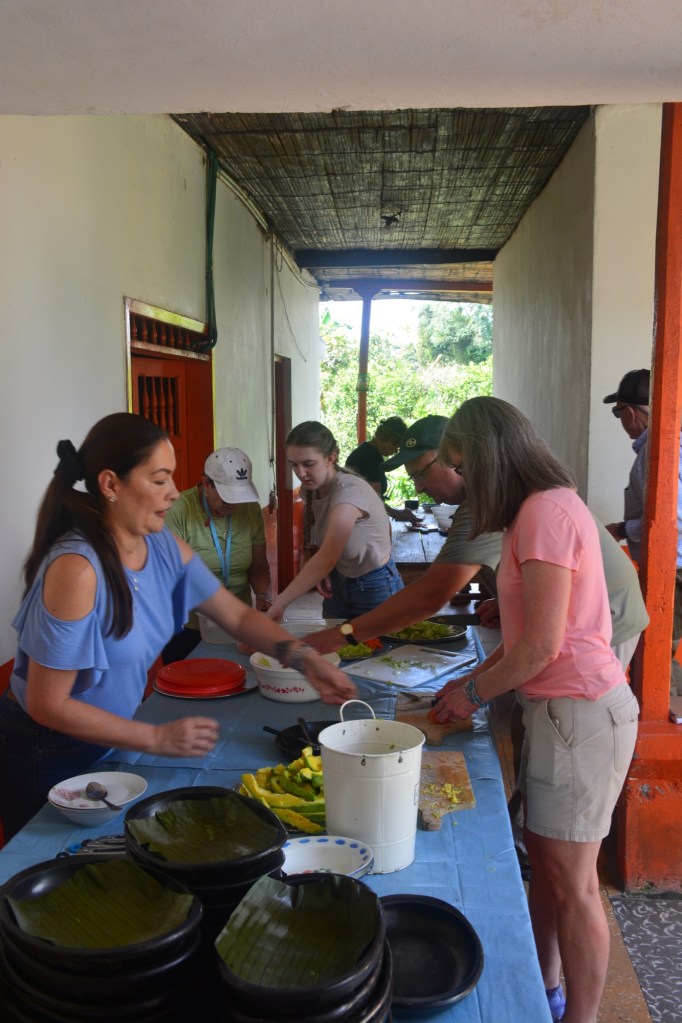
As this was also the Overseas Adventure Travel “home-hosted visit,” we helped the staff to prepare lunch and shared the meal with the owners of the finca, ending of course with a cup of coffee. Colombians think medium roast is optimal to appreciate the coffee bean, but we prefer a dark roast, so the coffee tasted a bit light to us, but it had good flavor.
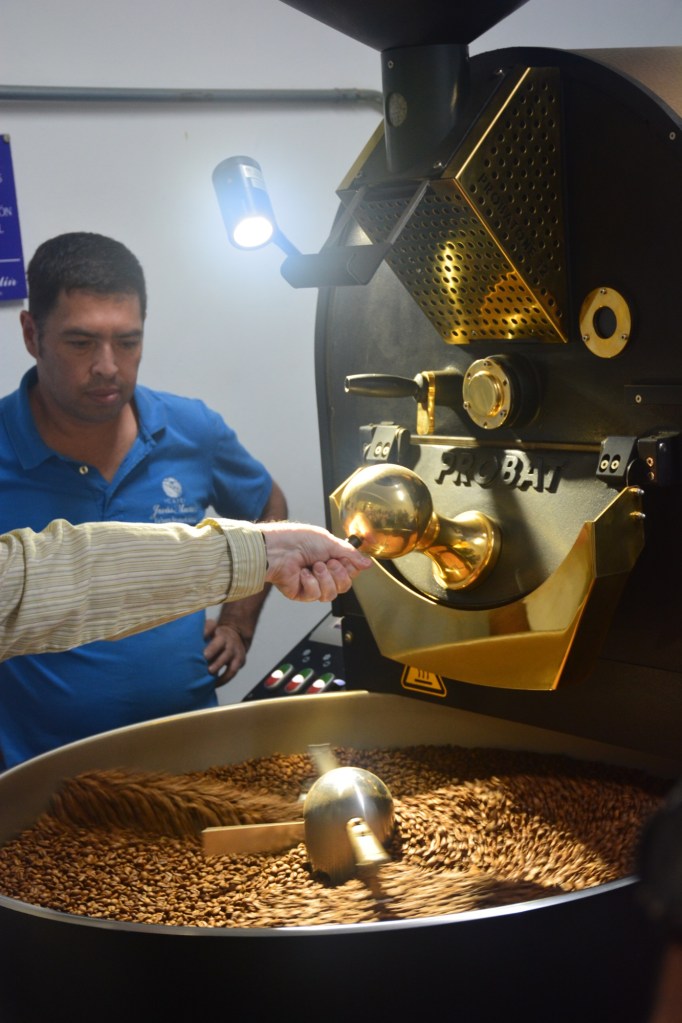
The next day we visited another of the “top five prettiest towns,” Salento, to see how the beans are roasted. Jesus Martin only has one roasting machine, so production is quite small, though the roaster can run constantly under supervision. The manager sets the temperature and then checks the beans throughout the process to ensure the roasting continues until the beans are the perfect color.
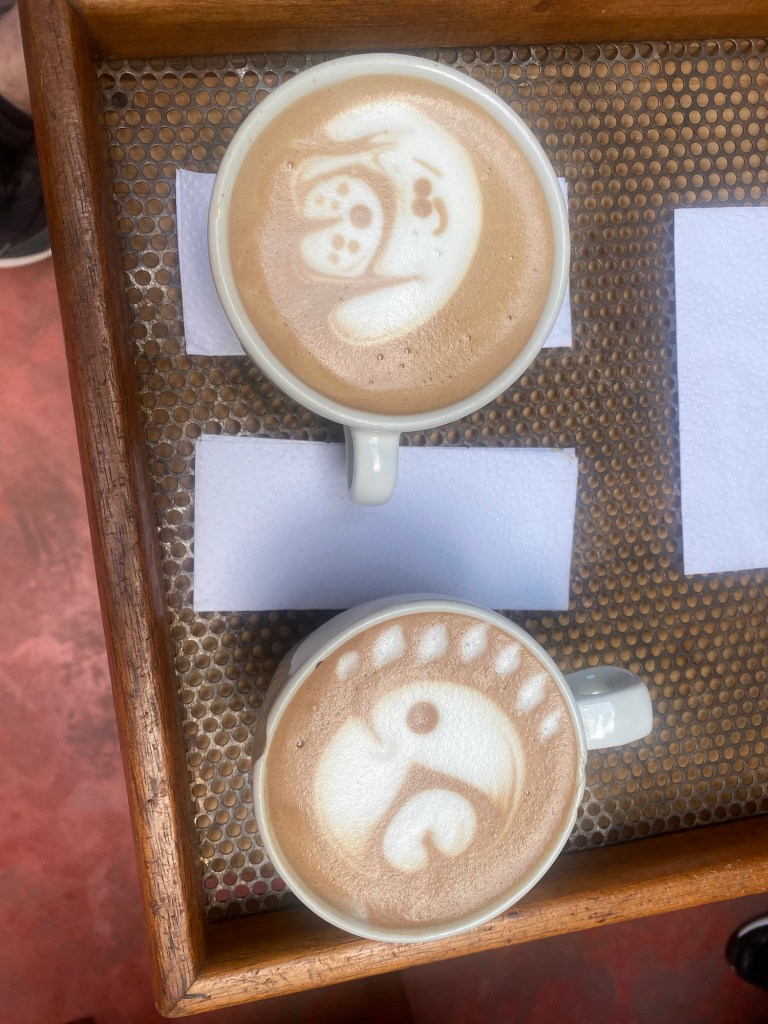
Then it was off to the Jesus Martin cafe to taste the final product in cappuccino form. I actually found this preparation more to my liking, and the kick helped us get through an hour of shopping in this cute little town, which actually had some nice shops.
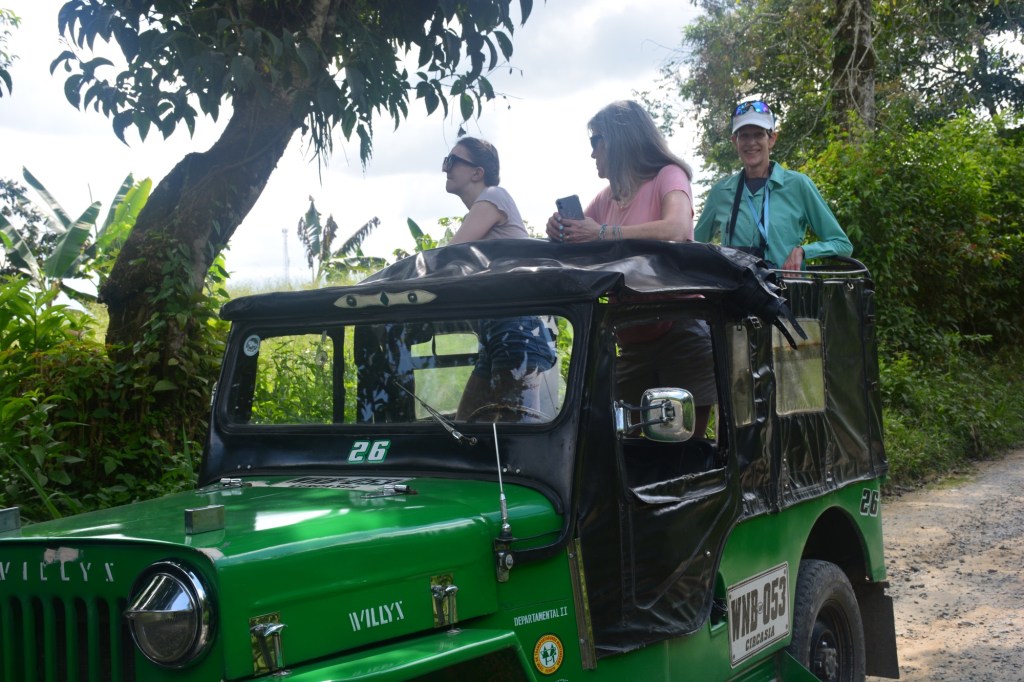
We’ll share more about our time in the coffee region in a subsequent post.
 It's What We Do
interesting that they don’t particularly like the S company
LikeLike
interesting that they don’t particularly like the S company
LikeLike
interesting that they don’t particularly like the S company
LikeLike
even the jeeps are colorful its no wonder good coffee is expensive lots of time and labor goes into the process now i’m wondering why the coffee chain starting and ending with s needs to charge so much
>
LikeLike