Our final day in Bogota was largely devoted to art, primarily delving into the vibrant street art scene in the city. We finished with a visit to a museum that houses works produced or owned by Colombia’s most famous artist, Fernando Botero, who died in 2023. It was a full day, and all of the art, including Botero’s, costs nothing to see.
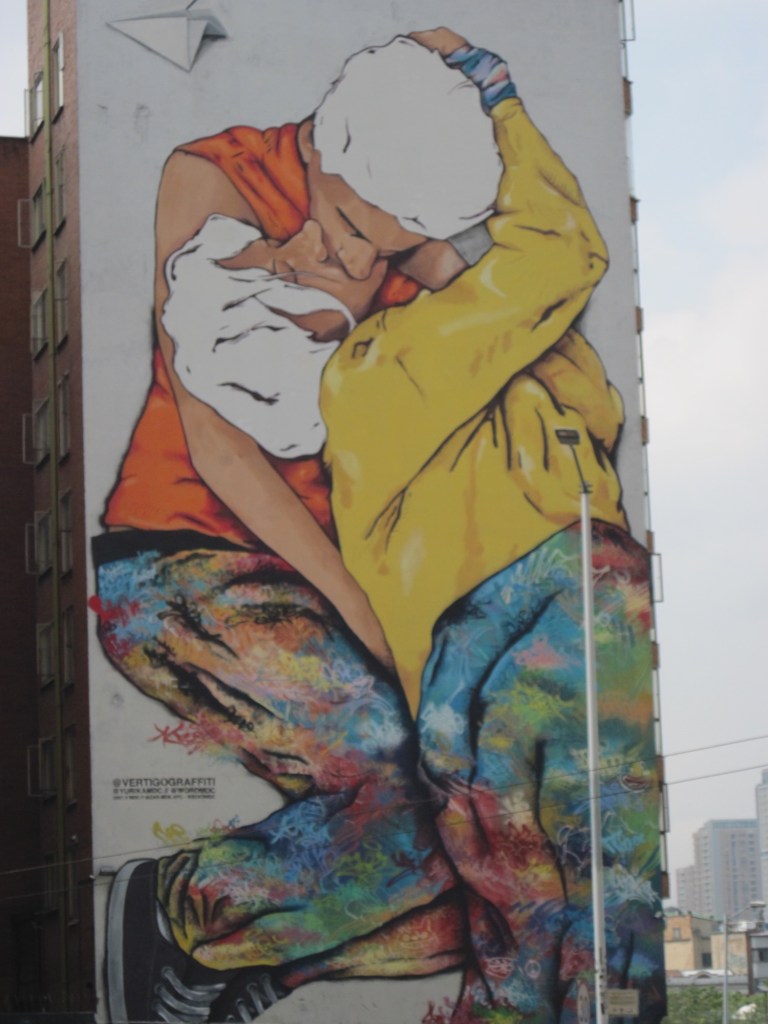
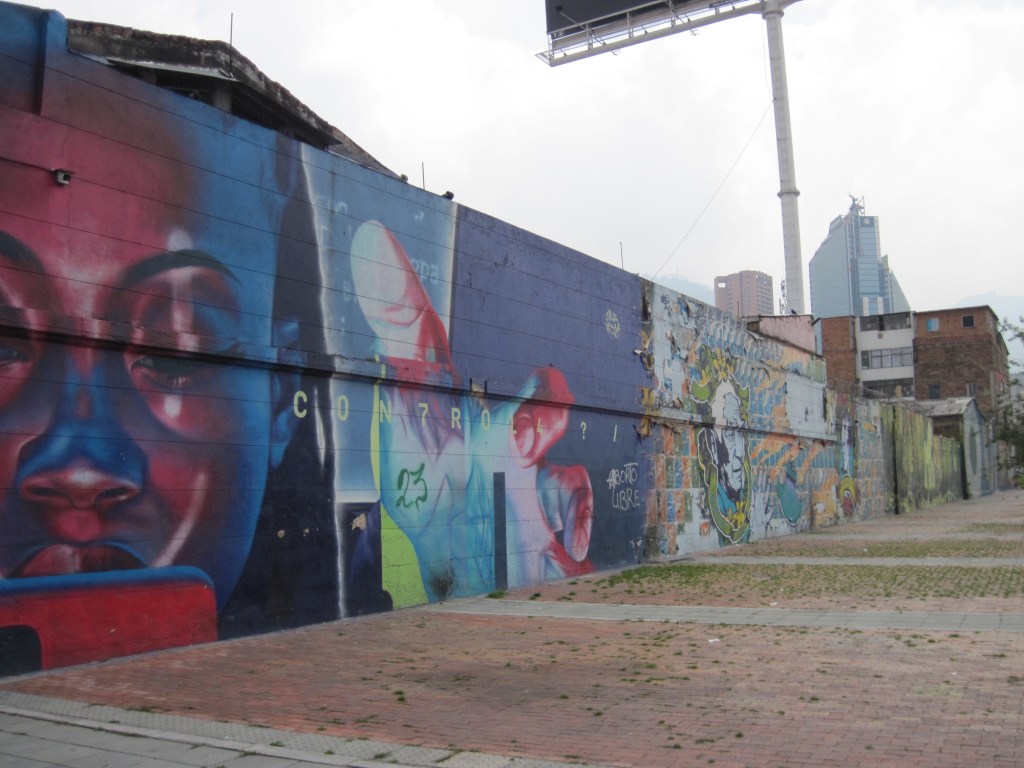
Street art is more than just graffiti, though the two are related. Graffiti in some form has existed for centuries; street art is just a more refined version. Interestingly, we learned from our guide that Philaphelphia was the first city to decriminalize graffiti writing and Bogota has largely followed its lead. That in turn has spurned a growth in murals adorning the walls of buildings in both cities. The results are pretty impressive.
The image above was the first large mural to be commissioned in Bogota. The backstory is that the image was taken from a photograph of people sprawled on the floor of a crackhouse, two of whom were locked in embrace. It’s a powerful image. But interesting street art is throughout the city, as can be seen in the images below.

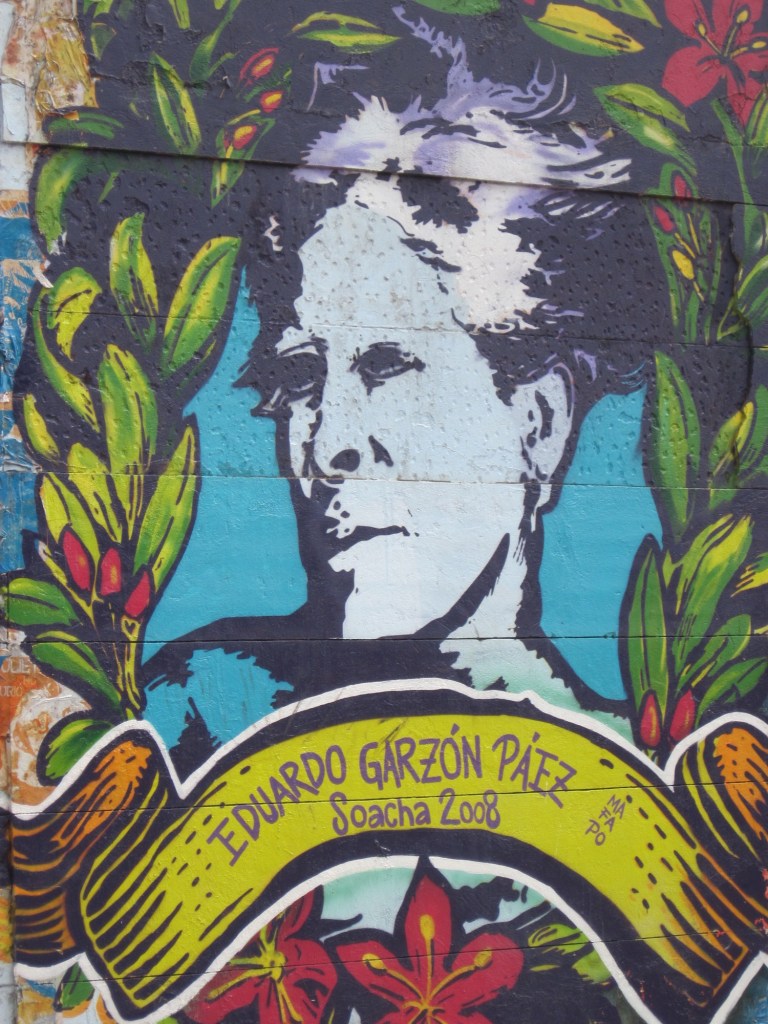
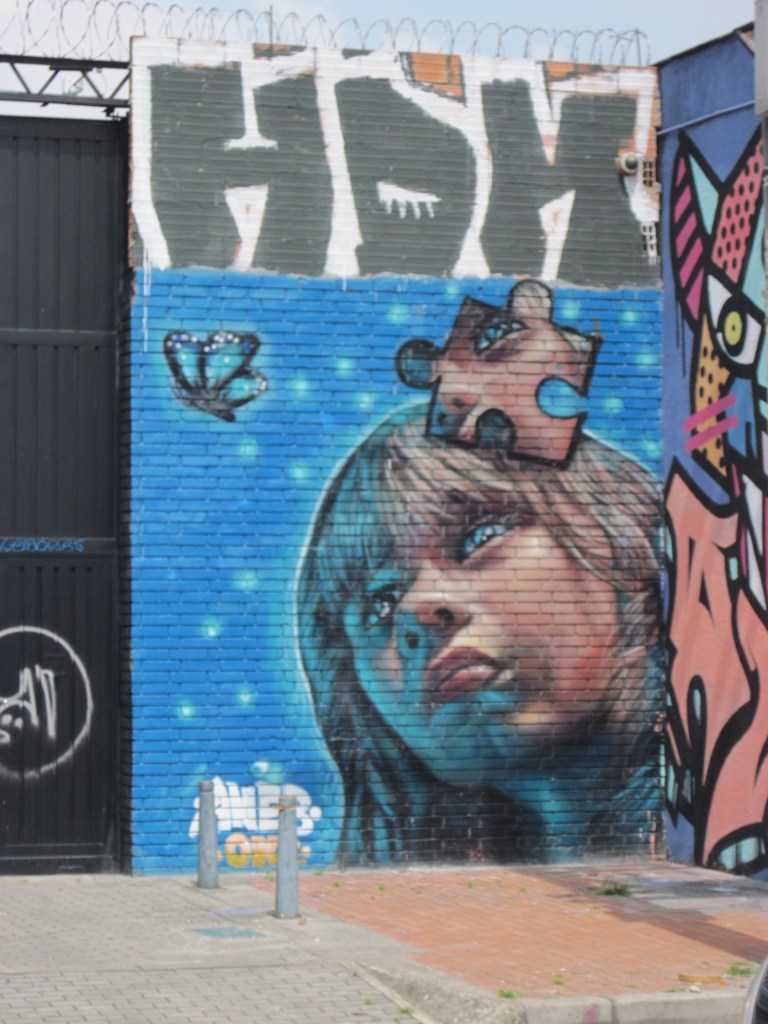
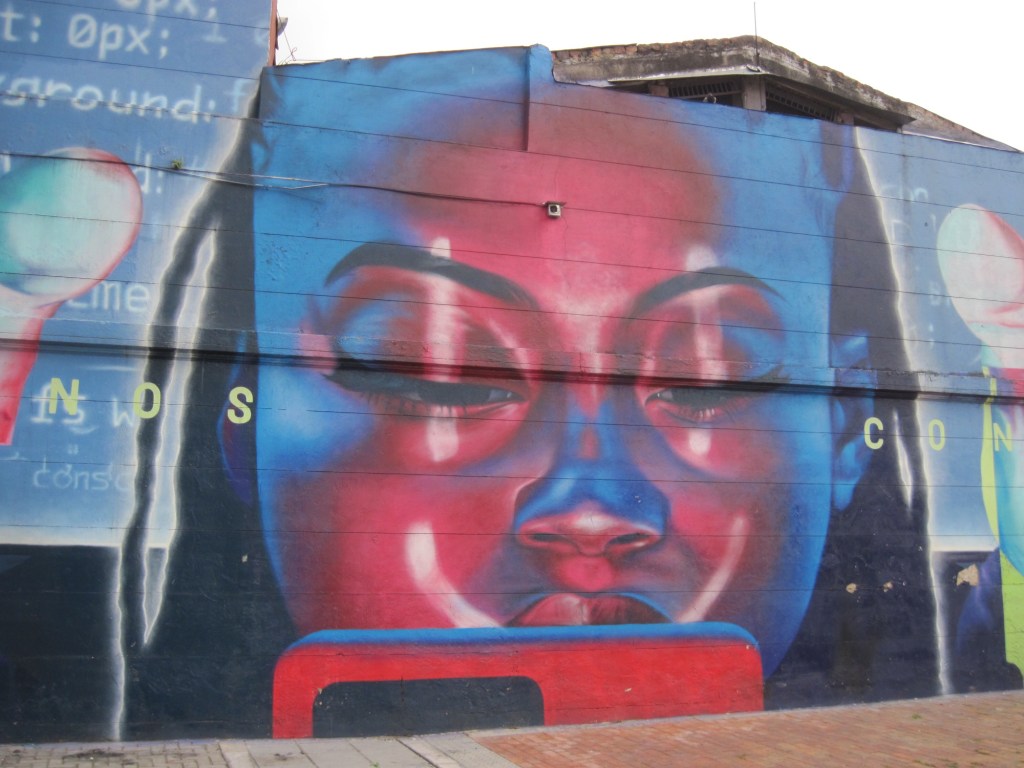
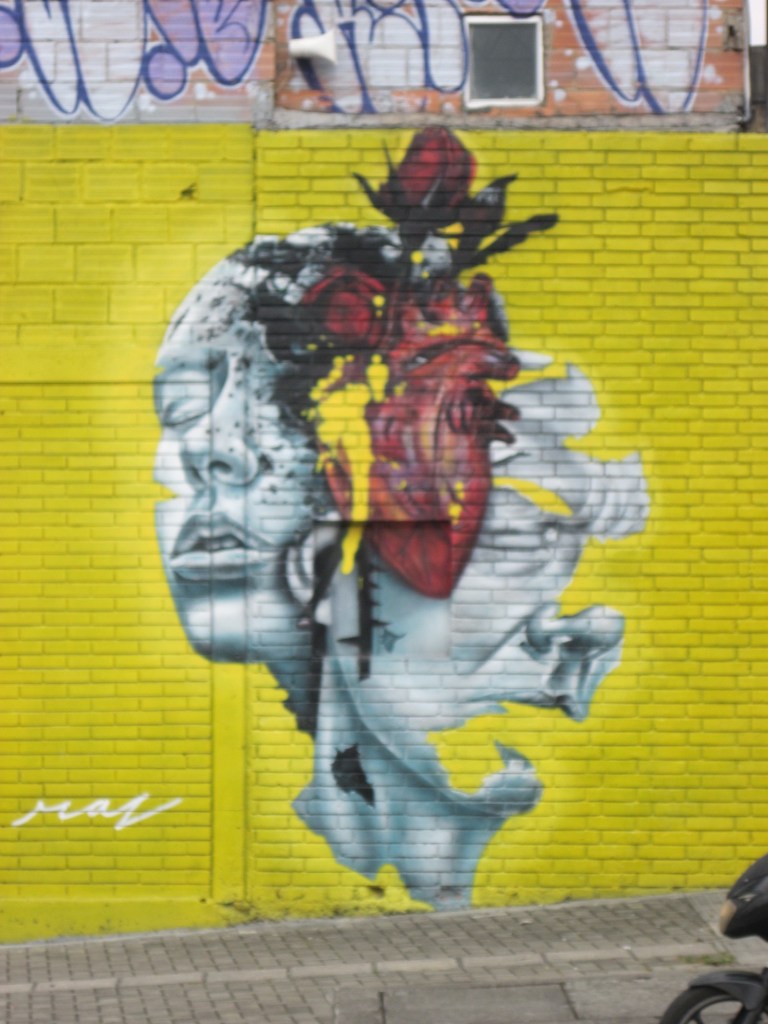

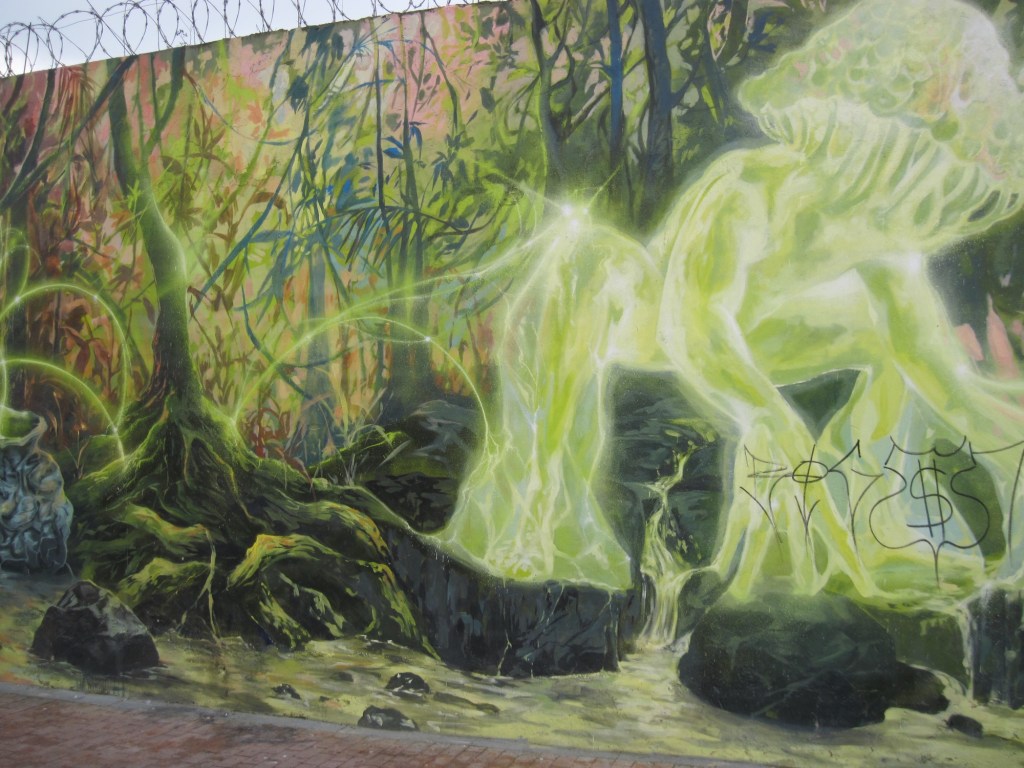
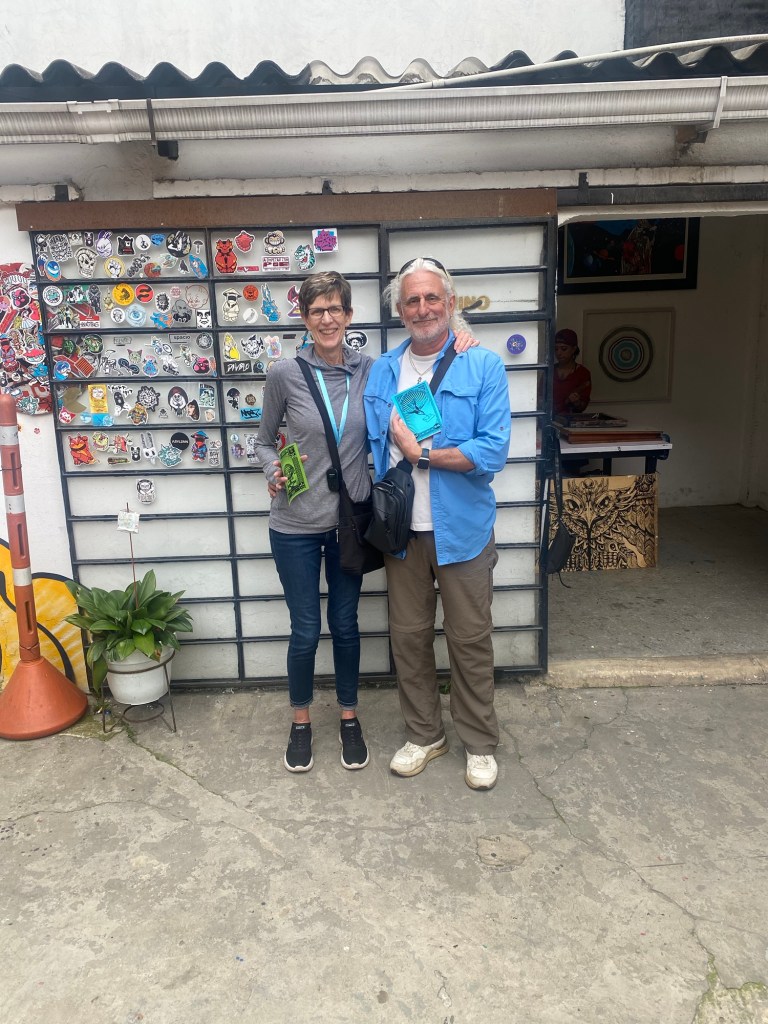
As part of our tour we also got to meet some of the people behind the art you see on this page, and to try our hand at making some art of our own, namely a silk screen print. All I know is the last time I attempted to silk screen something was in art class in either the eighth or ninth grade. My first try at this gallery wasn’t very good because I pressed down too hard on the squeegee. A second attempt worked better.

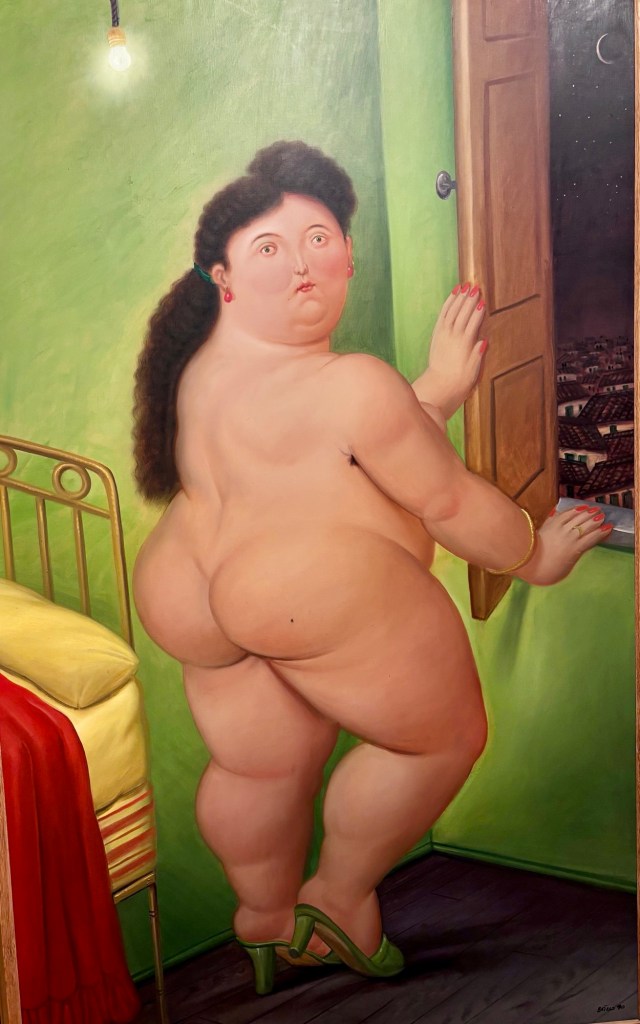
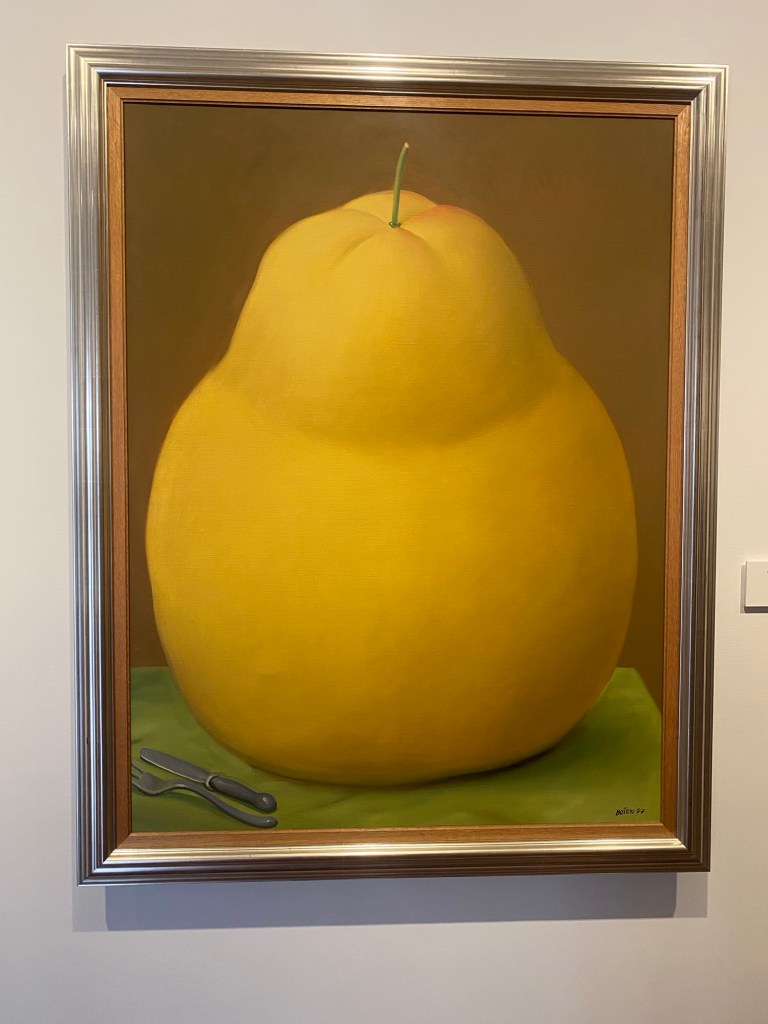
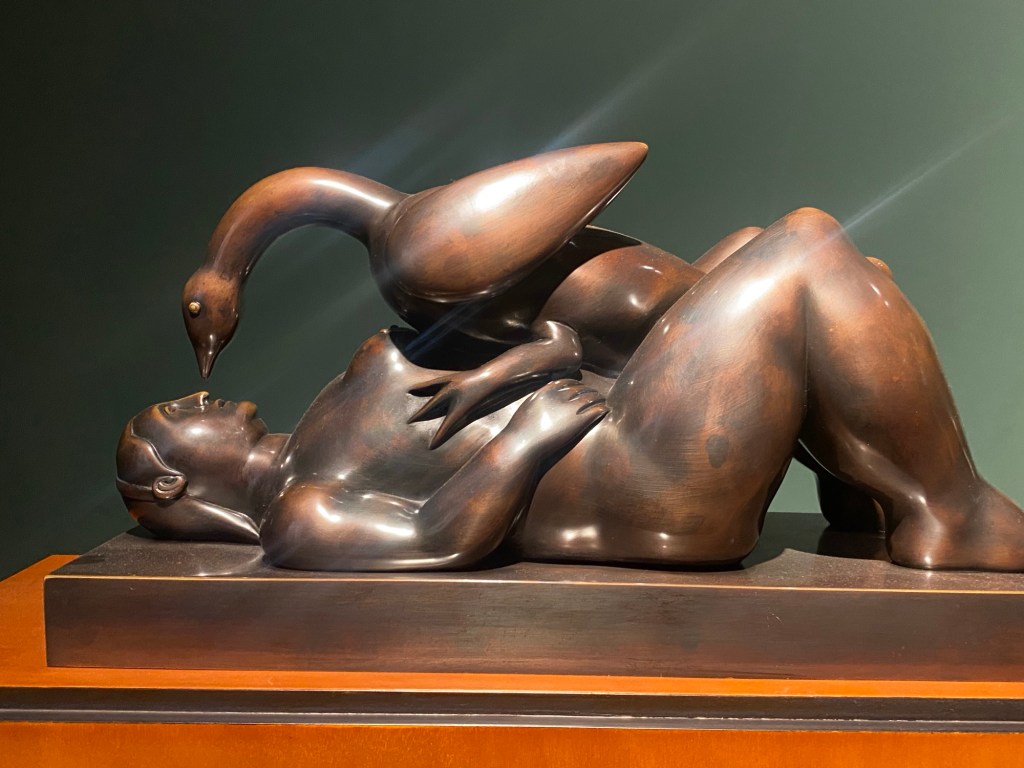
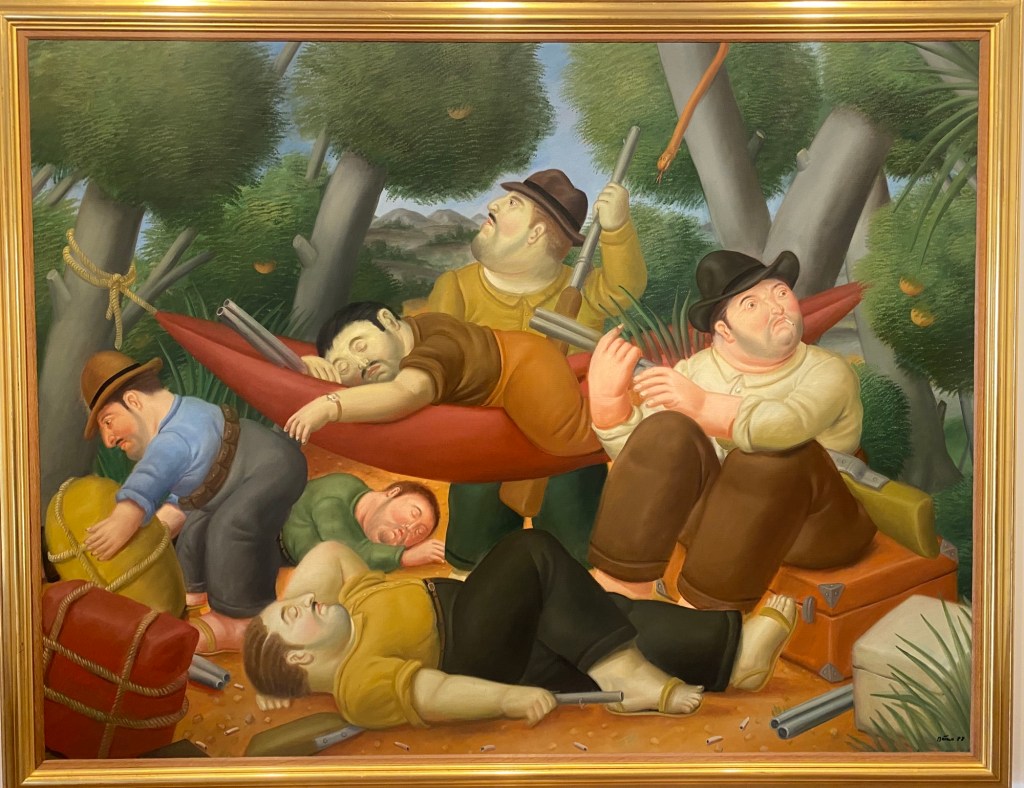
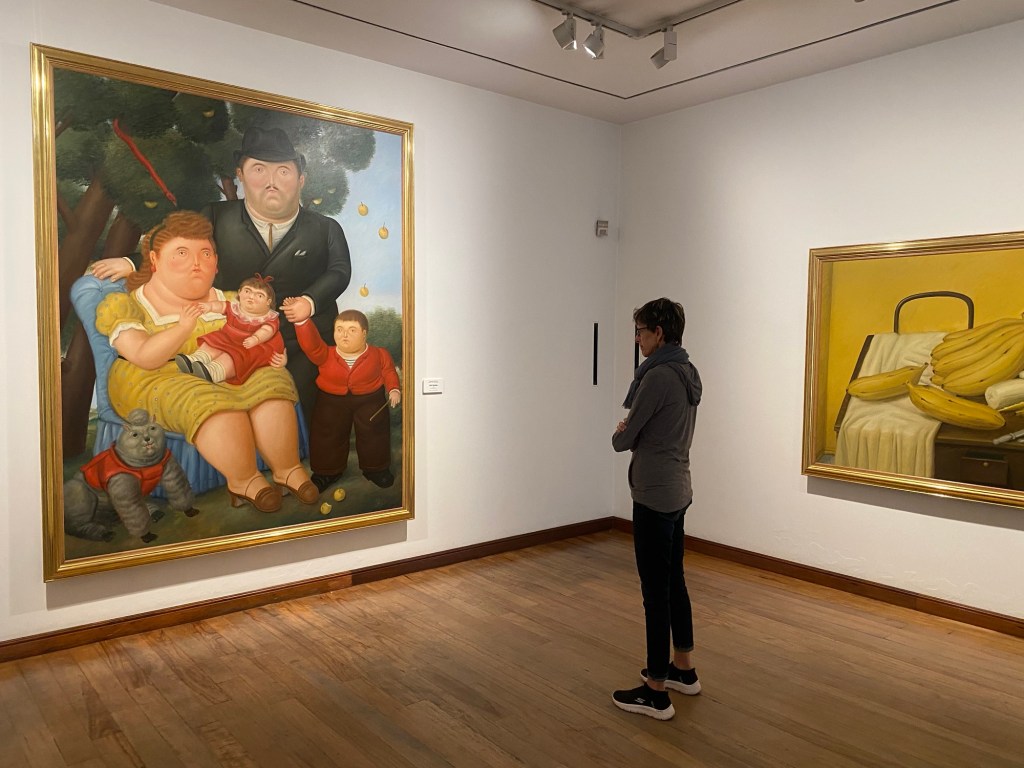
After the street art tour we finished off the day with a visit to the Botero Museum in Bogota. There’s another museum housing his works in Medellin that we will be visiting later in the week. Botero was famous for producing paintings and sculptures of figures in a large exaggerated form, a style that came to be known as Boteroism.
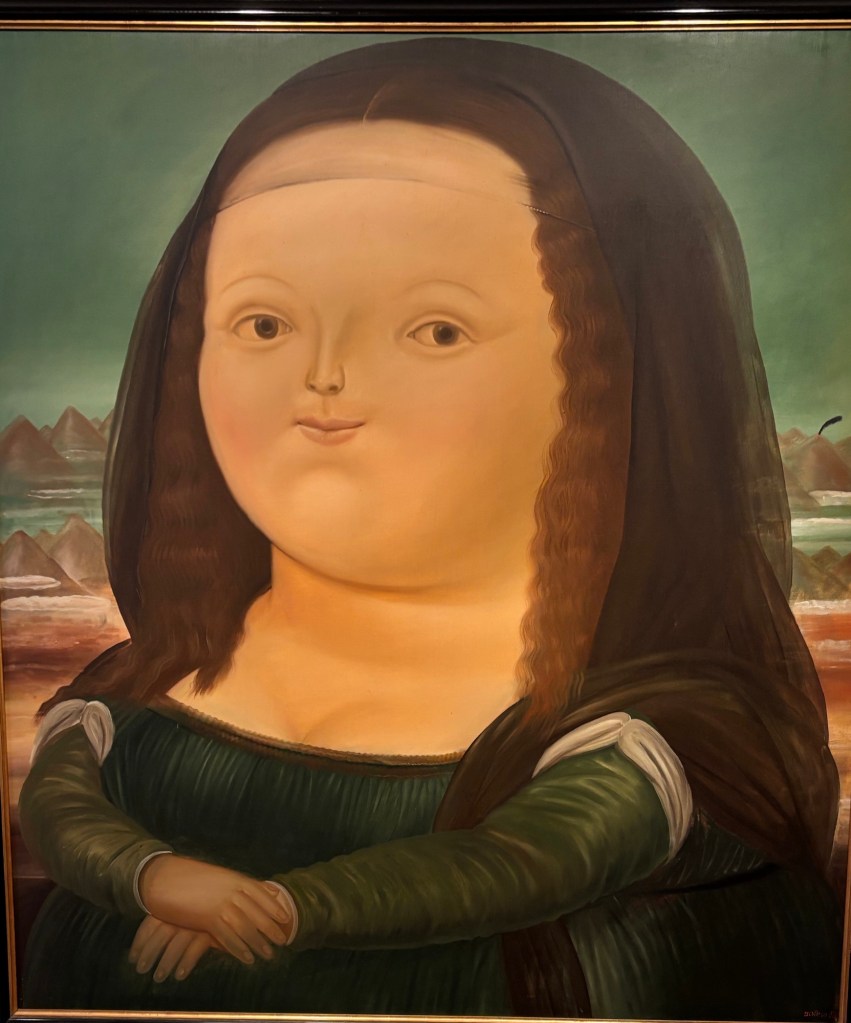
The fascinating thing about the museum is that it not only houses works by the artist himself, but also works from his personal collection that he donated. It’s a veritable who’s who of the modern art pantheon — names like Alexander Calder, Robert Rauschenberg and Max Ernst.
These guys were all contemporaries, so it’s likely Botero acquired them as gifts or in trades during their respective careers. But Botero’s collection alone is worth millions of dollars, let alone his own production. More amazing, it costs ZERO to visit.

Next up is a short flight to Medellin, which has become a modern and vibrant city that from what we’ve read bears little resemblance to its negative image from the days of Pablo Escobar. What we can say so far is the the Colombian people have been among the most friendly, welcoming and polite people we’ve met on our many trips, which is kind of surprising given the country’s violent history in recent years. But we have seen none of that behavior. Looking forward to the next chapter.


I really like the street art and also Botero
>
LikeLike