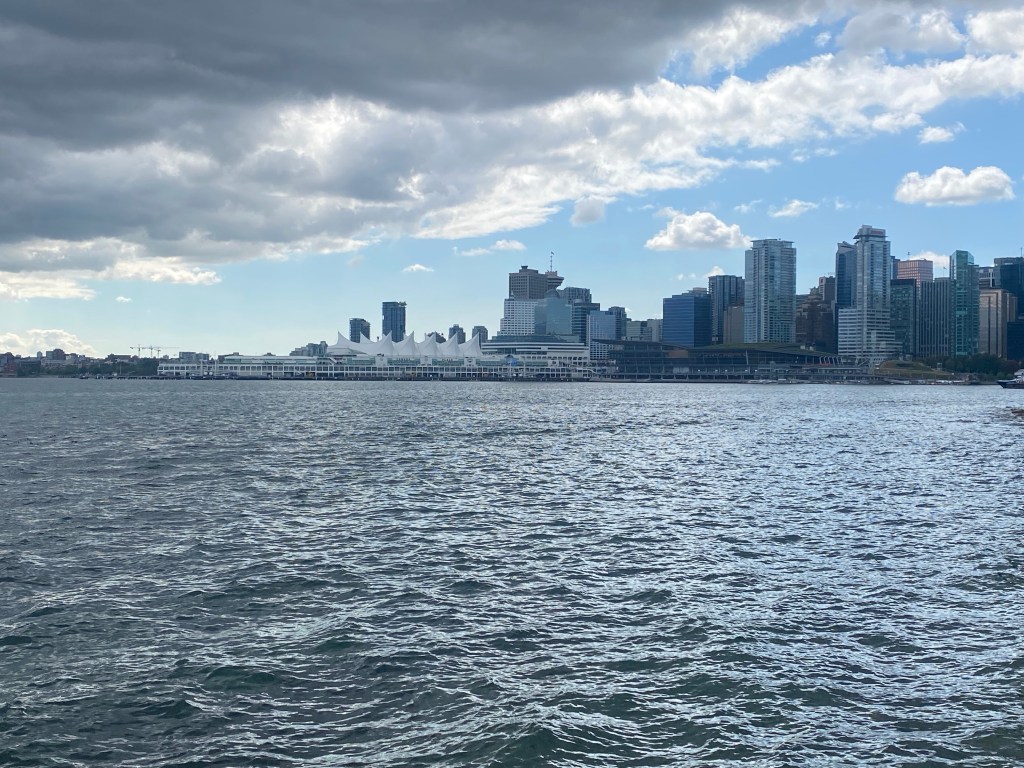
We’ve wrapped up a three-night stay in Vancouver, which is by far one of the tidiest and seemingly well run cities we have ever visited. It’s probably an exaggeration, but I swear that I didn’t find any stray trash anywhere.
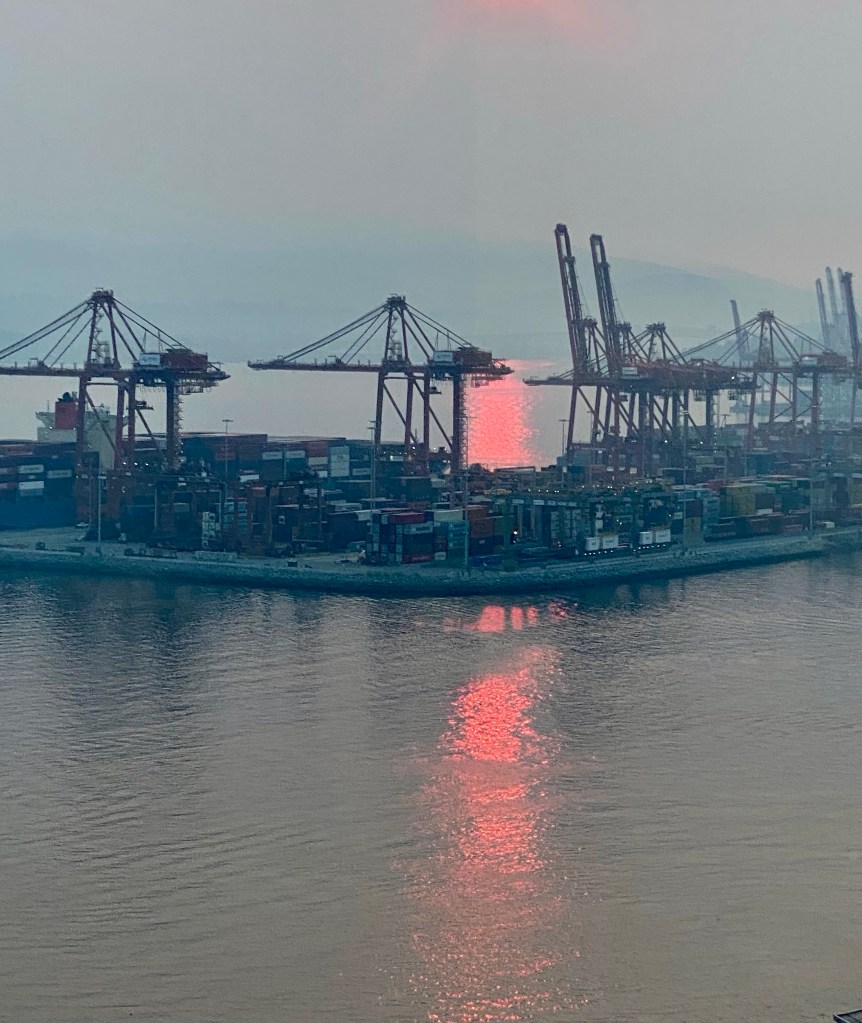
We arrived with the city shrouded in smoke from the wildfires throughout the province, as noted in our previous Whistler post. We booked a walking tour of the city that afternoon, which was great for getting oriented, but the fire haze was thick enough to obscure the surrounding mountains as well as the sun. Conditions thankfully steadily improved over the next two days.
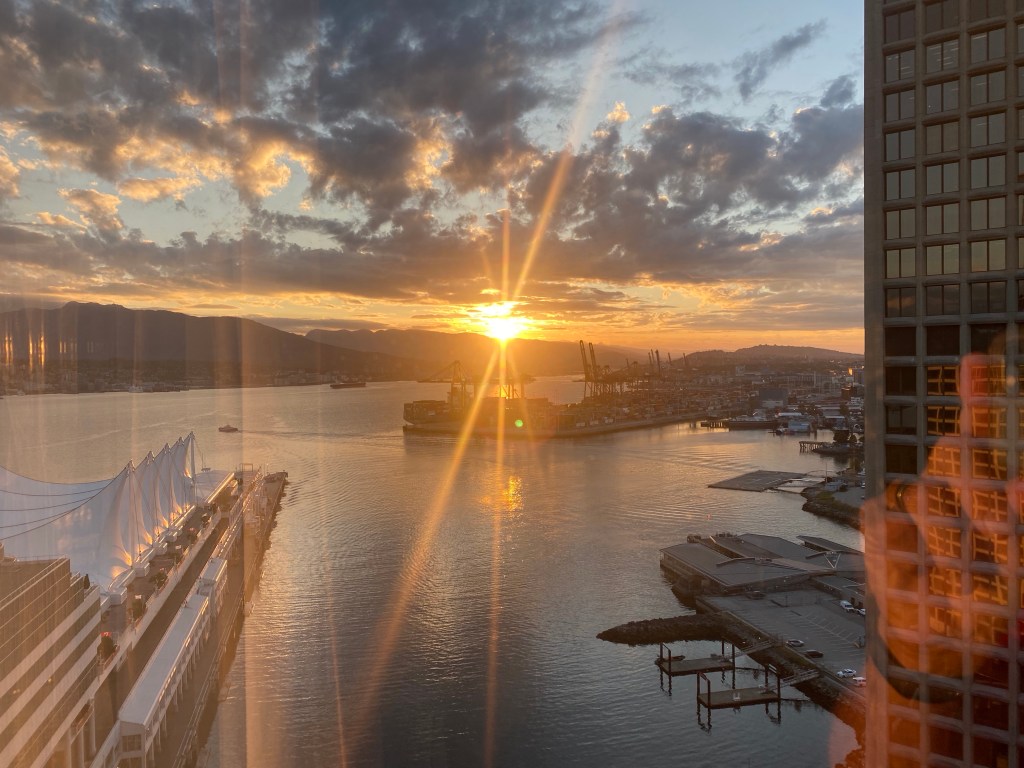
Downtown Vancouver is very compact, bordered by water on three sides. You can easily walk from one end to the other in about 30 minutes, after which you can hop aboard a variety of ferries or water taxis to reach surrounding communities. Public transport is very good here, with a mix of buses and trains in addition to the water transport.
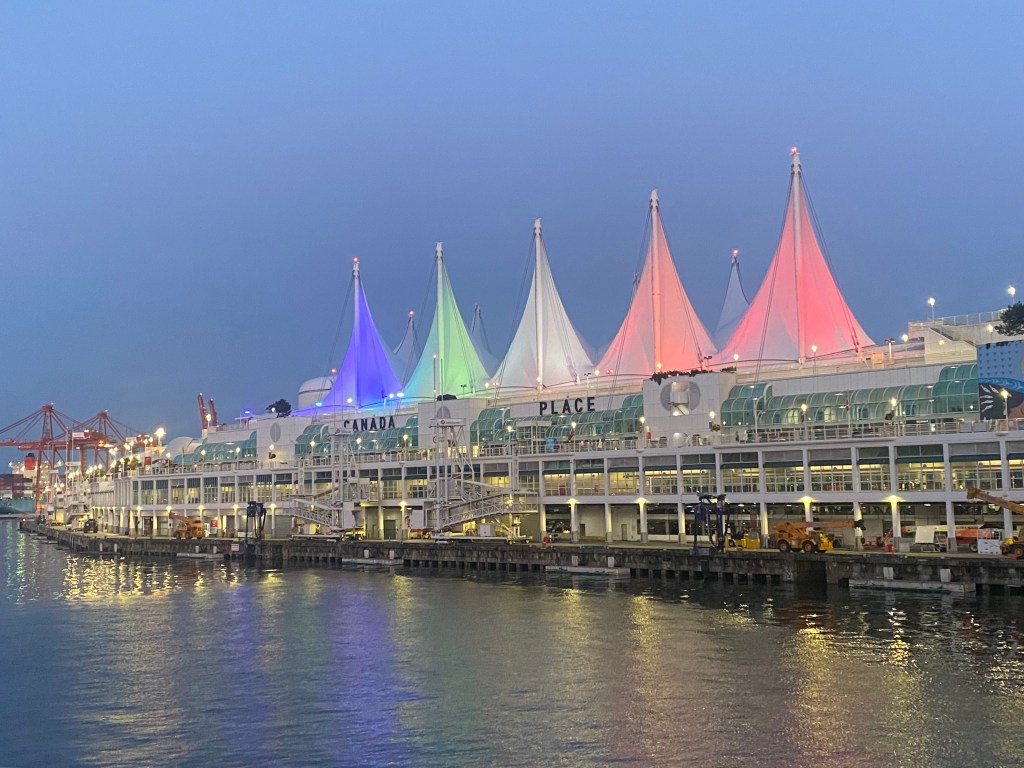
We used one of the water taxis to visit Granville Island, home to a bustling public market that is choc-a-bloc with a variety of food and craft stalls. It’s popular with tourists as well as locals who go there for fresh meats and vegetables. Definitely worth a visit.
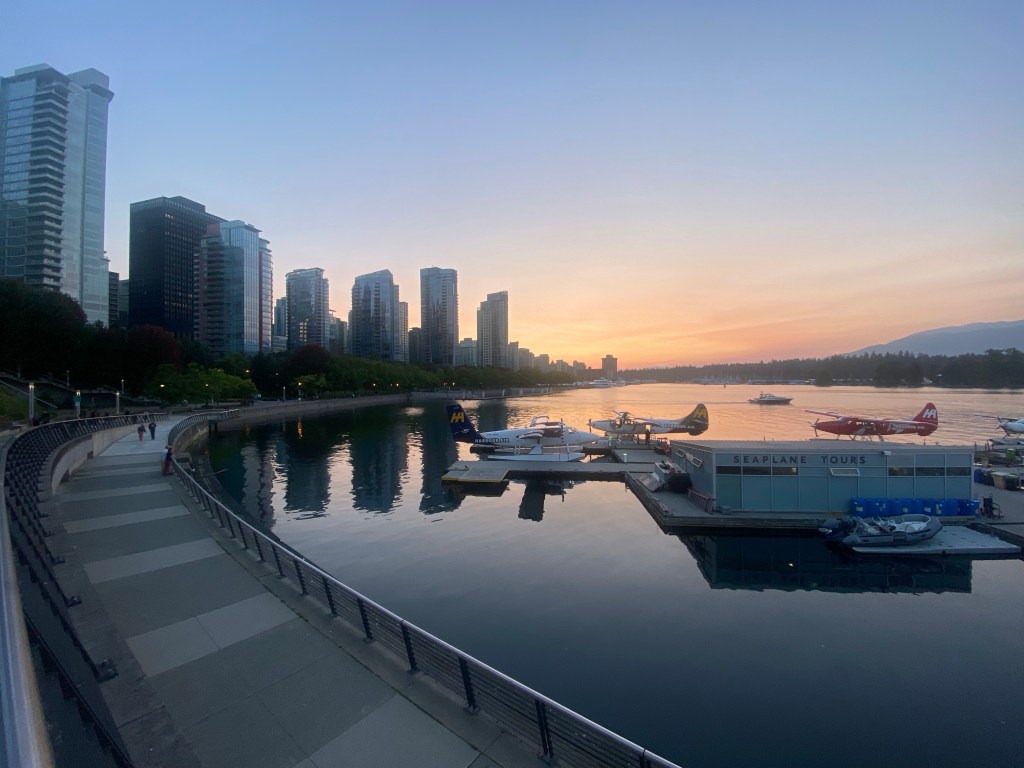
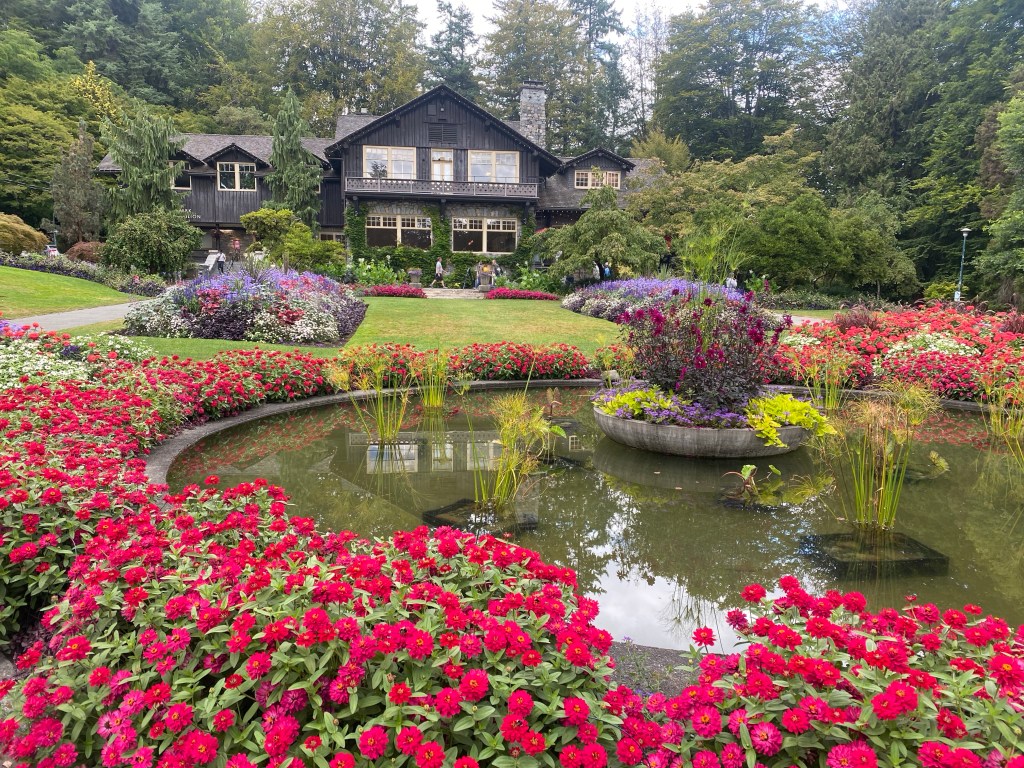
Vancouver is a very picturesque city. It features a sea wall that stretches for miles and accommodates walkers, bikers, rollerbladers and skateboarders. From it you can gaze at the surrounding mountains, part of the Cascade range that stretches all the way from southern BC to Northern California, as well as the very active harbor. We walked the sea wall from our hotel across from the Canada Place cruise terminal to Stanley Park.
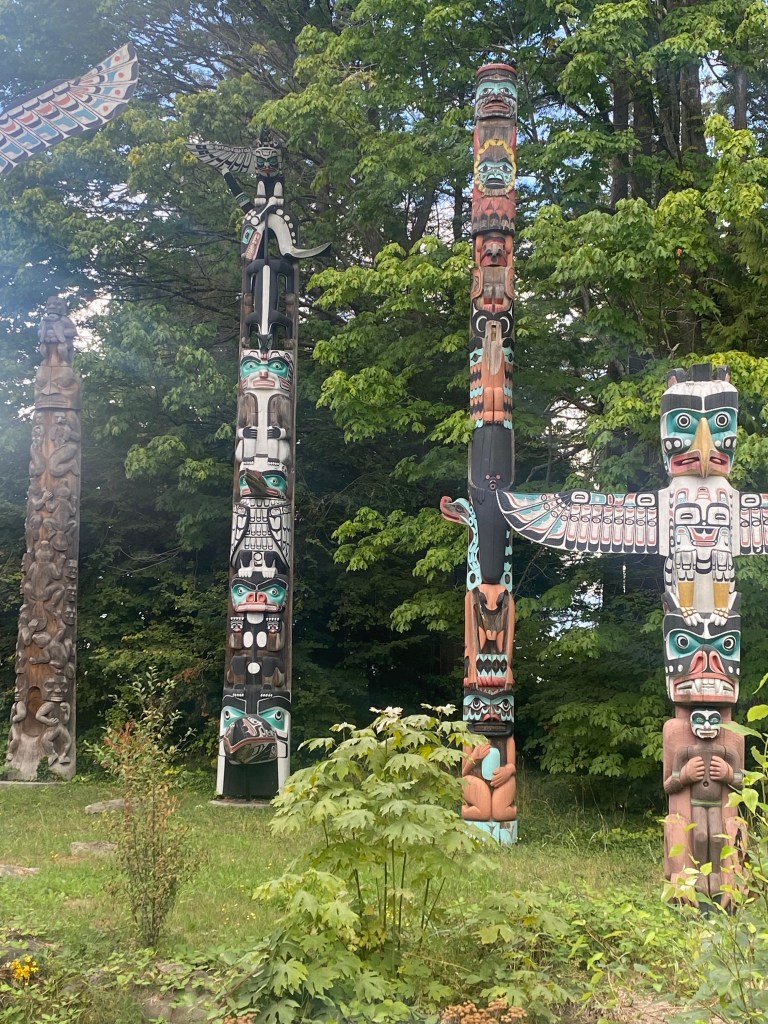
Stanley Park is one of the highlights of the city. It is home to a number of totem polls that evoke the culture of the indigenous population, referred to here as the First Nations. While totem poles are often assumed to be associated with any native people in North America, they are actually only found in the Pacific Northwest in both Canada and the U.S.

Most of the poles in the park are more modern renditions, crafted by native artisans. Many of the older poles are now located at the University of British Columbia’s Museum of Anthropology. The museum was on our list of places to visit, but it unfortunately has been closed for the entire summer.
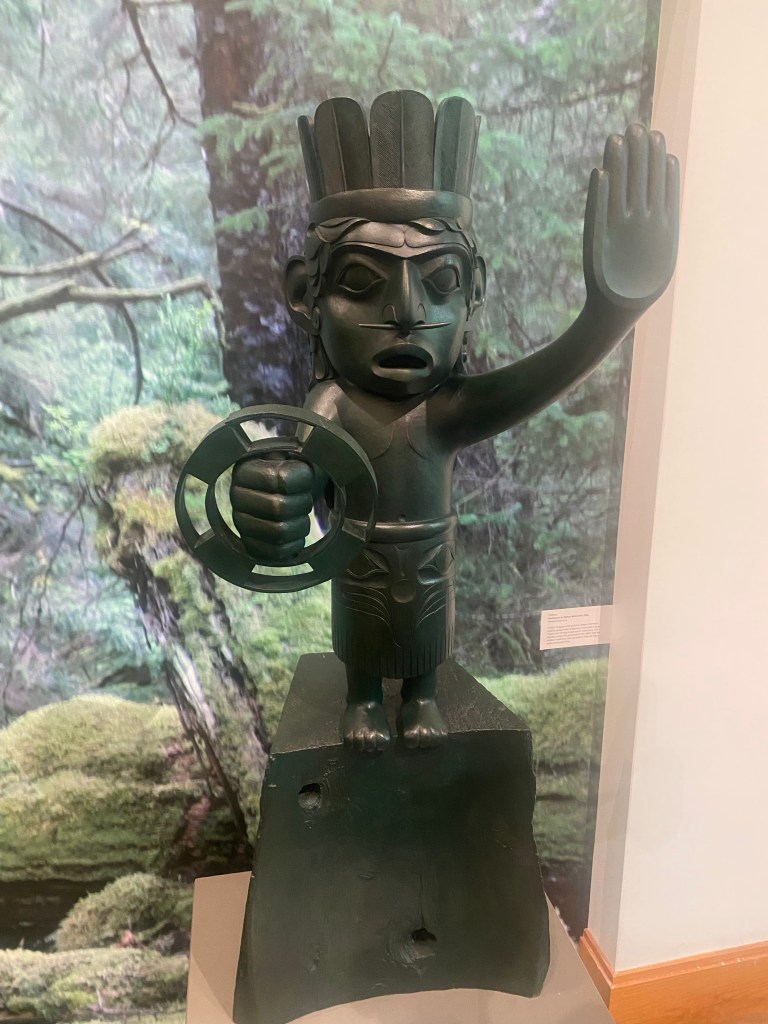
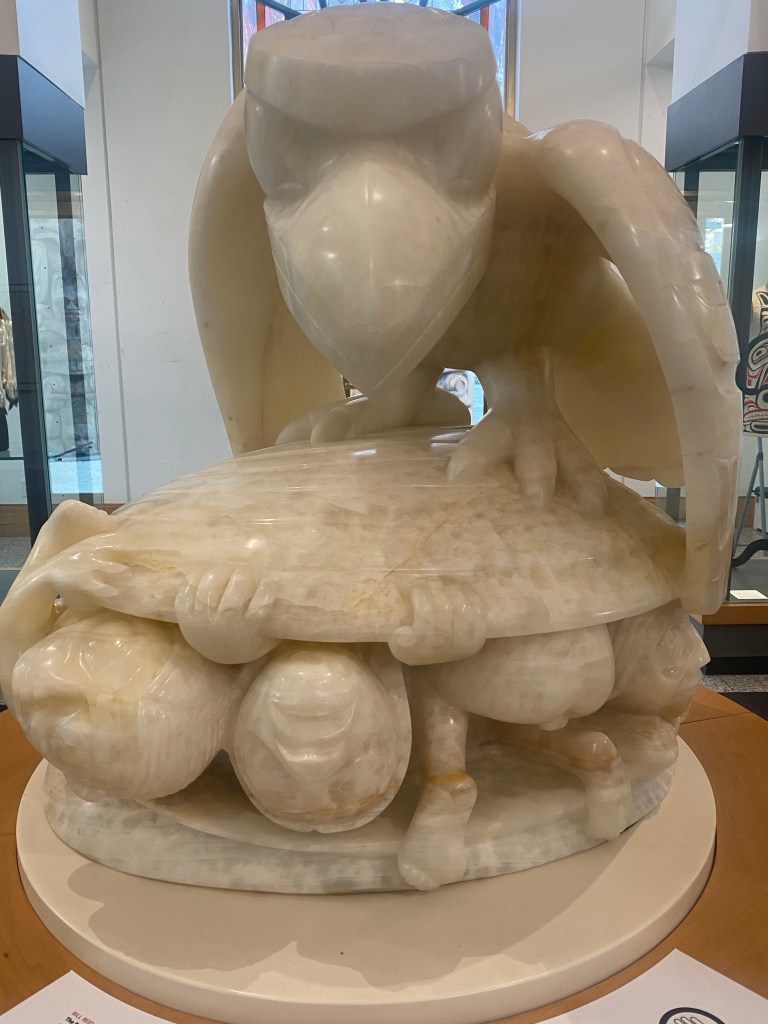
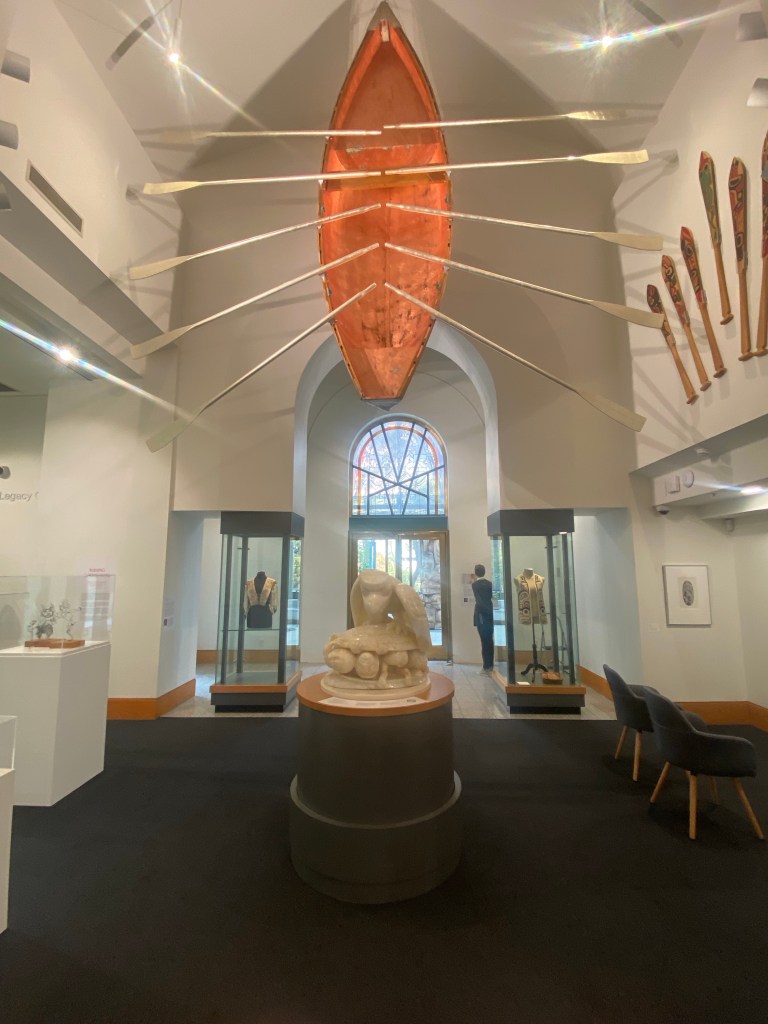
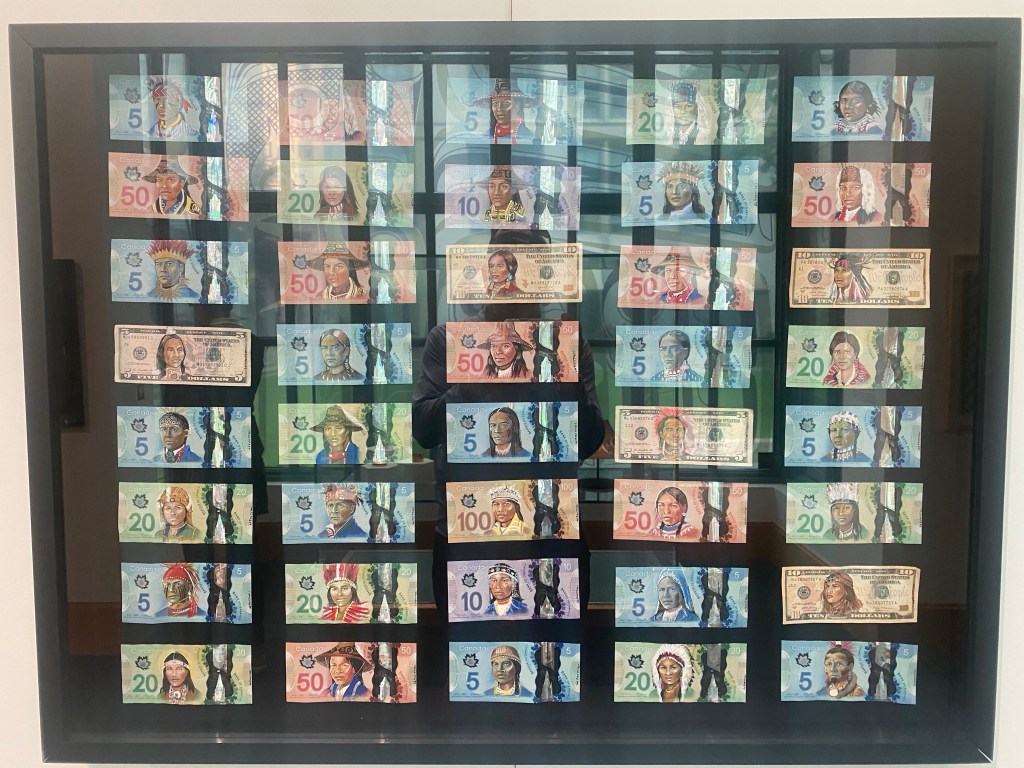

We were able to view other types of indigenous art at the Bill Reid Gallery, which is a featured stop in the city. Reid was a famous Canadian artist whose mother was from indigenous stock. He died in the 1990s, but the gallery is home to some his works along with pieces from other artists. The museum also provides helpful background on the history and mythology of indigenous art of the region.
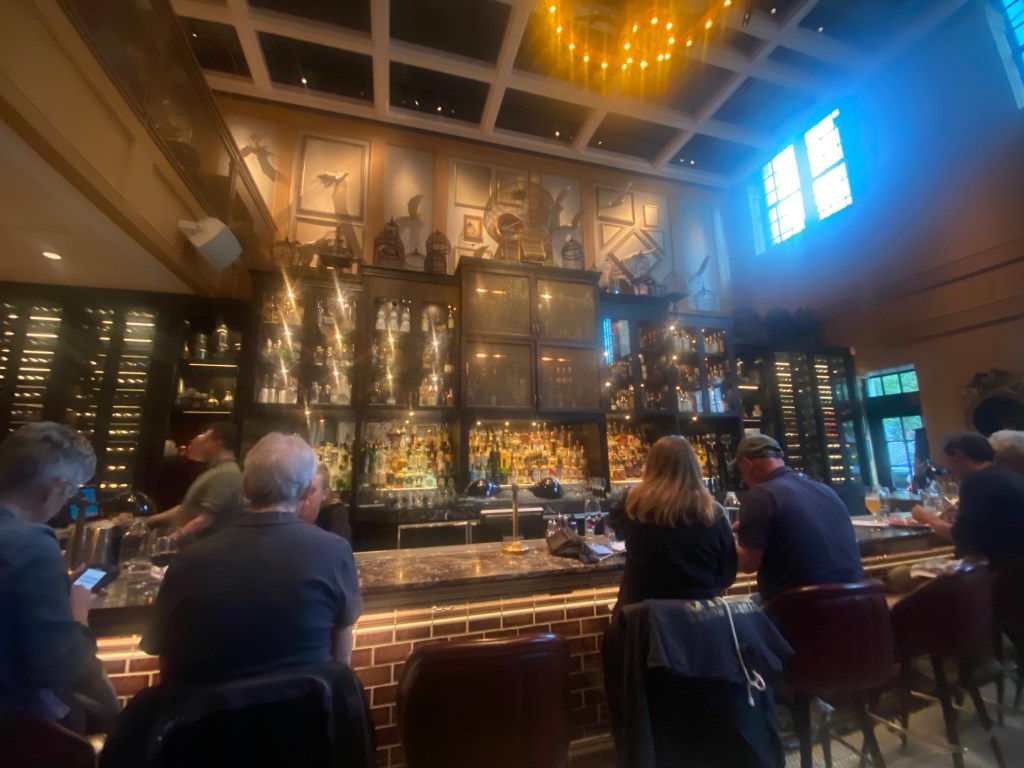
In addition to natural beauty, Vancouver is quite the foodie town and also home to several craft breweries. The latter has become a thing just about everywhere. Needless to say we sampled a bit. Our meals included an odd combination of a pizza alongside fried chicken at a place called Nightingale — a strange combo for sure, but really good. We ate way too much that night. Another highlight was sushi at a place called Miku. It was was also excellent, and best of all was just steps away from our hotel.

That’s it for now, as we get ready to leave the ‘appetizer’ of British Columbia for the main course – Alaska. Our ride is arriving.

 It's What We Do
It”s always good to see you and Pat always have time for the proper libations.
Enjoy Alaska!
LikeLike
I would enjoy that Island and of course the old brewery. Totem poles are always interesting –very artistic folks making these
LikeLike