The title refers to a common saying hereabouts, hereabouts as I write this being the Speyside region of northeastern Scotland. It’s home to one of the largest concentrations of distilleries in the world, stretching along the route of the River Spey. It’s where we wrapped up our nearly three-week visit to Scotland. I know what the medical establishment is saying about alcohol consumption, but the Scots have been making fine spirits for hundreds of years, and we like to experience the local culture.
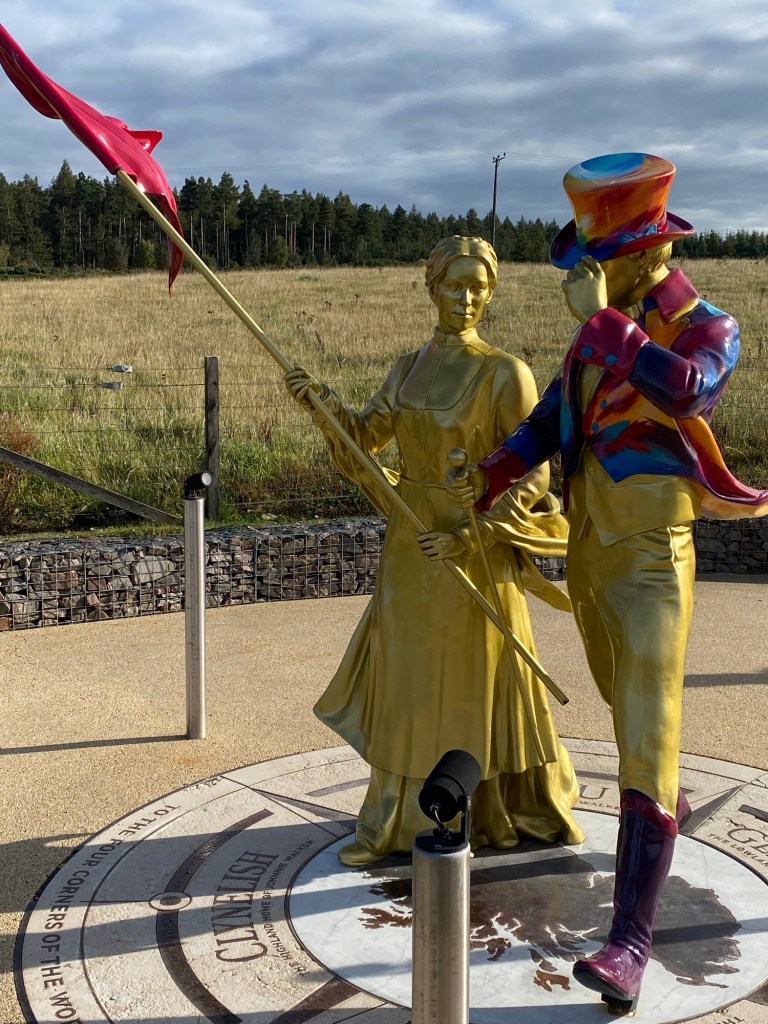
Prior to embarking on our three-day whisky tour we spent our last full day in Edinburgh strolling through some of its parks and neighborhoods. After two days of heavy art consumption, as detailed in another post, we just needed some fresh air. It helped that the notoriously fickle Scottish skies cooperated for most of the day.
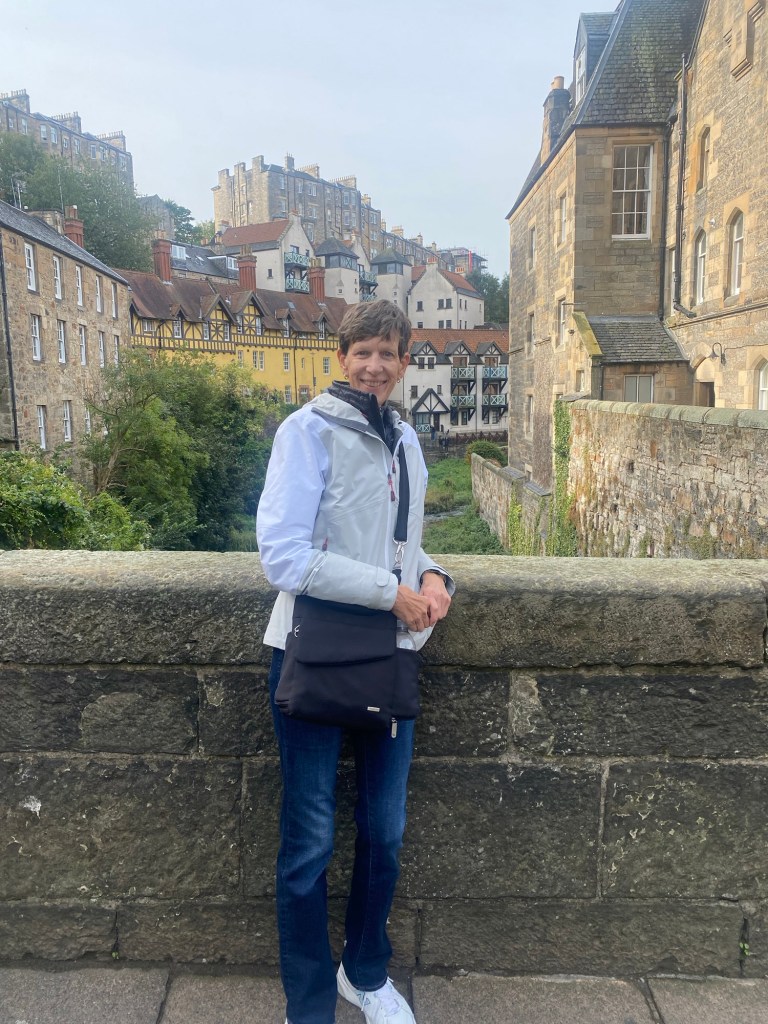
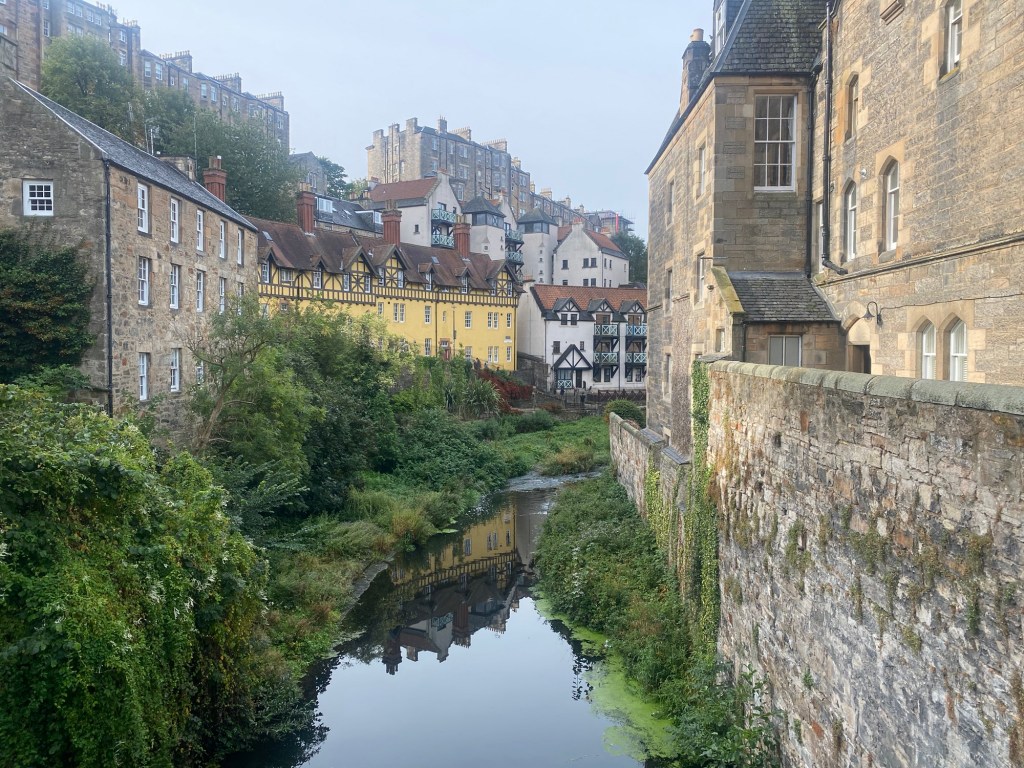
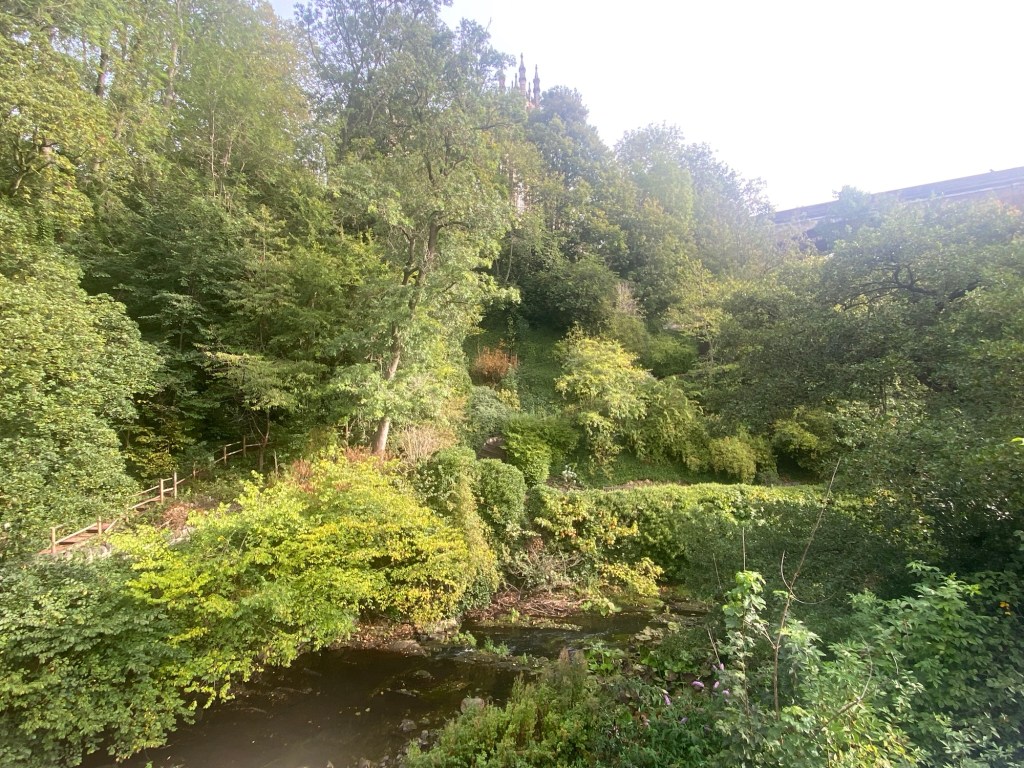
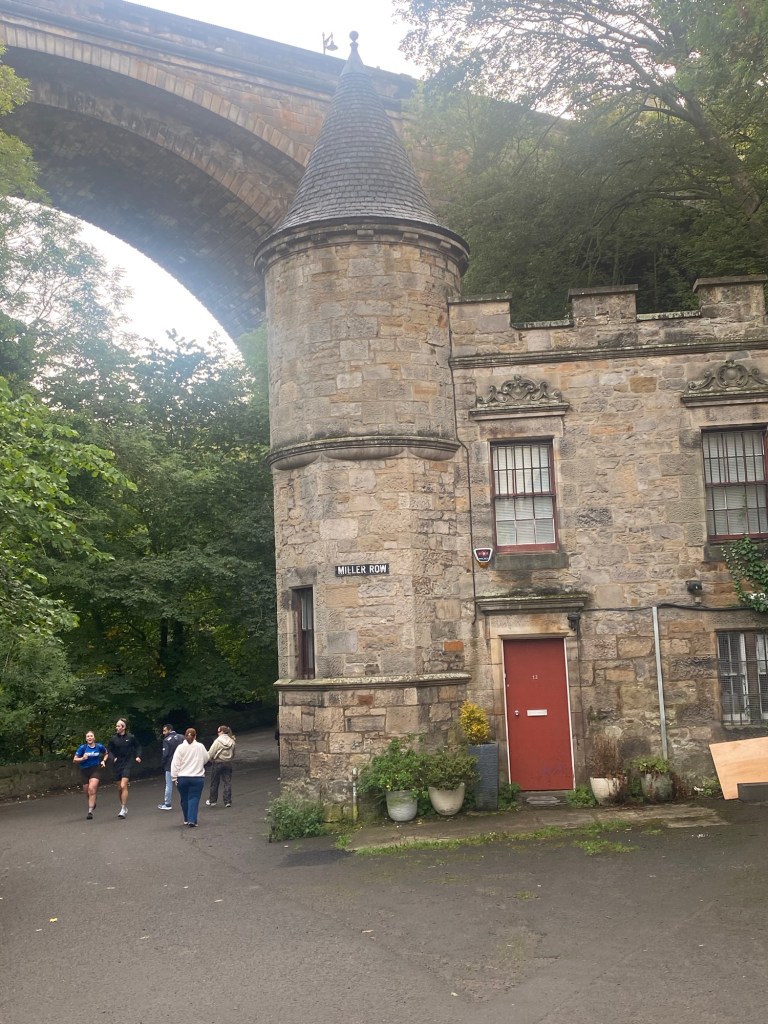
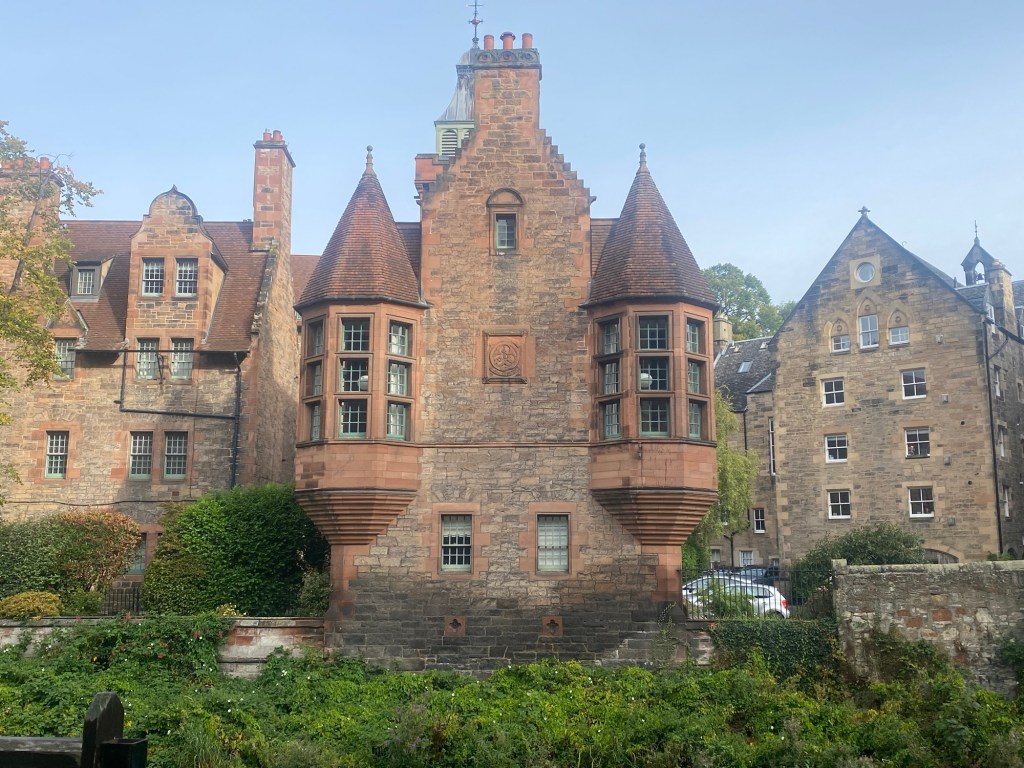
Our walk followed what is known as the “Water of Leith” route, which ultimately leads to the port of Leith on the northern outskirts of Edinburgh. It is where the Royal Yacht Britannia is docked. You can tour the boat for a fee, but we weren’t interested.
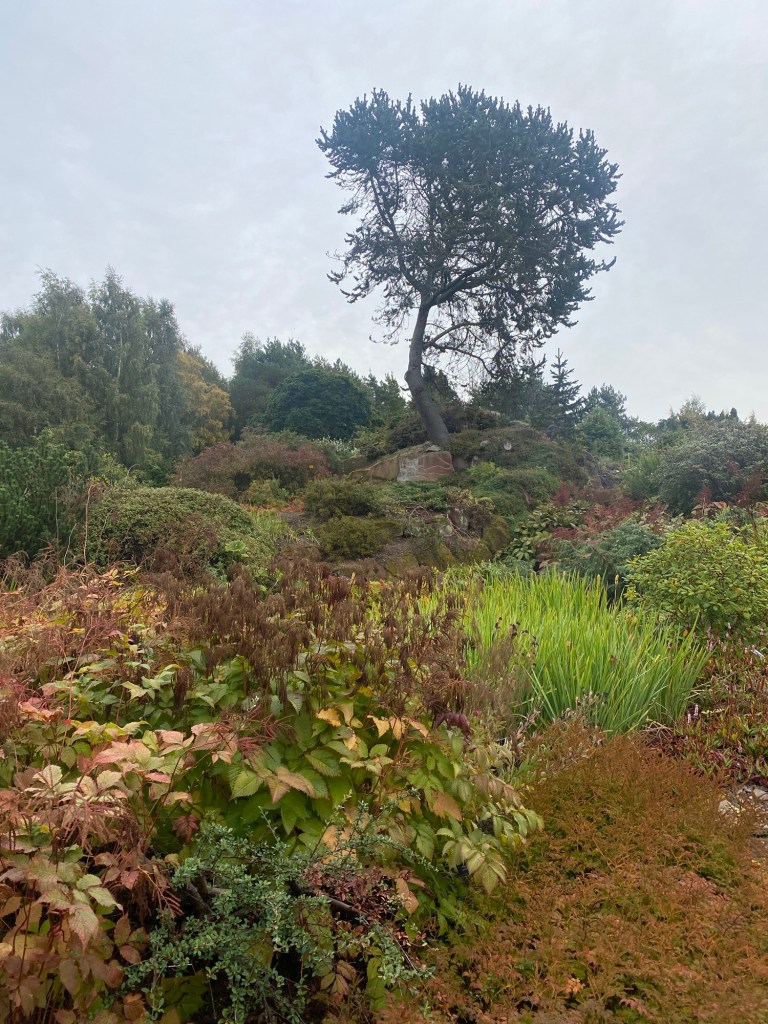
The walk did take us through some nice neighborhoods, to the Royal Botanical Garden and a small outdoor market in a neighborhood known as Stockbridge. We also encountered a massive fundraising walk for various medical issues. It was like we were trying to go downstream against the mass of salmon heading upstream to spawn.

It was a Sunday and later that day we were able to wrap up our visit to Edinburgh by enjoying a traditional “Sunday Roast.” It is a meal of roast beef and gravy, roasted potatoes and vegetables. If you ever wondered where the “meat and potatoes” ethos of the United States came from, wonder no more.
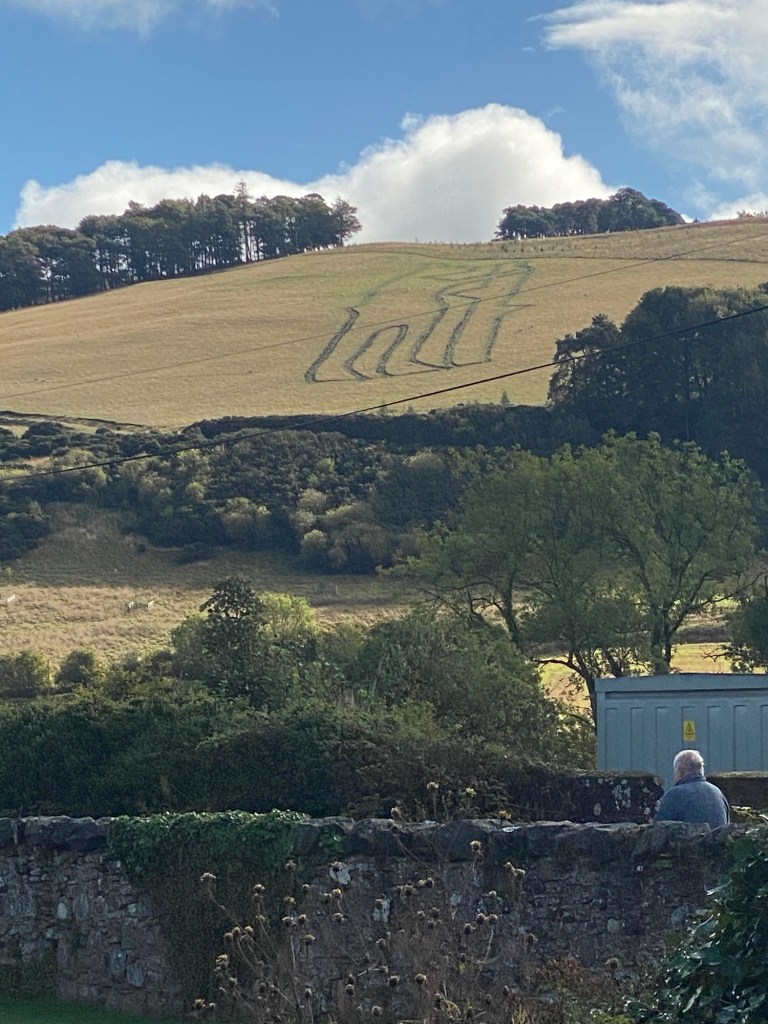

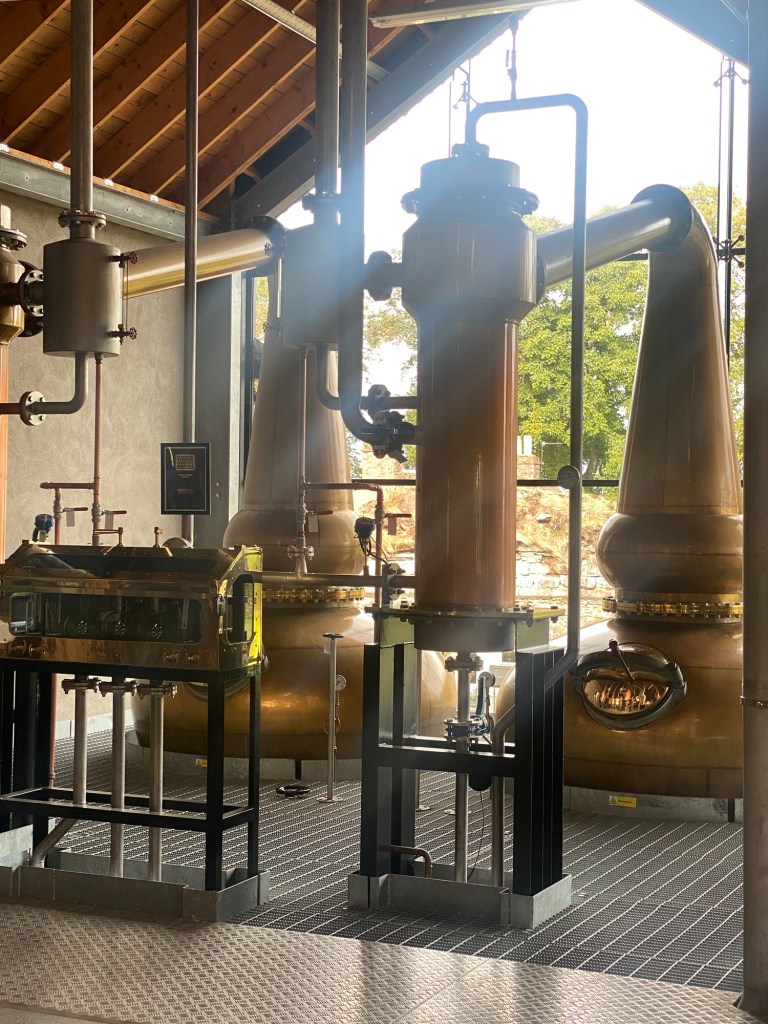
The next day we embarked on our visit to the Speyside region via a tour run by Rabbie’s, a large UK tour operator. There were 12 of us on the bus. We were joined by another couple who live about 10 miles from us in New Jersey, another yank from the D.C. area, a solo Brit who was seriously into his whisky, an older Canadian couple, and four Danish guys who are members of a whisky club. An eclectic but decent group.
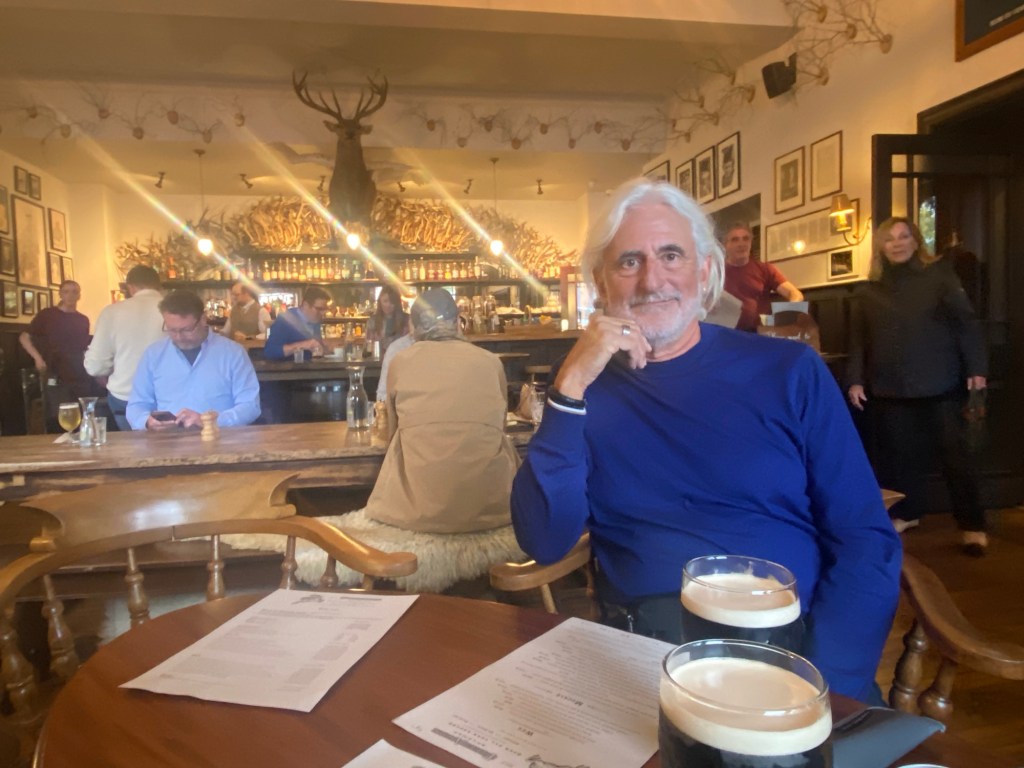
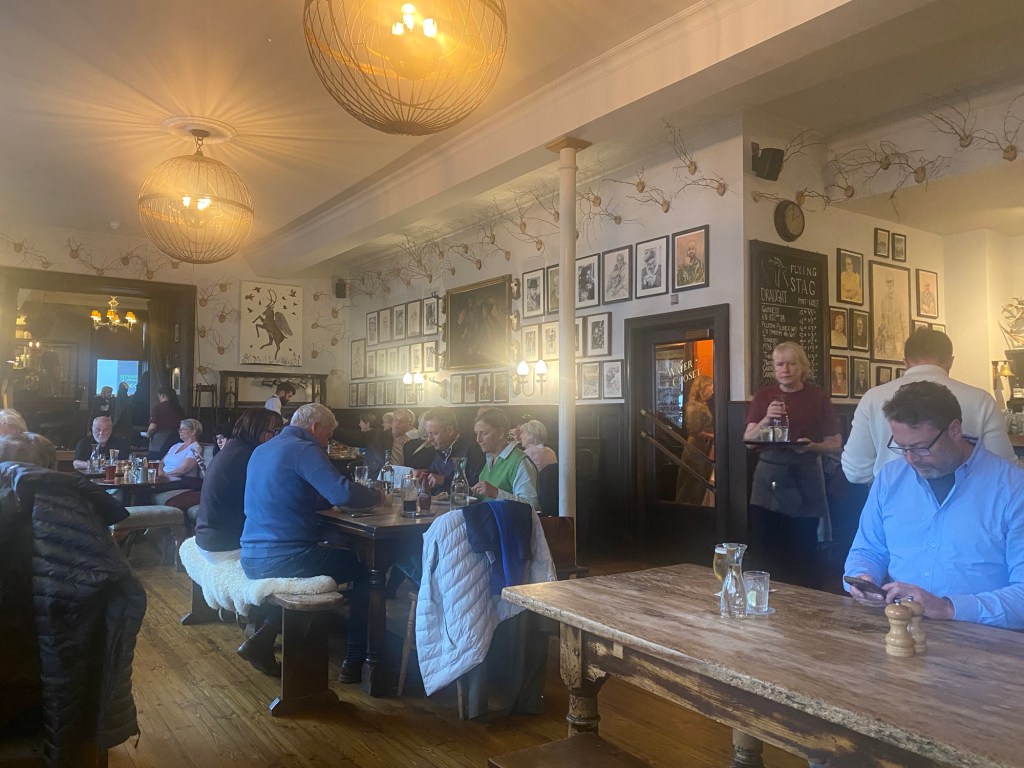
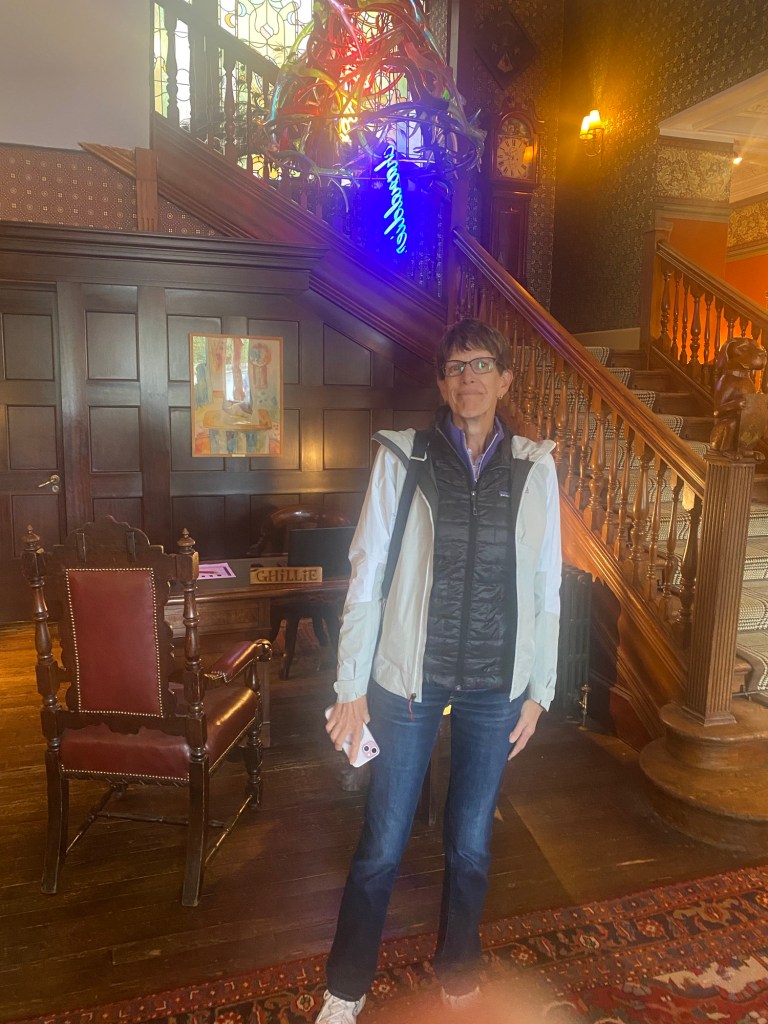
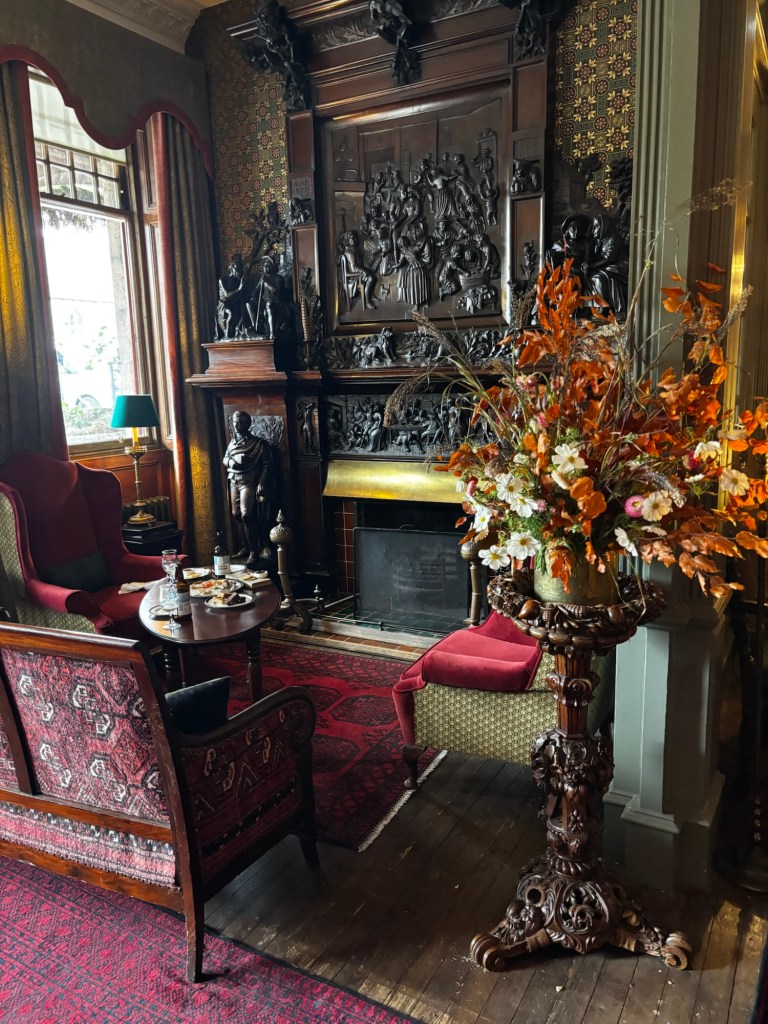
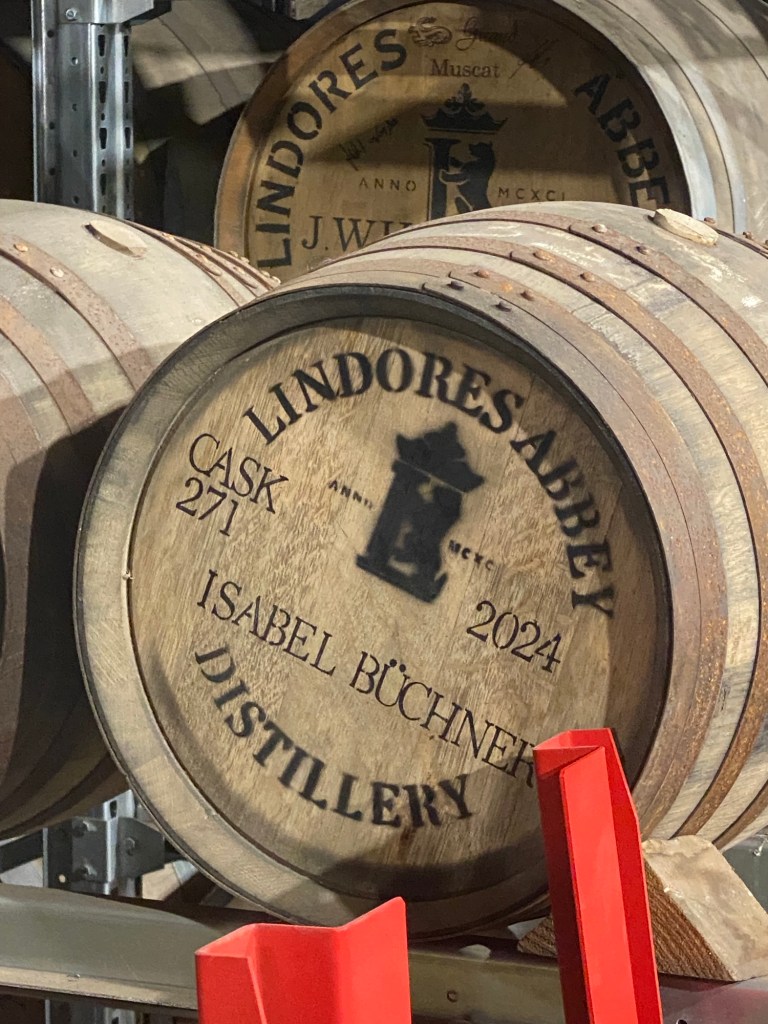
We started our tastings at Lindores Abbey, which claims to be both the oldest and the newest distillery in the region. How is that possible? The current winery started in 2017, but it’s adjacent to the ruins of a Benedictine abbey where they found evidence the monks were making spirits in the 1400s. It’s a nice marketing gimmick.
Next it was on to a shop called The Whisky Castle in the village of Tomintoul. Its been in business since 1906 and stocks over 1,000 different spirits.

Day two brought us to Cardhu, which is one of four whiskies that go into the Johnnie Walker brand of blended whiskies. The two entities began collaborating long before the era of corporate ownership and mass marketing, so their joint history was quite interesting.
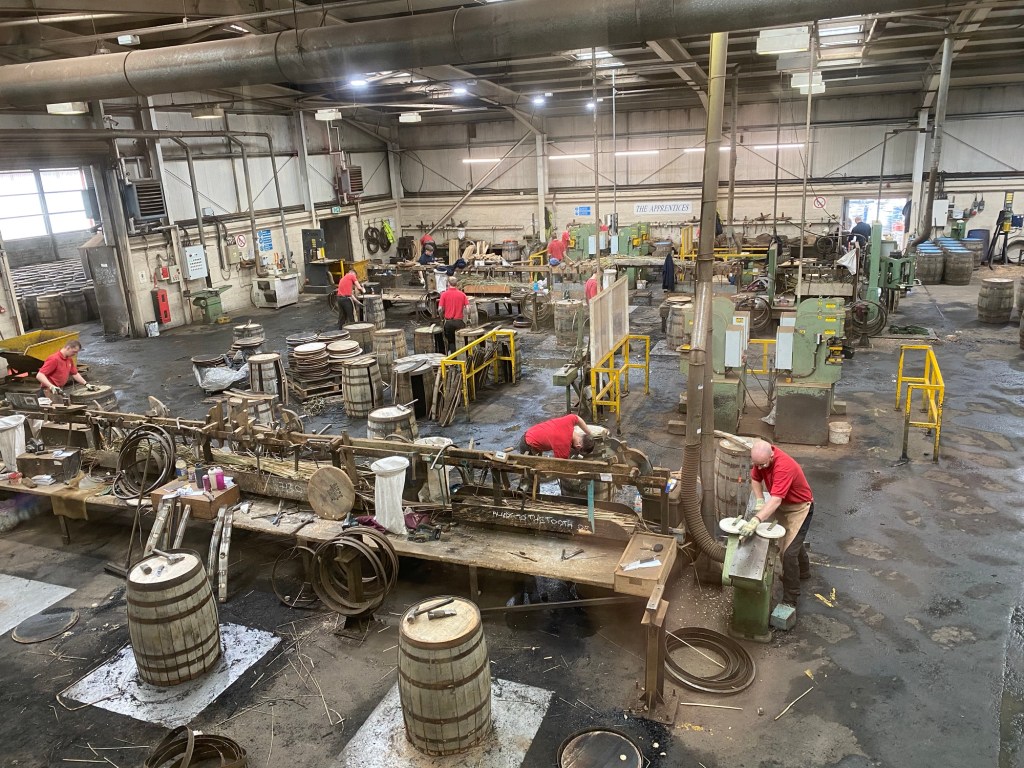

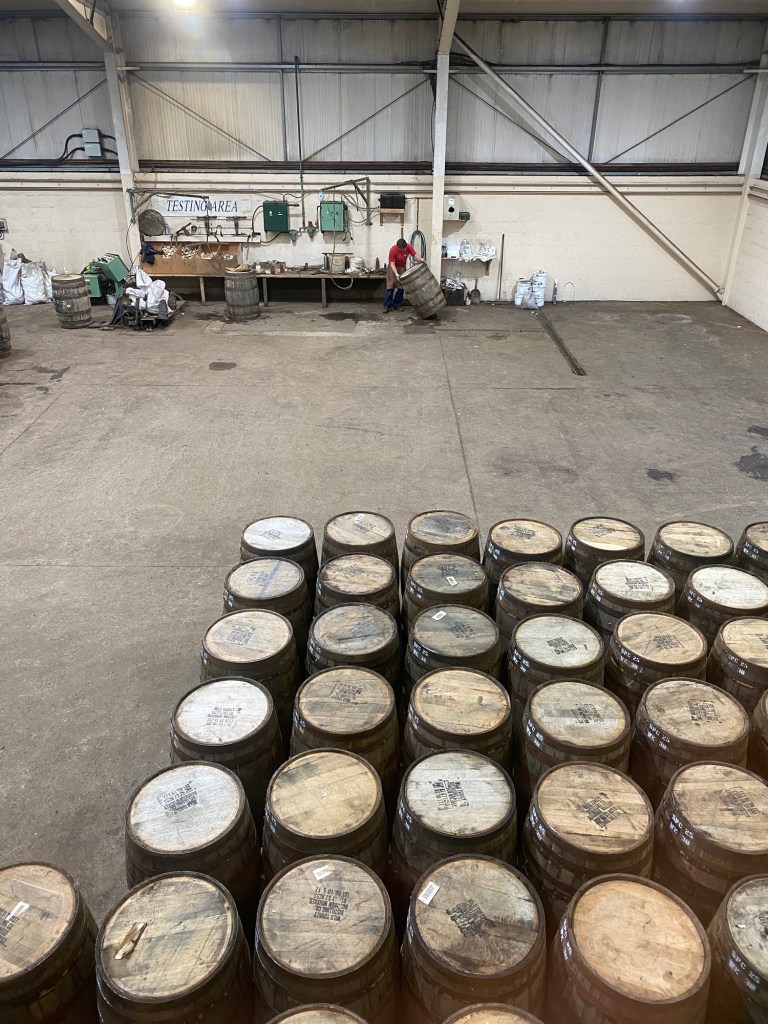
Next it was on to the Speyside Cooperage, where they recondition barrels. Scottish distillers principally age their whiskies in used bourbon barrels. Under U.S. law bourbon can only be aged in new oak barrels, so the used barrels have long been sold to the Scots, the Canadians and more recently to Mexico for aging anejo tequilas.
There were thousands of barrels on site. The company also has operations in Ohio and Missouri where they make new barrels. The coopers definitely work hard, and rapidly because they are paid per barrel. But they evidently earn a good living. It was fascinating to watch.
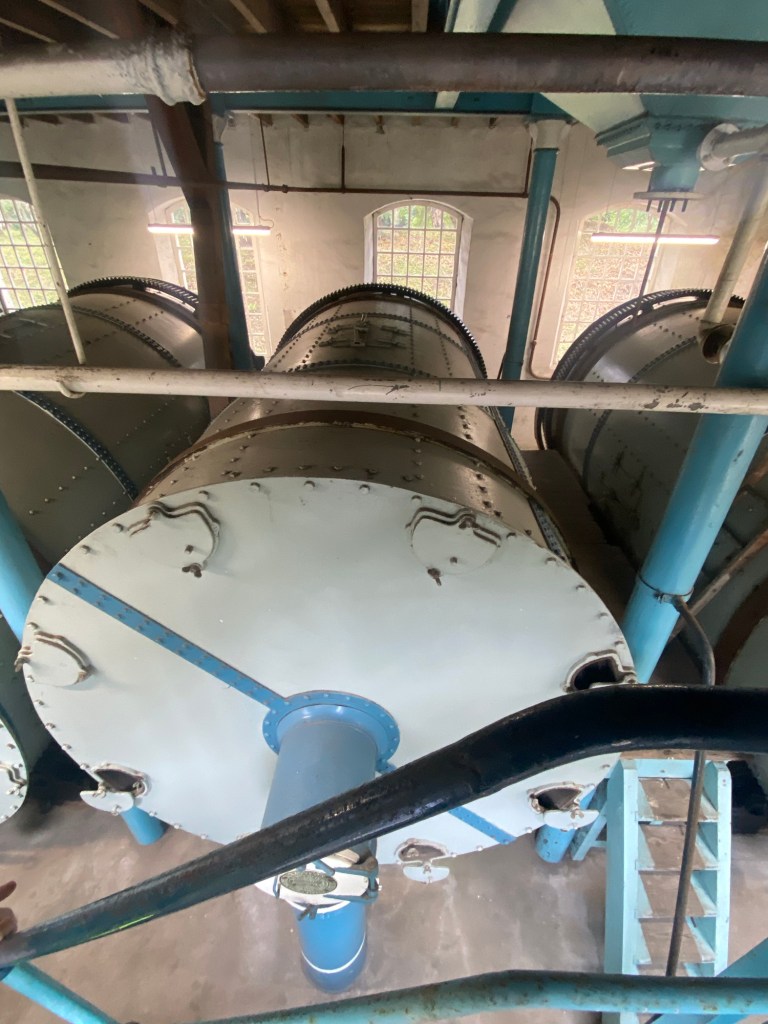
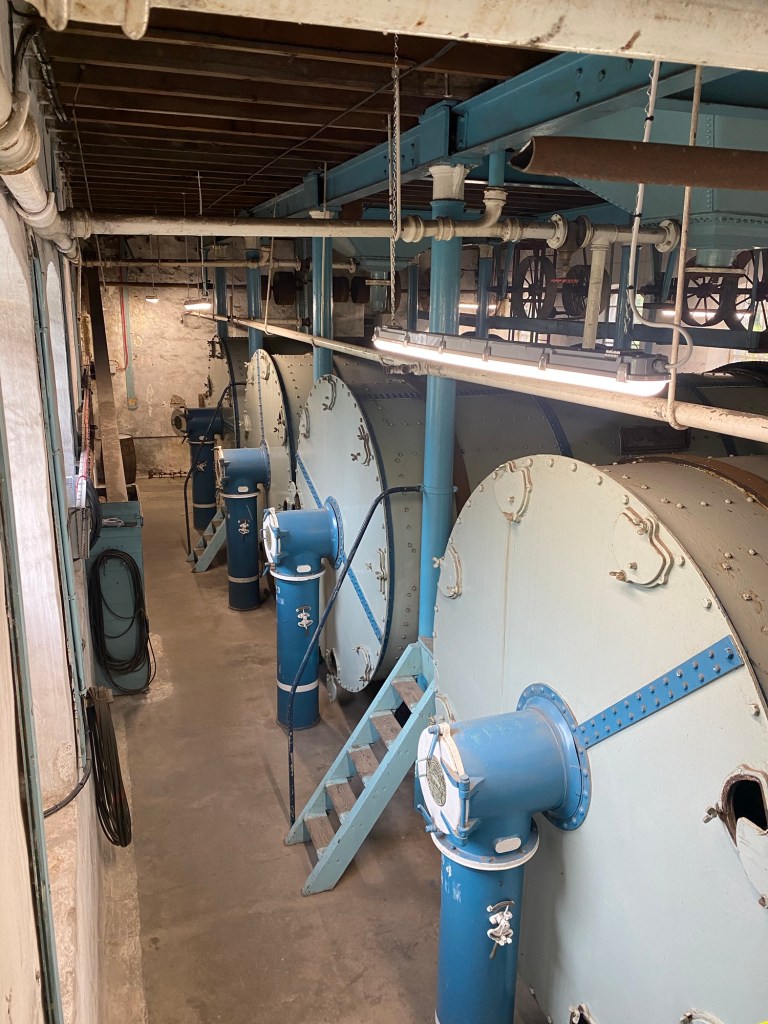

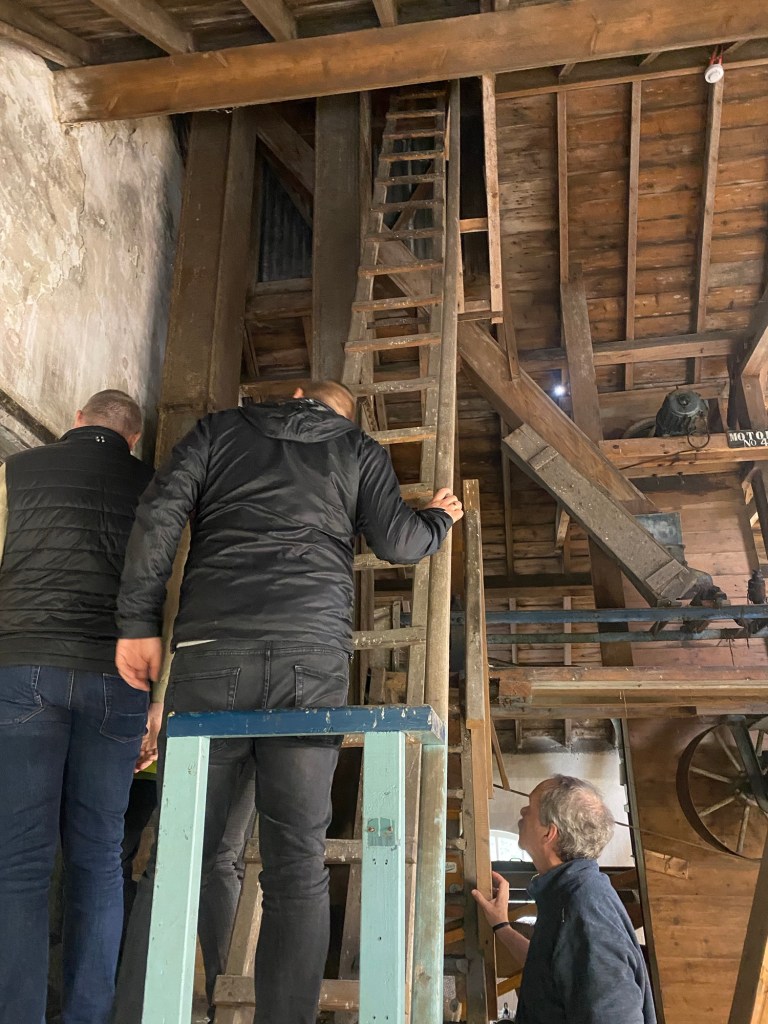
Our final stop that day was at the Speyburn Distillery. It was notable for the design of some of its buildings, which were innovative when constructed at the beginning of the 20th century. It’s also home to some Victorian era equipment that is no longer in use but can’t be removed because the place has been designated a historic landmark in Scotland.
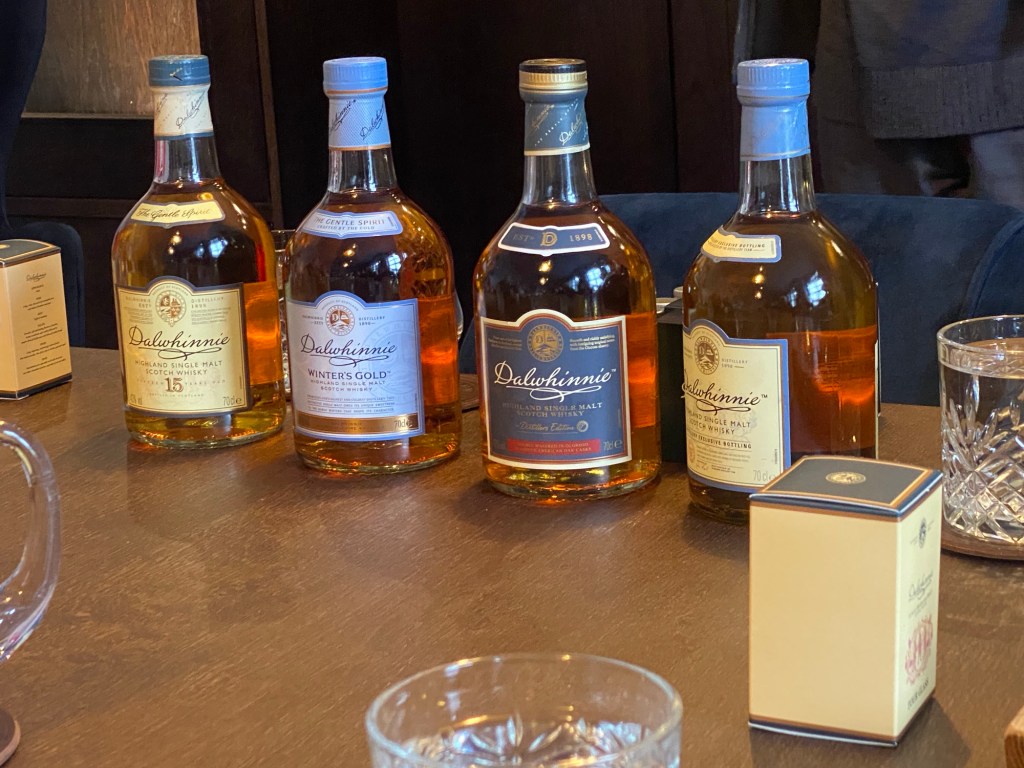
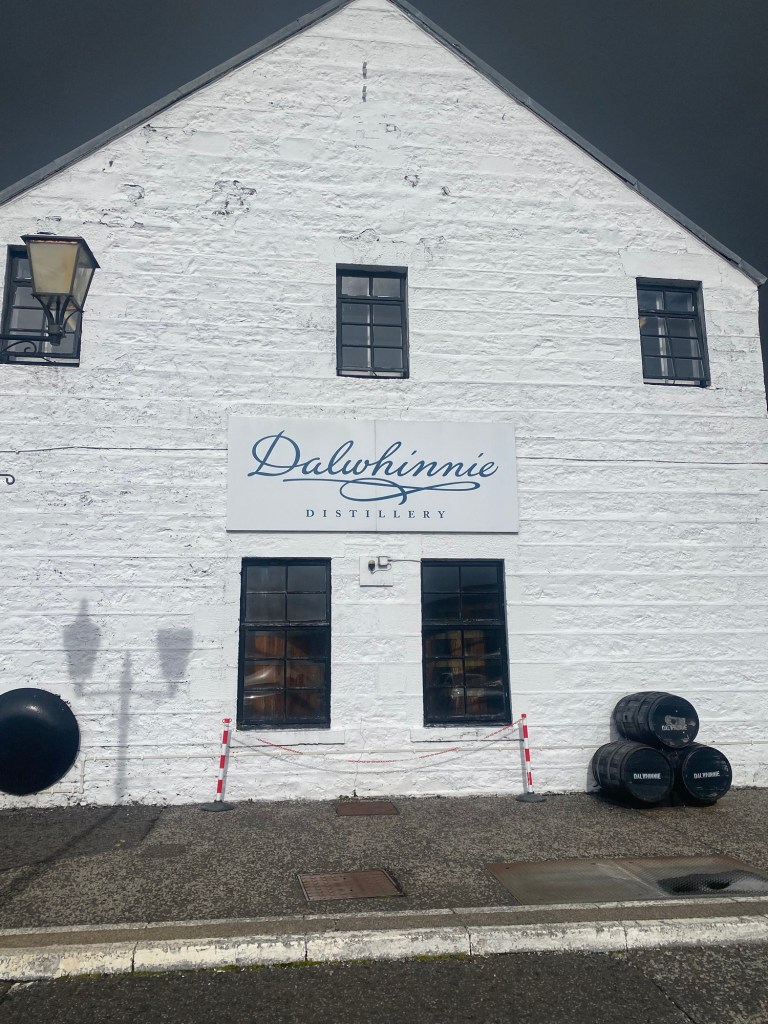
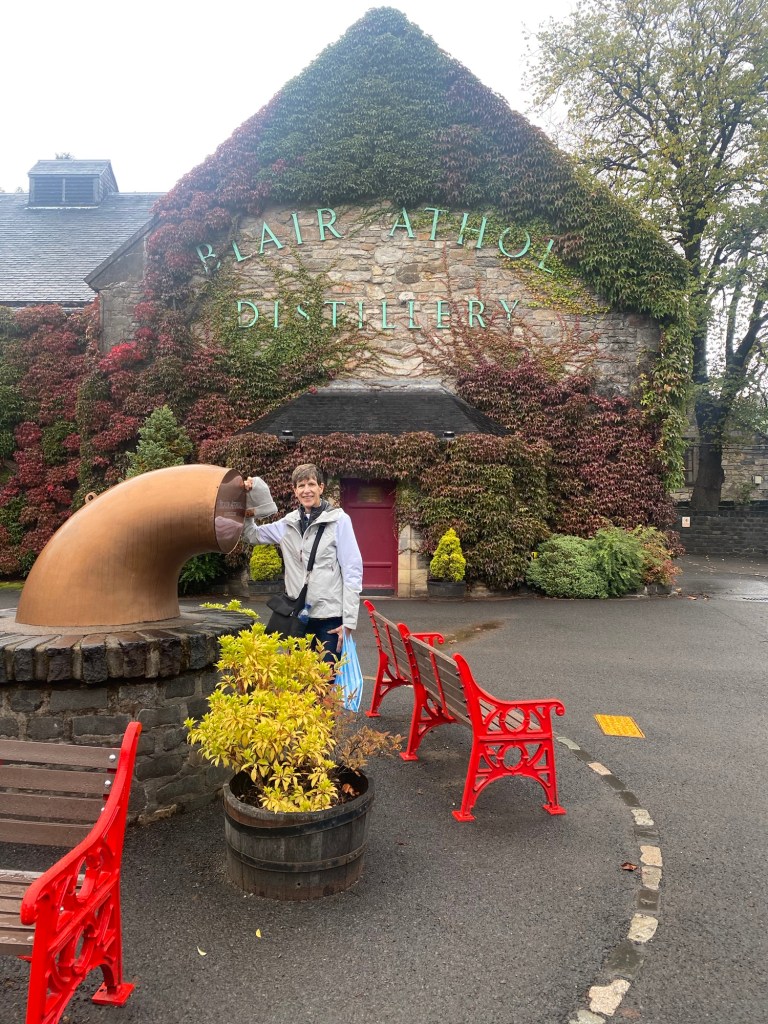

Our last formal distillery visit occurred the following morning at Dalwhinnie, where we sampled four whiskies starting around 10 a.m. Yes, sounds crazy, but the four we sampled were all paired with some delicious chocolates to make it even more decadent, and they only give you a smidgen of each spirit. Collectively I doubt the contents would fill a single standard shot glass.
 It's What We Do
fascinating blogging
probably good you’re heading home after all the whiskey tasting
LikeLike