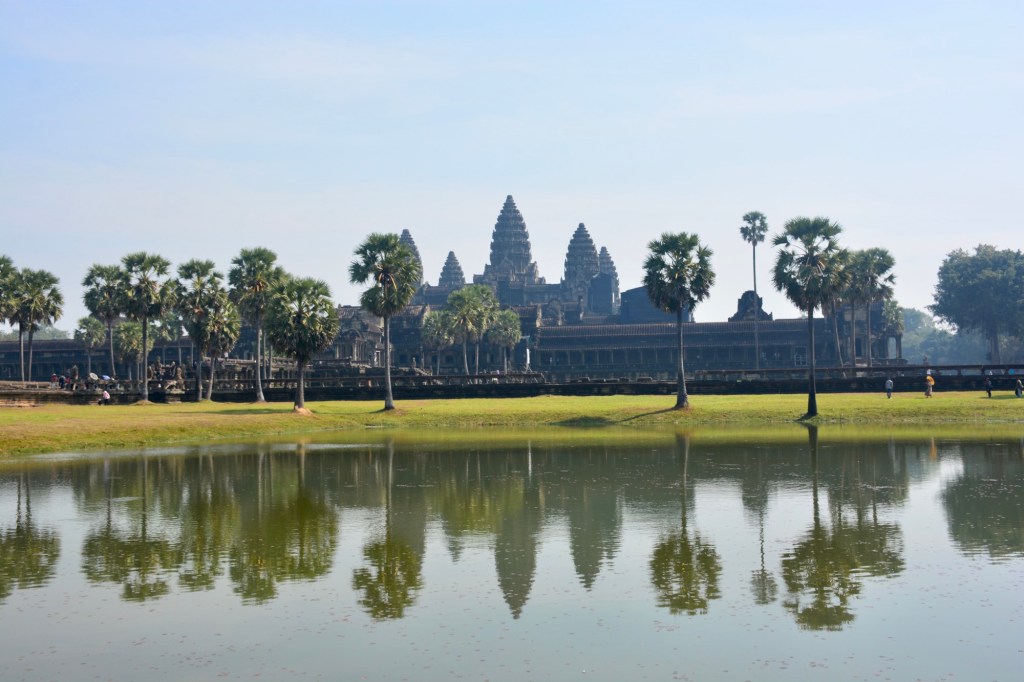
Seeing the ancient Hindu temples at Angkor Wat is one of those bucket-list items and the principal reason most travelers come to Cambodia. It did not disappoint, though the country has much more to offer visitors.

Built during the 12th century, Angkor was abandoned in the early 16th century when the then king relocated the capital to Phnom Penh. The exact reason isn’t known but an extended period of drought may have precipitated the move. There are multiple temples in the area, with Angkor Wat the largest and most impressive.
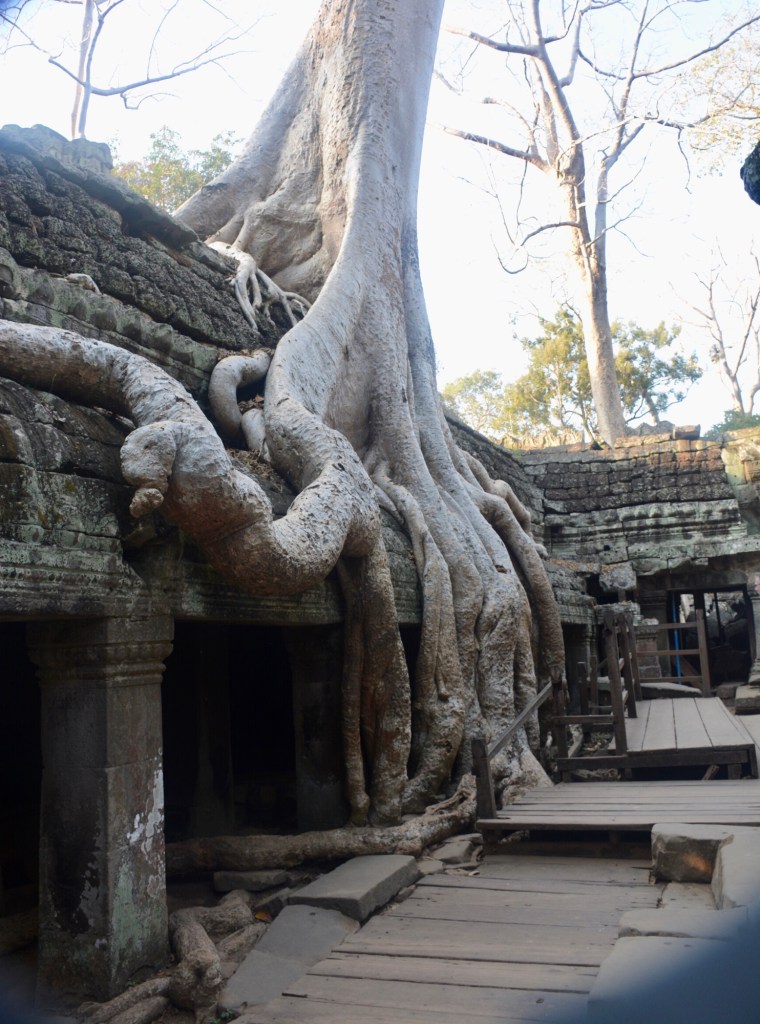
We began with a visit to the Ta Prohm temple. It was “re-discovered” in the 1800s by the French, though local people lived in the area and knew of its existence. It was covered in dense jungle vegetation and huge deep-rooted strangler fig trees. The roots look like they are dripping over the remaining buildings and walls.
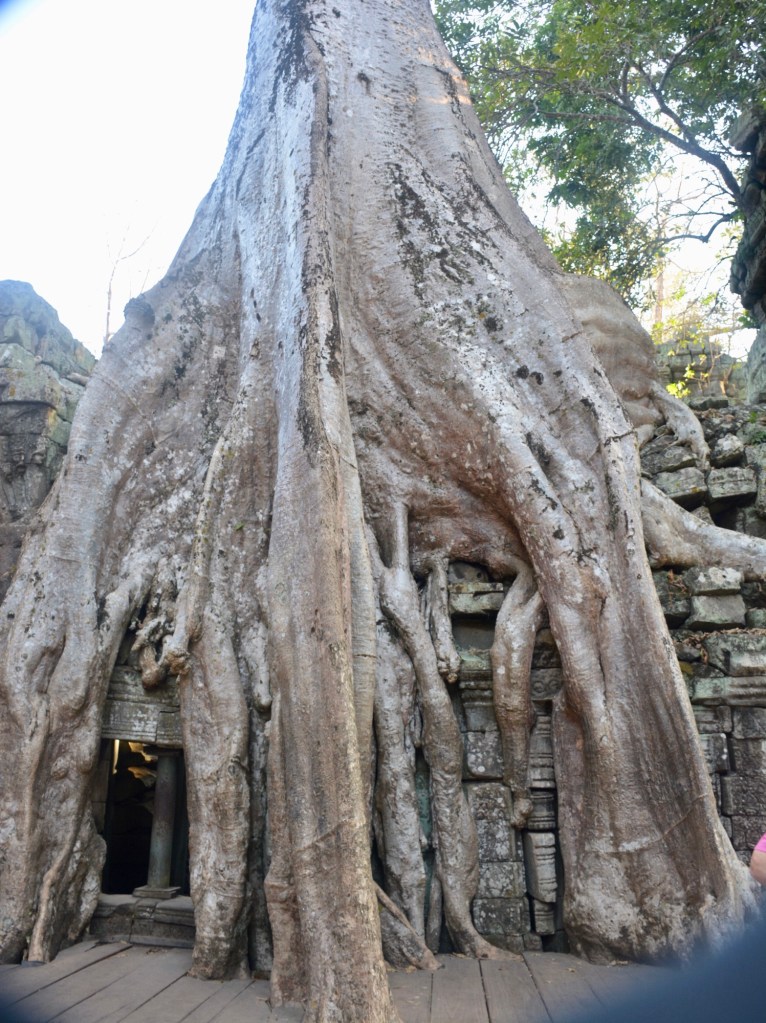
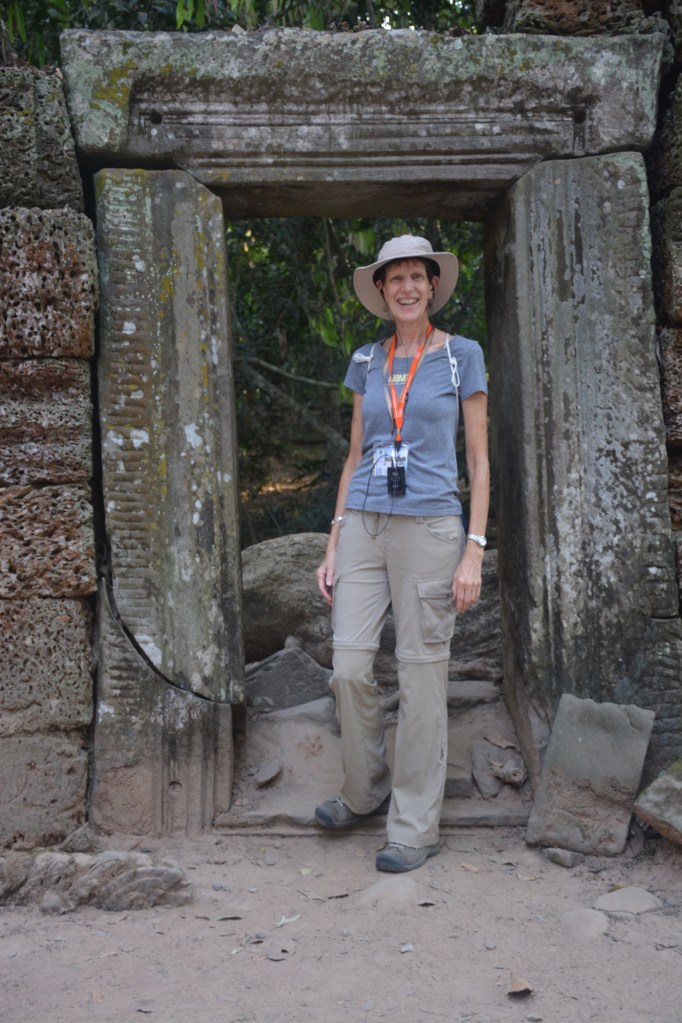
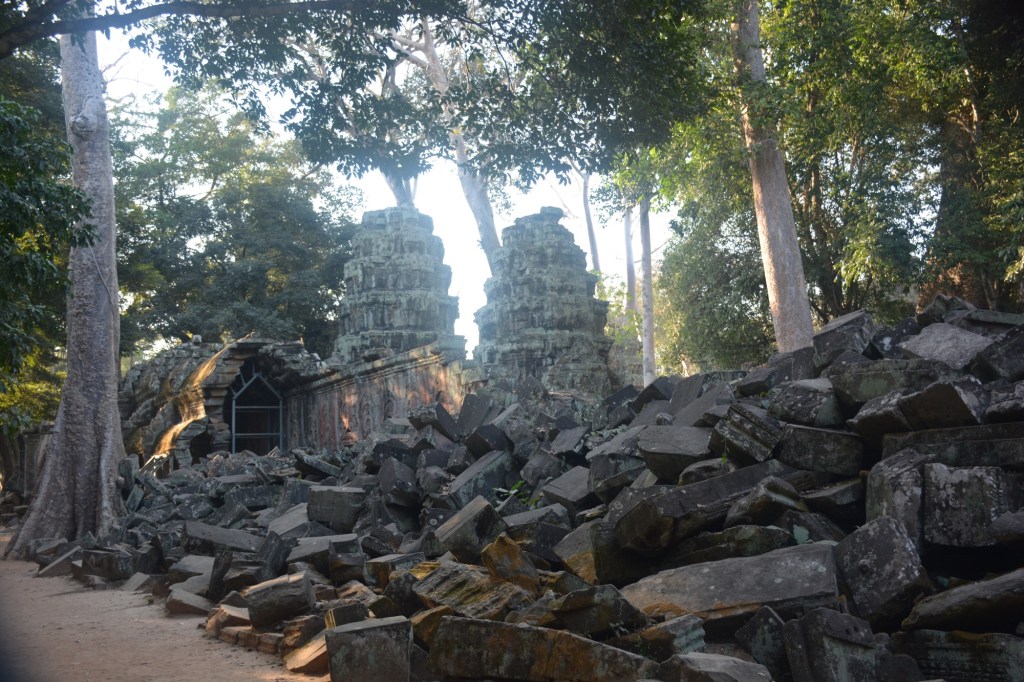
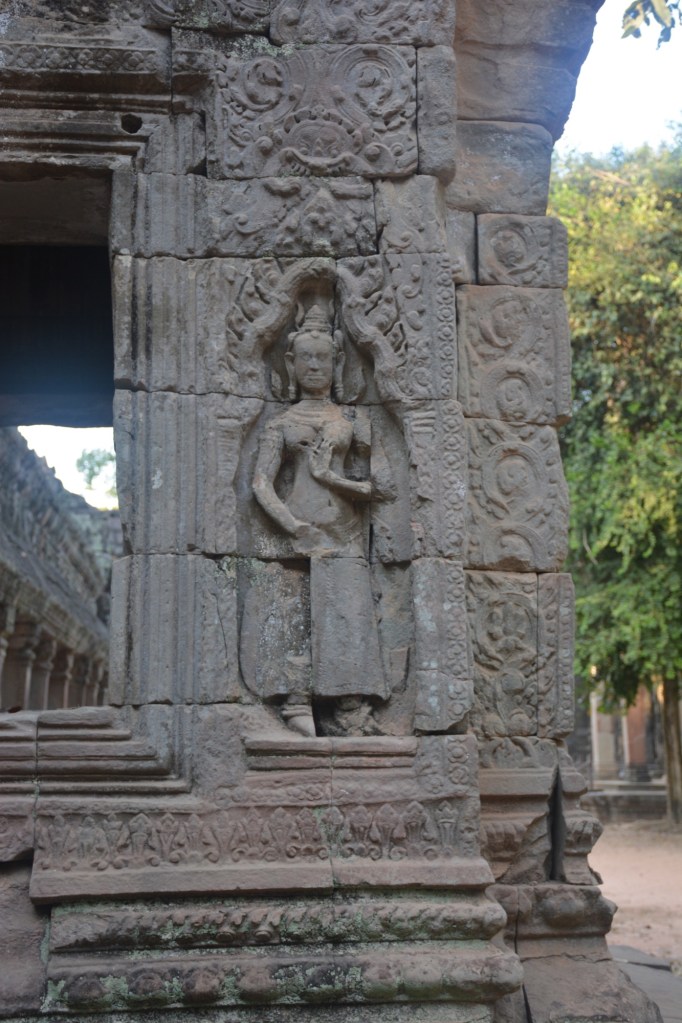
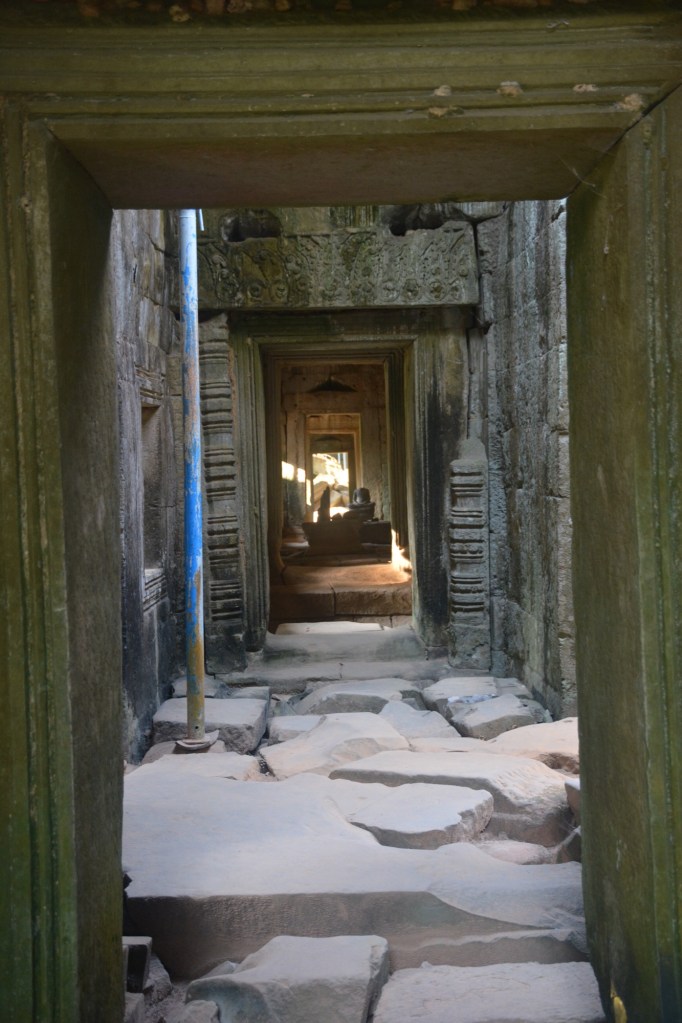
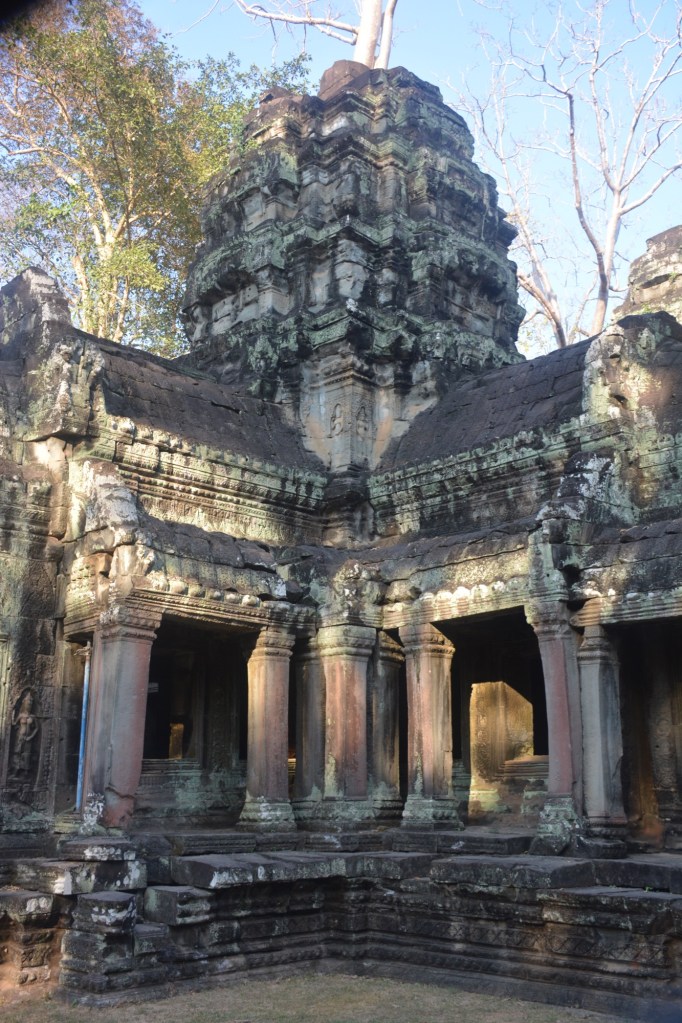
There has been some partial restoration at the site but the overall plan is to leave the trees in place unless they become diseased. It was used for scenes in the movie “Laura Croft Tomb Raider,” which drove a big increase in visitors for a time. Tourist levels at present are only at about 35% of pre-pandemic volume, according to our guide, with the Chinese the biggest group that hasn’t yet returned. Bad for Cambodia but nice for us for a change.
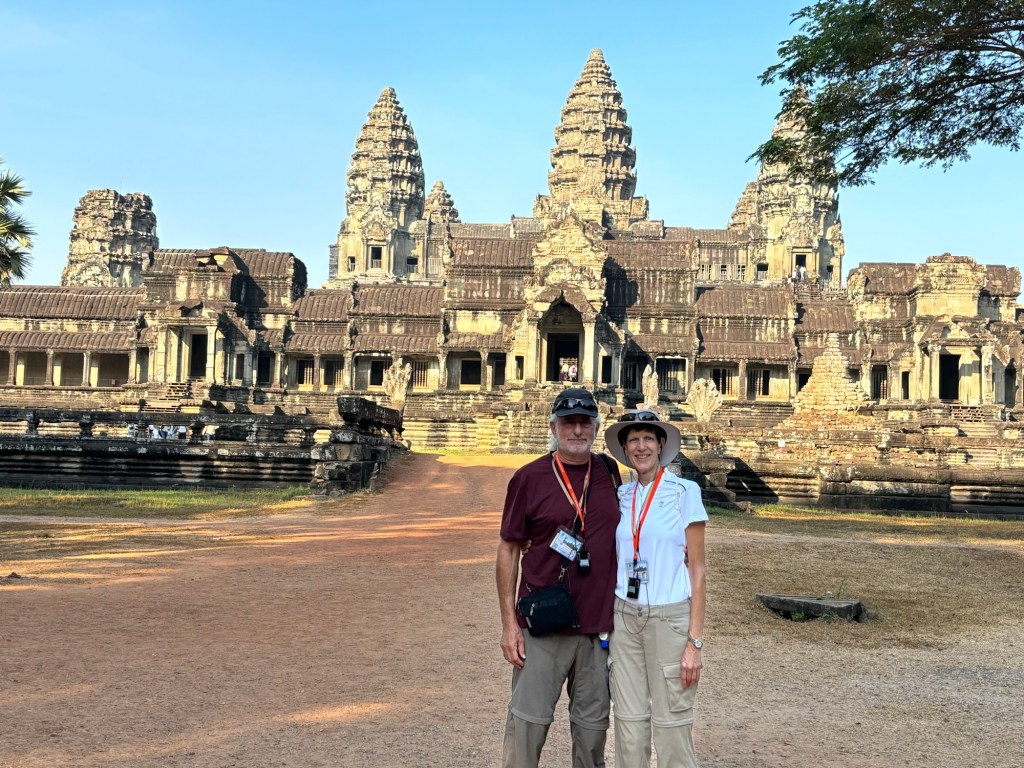

The next day brought the main event, Angkor Wat. The temple complex is huge, about five times the size of Vatican City, making it the world’s largest religious site. It began as a Hindu temple but now incorporates Buddhist shrines. It was constructed from 1113 to 1150 and is surrounded by a moat 570 feet wide.
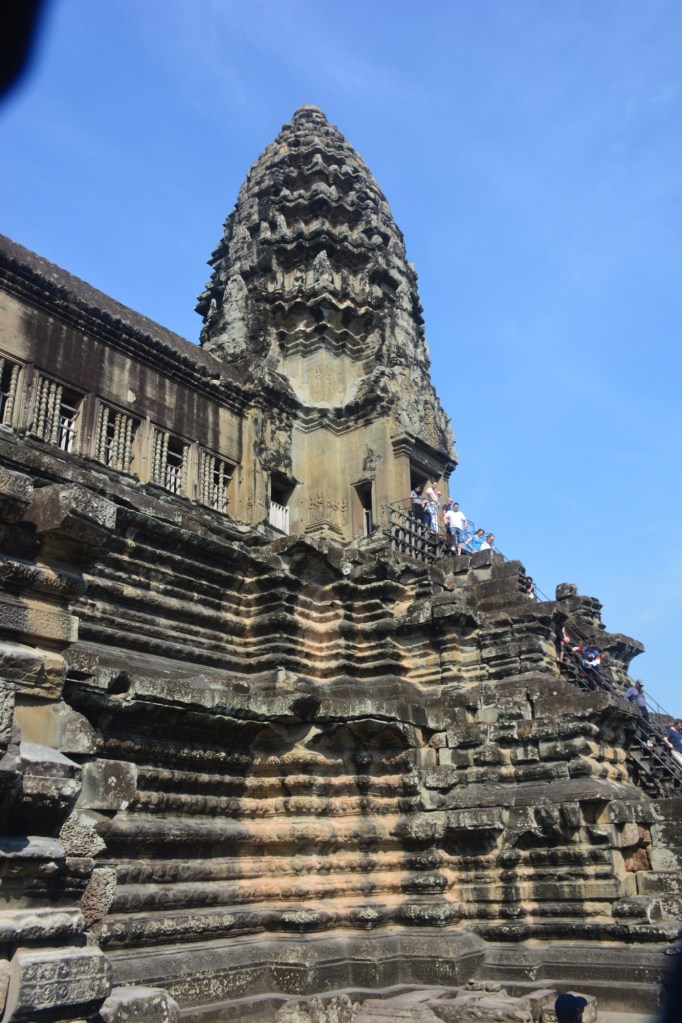
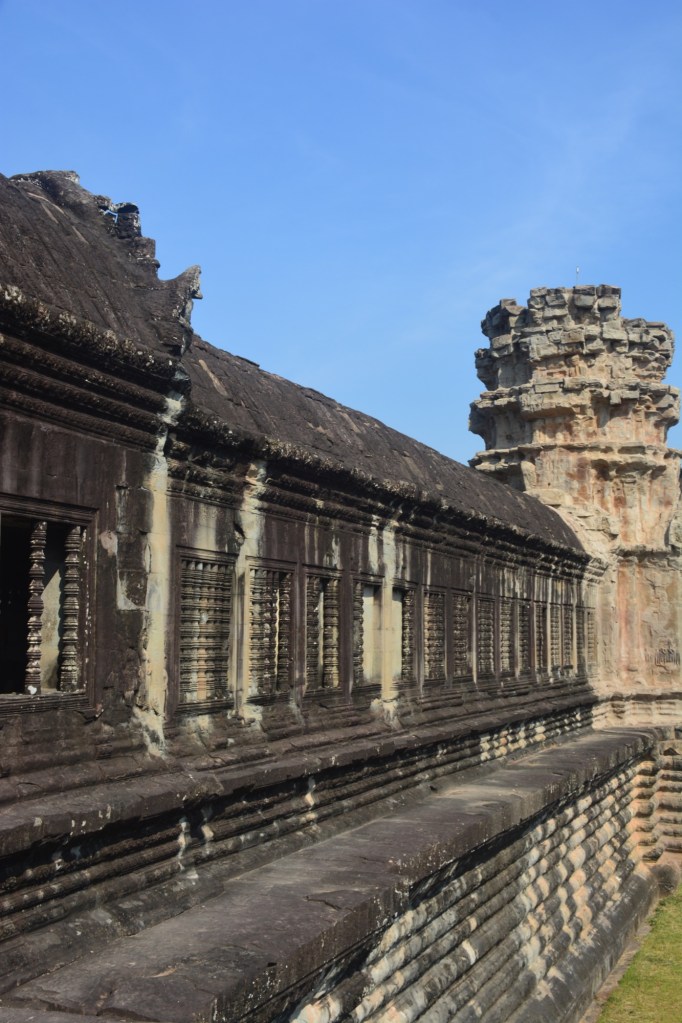
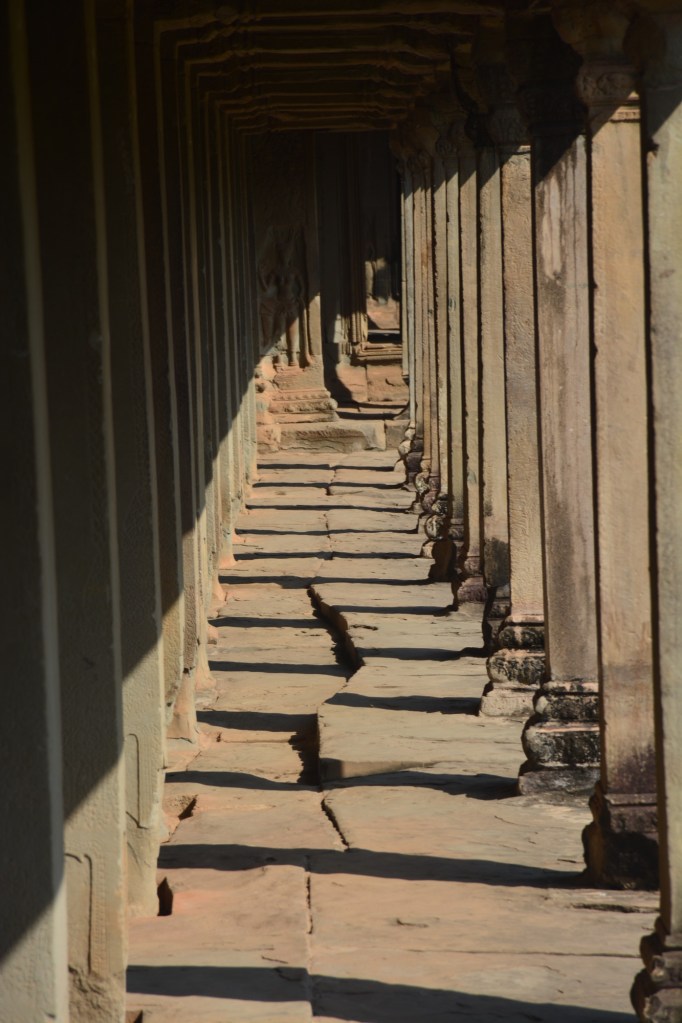
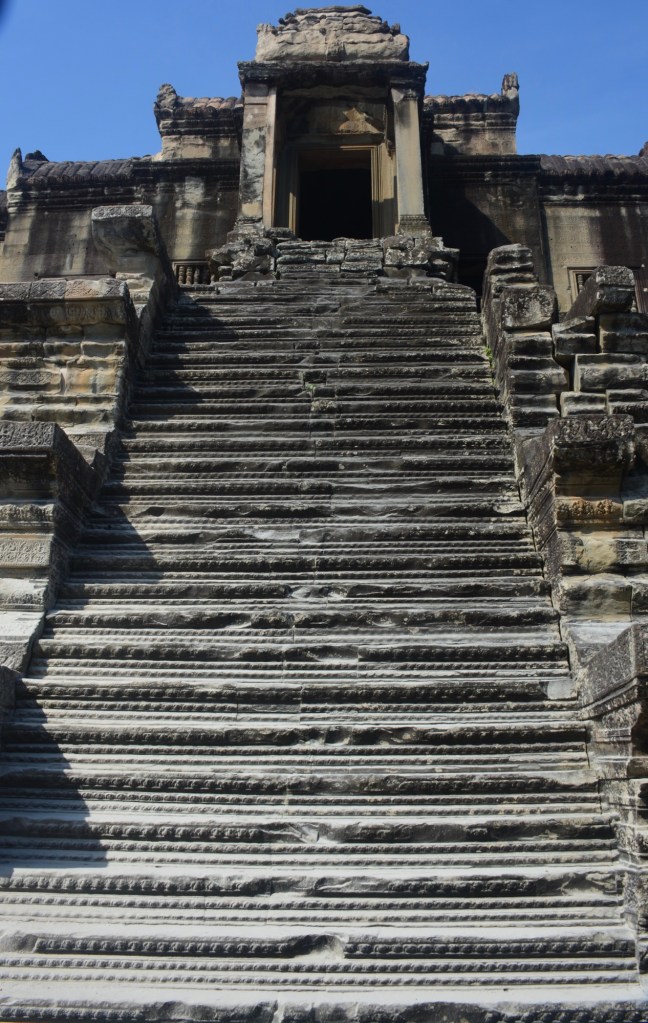
The building faces to the west, which is unusual, but we entered the complex from the east side and then walked around to the front. Our guide, Soeng, led us around the second floor of the complex walking counter clockwise, examining the bas-relief carvings that cover the large pyramid temple. It’s really an awe-inspiring place.

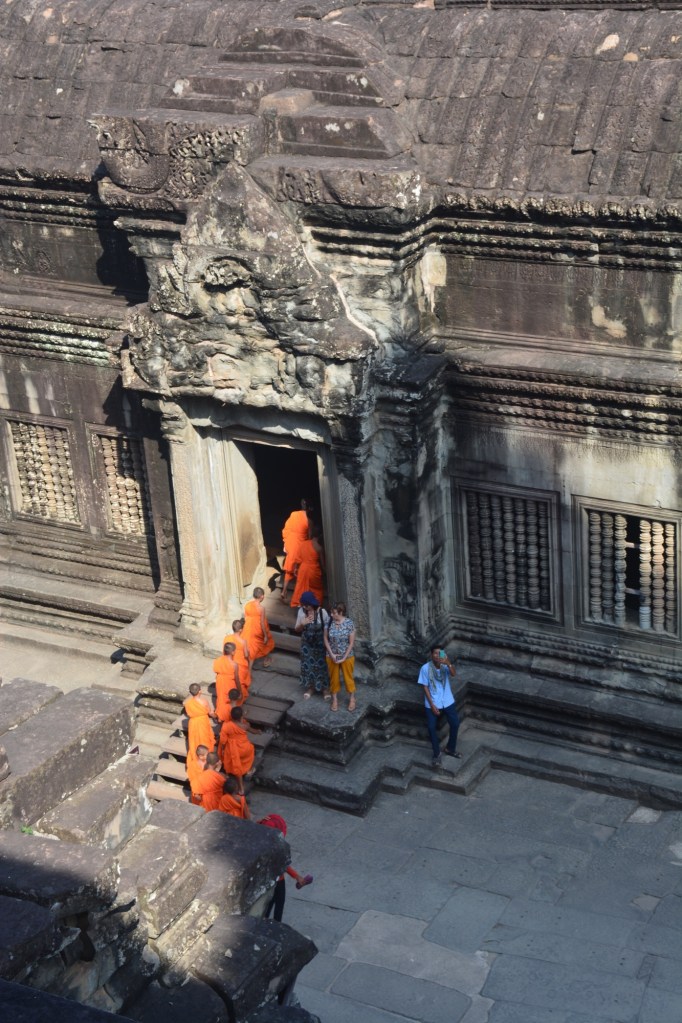

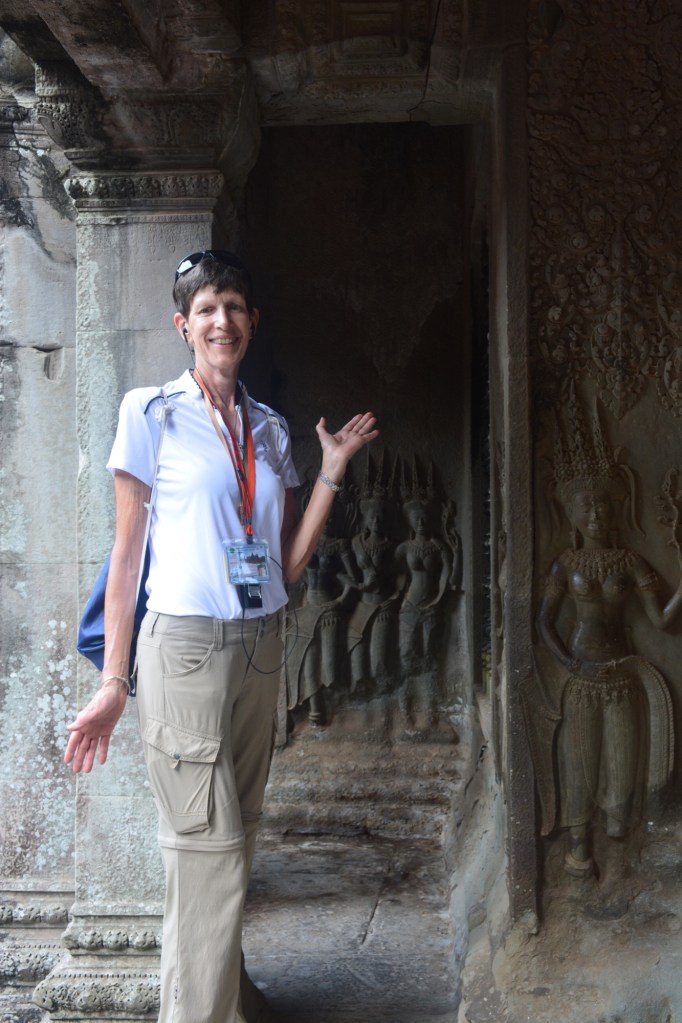

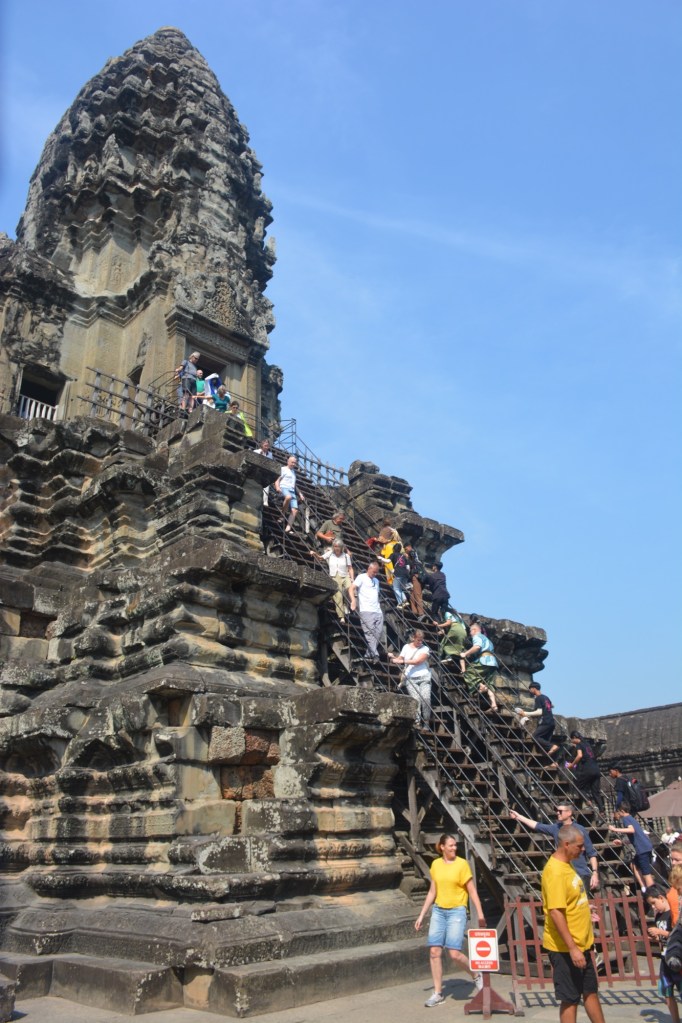

Lastly we visited the Bayon Temple. There are 54 stone towers in the temple, each with four carved faces on the sides of the towers. The heads symbolize one of Cambodia’s most revered kings. The bas-relief carvings in this temple are also impressive.

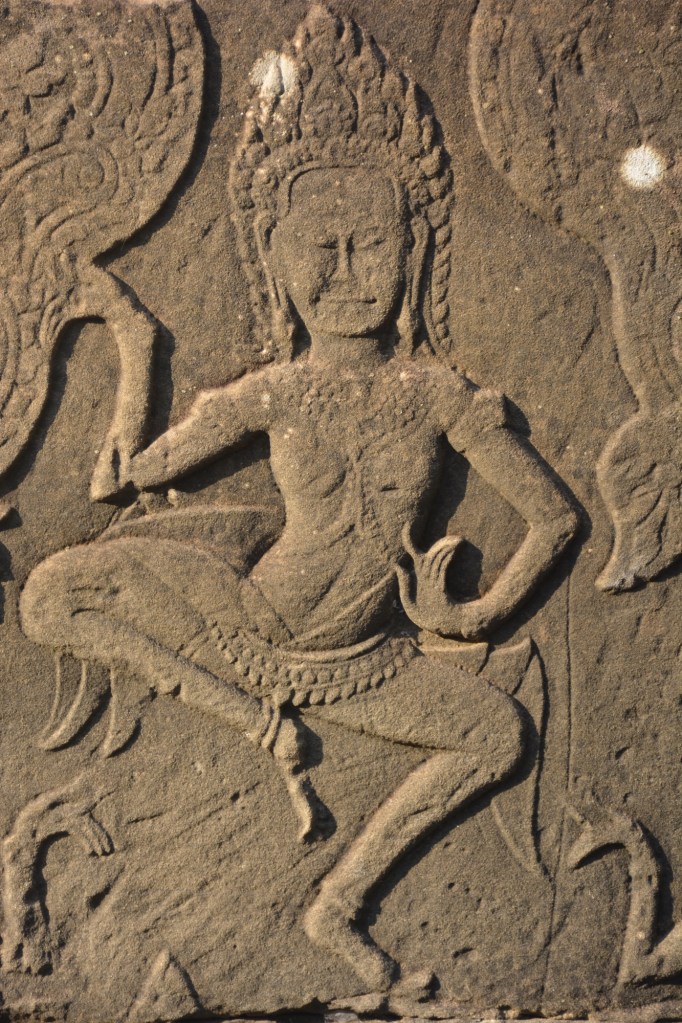

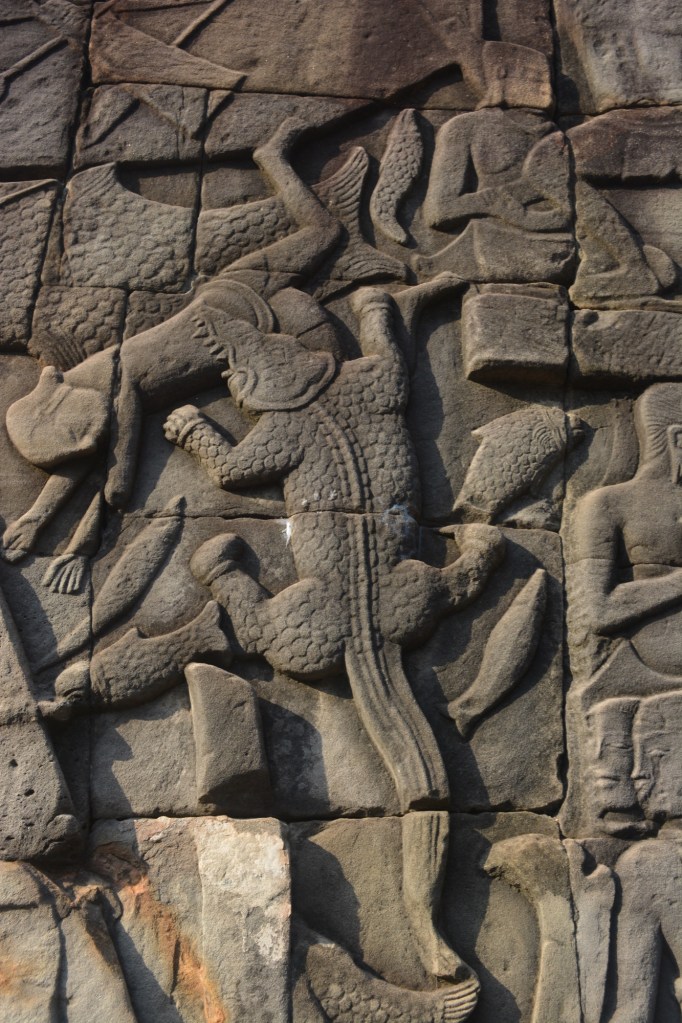
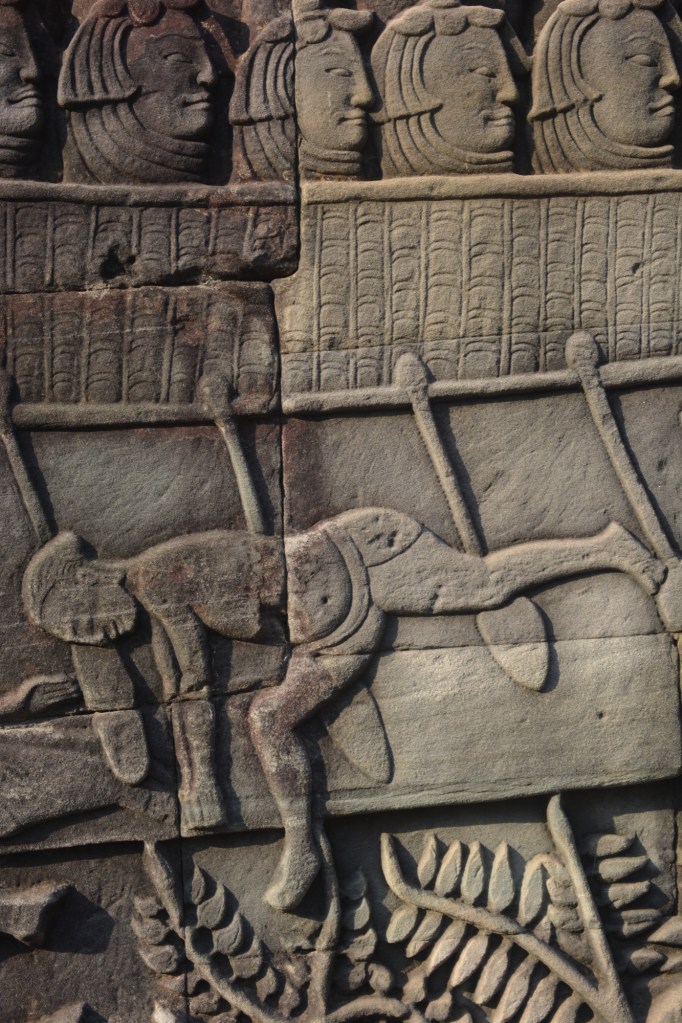
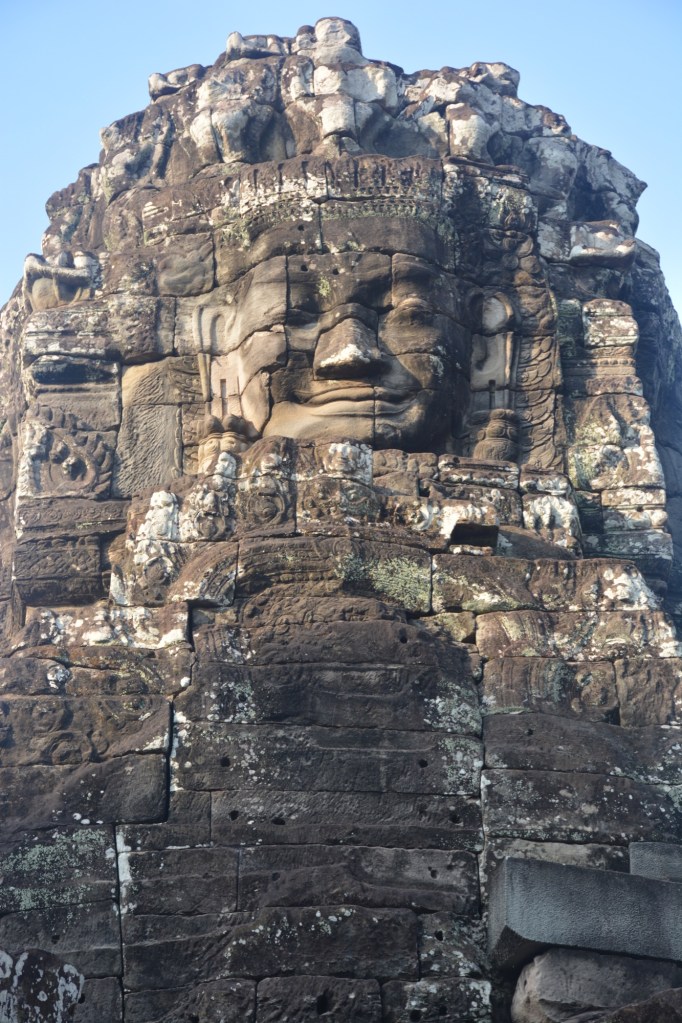

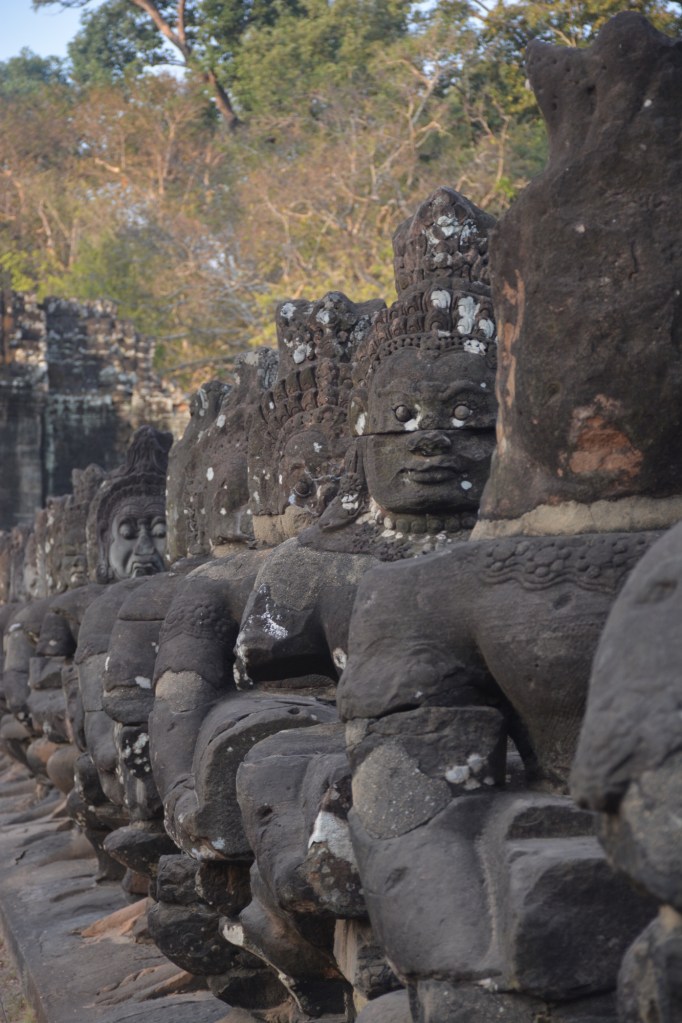
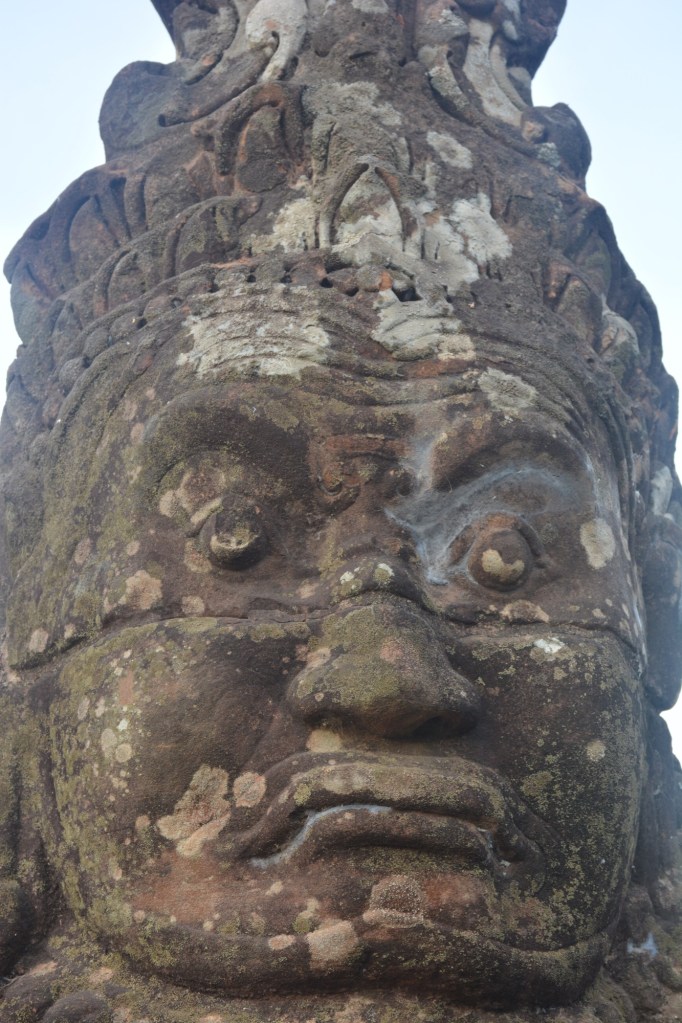
It’s really a lot to absorb over two days, and these pictures only tell part of the story, but anyone interested in seeing one of the existing wonders of the world should definitely put Cambodia on their list. Fascinating country with very friendly people.
 It's What We Do