We enjoyed a packed two days in the Cambodian capital of Phnom Penh. I’m not sure what we expected. I think most travelers arrive in a new place with a set of preconceived notions that are usually quickly dashed in one way or another. In the case of Phnom Penh, the city overdelivered in a positive way.
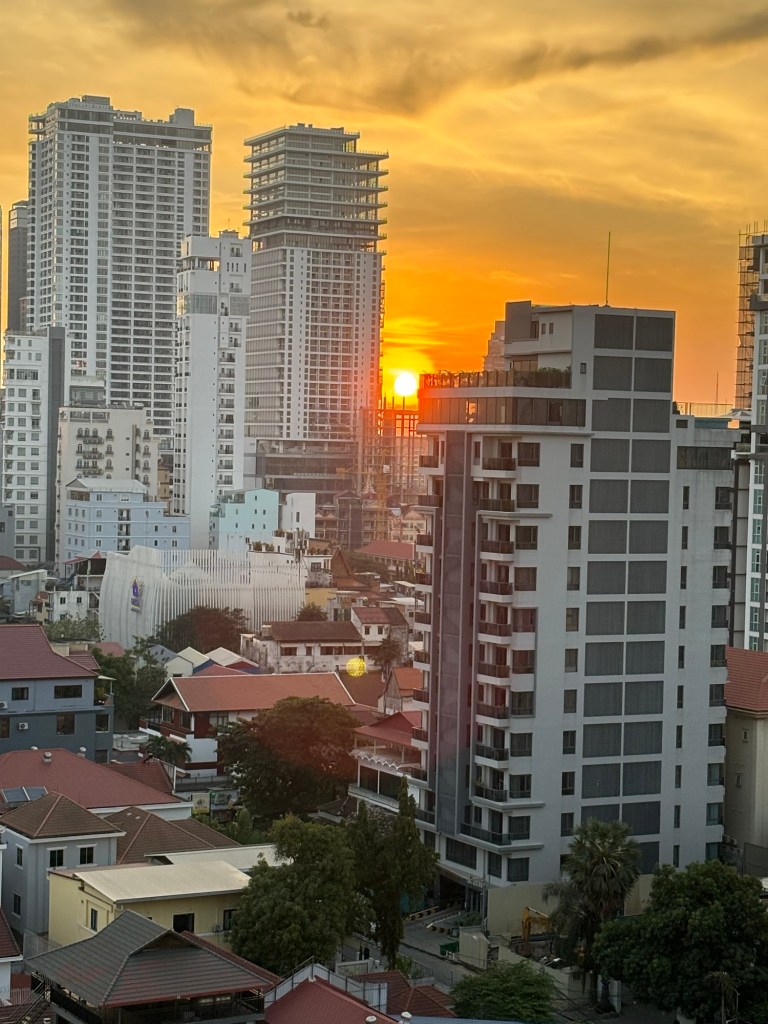
Phnom Penh is a vibrant and expanding city. There is new construction underway throughout the city, and there is an energy about the place. The government’s stated goal under the current prime minister, who came to power in the last year, is to transform Phnom Penh into a new Singapore or Hong Kong, which are among the wealthiest cities in Southeast Asia, by 2035. If that happens we can at least say we were there before.
The transformation to date is surprising enough given the country is just a little over 40 years removed from the genocidal reign of Pol Pot, architect of the infamous “Killing Fields,” and it’s only been about 25 years since Cambodia opened itself again to foreign investment. The U.S. and Cambodia only reestablished diplomatic relations in 1993. The government has become more authoritarian in recent years, but nothing like that dark period.
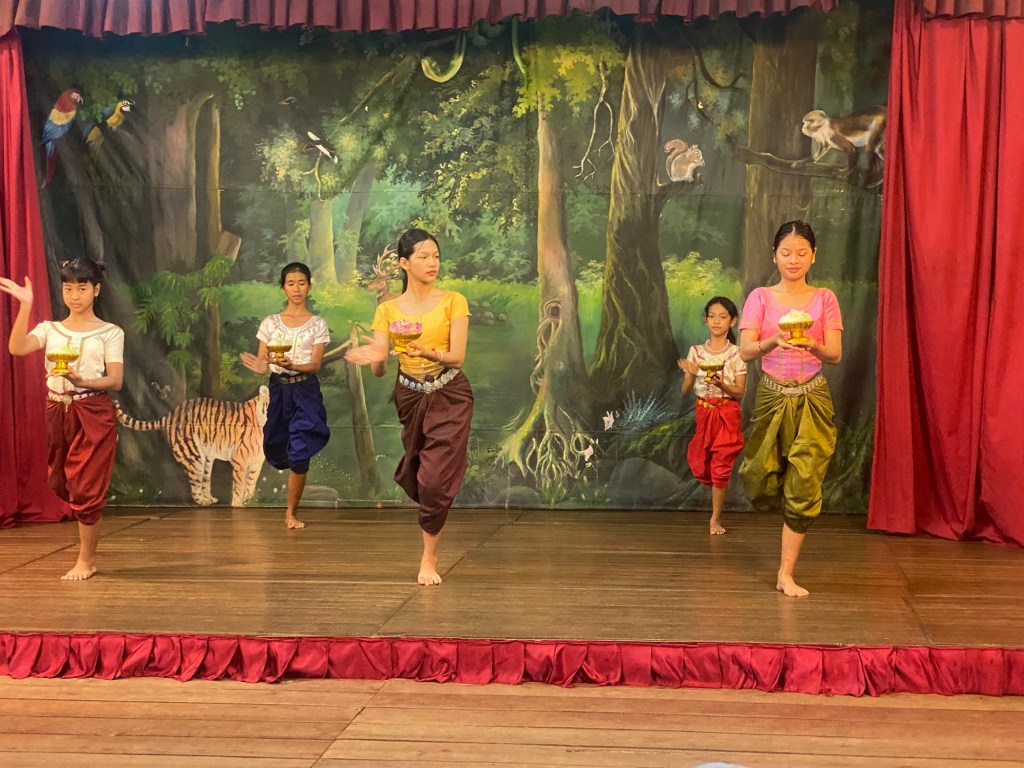
The history of the Pol Pot regime made up the morning portion of one day’s touring, but it was offset by other more upbeat experiences. It began with a visit to a nonprofit dance and art school for poor and orphaned children. It’s just one way people are trying to help these kids avoid being exploited, especially girls who might otherwise end up in the sex trade.
The children seem to get cuter at each stop. We enjoyed their performances, then they dressed us in native garb and we “danced” along with the troupe. It was fairly hilarious.
In the evening we enjoyed dinner at a Chinese restaurant alongside the river. It was a bustling area with a lovely quay to stroll along. We were transported via the Cambodian version of a Tuk-Tuk. It’s another motorcycle pulling a carriage called a remok. The seating area was larger than the Thai version and more comfortable. The street traffic, however, was just as wacky as in Bangkok.

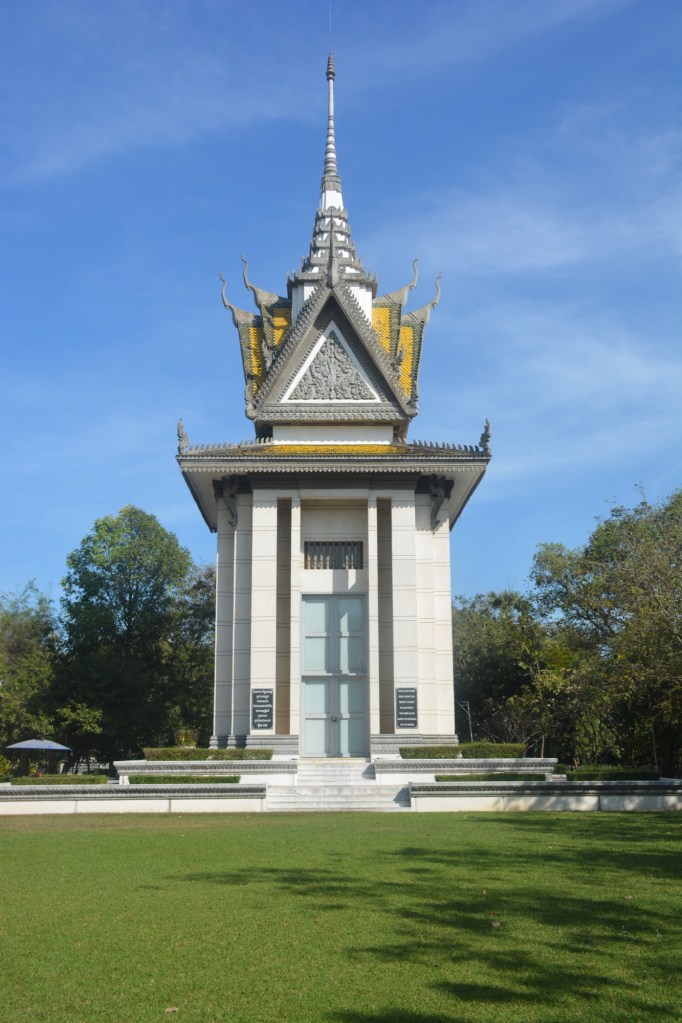
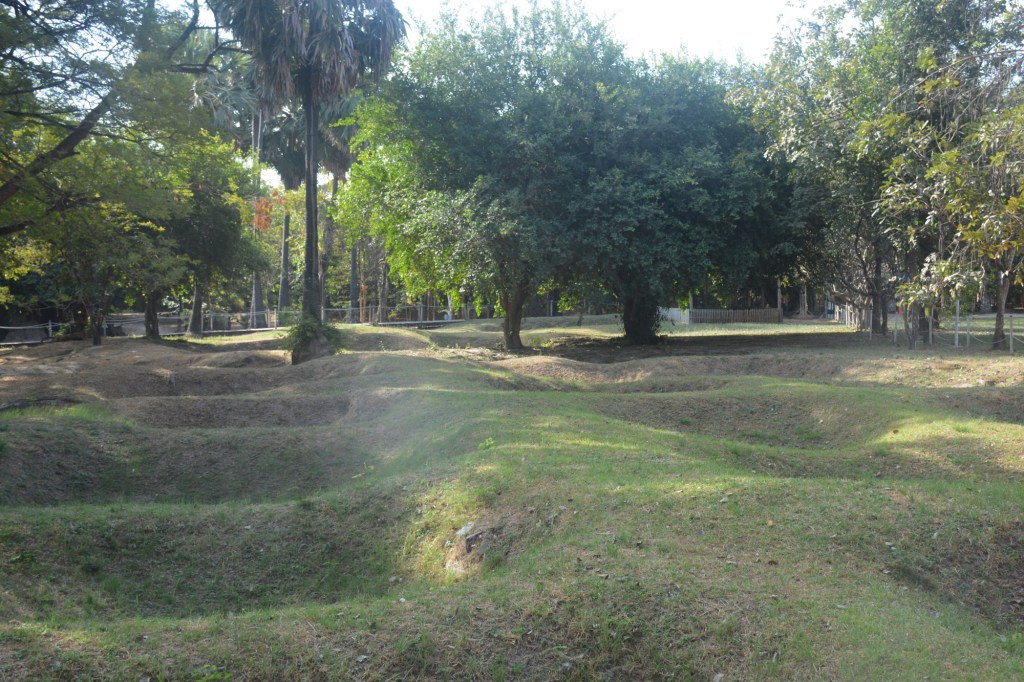
The next day involved the heavy portion of the tour, but you can’t ignore the recent history. The first stop was to one of the many killing fields operated by the Khmer Rouge. It’s a memorial and gravesite. If one were to dig down a few feet you would likely uncover bone fragments and pieces of clothing. Teeth and bone fragments are still visible.
What’s sobering isn’t just the scale of the killing — more than two million people, or about 25% of the population at the time — perished during Pol Pot’s reign from 1975 to 1979. Equally disturbing is the manner in which people were killed. Bullets were costly, so the Khmer Rouge generally bludgeoned people to death using a variety of blunt instruments.

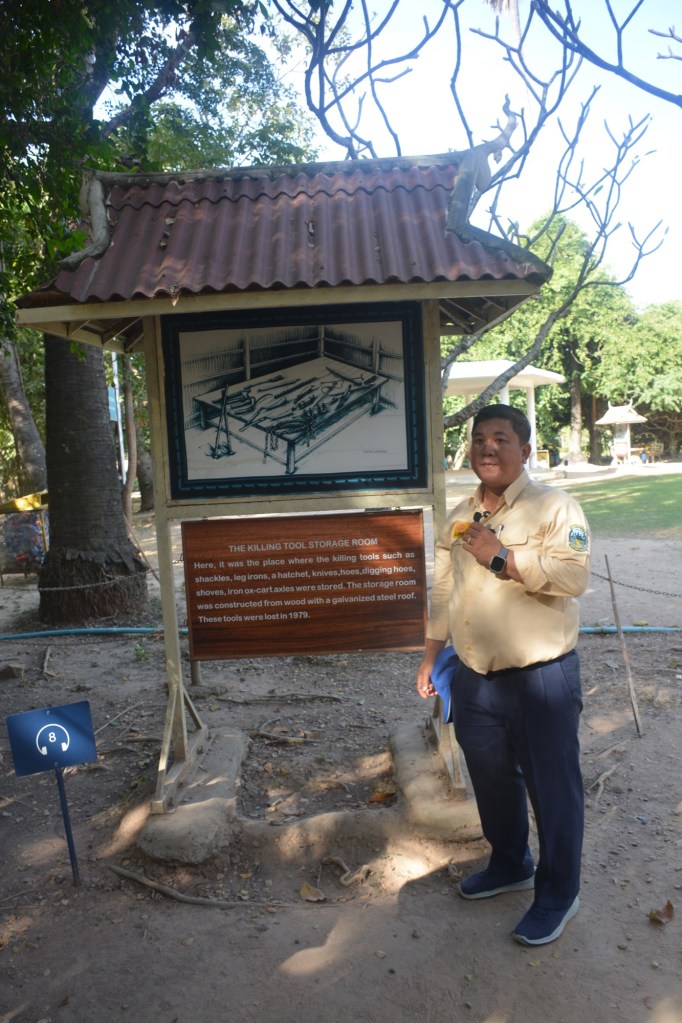
The people targeted were the professional class such as doctors, teachers and lawyers. Their crimes? The Communist regime assumed them all to be in the employ of the CIA or other foreign intelligence agencies during the prior government. Worse yet, their children were also killed because Pol Pot believed, and I’m paraphrasing, that if you pull grass, you also have to pull the root lest the grass grow back. Sick.
Few Cambodians alive now didn’t lose relatives. Our guide Long, born after the regime was overthrown, lost a grandfather, aunt, uncle and three cousins. His own father, also a teacher, only survived because he had learned to be a barber and only admitted to that trade. Long could be very jovial and funny, but not when relating his history.
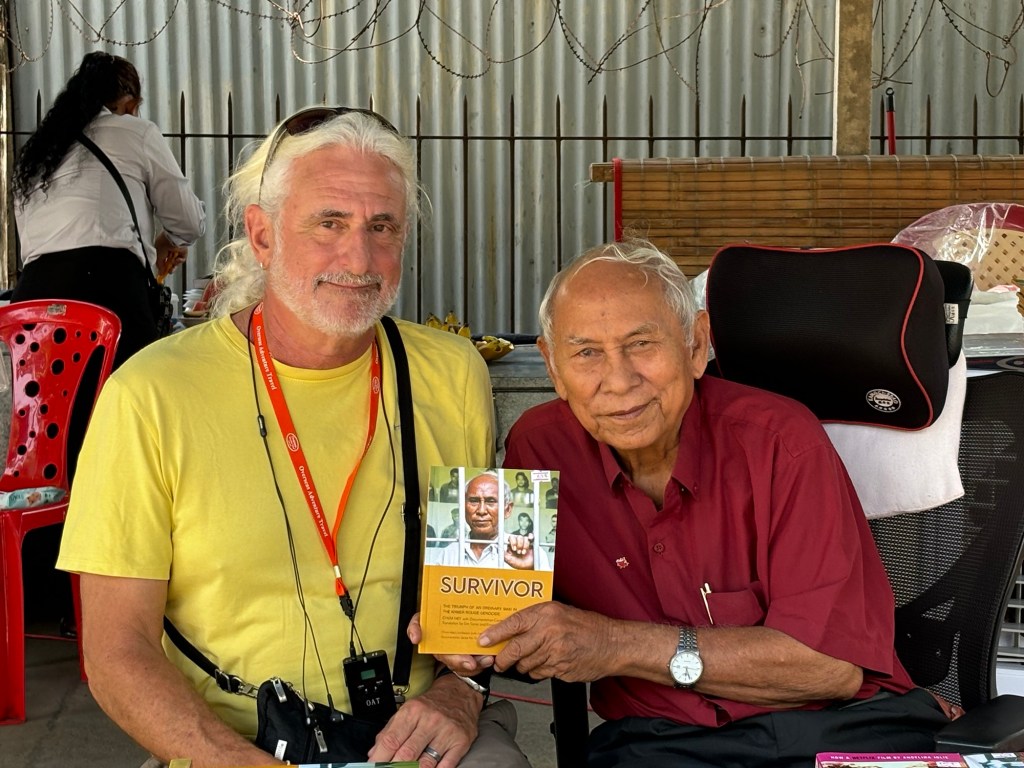
We also had a session with two of just seven men who survived incarceration and torture during the regime in one particular prison. One, named Chun Mey, is now 93 years old. Amazing given what he went through and the fact life expectancy for men in the country now is only 68. I was taken aback when at the end of his conversation with our group I was one of just two people in our traveling party that Chun Mey chose to hug after also shaking hands. It was very moving.
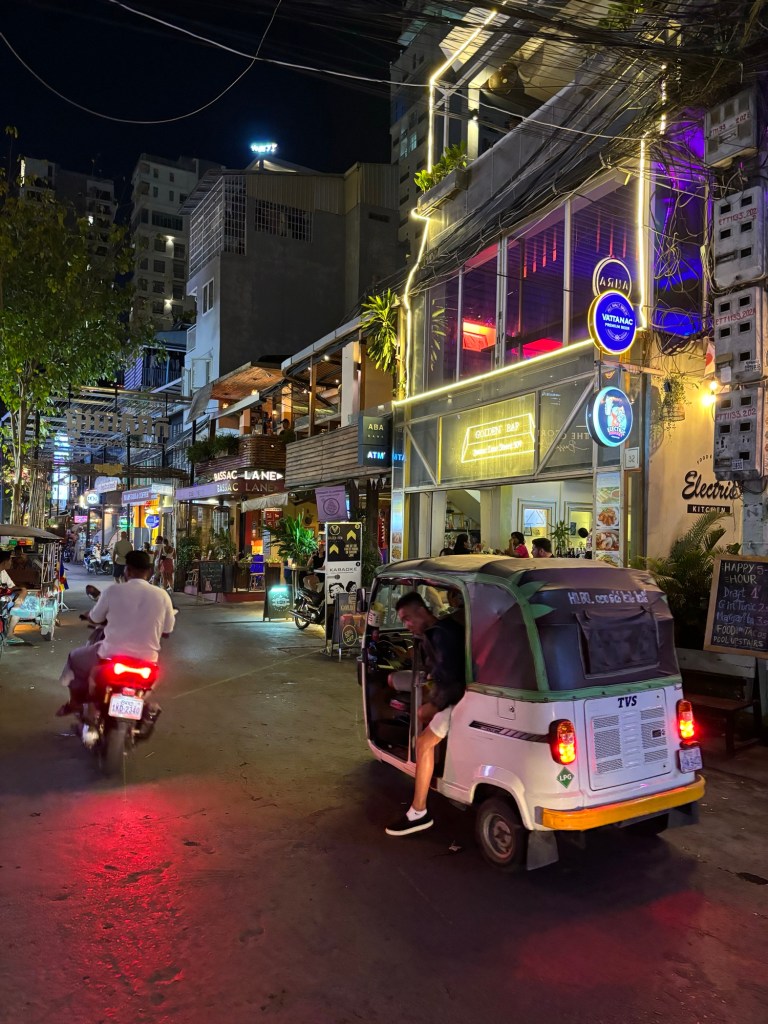
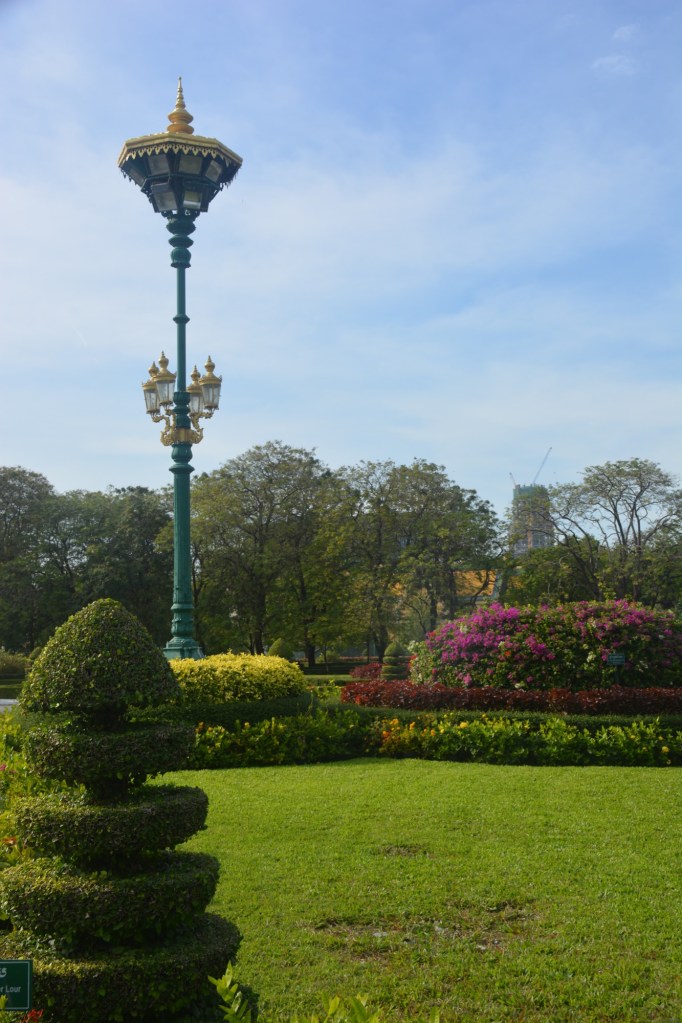
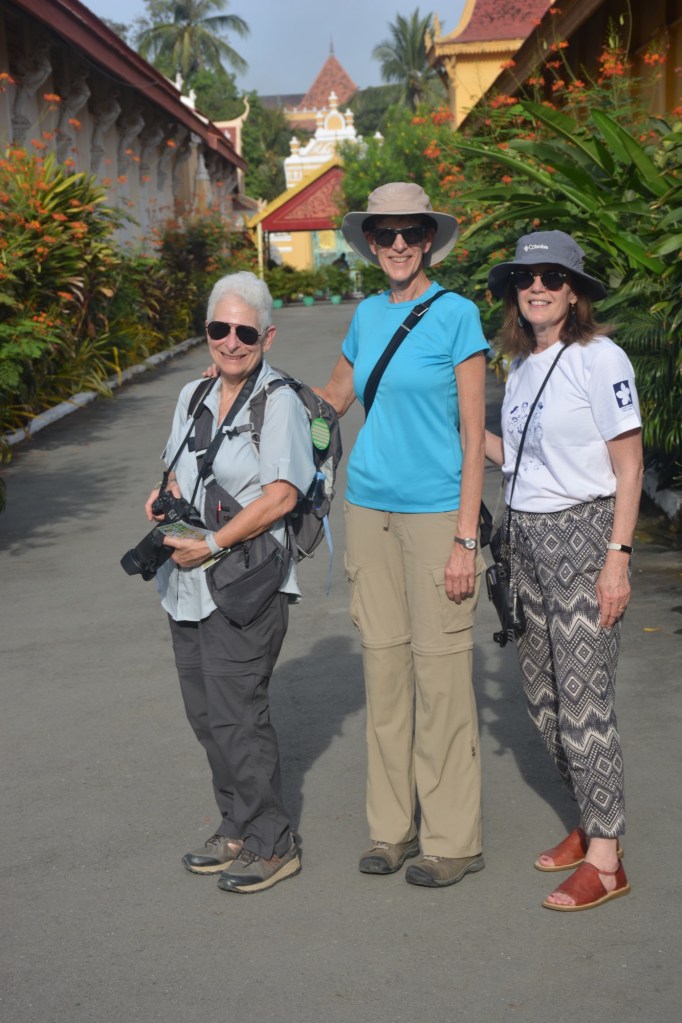
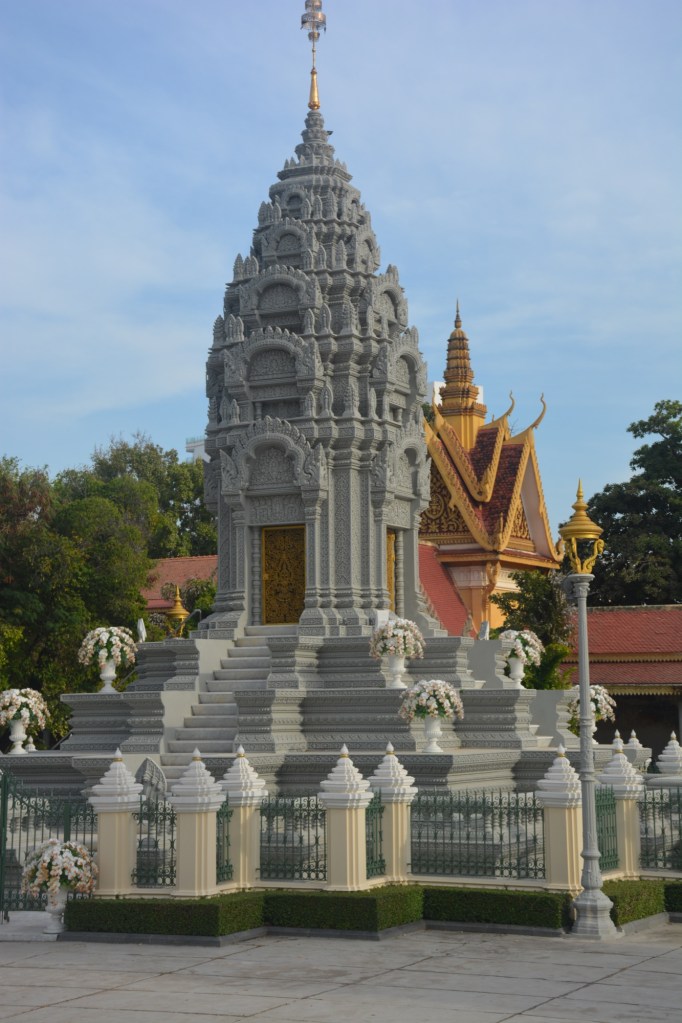
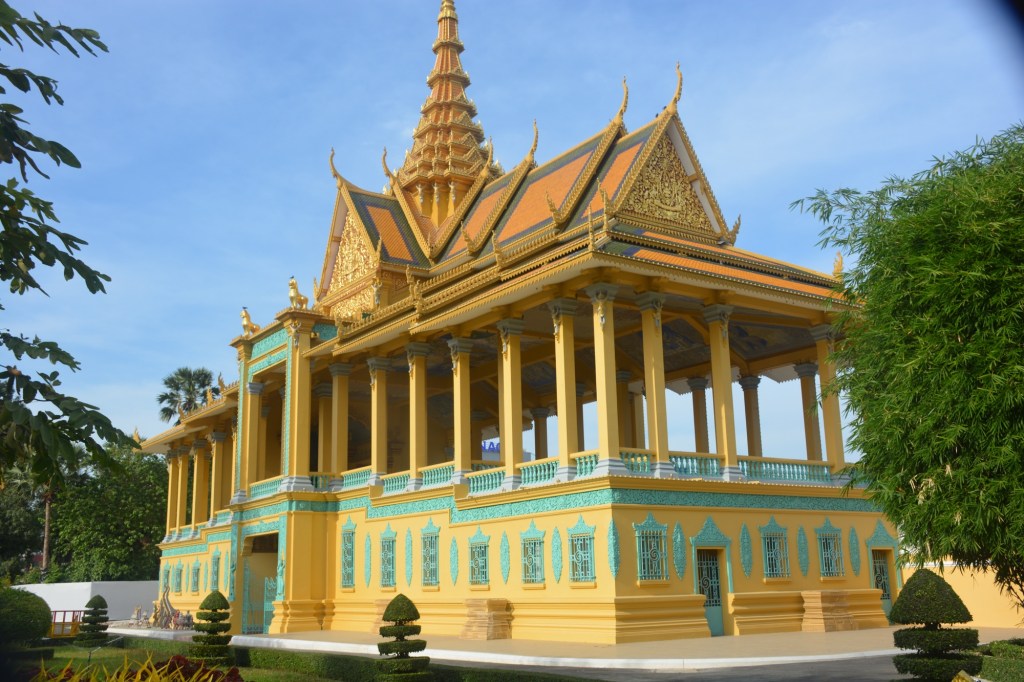
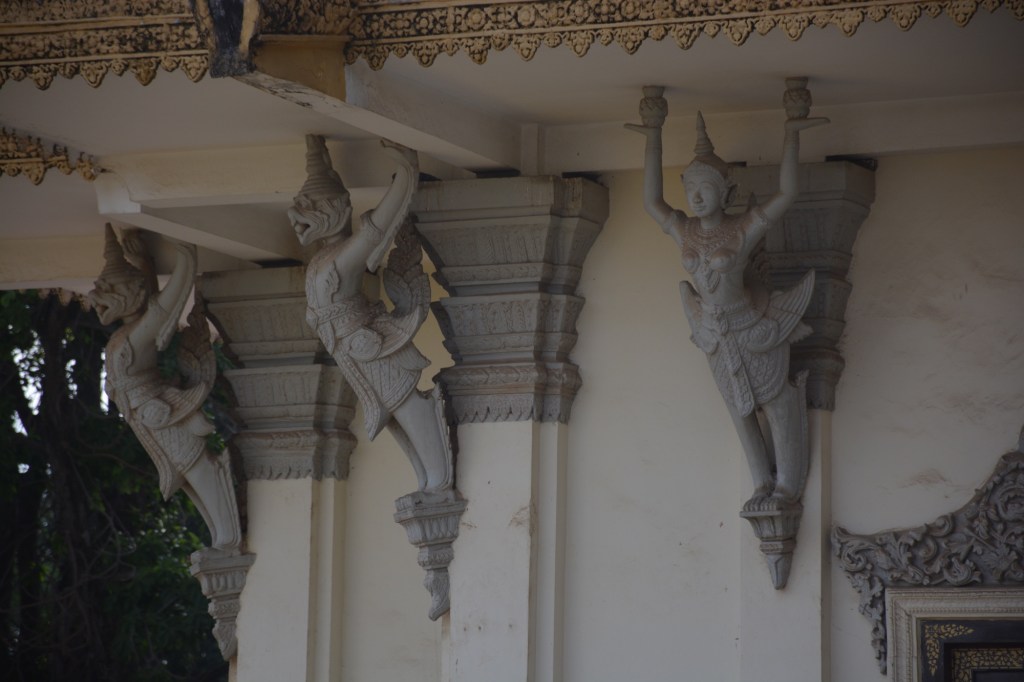
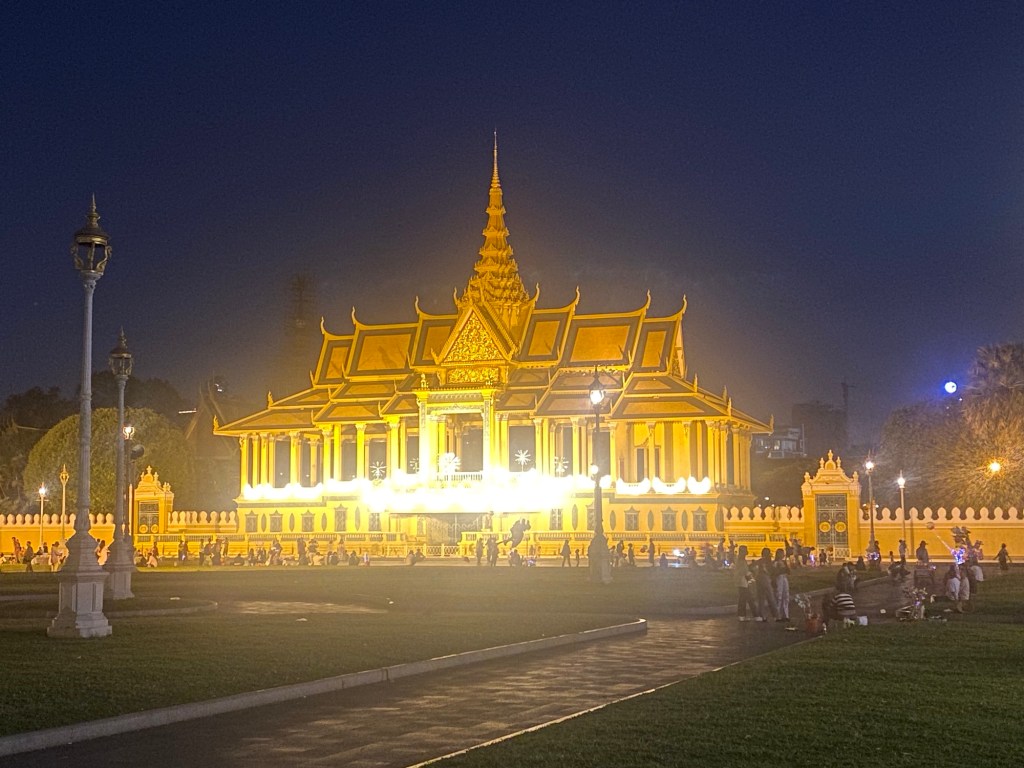
But enough of the heavy stuff. That afternoon we visited the grounds of the Cambodian Royal Palace and in the evening went to an area our guide referred to as Pub Street. It’s chockablock with bars and eateries. Quite lively and a short walk from our hotel. We dined at a little French bistro. Five of us split a charcuterie board, a sliced steak with fries, and a bottle of wine. Total cost was $65. Can’t beat that.

Now we are off to Siem Reap to visit Angkor Wat, the largest religious site in the world.
 It's What We Do