We enjoyed our relatively rural two days in Luang Prabang, then it was off to the capital of Lao, Vientiane, on a high-speed train. The train was built by the Chinese and is a welcome change from the former mode of transport between those cities, which was either a 12-hour bus ride or a flight.
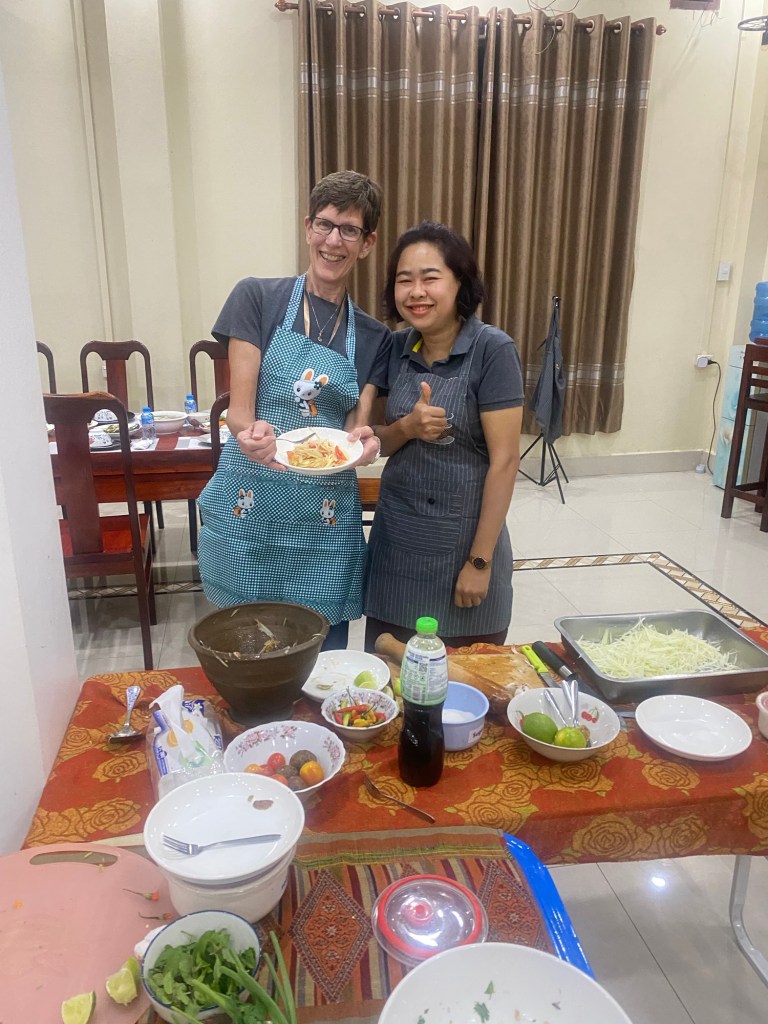
Our time in Vientiane was heavy on cultural immersion, a specialty of Overseas Adventure Travel, our tour operator.
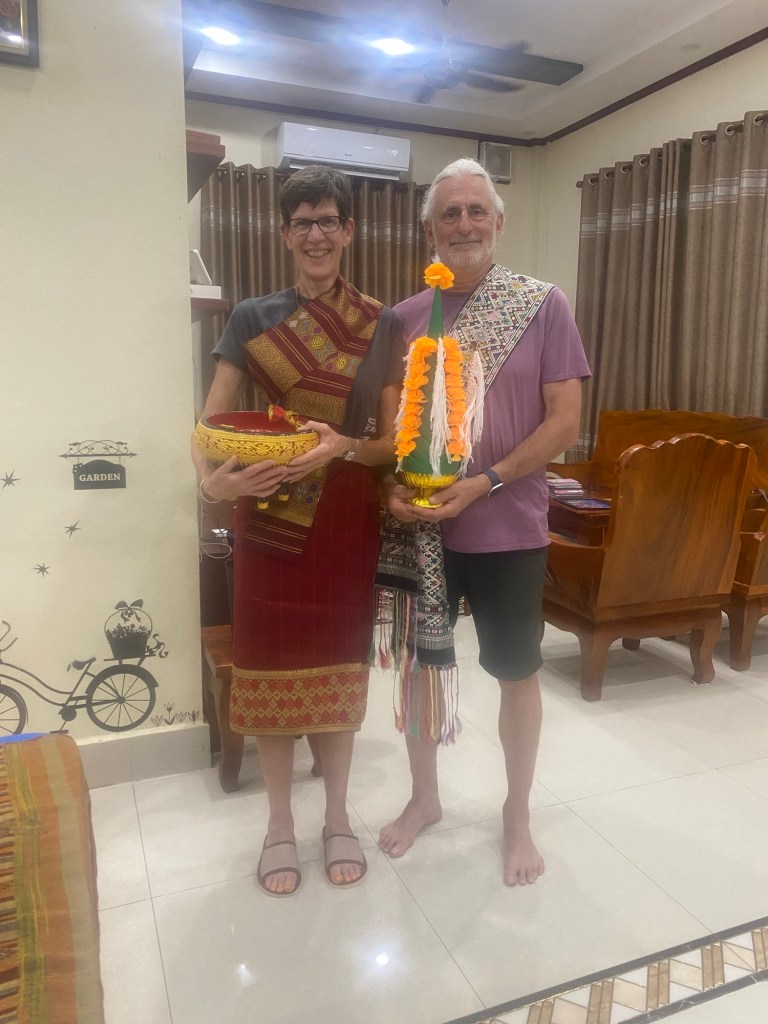
The first event was dinner at a local family’s home. Unfortunately, in our group only one of the six family members spoke English, and we only knew two words of Lao among the six of us tourists, but we managed to communicate just fine.
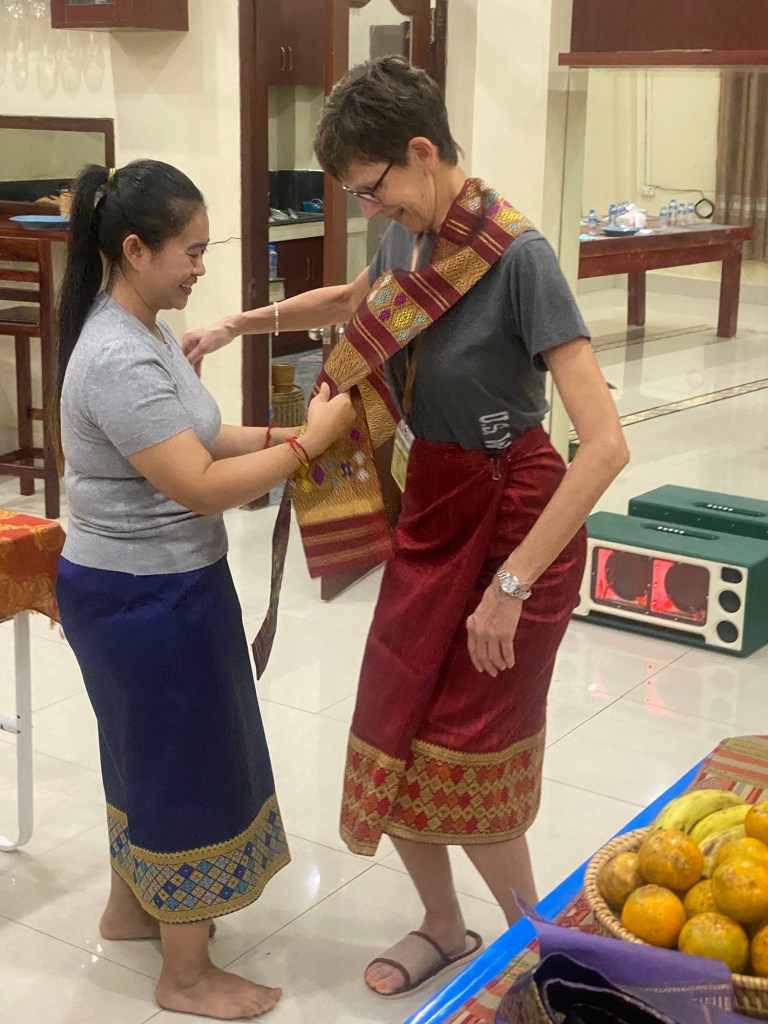

We started by making our own appetizers, a papaya salad and a cold pork dish similar to what we had during our village visit the day before.
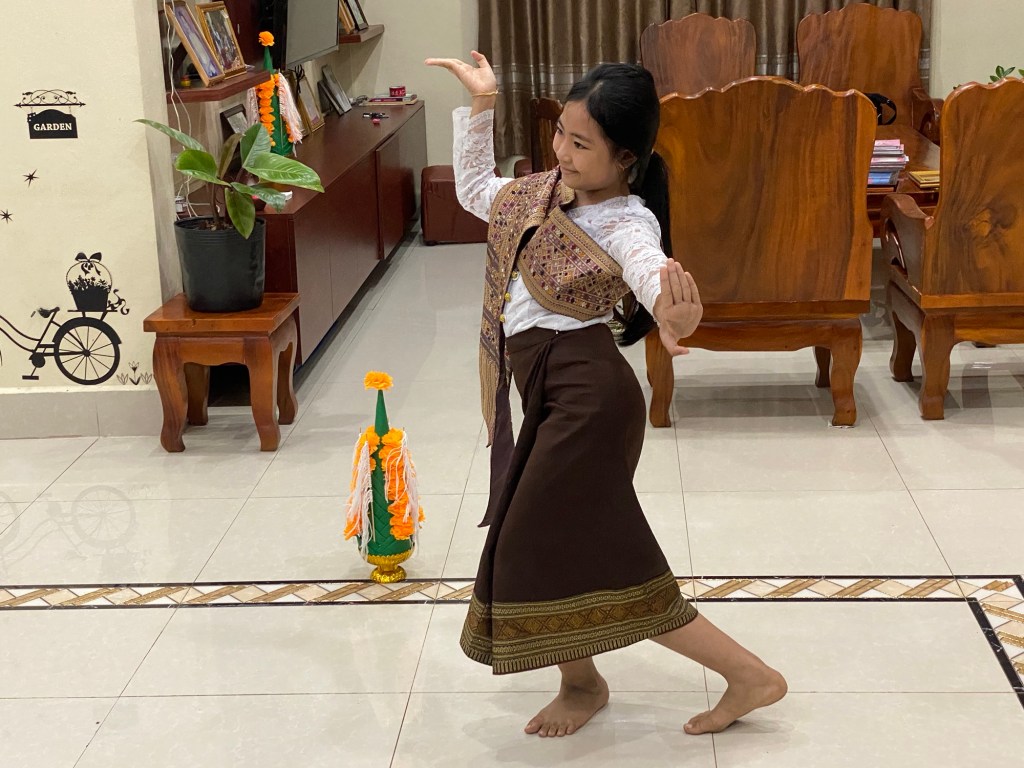
After dinner, the 11-year-old granddaughter gave us a dance performance, then we all dressed in traditional clothes and joined in. To conclude the evening, we each received a bracelet and blessing from the grandmother. When I hugged the English-speaking host goodbye she had tears in her eyes. It was nice to see these visits mean as much to the hosts as they do to us visitors.
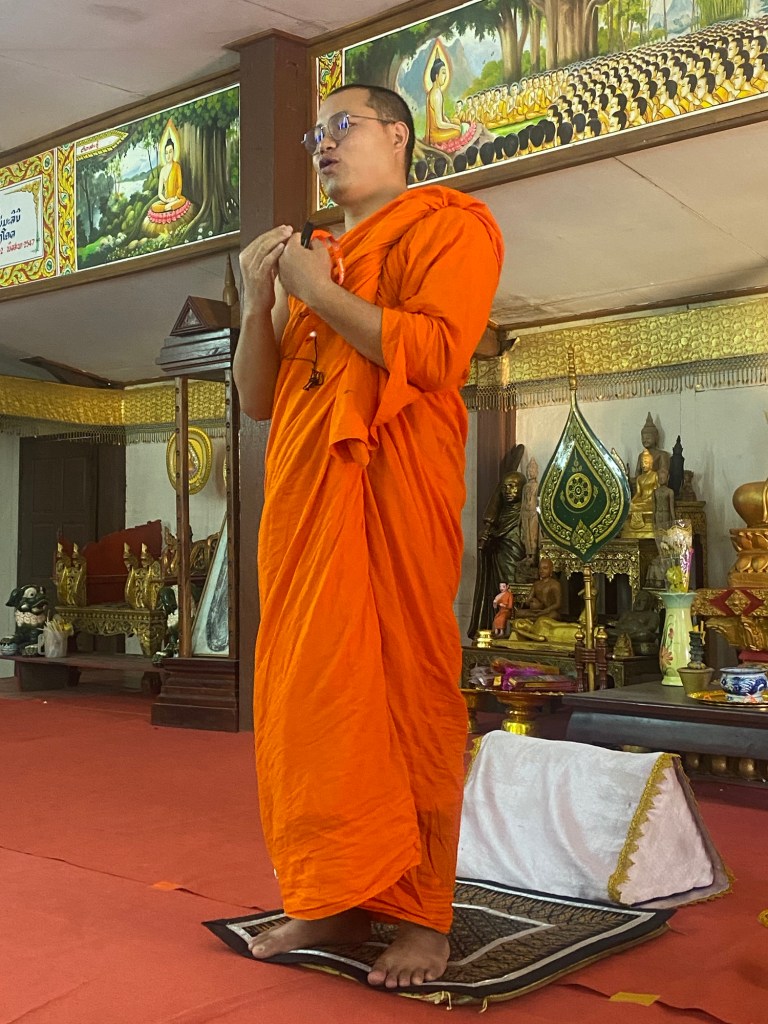
The next day started with a visit to a temple and a chat with a Buddhist monk. His English was excellent, and he was very open in answering our questions. Although I read a book about Buddhism before the trip, that just provided a tiny taste of the philosophy, so this meeting was “enlightening.”
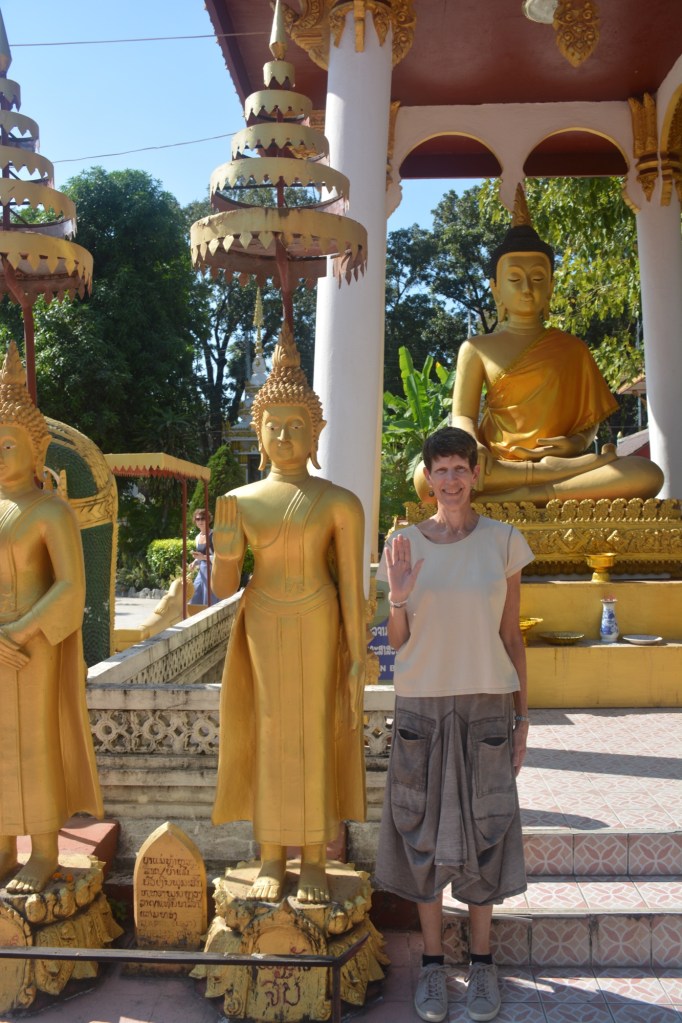
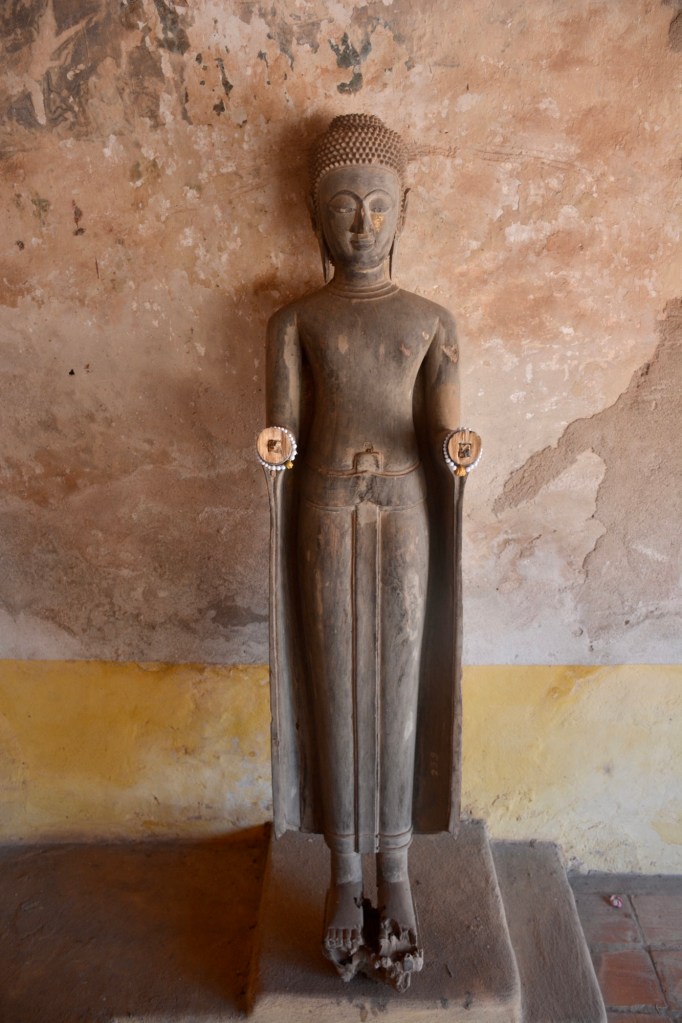
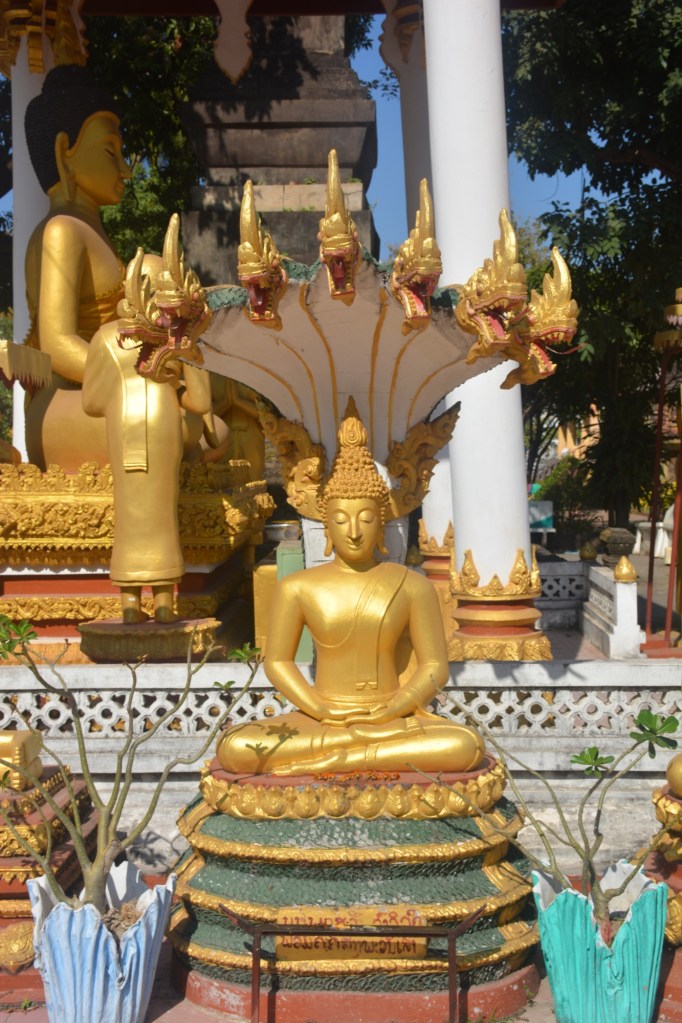
Then it was off to the first of several sobering parts of this trip, a visit to a center that provides support to victims of unexploded bombs.
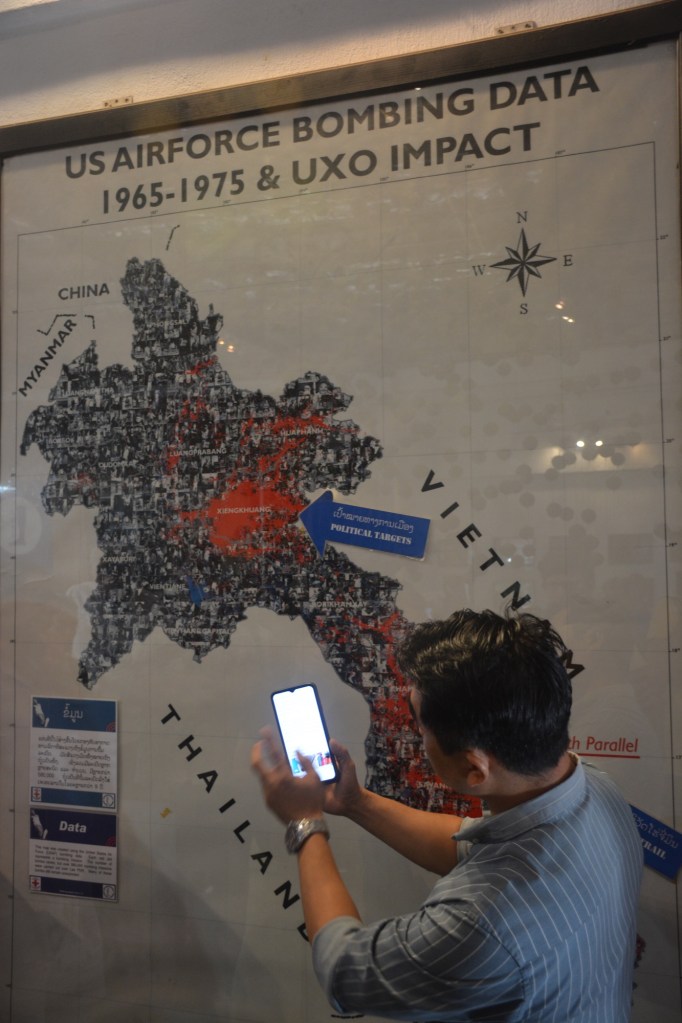
During the Vietnam War, more bombs were dropped on Laos, home to the famed Ho Chi Minh trail, than were dropped by all armies during World War II. Although Laos wasn’t even fighting in the war, bomber jets that didn’t have the opportunity to strike their targets in Vietnam would drop their payload of cluster bombs over Laos because it wasn’t safe to land with the bombs intact. These unexploded bombs have maimed and killed thousands of Laotians since the war’s end, and because there are still thousands of bombs in existence, it is impossible or potentially deadly for farmers to work some of the land.
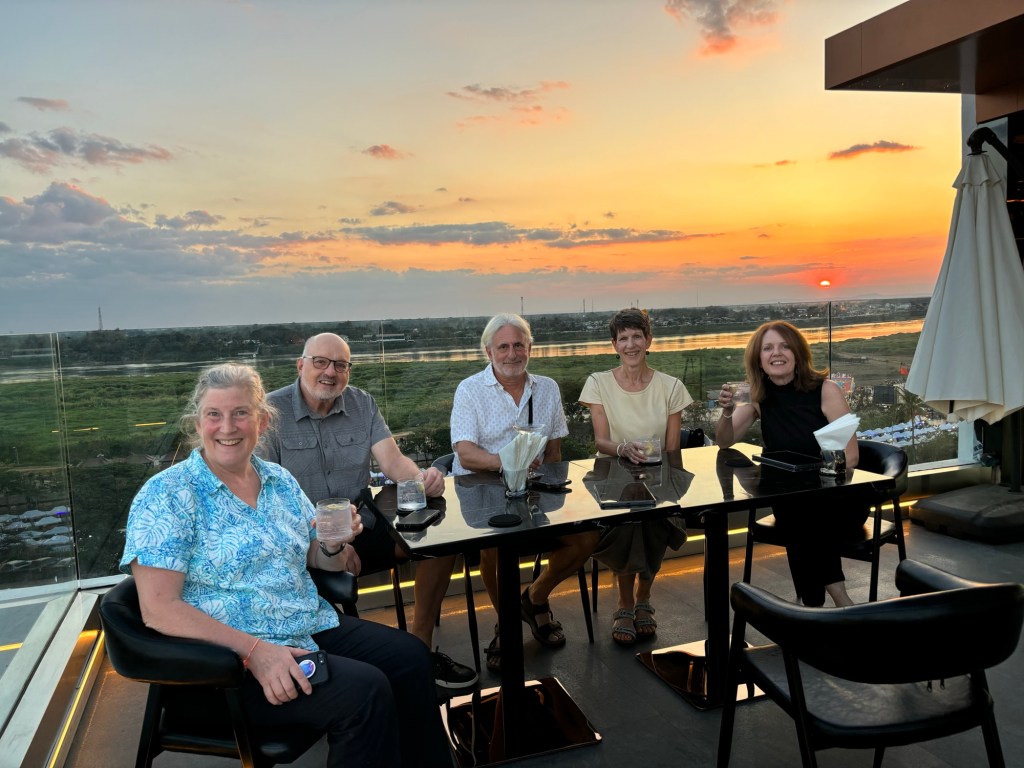
We met a victim of an explosion as part of the visit to the center. He was actually working for the CIA when he was injured in a bombing. Though he has built a life for himself despite losing both legs, many more people are struggling to survive or have died by suicide. The U.S. gives some money to help these victims and survivors, but Switzerland is actually donating the most money to help find and clear the unexplored bombs.
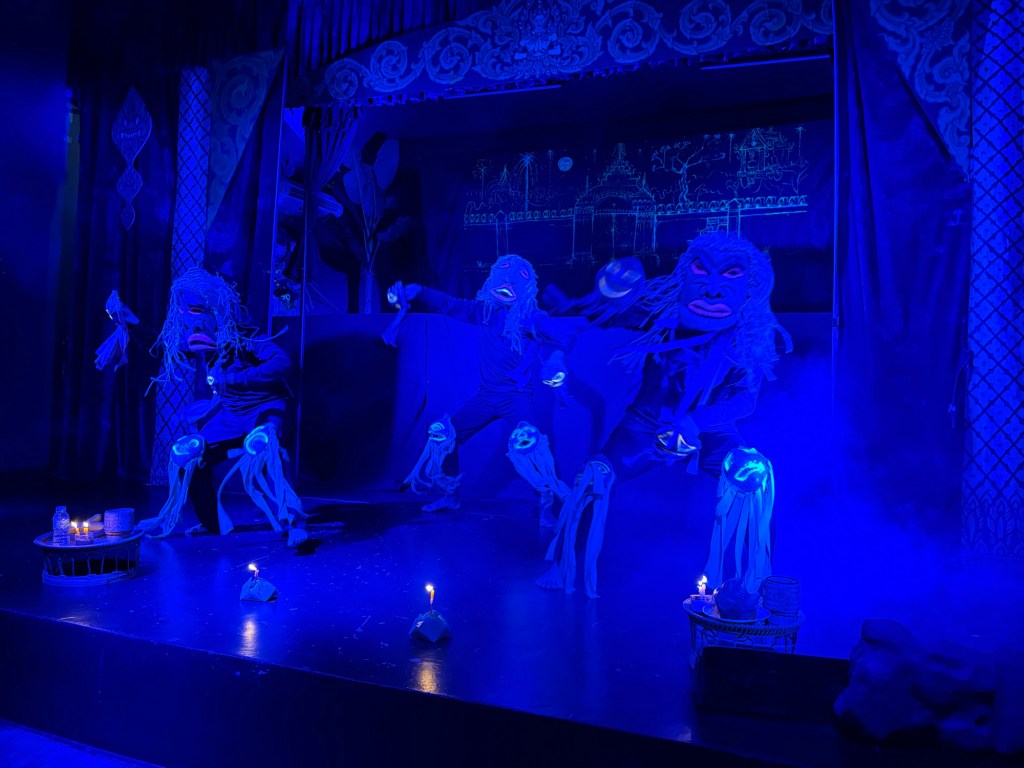
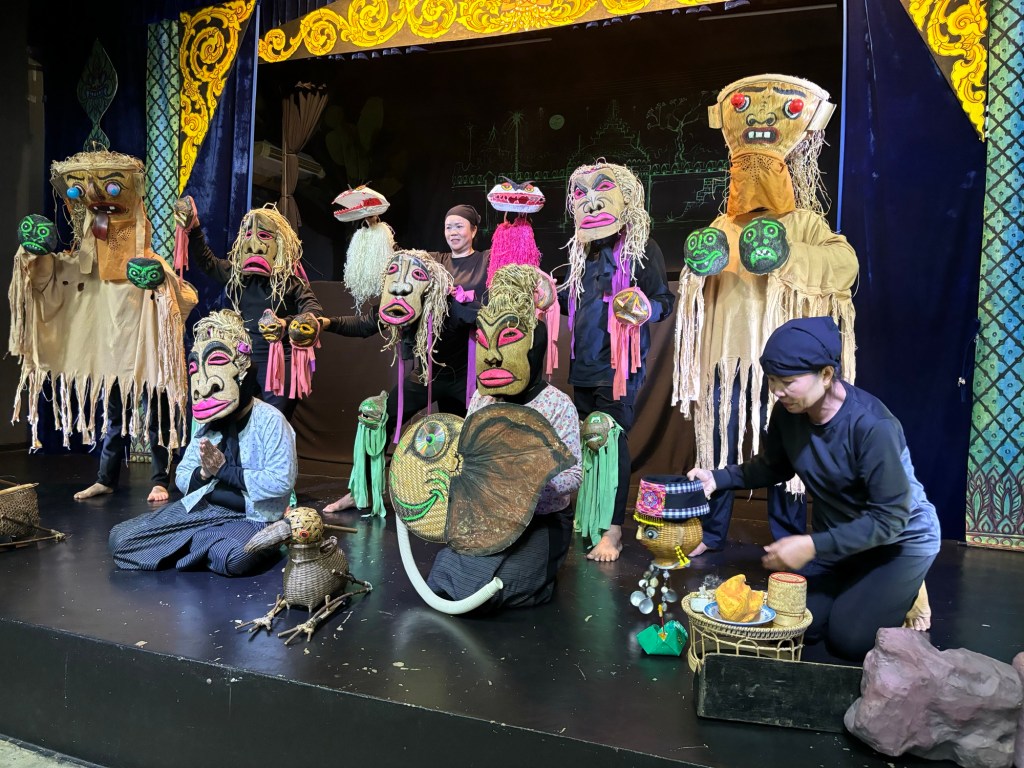
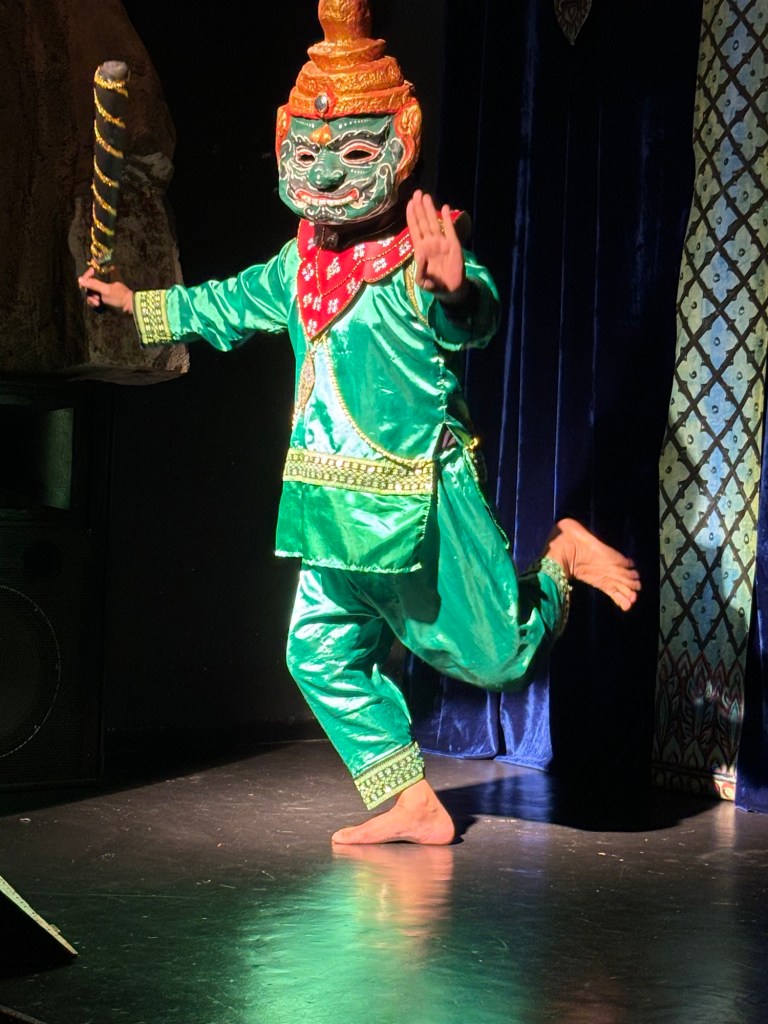
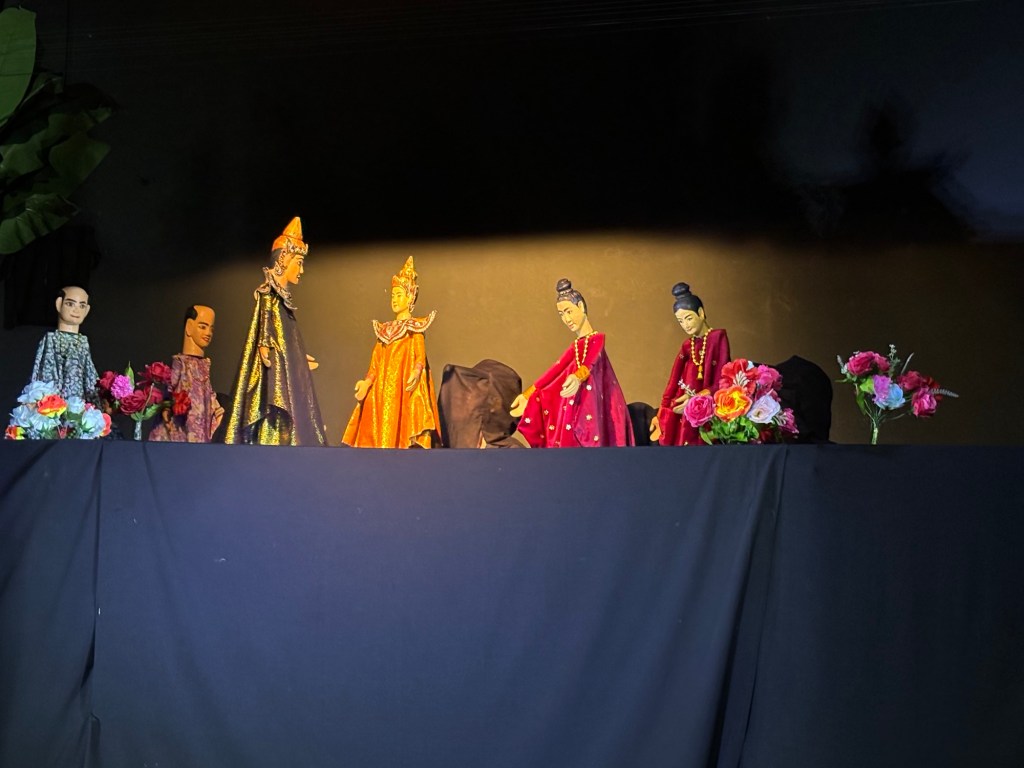
Happily, our final stop for the day was a visit to a Laotian puppet show. There were five shows, some telling traditional stories, others were lessons for children such as one on not littering. The shows were entertaining, and the performers looked joyful when they took their bows. Puppet shows have been a Lao tradition since the 14th century.
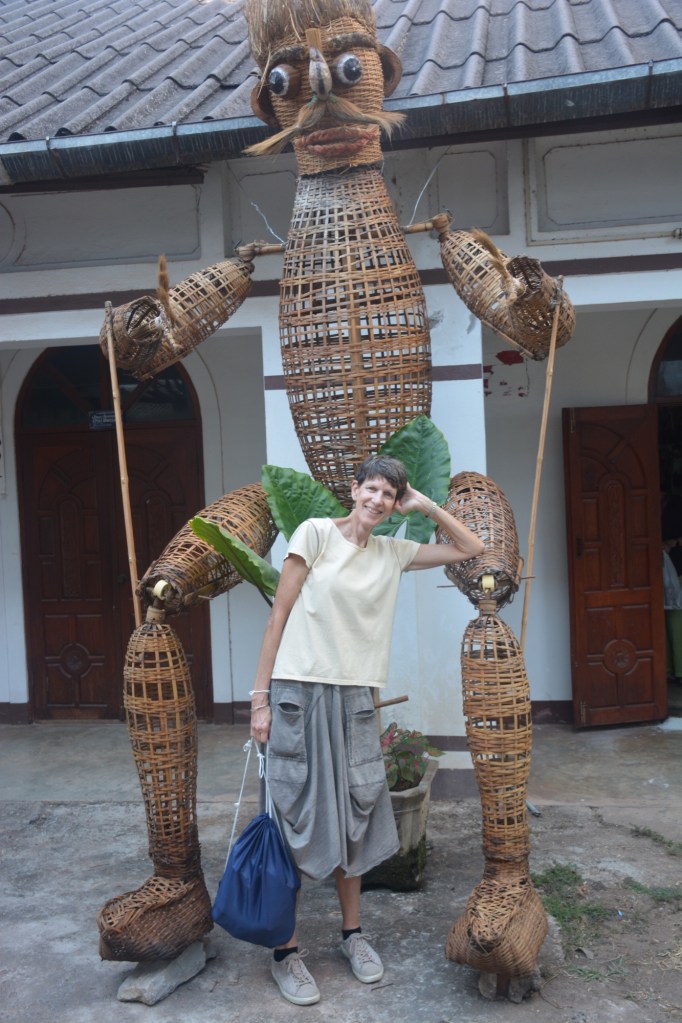
One negative about a fast-paced trip like this is that you only get a taste of each country. From what I’ve seen of Laos, it would be worth a longer visit, especially up into the mountains and countryside. But this will have to do, and we enjoyed the time we had here.
 It's What We Do